

Pyroclastic density currents (PDCs) are a major threat during an explosive volcanic eruption. A new study shows that loose tephra accumulations on volcanic slopes tend to re-mobilize rapidly.
Editors’ Highlights
Posted inEditors' Highlights
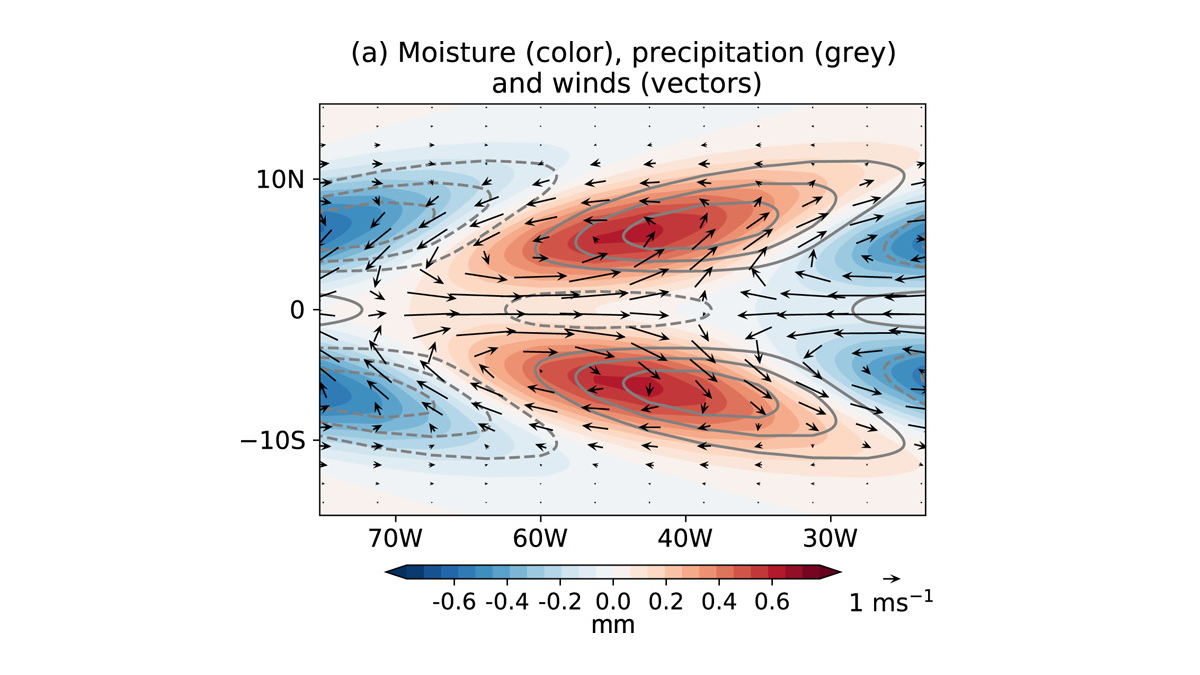
New Western Hemisphere Moisture Mode
A new study presents the first evidence of the existence of an intraseasonal westward-propagating moisture mode over the Western Hemisphere.
Posted inEditors' Highlights
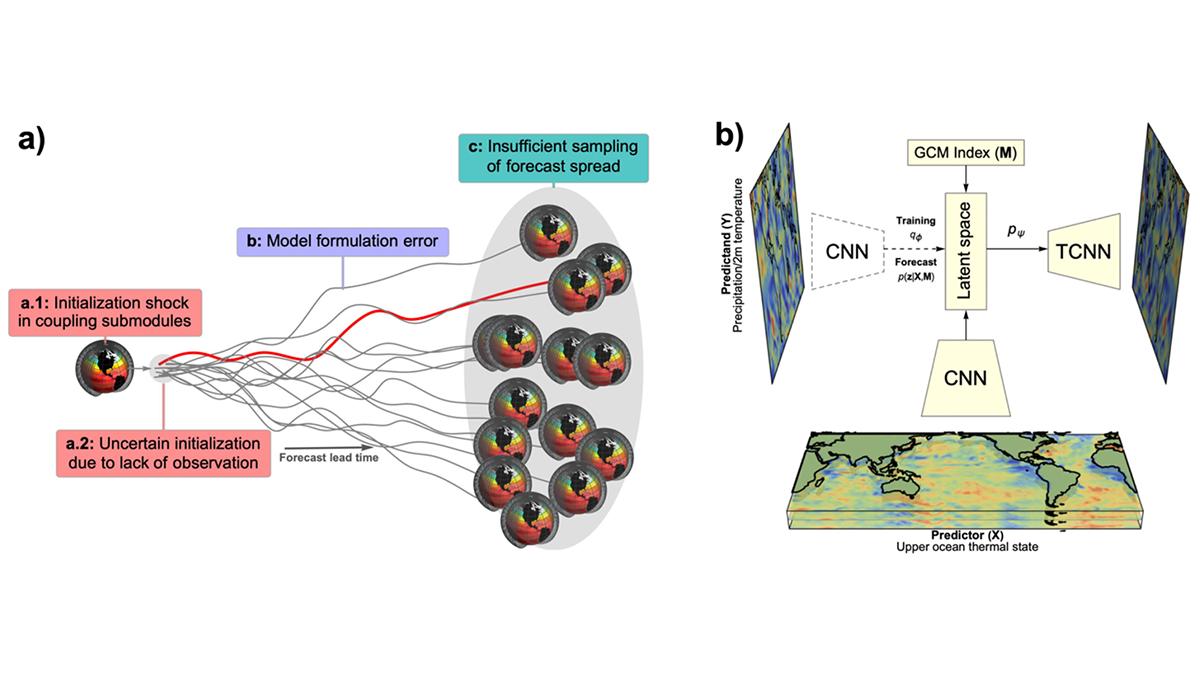
Learning from Climate Simulations for Global Seasonal Forecast
A probabilistic deep learning methodology that learns from climate simulation big data offers advantageous seasonal forecasting skill and crucial climate model diagnosis information at a global scale.

Posted inEditors' Highlights
A Glimpse at Planet Formation at the Dawn of the Solar System
The low density of Kuiper Belt Object Arrokoth sheds light on the formation of planetesimals in the early solar system.

Posted inEditors' Highlights
Radar Diagnosis of the Thundercloud Electron Accelerator
Altitude-resolved S-band radar observations of graupel are used to decipher thunderstorm ground enhancements in surface electric field and gamma ray flux.
Posted inEditors' Highlights
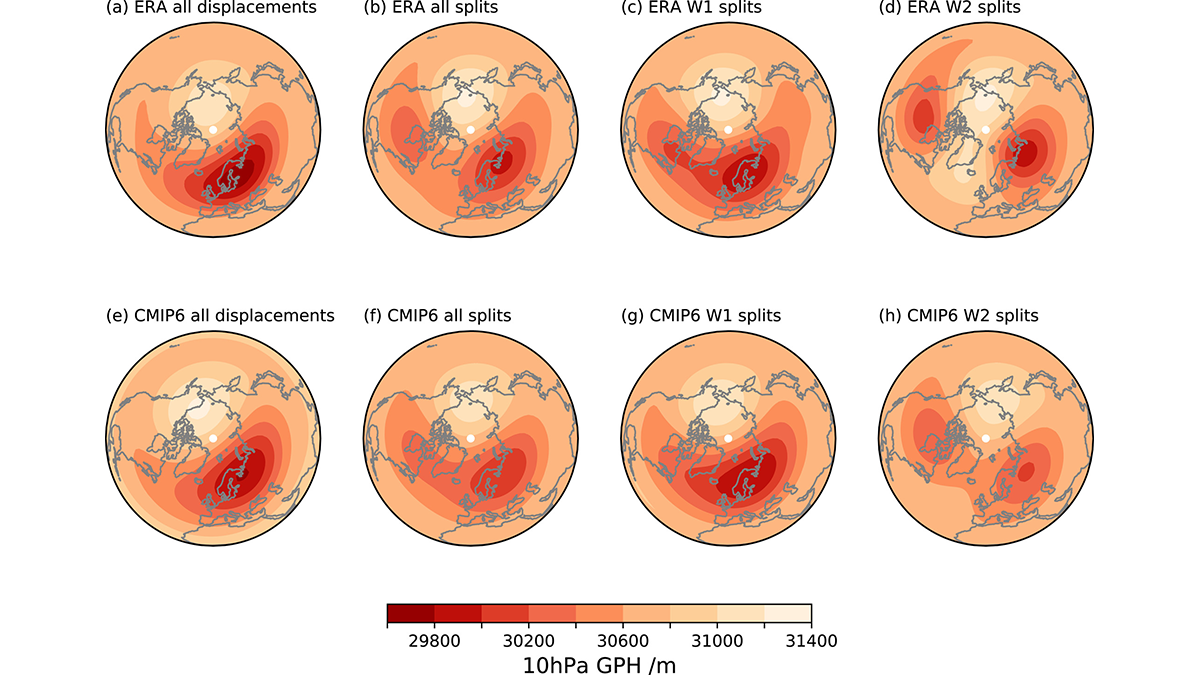
Simulating Surface Impacts of Stratospheric Sudden Warmings
New evaluations of climate model simulations show how the stratosphere polar vortex couples to surface weather.
Posted inEditors' Highlights
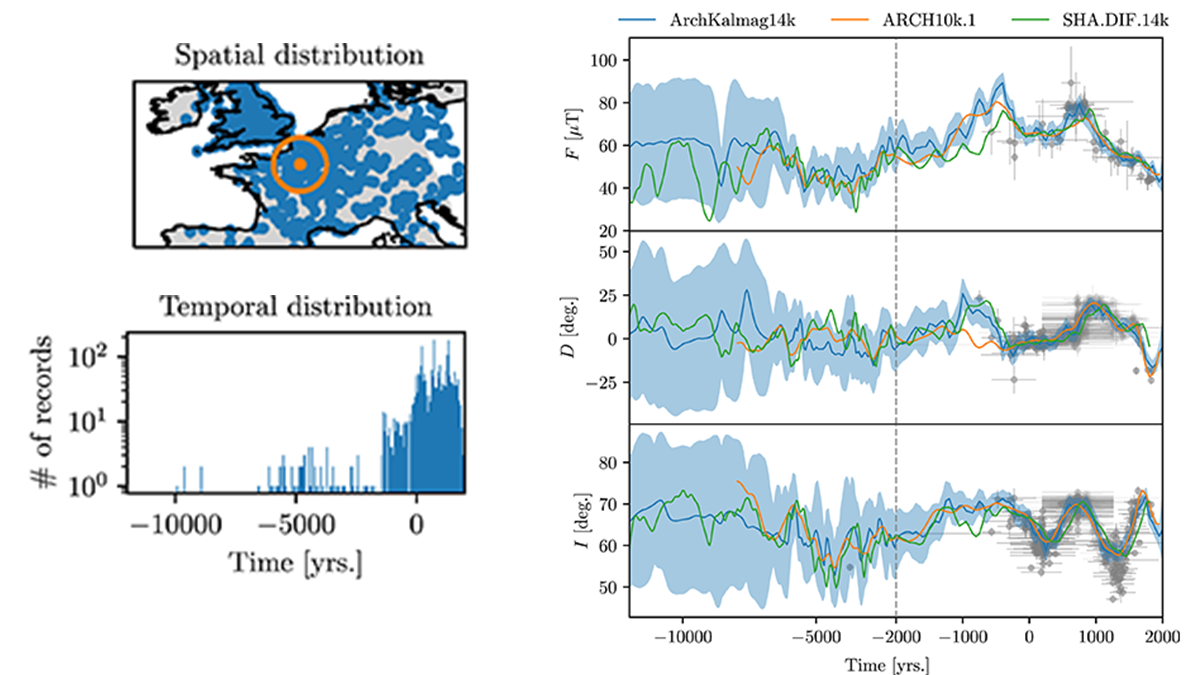
Time-Step Filtering in Holocene Global Magnetic Field Models
Through a local fixed time-step filter, global Holocene magnetic field models remain mathematically tractable refining our insight into field variability and improving archeological dating.
Posted inEditors' Highlights
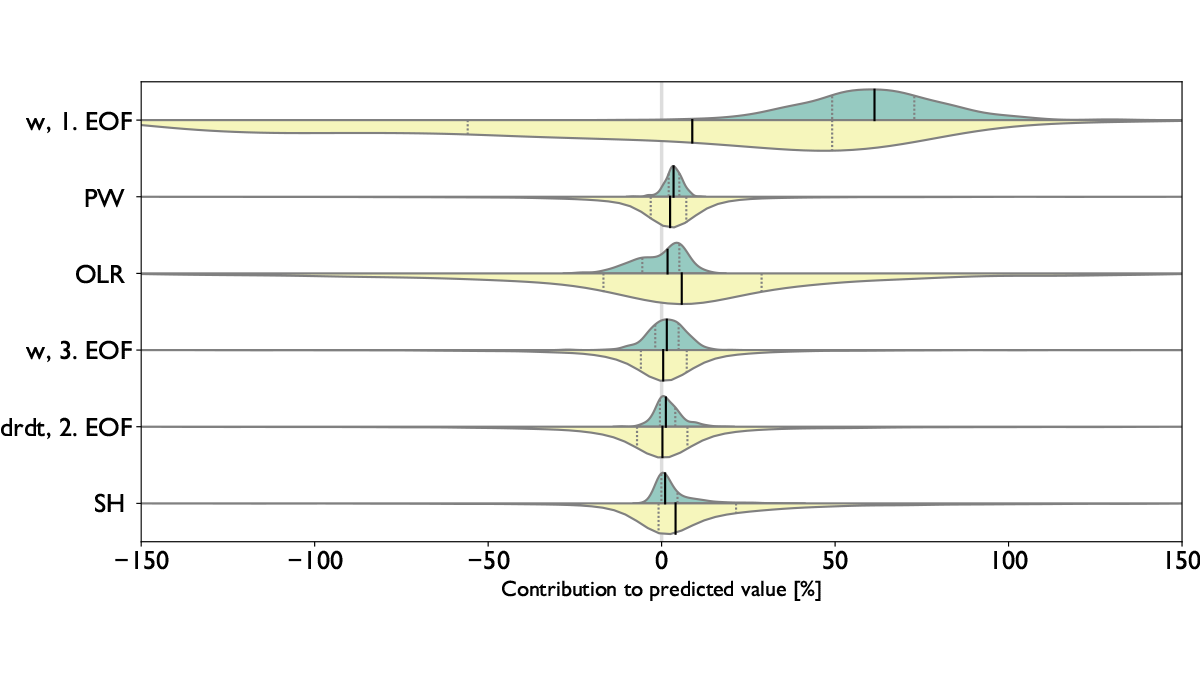
Using Artificial Intelligence to Study Convection
Machine learning techniques are used to examine relationships between the large-scale state of the atmosphere, the convection total area, and the degree of organization in northern Australia.
Posted inEditors' Highlights
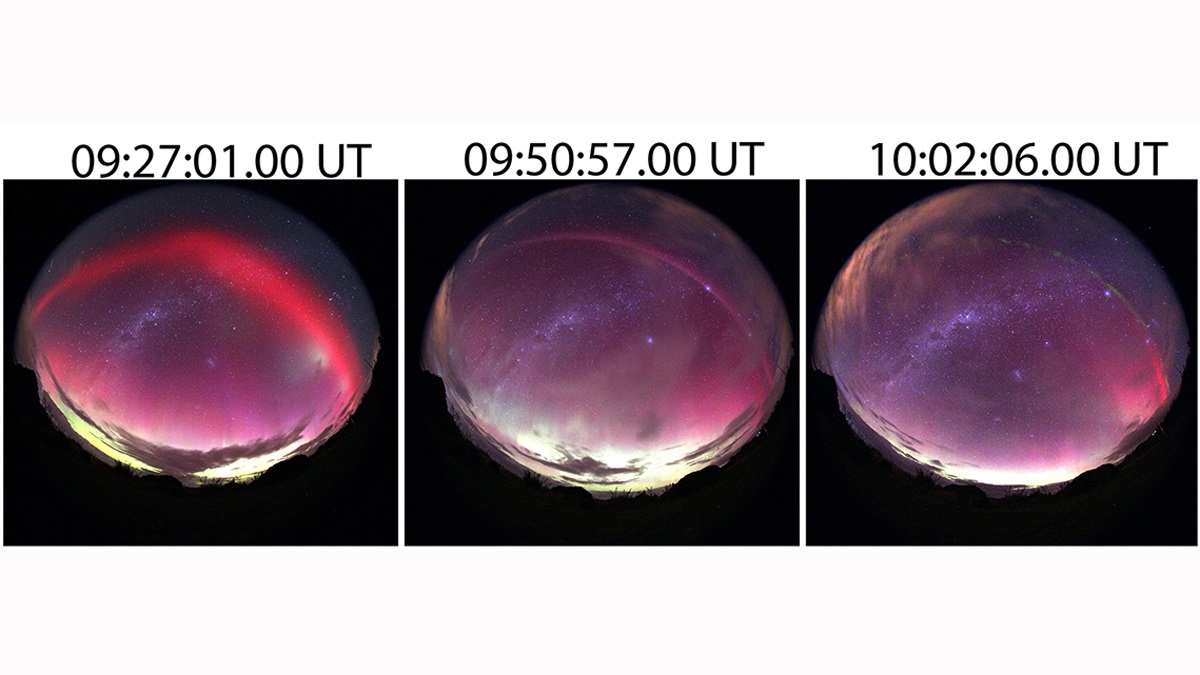
Uncovering the Mysterious STEVE Aurora
Scientists present the first direct observations on the rapid evolution of a bright red auroral arc into a thin white-mauve arc known as STEVE.
Posted inEditors' Highlights
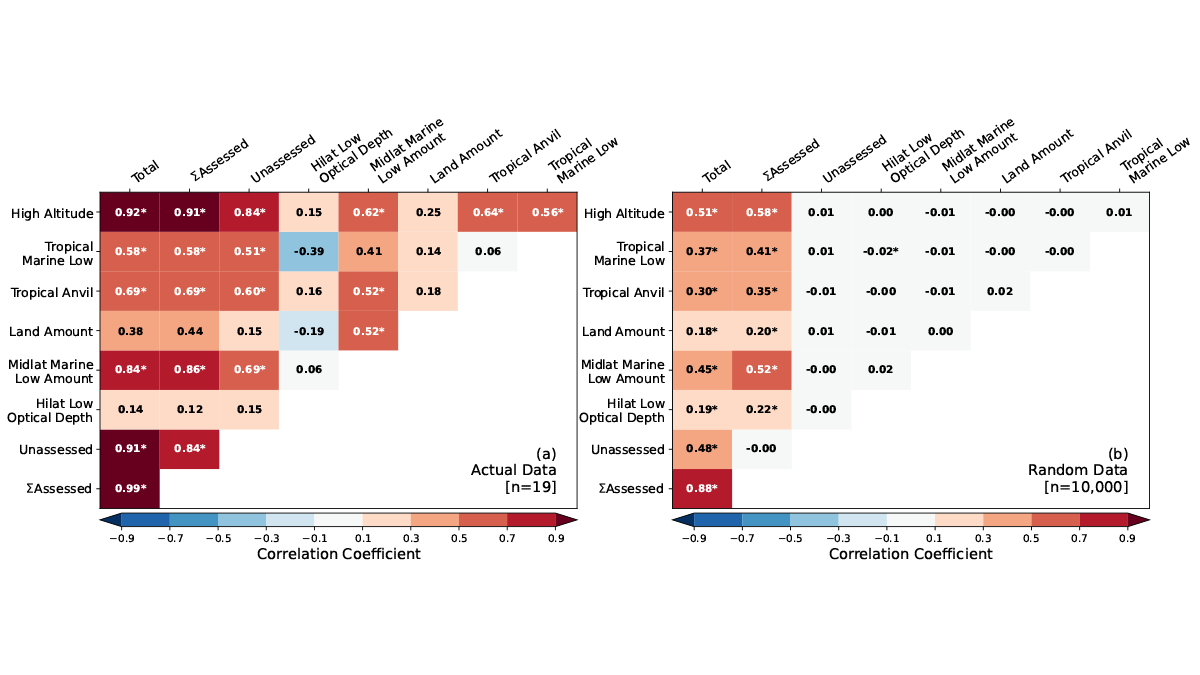
Cloud Feedbacks in CMIP6 Models Versus Expert Synthesis
Models with smallest feedback errors are found to have moderate cloud feedbacks and equilibrium climate sensitivity of 3 to 4 degrees of warming when the concentration of carbon dioxide is doubled.