

The Brazilian scientist is one of the leading voices in the movement to bring a rare fossil back to Brazil.
Features
Posted inFeatures
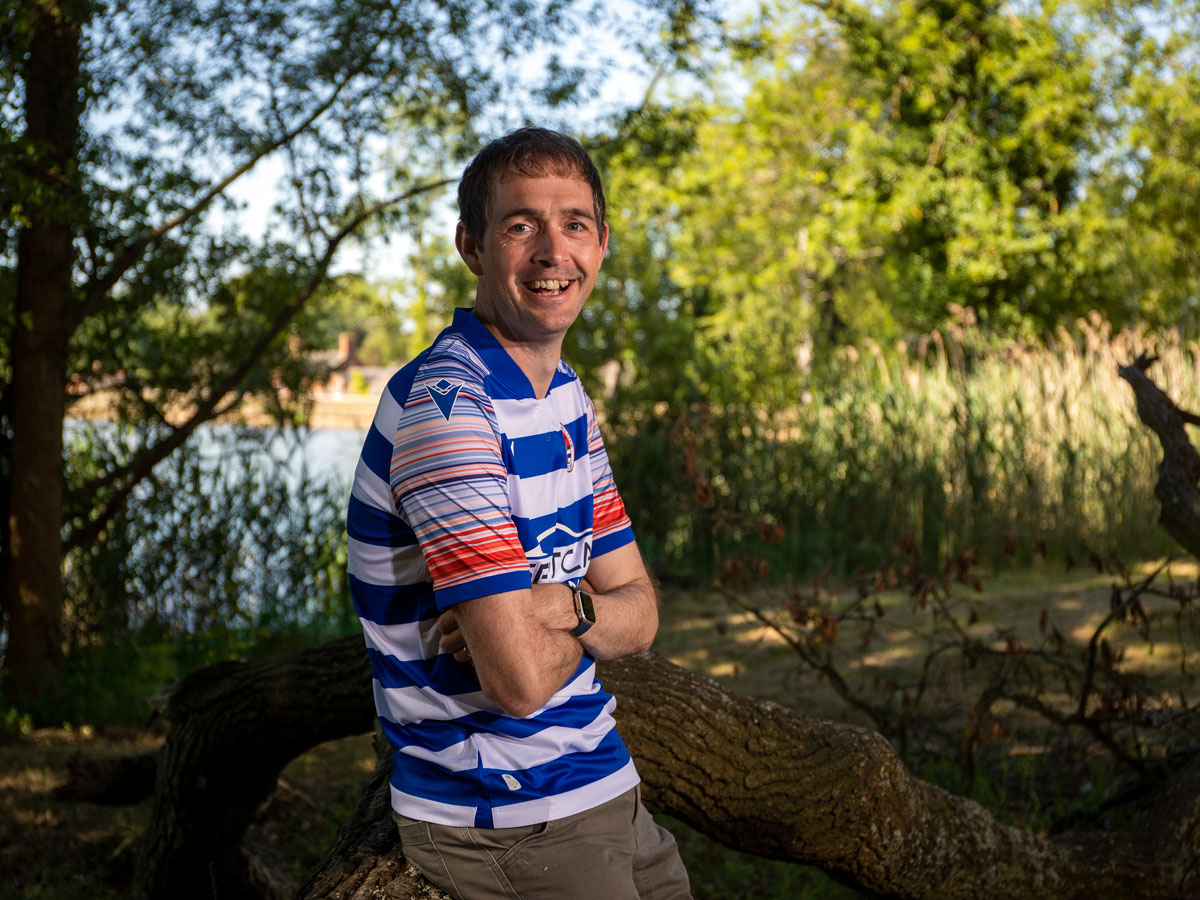
Ed Hawkins: Communicating a Changing Climate
The British scientist is the creator of climate stripes, the now-ubiquitous visual representation of climate change.

Posted inFeatures
Hig Higman: Trekking Across the Last Frontier on the Hunt for Geohazards
Higman specializes in human-powered research expeditions in Alaska’s epic landscape.
Posted inFeatures
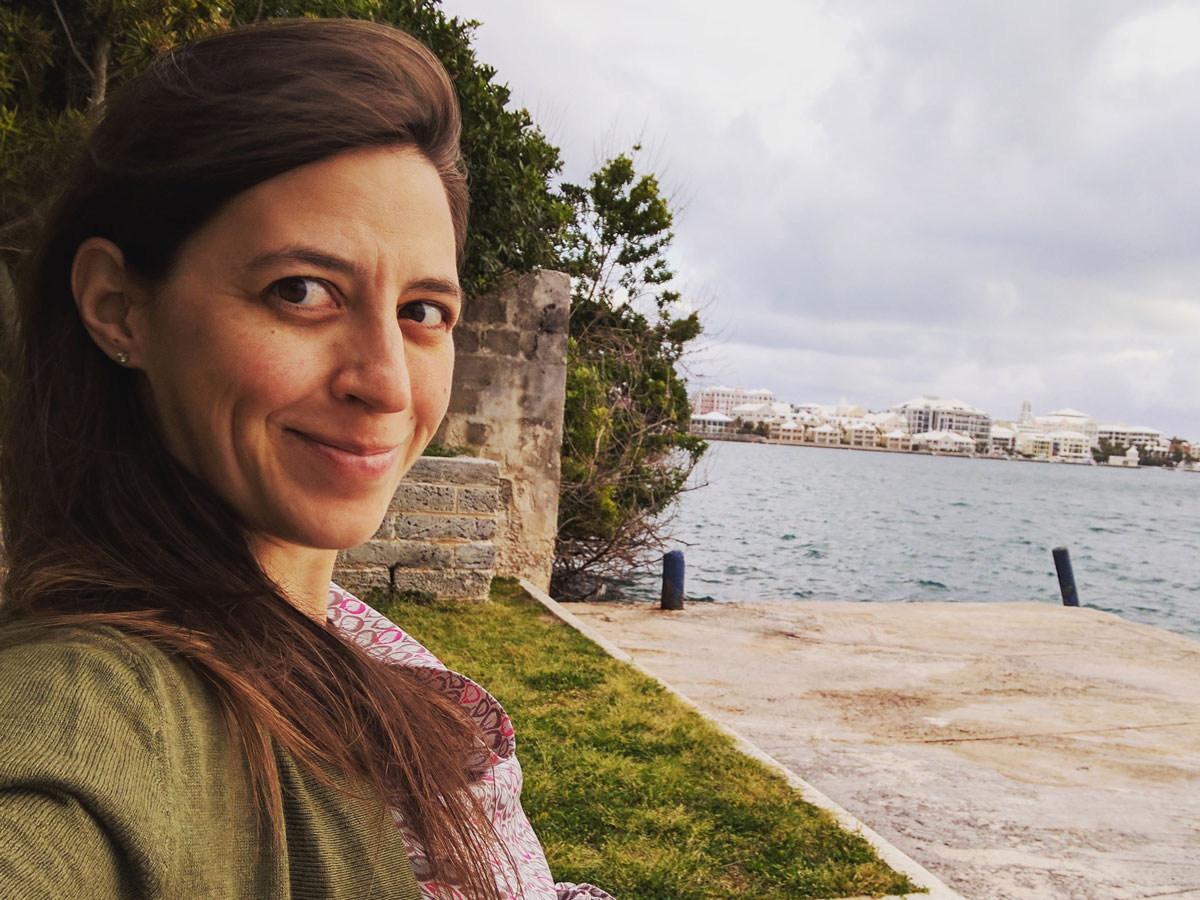
Kelly Hereid: Modeling Catastrophes for Insurers

A geoscientist helps homeowners and businesses adapt to worsening wildfires, storms, and floods.

Posted inFeatures
Collins Gameli Hodoli: Air Quality Is Data Driven
The environmental scientist is making pollution levels public to draw nonscientists into the fight for clean air.
Posted inFeatures
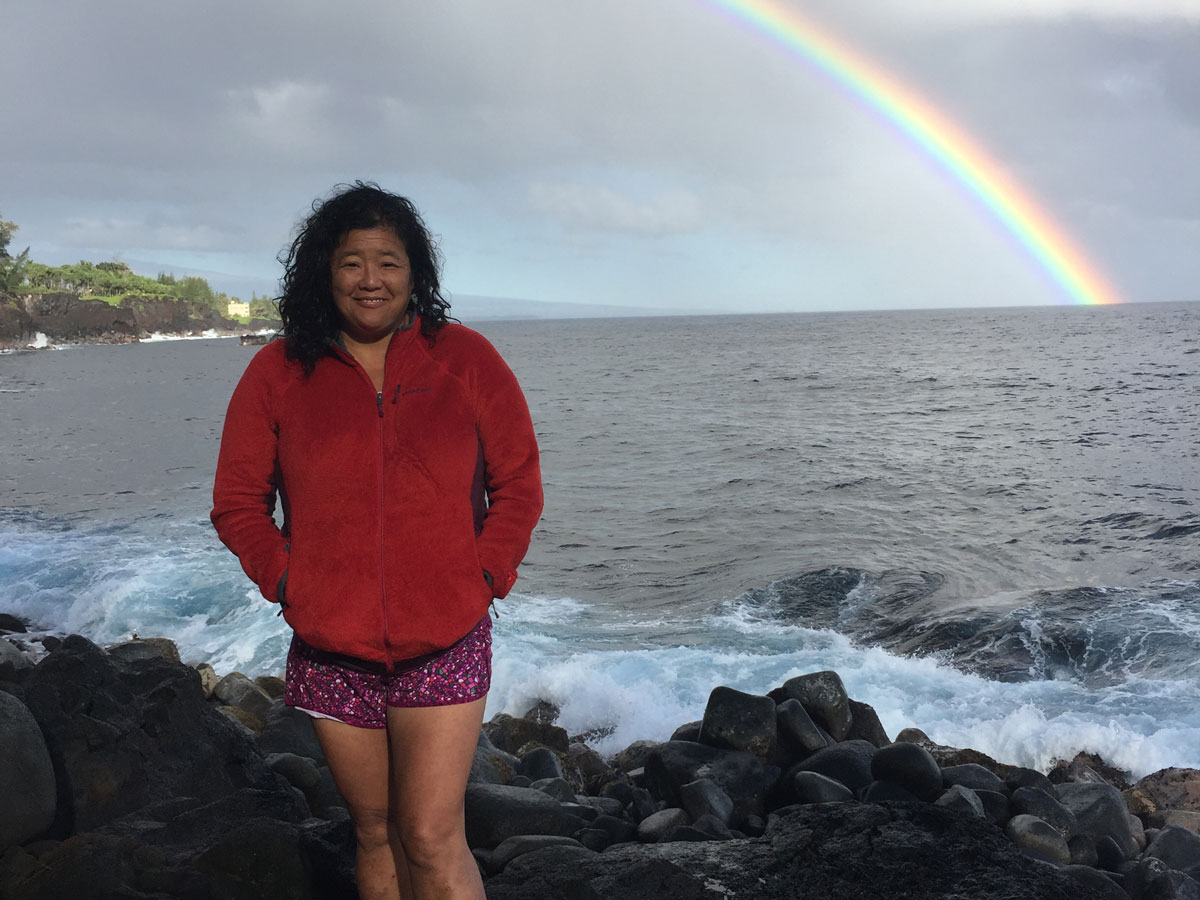
Eiko Kitao: Fossil Hunter and Passionate Educator
From uncovering giant ground sloths to helping build a fossil database, Kitao goes above and beyond as a laboratory technician at Santa Barbara City College.

Posted inFeatures
Christopher Kyba: Luck in Light Pollution

A series of serendipitous encounters shaped Kyba’s path from particle physicist to dark sky defender.

Posted inFeatures
Frances Lightsom: Pivoting to Information Management
Frances Lightsom started her career as an oceanographer. Then she found delight in data.

Posted inFeatures
Erin Macdonald: Putting the Science in Science Fiction
The “Julia Child of science” makes science accessible through pop culture.

Posted inFeatures
Cee Nell: Making Data Visual
Nell turns vast columns of data into beautiful and understandable graphics.