

Researchers construct a world where nuclear energy everywhere is replaced with coal, with stark consequences for human health and the environment.
Research Spotlights
Research spotlights are plain-language summaries of recent articles published in AGU’s suite of 24 journals.
Posted inResearch Spotlights
New GPS Satellite Technique to Monitor Ionospheric Disturbances
Researchers are developing better ways to use satellites to understand space weather events that can interfere with technology.

Posted inResearch Spotlights
How Oceans Could Change If We Reverse Anthropogenic Warming
A computer simulation shows a net increase in primary production by phytoplankton if climate change were mitigated by 2200 but also indicates big changes in the makeup of those species.
Posted inResearch Spotlights
What Causes the Strange Pulses in Saturn's Magnetosphere?

A new model shows that a spiral wave may explain why many phenomena in the gas giant's magnetosphere undergo periodic cycles.

Posted inResearch Spotlights
The North Atlantic Ocean's Missing Heat Is Found in Its Depths

In the 2000s, the North Atlantic stopped absorbing as much atmospheric warmth. However, the ocean lost only a little heat—the rest was held deeper below the surface by altered circulation patterns.
Posted inResearch Spotlights
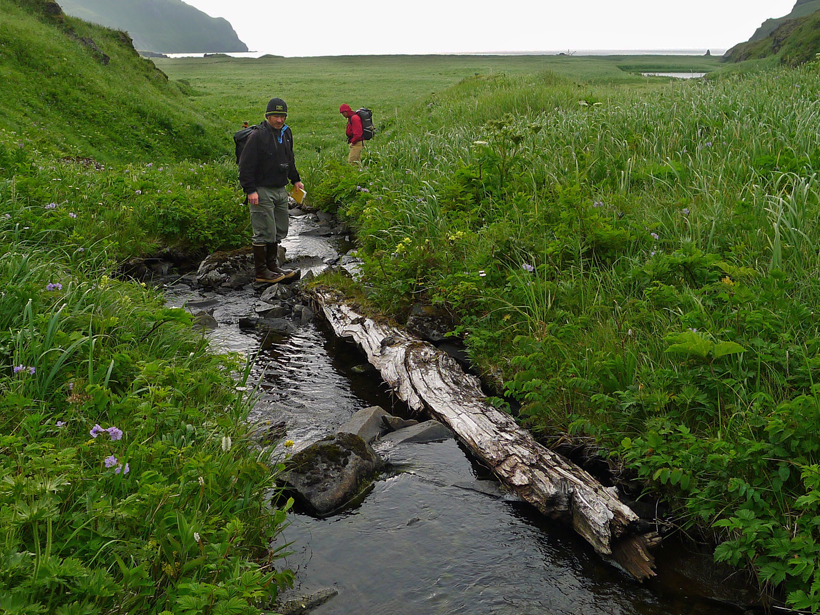
Unknown Tsunami Trigger Hides Along a Creeping Aleutian Fault
A seismically quiet part of the Aleutian Subduction Zone may have caused tsunamis in the past—and may cause future tsunamis that could travel across the Pacific Ocean.

Posted inResearch Spotlights
Characterizing Interglacial Periods over the Past 800,000 Years
Researchers identified 11 different interglacial periods over the past 800,000 years, but the interglacial period we are experiencing now may last an exceptionally long time.
Posted inResearch Spotlights
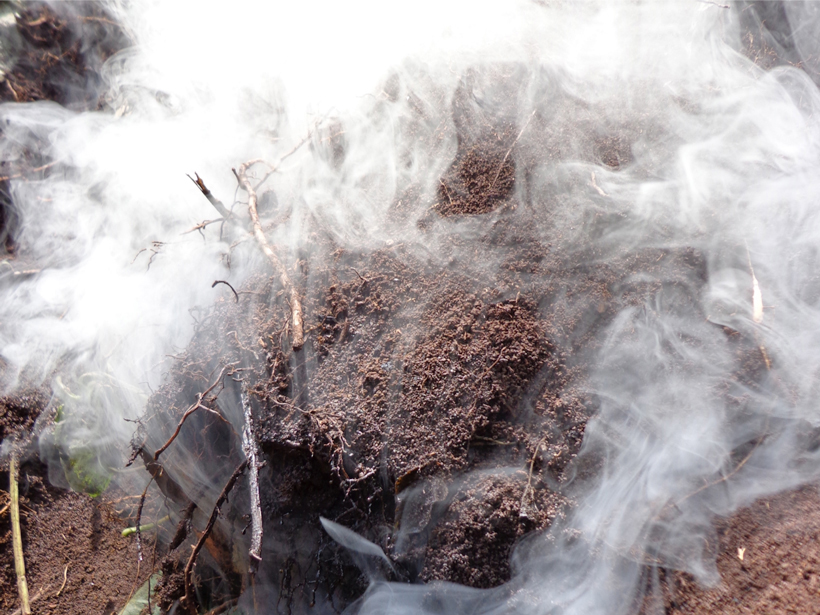
Soil Loses Pyrogenic Carbon by an Unexpected Pathway
Fresh insight into pyrogenic carbon disappearance suggests that erosion is not responsible.
Posted inResearch Spotlights
Are Earthquakes Predictable?

Researchers have been searching for precursory warning signals for decades with little success.
Posted inResearch Spotlights
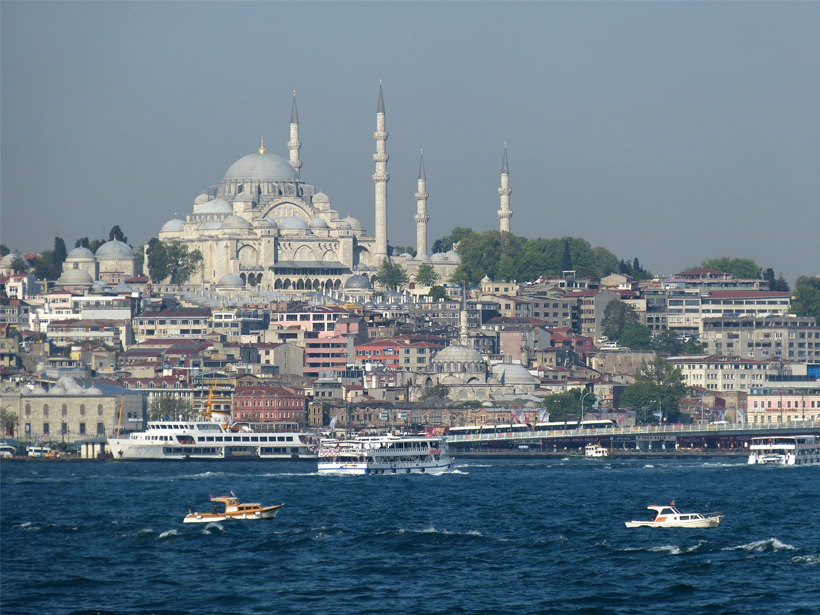
Characterizing the Fault Beneath the Marmara Sea
Researchers mine seismic wave data to elucidate the stress relief system of the Main Marmara Fault beneath Turkey's inland sea.