• About
  • Special Reports
  • Topics
    • Climate
    • Earth Science
    • Oceans
    • Space & Planets
    • Health & Ecosystems
    • Culture & Policy
    • Education & Careers
    • Opinions
  • Projects
    • Postcards From the Field
    • ENGAGE
    • Editors’ Highlights
    • Editors’ Vox
    • Eos en Español
    • Eos 简体中文版
    • Print Archive: 2015–2025
  • Policy Tracker
  • Blogs
    • Research & Developments
    • The Landslide Blog
  • Newsletter
  • Submit to Eos
  • AGU.org
  • Career Center
  • Join AGU
  • Give to AGU
  • About
  • Special Reports
  • Topics
    • Climate
    • Earth Science
    • Oceans
    • Space & Planets
    • Health & Ecosystems
    • Culture & Policy
    • Education & Careers
    • Opinions
  • Projects
    • Postcards From the Field
    • ENGAGE
    • Editors’ Highlights
    • Editors’ Vox
    • Eos en Español
    • Eos 简体中文版
    • Print Archive: 2015–2025
  • Policy Tracker
  • Blogs
    • Research & Developments
    • The Landslide Blog
  • Newsletter
  • Submit to Eos
Skip to content
  • AGU.org
  • Career Center
  • Join AGU
  • Give to AGU
Eos

Eos

Science News by AGU

Support Eos
Sign Up for Newsletter
  • About
  • Special Reports
  • Topics
    • Climate
    • Earth Science
    • Oceans
    • Space & Planets
    • Health & Ecosystems
    • Culture & Policy
    • Education & Careers
    • Opinions
  • Projects
    • Postcards From the Field
    • ENGAGE
    • Editors’ Highlights
    • Editors’ Vox
    • Eos en Español
    • Eos 简体中文版
    • Print Archive: 2015–2025
  • Policy Tracker
  • Blogs
    • Research & Developments
    • The Landslide Blog
  • Newsletter
  • Submit to Eos

ENGAGE

Exoplanet climate
Posted inENGAGE, News

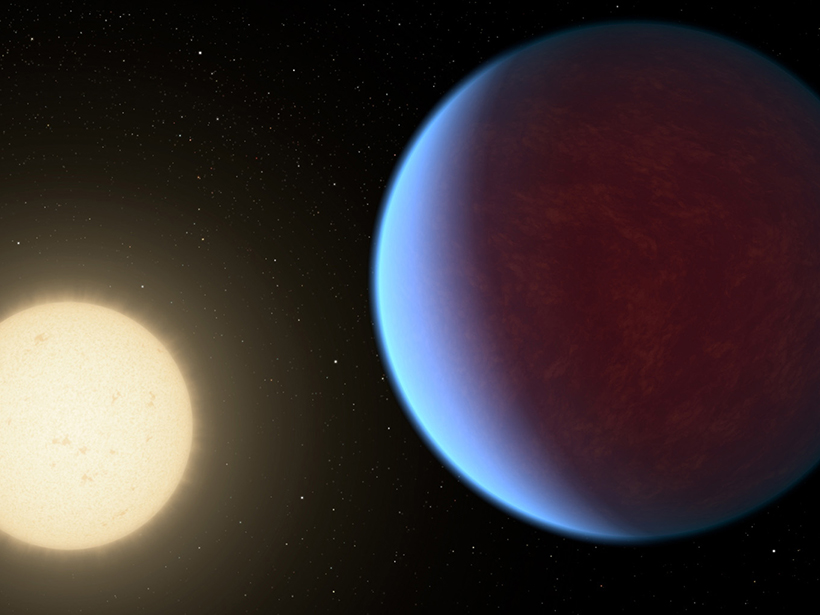
Modeling the Climates of Worlds Beyond Earth

Katherine Kornei, Science Writer by Katherine Kornei 14 January 201930 March 2023

Scientists are applying climate models to distant planets to determine their habitability.

Spinach rooftop garden experiment at Boston University
Posted inENGAGE, News

Rooftop Gardens Make Use of the Air We Breathe Below

by S. Bates 9 January 201930 March 2023

Growing plants near building air vents may help them grow better, while reducing the carbon emissions from the people exhaling inside.
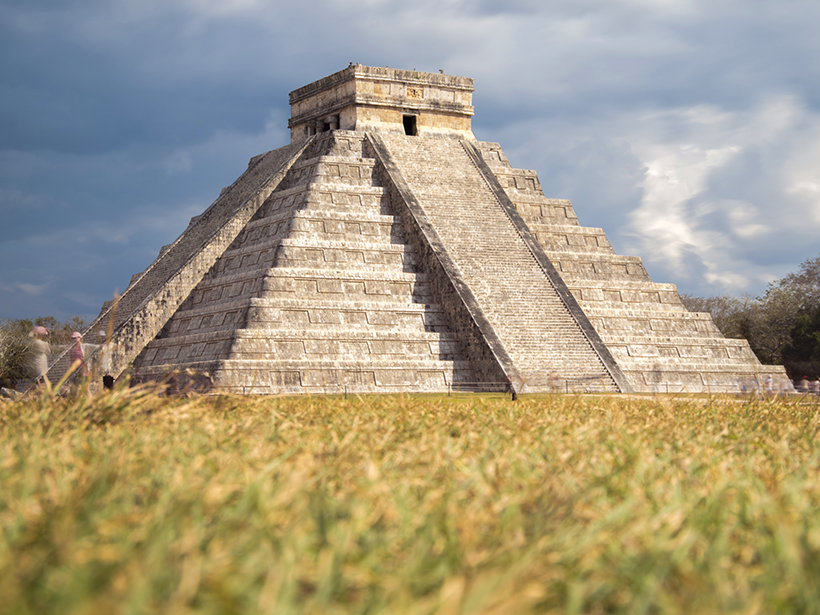
El Castillo, a pyramid in the ancient Maya city of Chichén Itzá.
Posted inENGAGE, News

Severe Drought May Have Helped Hasten Ancient Maya’s Collapse

Jenessa Duncombe, Staff Writer by Jenessa Duncombe 2 August 201821 March 2022

Chemical signatures from sediments in lake cores reveal that the centuries-long drought during the fall of Classic Maya civilization was worse than researchers had imagined.

Joanna Morgan and Sean Gulick, lead scientists of the recent Chicxulub drilling expedition.
Posted inENGAGE, News

After Obliteration, How Long Until Life Returned?

Katherine Kornei, Science Writer by Katherine Kornei 15 December 201723 March 2023

By studying the Chicxulub crater associated with the extinction of more than 75% of species then on Earth, researchers have begun to fill in a timeline for life’s rebound after the cataclysm.

Posts pagination

Newer posts 1 … 24 25 26
Over a dark blue-green square appear the words Special Report: The State of the Science 1 Year On.

Features from AGU Publications

Research Spotlights

Rapid-Scan Satellite Data Offer Clues to Typhoon Intensity

17 November 202617 November 2026
Editors' Highlights

Rethinking Where Rivers Begin

18 November 202616 November 2026
Editors' Vox

Bringing Python Solutions to Earth Science Challenges

19 November 202619 November 2026
Eos logo at left; AGU logo at right

About Eos
ENGAGE
Awards
Contact

Advertise
Submit
Career Center
Sitemap

© 2026 American Geophysical Union. All rights reserved Powered by Newspack