


A new study uses data from the Tropical Rainfall Measuring Mission to demonstrate that electrified storms in the tropics are 10 times larger over the ocean than those over land.
Research Spotlights
Research spotlights are plain-language summaries of recent articles published in AGU’s suite of 24 journals.
Posted inResearch Spotlights
Underwater Gliders Find Swirling Vortices of Warm, Salty Water
Vortices formed off the west coast of Sardinia could play a large role in Mediterranean water circulation and mixing and are significant for marine ecosystems and regional climate.

Posted inResearch Spotlights
Seismic Signals Reveal Changes in Water Release from Glaciers

Seismometers could help scientists monitor elusive fluctuations in water discharge from glaciers that flow into the ocean.
Posted inResearch Spotlights
Protecting Communications Satellites from Space Weather
A recent analysis of proprietary telecommunications data identifies a potential source of anomalous satellite component performance, and what can be done to prevent this from happening in the future.

Posted inResearch Spotlights
Curiosity Rover Finds Organic Molecules on Martian Surface
Scientists assess the present and past habitability of Mars from organic compounds detected at Gale Crater.
Posted inResearch Spotlights
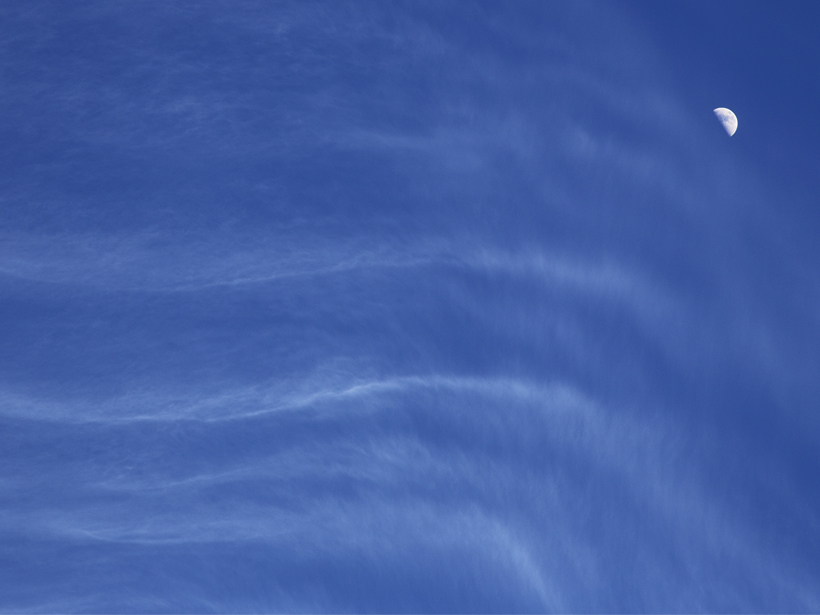
Atmospheric Waves Help Cool Our Planet
A new method makes a direct estimate of the impact of atmospheric waves on water vapor concentrations in the stratosphere.
Posted inResearch Spotlights
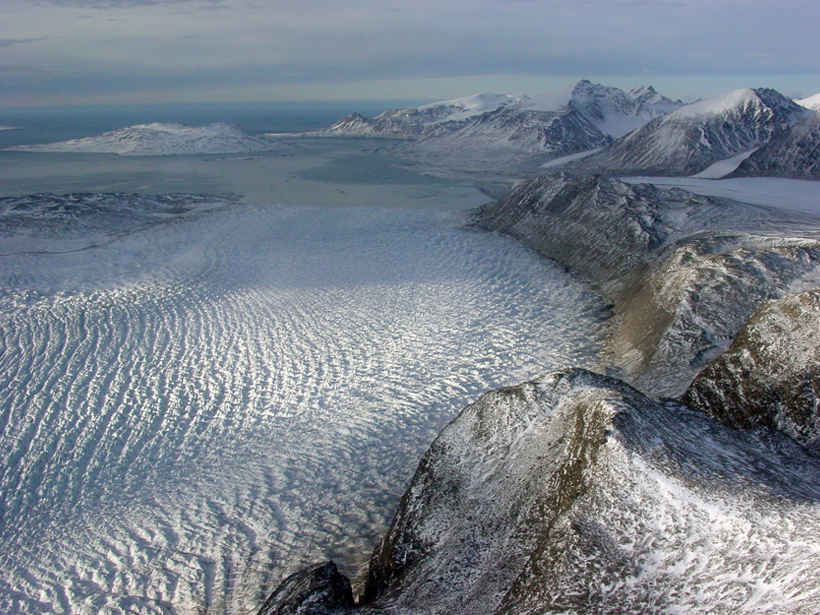
Near-Surface Aquifer Discovered on Svalbard Glacier

Arctic glacier aquifer may respond more rapidly to climate change than larger aquifers found on the Greenland ice sheet.

Posted inResearch Spotlights
Efficiently Predicting Shallow Landslide Size and Location
New mathematical approach lets researchers analyze potentially unstable slopes in three dimensions without testing every possible landslide shape.
Posted inResearch Spotlights
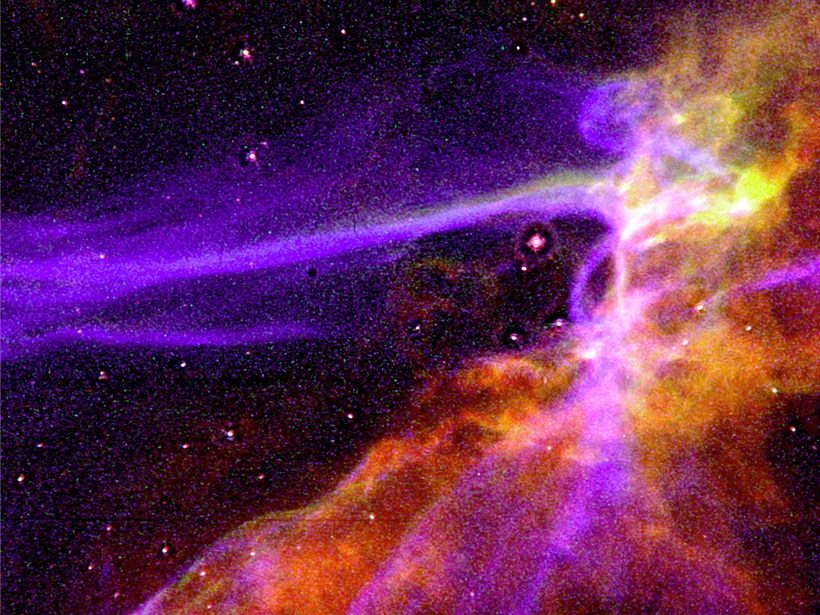
Magnetized Collisionless Shock Waves Measured in the Lab
Scientists create collisionless shock waves to better understand the phenomenon in nature.
Posted inResearch Spotlights
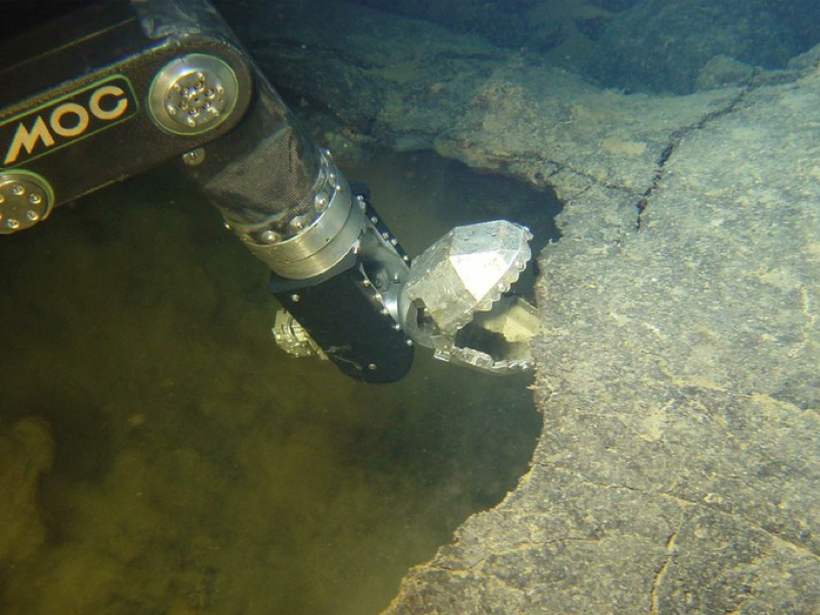
New Insights into the Composition of Inner Earth

Isotopic signatures in volcanic basalts show that Earth's interior is even less uniform than scientists previously thought.