• About
  • Special Reports
  • Topics
    • Climate
    • Earth Science
    • Oceans
    • Space & Planets
    • Health & Ecosystems
    • Culture & Policy
    • Education & Careers
    • Opinions
  • Projects
    • Postcards From the Field
    • ENGAGE
    • Editors’ Highlights
    • Editors’ Vox
    • Eos en Español
    • Eos 简体中文版
    • Print Archive: 2015–2025
  • Policy Tracker
  • Blogs
    • Research & Developments
    • The Landslide Blog
  • Newsletter
  • Submit to Eos
  • AGU.org
  • Career Center
  • Join AGU
  • Give to AGU
  • About
  • Special Reports
  • Topics
    • Climate
    • Earth Science
    • Oceans
    • Space & Planets
    • Health & Ecosystems
    • Culture & Policy
    • Education & Careers
    • Opinions
  • Projects
    • Postcards From the Field
    • ENGAGE
    • Editors’ Highlights
    • Editors’ Vox
    • Eos en Español
    • Eos 简体中文版
    • Print Archive: 2015–2025
  • Policy Tracker
  • Blogs
    • Research & Developments
    • The Landslide Blog
  • Newsletter
  • Submit to Eos
Skip to content
  • AGU.org
  • Career Center
  • Join AGU
  • Give to AGU
Eos

Eos

Science News by AGU

Support Eos
Sign Up for Newsletter
  • About
  • Special Reports
  • Topics
    • Climate
    • Earth Science
    • Oceans
    • Space & Planets
    • Health & Ecosystems
    • Culture & Policy
    • Education & Careers
    • Opinions
  • Projects
    • Postcards From the Field
    • ENGAGE
    • Editors’ Highlights
    • Editors’ Vox
    • Eos en Español
    • Eos 简体中文版
    • Print Archive: 2015–2025
  • Policy Tracker
  • Blogs
    • Research & Developments
    • The Landslide Blog
  • Newsletter
  • Submit to Eos

EPA

Many large pipes in a room
Posted inNews

Unregulated Industrial Contaminants Detected in Some U.S. Drinking Water

Adityarup Chakravorty, freelance science writer by Adityarup Chakravorty 11 February 202524 April 2025

Communities of color are more likely to have higher levels of these contaminants in their drinking water.
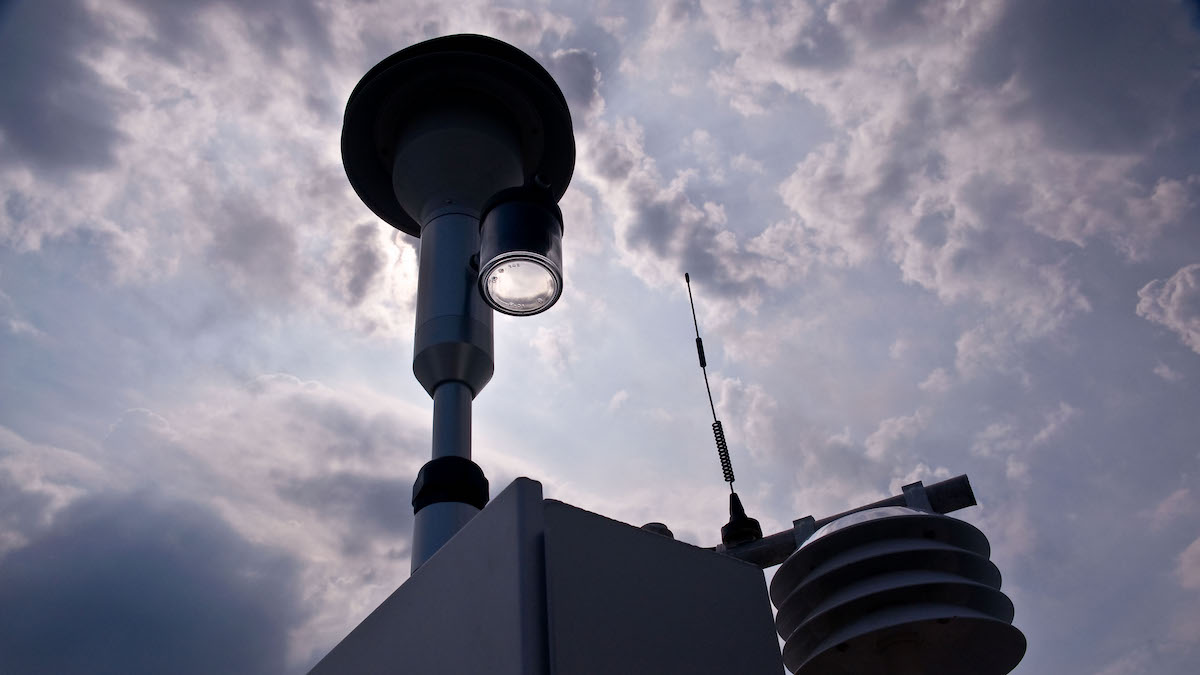
An air monitor seen against a cloudy sky.
Posted inNews

EPA Air Monitoring Network Misses 2.8 Million Americans in Pollution Hot Spots

by Grace van Deelen 1 November 20241 November 2024

Current EPA air monitoring may not capture the extent of particulate air pollution.

A stream in a rocky, high-walled brown desert
Posted inNews

More Than Half of Contiguous U.S. River Water Comes from Ephemeral Streams

by Nathaniel Scharping 29 July 202431 July 2024

The finding has potential implications for water regulations, which don’t currently cover these seasonal streams.

Smokestacks emit clouds of gas at sunset.
Posted inNews

Toxic Ethylene Oxide May Exceed Safe Levels in Cancer Alley

by Grace van Deelen 11 June 202411 June 2024

Concentrations of the cancer-causing chemical far surpass EPA threshold levels for safety in southeastern Louisiana.
Black and white photo looking up the steps of the U.S. Supreme Court building
Posted inOpinions

The Supreme Court Is Bypassing Science—We Can’t Ignore It

by Adam S. Ward and Adell Amos 6 September 202312 September 2023

The court’s exclusion of scientists from the environmental rulemaking process comes full circle as the EPA strips federal protections for wetlands.
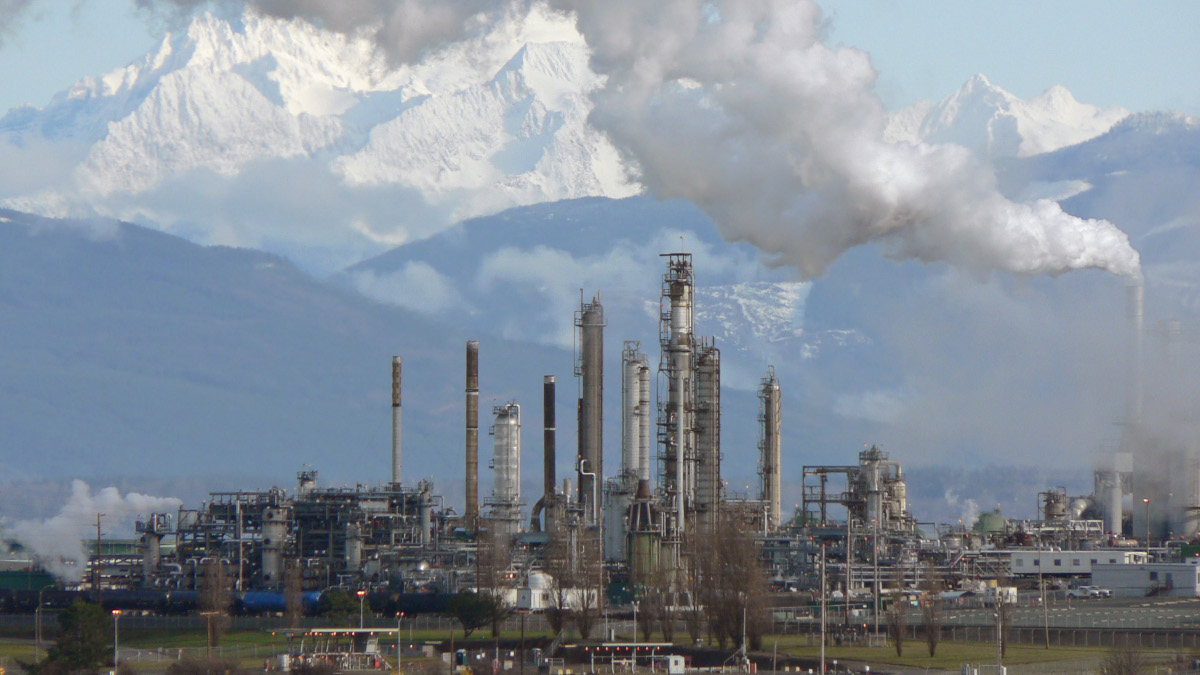
Photograph of a petroleum refinery framed by mountains.
Posted inNews

EPA Air Pollution Proposal Stirs Debate

Jenessa Duncombe, Staff Writer by Jenessa Duncombe 20 April 202320 April 2023

The agency’s proposal to tighten standards for small-particulate pollution has prompted opposing calls for tighter and looser regulations.
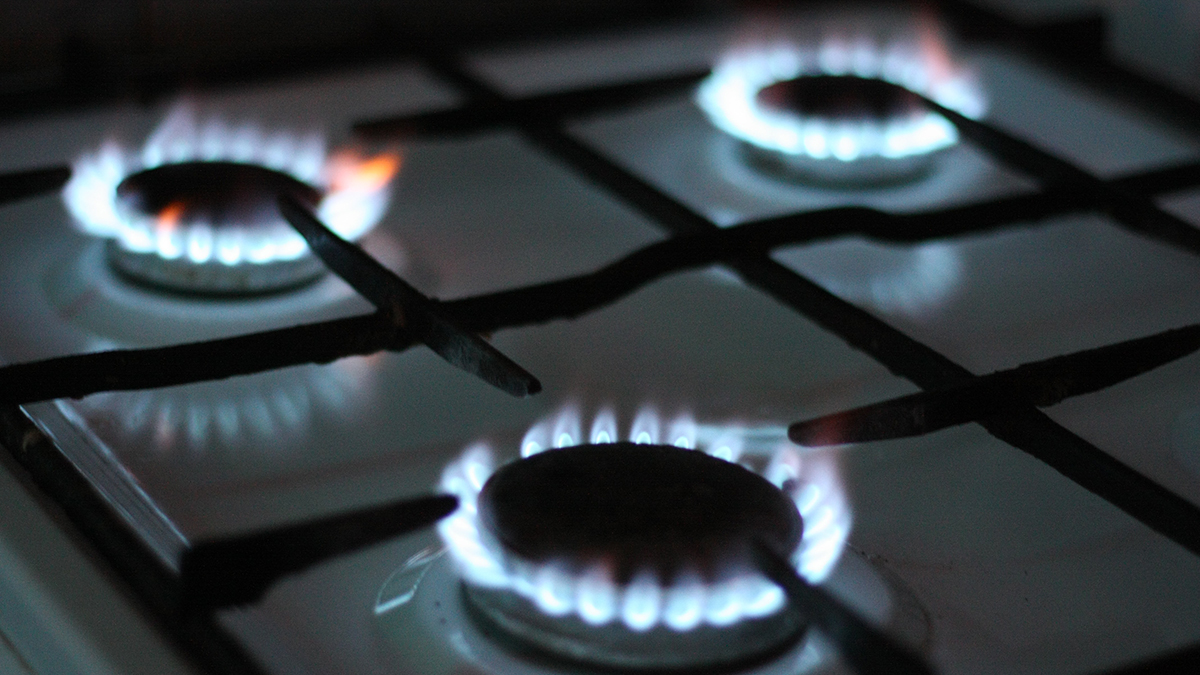
A lit gas stove
Posted inNews

Hazardous Air Pollutants Found in Cooking Stove Gas

Jenessa Duncombe, Staff Writer by Jenessa Duncombe 19 July 202222 December 2022

A Boston study revealed that natural gas piped into homes contained 21 toxins on the EPA’s hazardous air pollutant list.

Posted inNews

Cuantificando los beneficios para la salud de una transición a energías limpias en EE. UU.

Rachel Fritts, Science Writer by Rachel Fritts 23 June 202220 September 2022

Eliminar la contaminación del aire relacionada con la energía en los Estados Unidos podría evitar aproximadamente 50,000 muertes prematuras y ahorrar miles de millones de dólares al año.
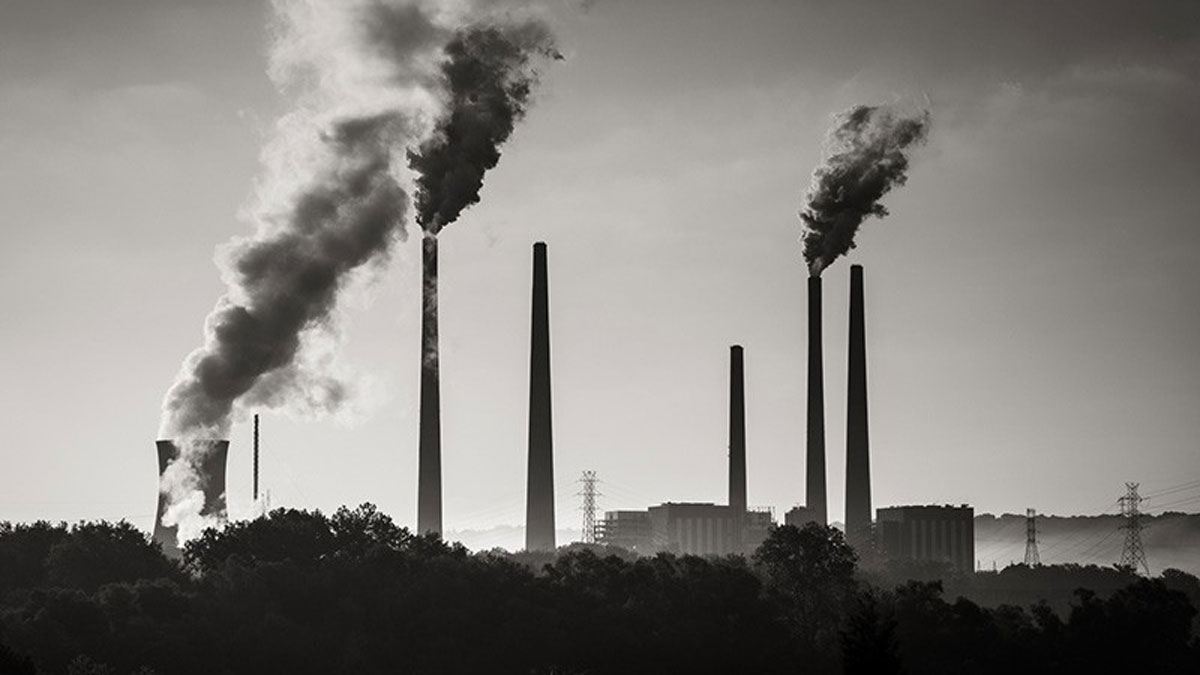
A coal-fired power plant on the Ohio River.
Posted inResearch Spotlights

Quantifying the Health Benefits of a U.S. Clean Energy Transition

Rachel Fritts, Science Writer by Rachel Fritts 23 May 202220 September 2022

Eliminating energy-related air pollution in the United States could prevent roughly 50,000 premature deaths and save billions of dollars per year.

A street in Philadelphia following a winter storm
Posted inENGAGE, Research Spotlights

Road Salts Linked to High Sodium Levels in Tap Water

Sarah Stanley, Science Writer by Sarah Stanley 8 March 202227 August 2025

Use of deicing agents may sometimes raise sodium levels in drinking water beyond healthy limits for people on salt-restricted diets.

Posts pagination

Newer posts 1 2 3 4 5 6 … 8 Older posts
Over a dark blue-green square appear the words Special Report: The State of the Science 1 Year On.

Features from AGU Publications

Research Spotlights

Wind Works: The Atmosphere’s Invisible Energetic Tug-of-War

17 September 202617 September 2026
Editors' Highlights

Seasonality is Changing for Extreme Dry and Humid Heat Events 

18 September 202617 September 2026
Editors' Vox

In Appreciation of AGU’s Outstanding Reviewers of 2025

14 September 202610 September 2026
Eos logo at left; AGU logo at right

About Eos
ENGAGE
Awards
Contact

Advertise
Submit
Career Center
Sitemap

© 2026 American Geophysical Union. All rights reserved Powered by Newspack