
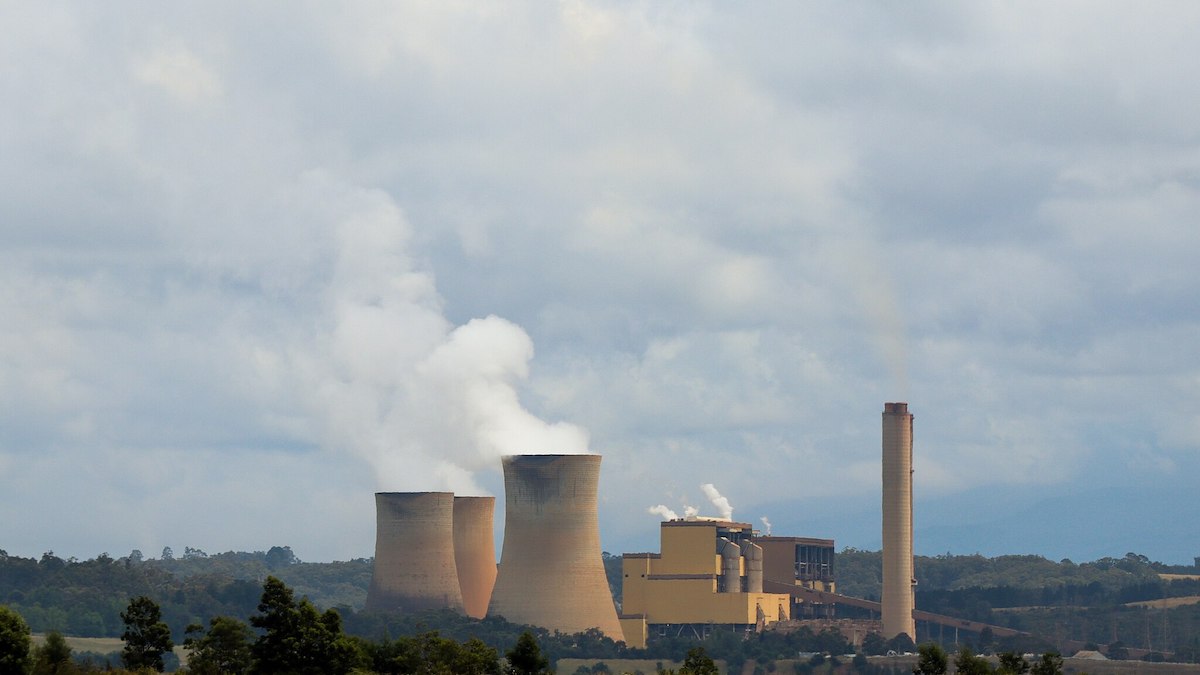

At a 20 February event in Kentucky, the Trump administration announced plans to loosen pollution restrictions for coal-burning power plants, including limits on emissions of mercury, a hazardous neurotoxin.
air pollution
Posted inResearch & Developments
The Endangerment Finding Is Lost
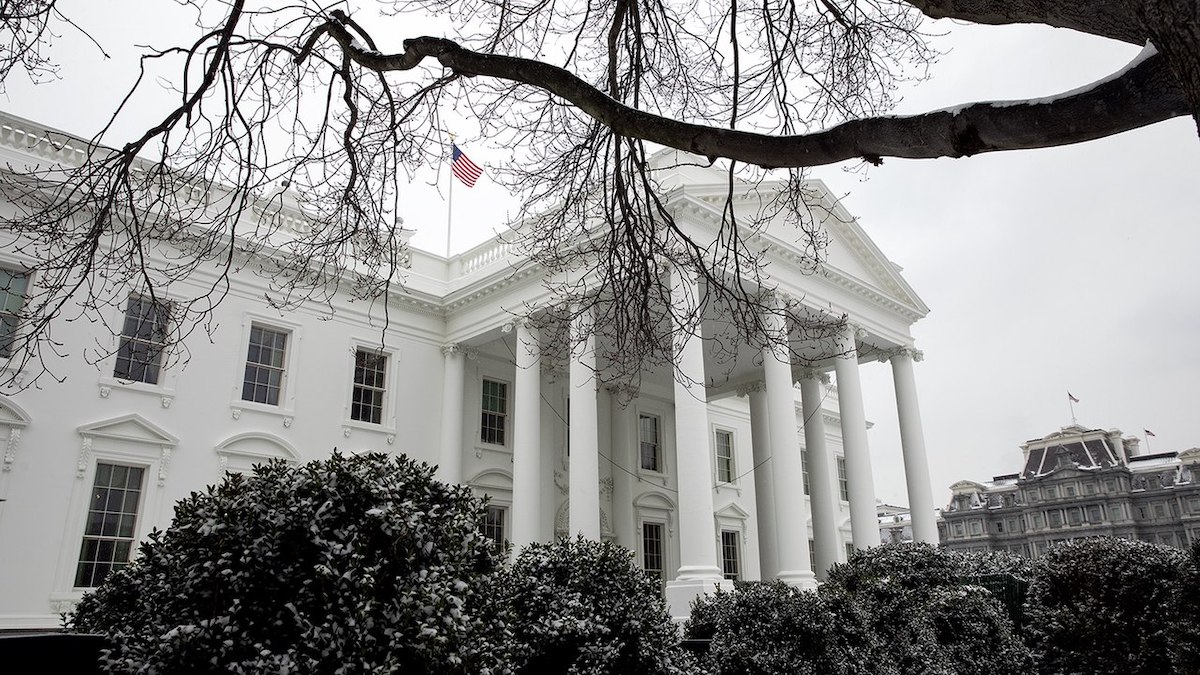
Tomorrow, the EPA will revoke the 2009 Endangerment Finding, finalizing a July proposal to do so, Press Secretary Karoline Leavitt said in a 10 February announcement.

Posted inResearch Spotlights
Which Countries Are Paying the Highest Price for Particulate Air Pollution?
Reducing the effects of air pollution requires estimations of where it costs the most—in both money and lives.
Posted inNews
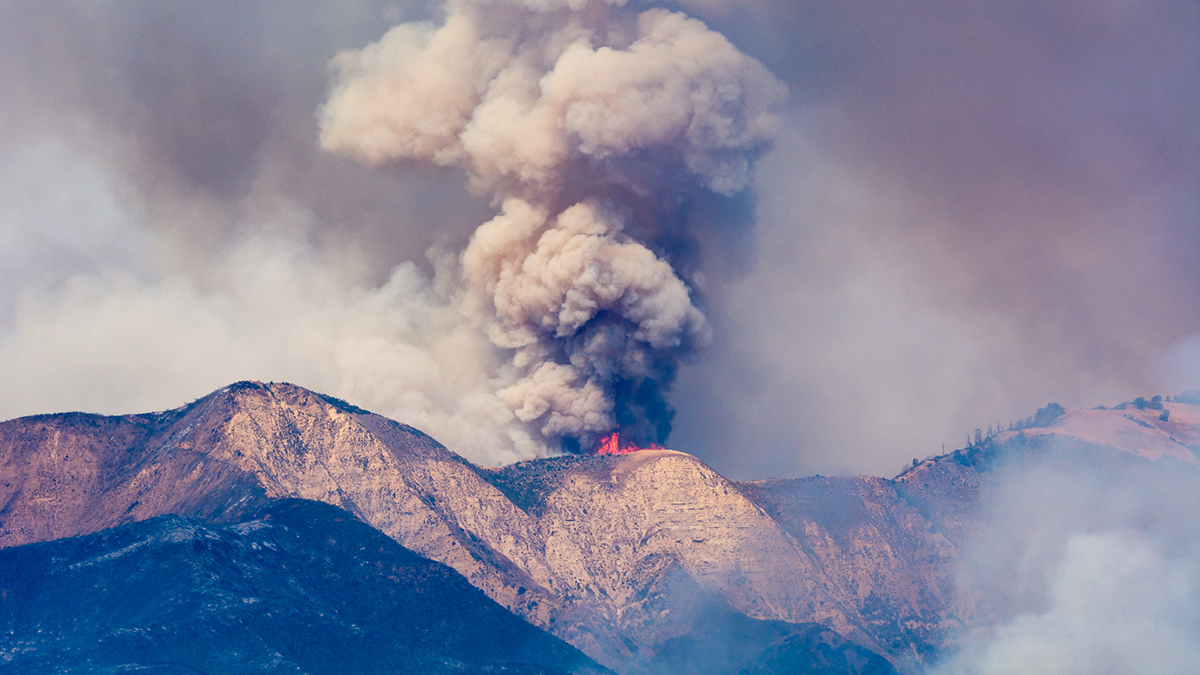
Wildfire Smoke Linked to 17,000 Strokes Annually in the United States

A study of 25 million Medicare participants adds to a body of evidence suggesting that prolonged exposure to wildfire smoke is more harmful to human health than other forms of air pollution.
Posted inReport
The State of the Science 1 Year On: Environment
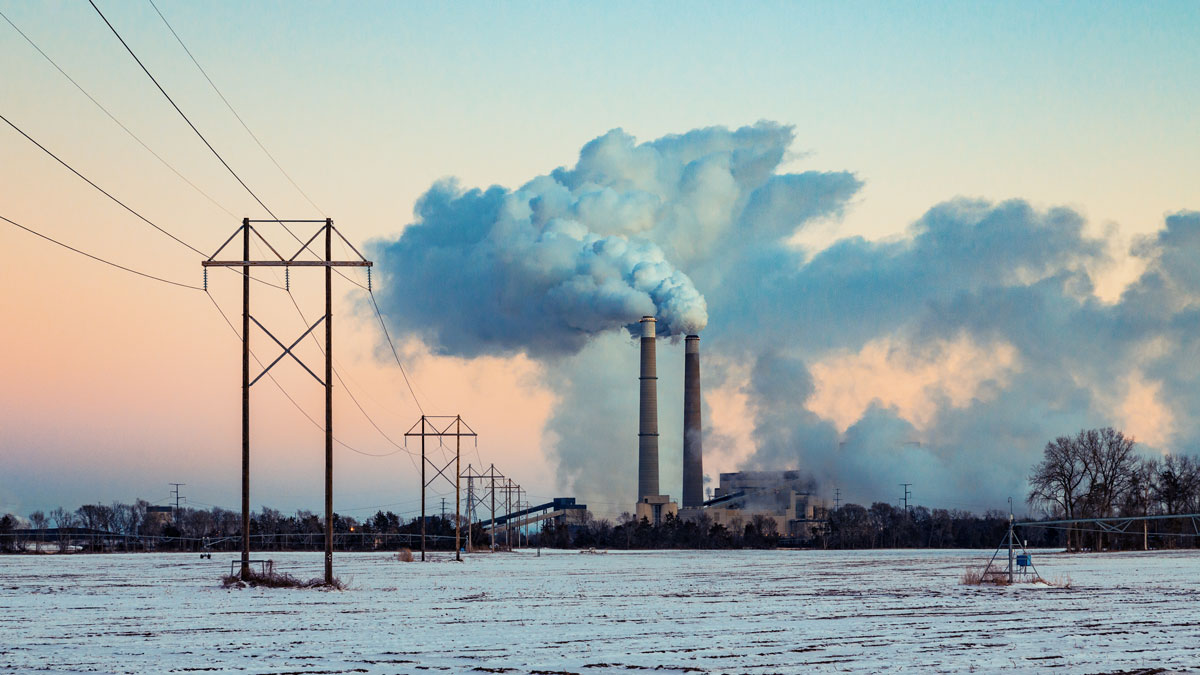
Administration policies have eliminated funding sources, review processes, and pollution limits designed to protect the nation’s land, water, and air.

Posted inNews
New Insights into the Foggy Role of Contrails Within Clouds
New research helps clarify how frequently contrails form within clouds and what that means for their effect on the climate.
Posted inNews
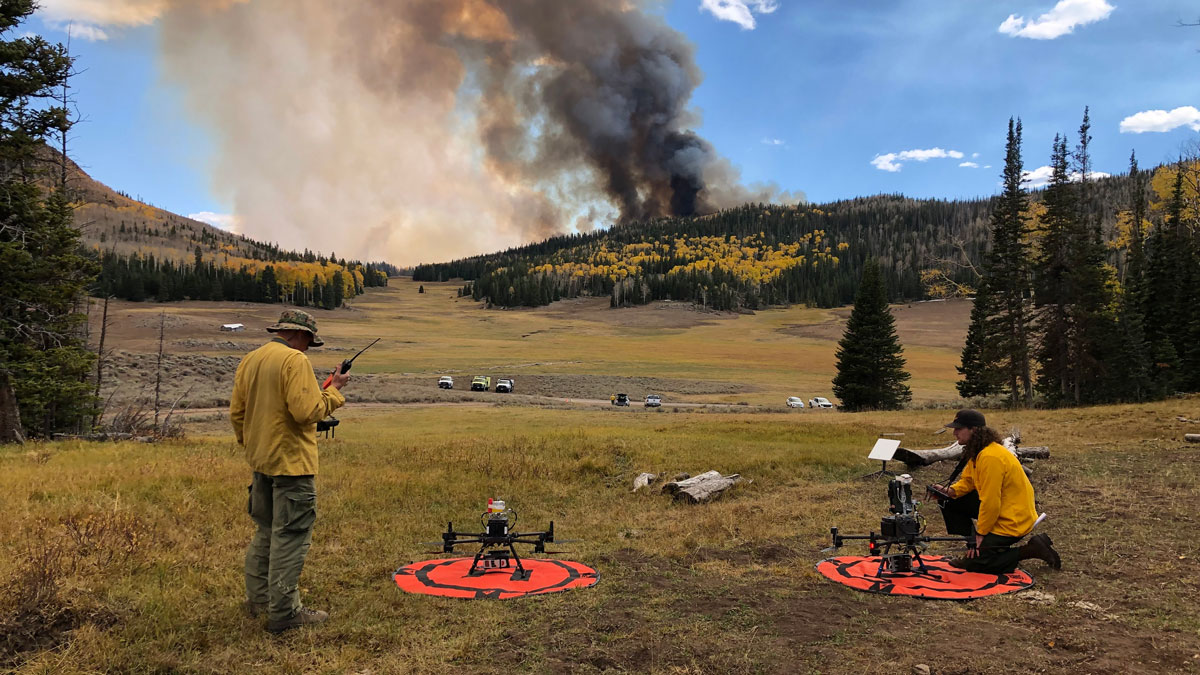
Fungal Spores in Wildfire Smoke Could Cause Lung Disease
Mice exposed to fungi spready by wildfires developed symptoms, exposing a potential health hazard to humans that has been understudied.
Posted inResearch & Developments
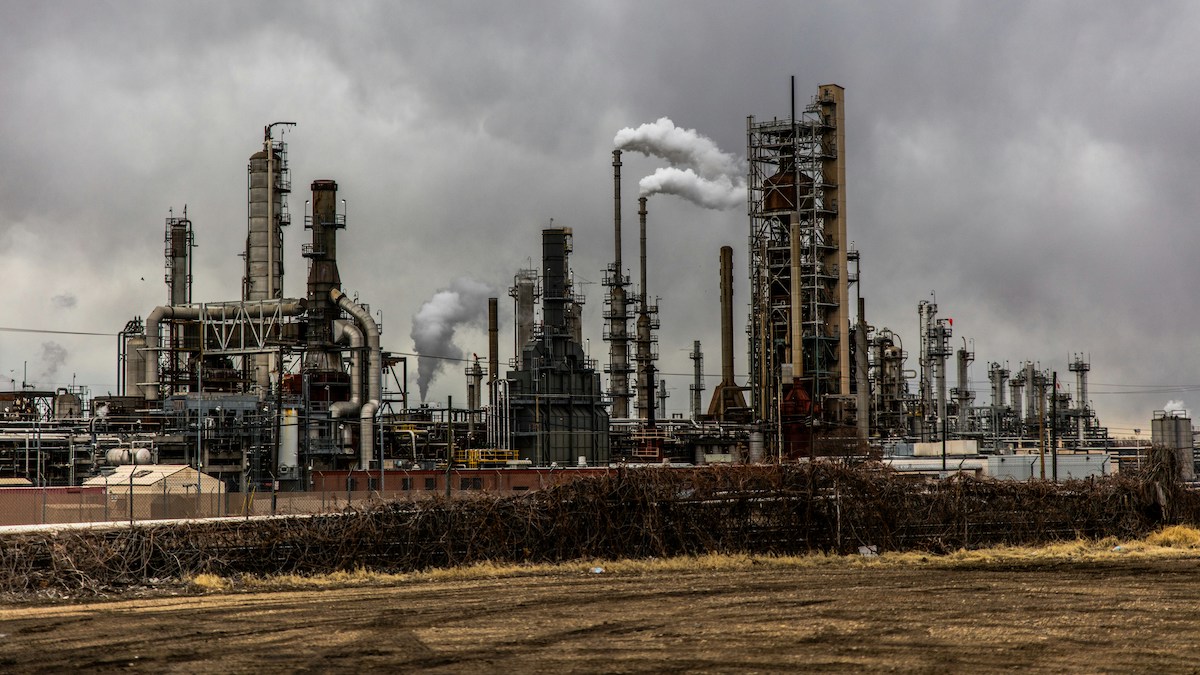
EPA to Abandon Stricter PM2.5 Air Pollution Limits
The U.S. Environmental Protection Agency moved this week to reduce limits on fine particulate air pollution, including soot, set by the Biden administration last year.
Posted inResearch & Developments
EPA Proposes That Major Polluters No Longer Report Their Emissions
The EPA proposed today that approximately 8,000 polluting facilities, including oil refineries, power plants, and steel mills, should no longer be required to report their greenhouse gas emissions.
Posted inResearch & Developments
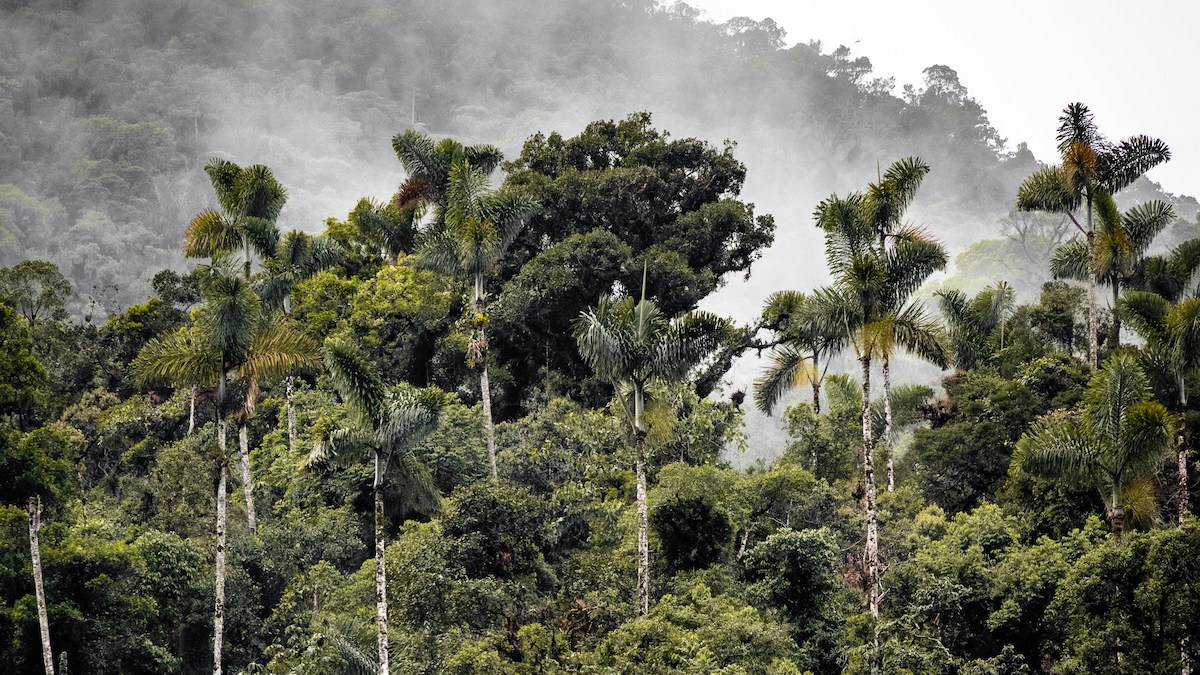
Living Near an Indigenous Forest Could Reduce the Risk of Disease
An analysis of 20 years of health data in eight Amazonian countries, published today in Communications Earth and Environment, shows that protecting Indigenous-managed forests may help reduce various kinds of disease, including fire-related respiratory diseases and illnesses spread by animals.