

Policymakers need scientists. Here’s how one geoscientist contributed to a U.S. congressional report that’s already churning out legislation—and real action.
Climate Change

Posted inEditors' Highlights
The Deepest Layers of the South-West Atlantic Ocean are Warming
A unique temperature time series observed over the past decade in the bottom layers of the south-west Atlantic Ocean shows significant variability with long-term warming trends.
Posted inNews
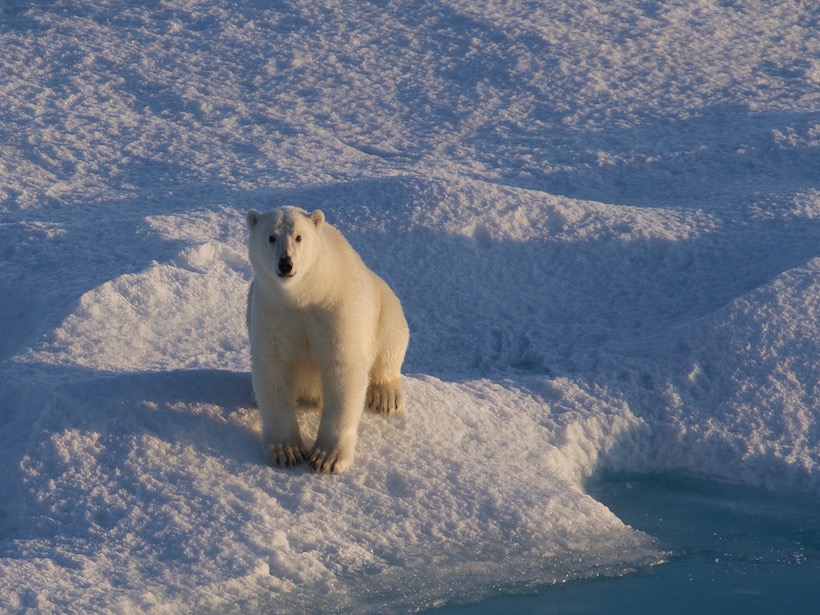
Polar Bears to Vanish from Most of the Arctic This Century

A “timelines of risk” model shows when and where population collapse begins as sea ice wanes in our warming future.
Posted inScience Updates
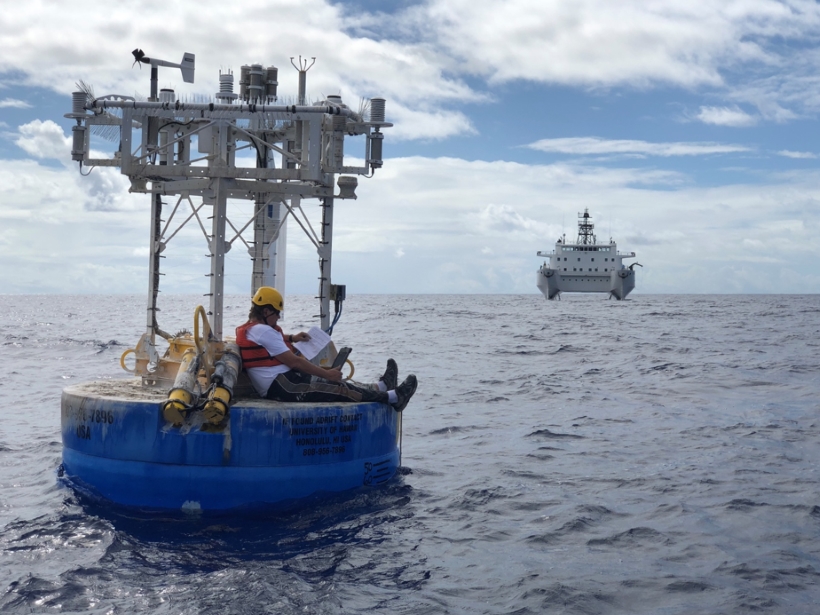
Reaching Consensus on Assessments of Ocean Acidification Trends
Scientists are working to establish a common methodology for evaluating rates of change in—and the various mechanisms that affect—acidification across ocean environments.
Posted inNews
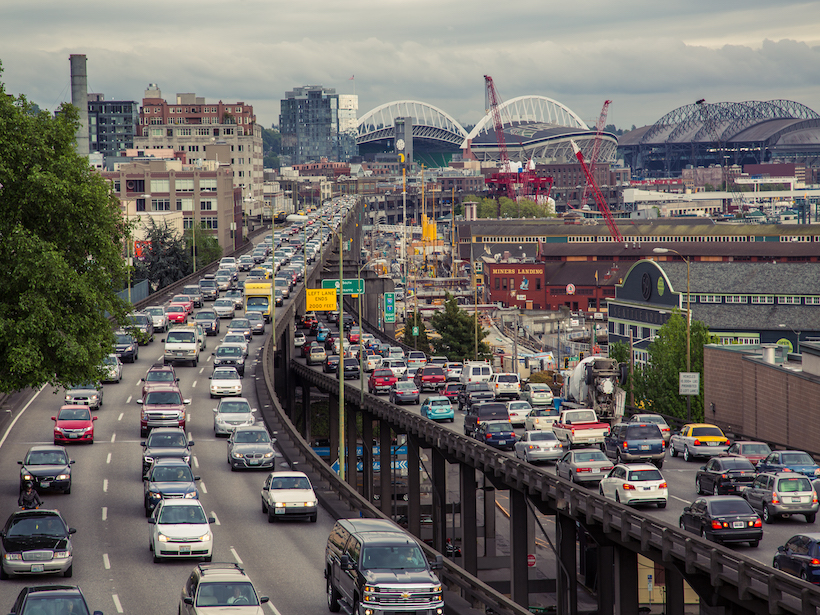
Global North Is Responsible for 92% of Excess Emissions

The United States and European Union bear disproportionate liability for emitting to the atmospheric commons, new research argues.

Posted inNews
Wildfires Threaten West Coast’s Seismic Network

A dense seismic network keeps vigil over the western United States, sensing quakes soon after they begin so people nearby can brace themselves. How do wildfires affect these guardians of the West Coast?

Posted inResearch Spotlights
Rising Seas and Agriculture Created Wetlands Along the U.S. East Coast
Most of the tidal marshes along the eastern coast of the United States formed within the past 6,000 years due to a combination of slowly rising seas and European colonization.

Posted inResearch Spotlights
To Save Low-Lying Atolls, Adaptive Measures Need to Start Now

New research uses 5,000 years of geological data to understand how and when sea level rise will affect the livability of low-lying reef islands.
Posted inResearch Spotlights
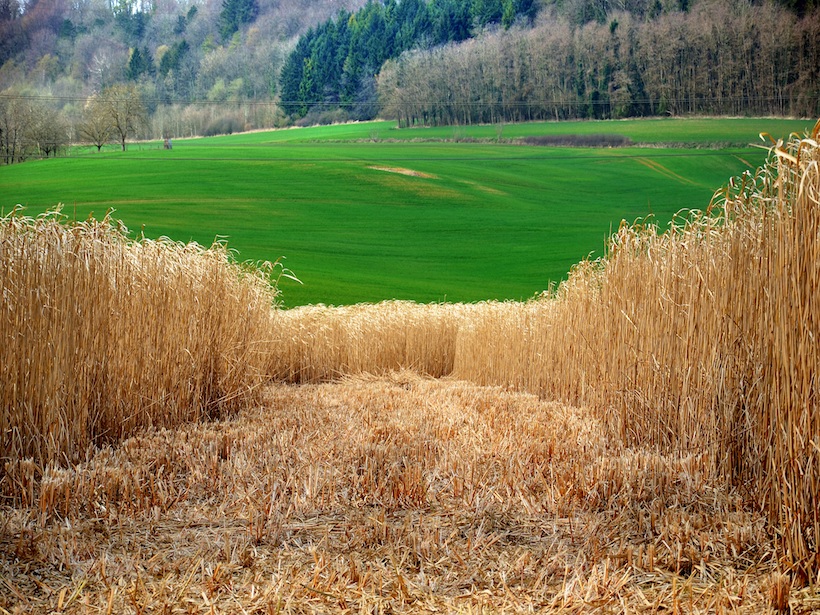
Finding Value in the Margins to Build a Bioeconomy

Monetizing environmental services of biofuel feedstocks could incentivize farmers to take advantage of marginal agricultural lands while also benefiting the landscape.
Posted inResearch Spotlights
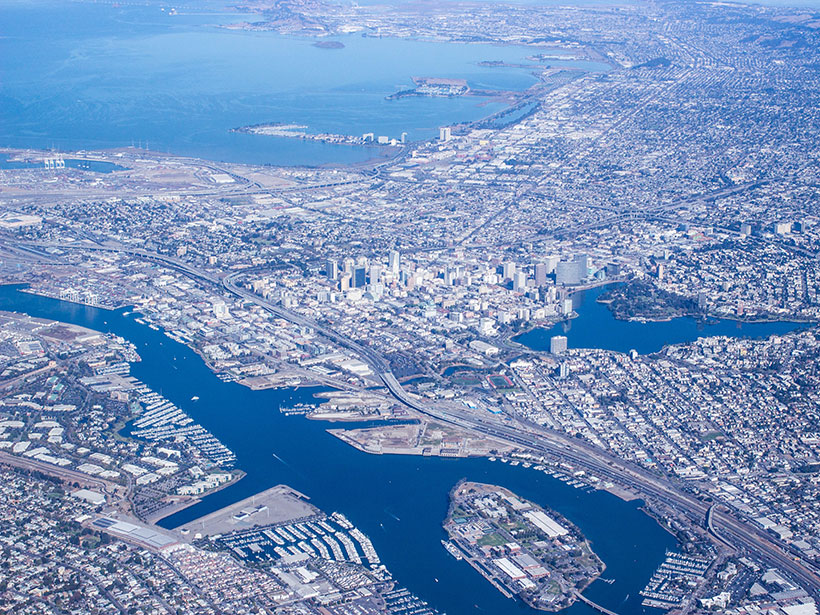
Modeling the Cascading Infrastructure Impacts of Climate Change

New research highlights how interdependences among infrastructure systems like roads can complicate climate adaptation.