
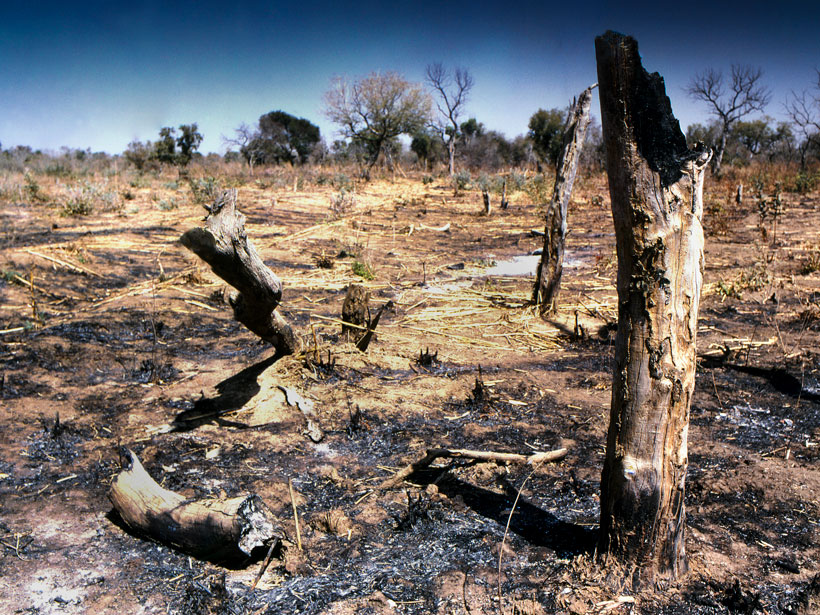

Biomarker analyses from an offshore sediment core suggest that increased fire occurrence around 55,000 years ago coincided with increased fuel loads and human settlement in this region.
Climate Change
Posted inNews
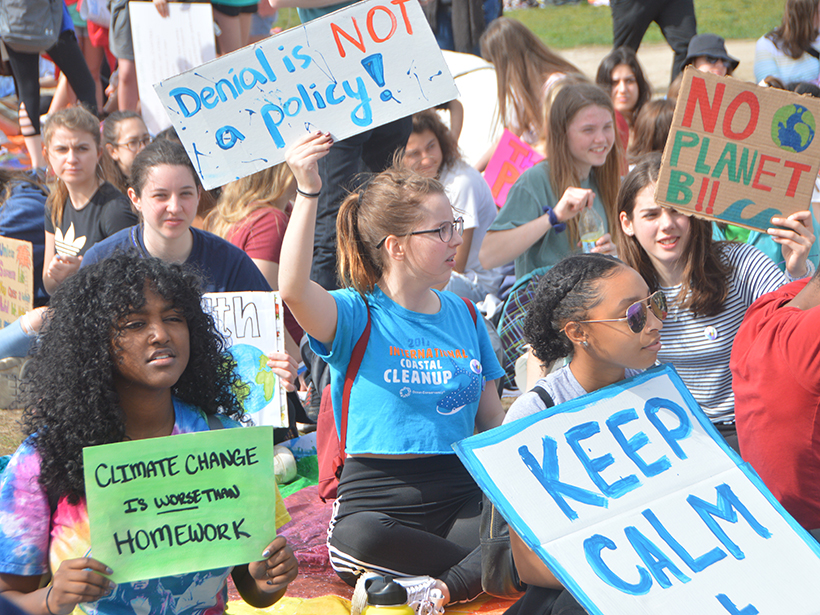
Youth Gather to Demand Action on Climate Change

The US Youth Climate Strike holds events around the country to call for passage of the Green New Deal.
Posted inNews
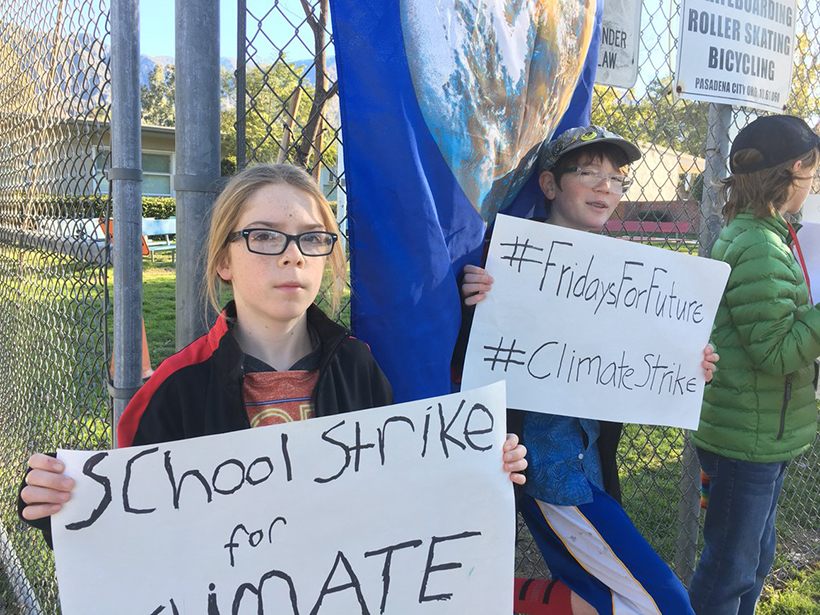
Youth Call for Action with Climate Strikes
Climate scientists show their support for protests in the United States and around the world on 15 March.

Posted inScience Updates
Tracking Regional Climate Change from Pole to Pole
8th Third Pole Environment Workshop; Gothenburg, Sweden, 24–26 September 2018
Posted inNews
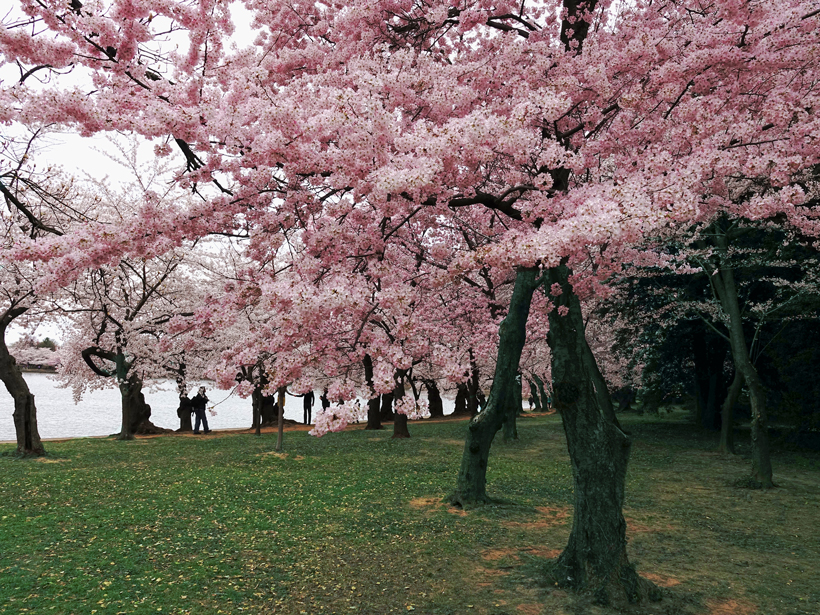
Cherry Blossoms’ Peak Bloom Is an Indicator of Climate Change
Projected peak bloom days are around the historic average this year, but experts say climate change is altering the long-term blooming schedule.

Posted inResearch Spotlights
Oceanic “Pump” Sends Small Carbon Particles to Twilight Zone

Underwater gliders provide unprecedented, daily data that reveal new insights into how carbon gets from the atmosphere to the deep ocean.

Posted inNews
Former Officials Slam Planned White House Climate Change Panel
Fifty-eight former national security leaders say the plan would undermine military and intelligence assessments about threats from climate change.

Posted inScience Updates
A Digital Mayfly Swarm Is Emerging
Low-cost, open-source data collectors and a suite of collaborative online tools are making big leaps in the field of watershed monitoring.

Posted inNews
Congress Considers Carbon Capture Options
Democrats and Republicans explore areas of potential agreement in combating climate change.

Posted inResearch Spotlights
Improving Estimates of Long-Term Climate Sensitivity
New modeling casts doubt on the suitability of running experiments with fixed sea surface temperatures to understand the effects of cloud aggregation on Earth’s climate.