

AGU Chapman Conference on Hydrologic Research in the Congo Basin; Washington, D.C., 25–27 September 2018
Climate Change

Posted inScience Updates
Is the Recent Drought on the Colorado River the New Normal?
Understanding Historical Changes in the Flow of the Colorado River; Boulder, Colorado, 24–25 September 2018

Posted inFeatures
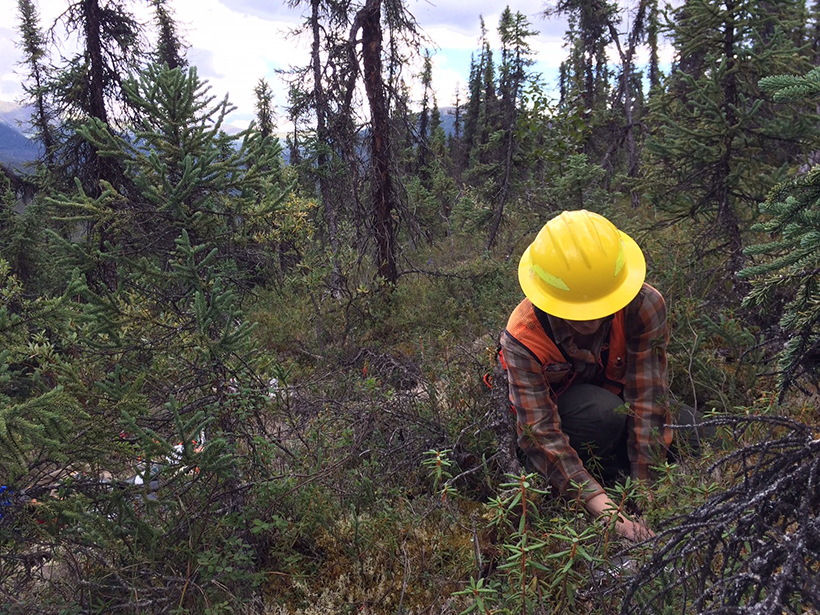
The Dangers of Glacial Lake Floods: Pioneering and Capitulation

During the past 70 years, Peruvian engineers virtually eliminated the risks posed by glacial lake floods. But climate change and a political blind eye are increasing the dangers once again.
Posted inNews
New Budget Bill Rescues NASA’s Carbon Monitoring System
“We’re back!” says $10-million-per-year project’s science team leader.

Posted inResearch Spotlights
The Urban Dry Island Effect
A study of the Yangtze River Delta shows how urbanization dries out the atmosphere.

Posted inScience Updates
Three Decades of Atmospheric Optics Research in Camagüey, Cuba
Workshop for Thirtieth Anniversary of the Grupo de Óptica Atmosférica de Camagüey; Camagüey, Cuba, 23–26 October 2018

Posted inResearch Spotlights
Extending the Record of Surface Melt on the Larsen C Ice Shelf

The first use of Advanced Scatterometer radar data to determine melt duration on an Antarctic ice shelf shows the season has decreased by up to 2 days per year during the extended 21st century record.
Posted inOpinions
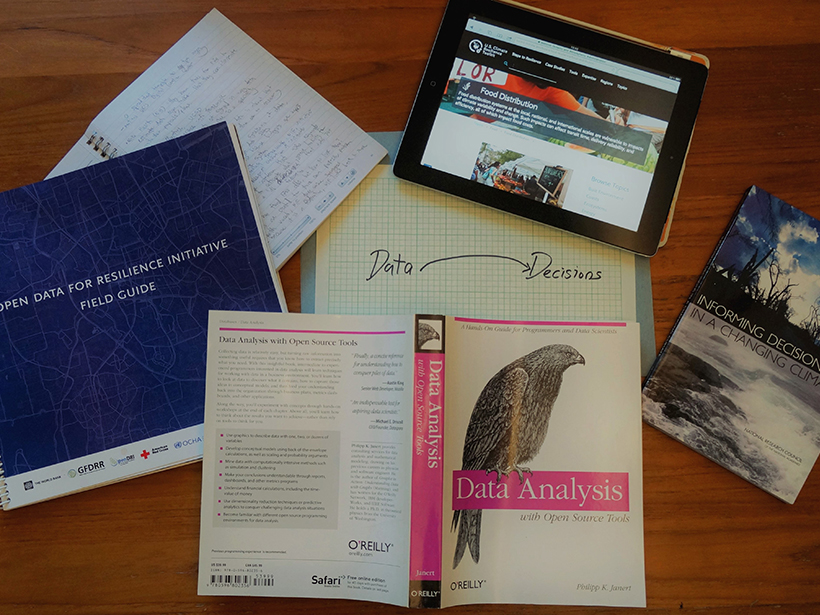
A Vision for Adapting at the Pace of Socioenvironmental Change
The Resilience Genome Initiative will empower a cadre of transdisciplinary resilience engineers to adopt and continuously develop climate adaptation solutions.

Posted inResearch Spotlights
Humming Ice Shelf Changes Its Seismic Tune with the Weather
Seismic waves resonating within the upper layers of the Ross ice shelf could help scientists monitor the Antarctic melt season and understand factors that could lead to sudden ice shelf collapse.
Posted inResearch Spotlights
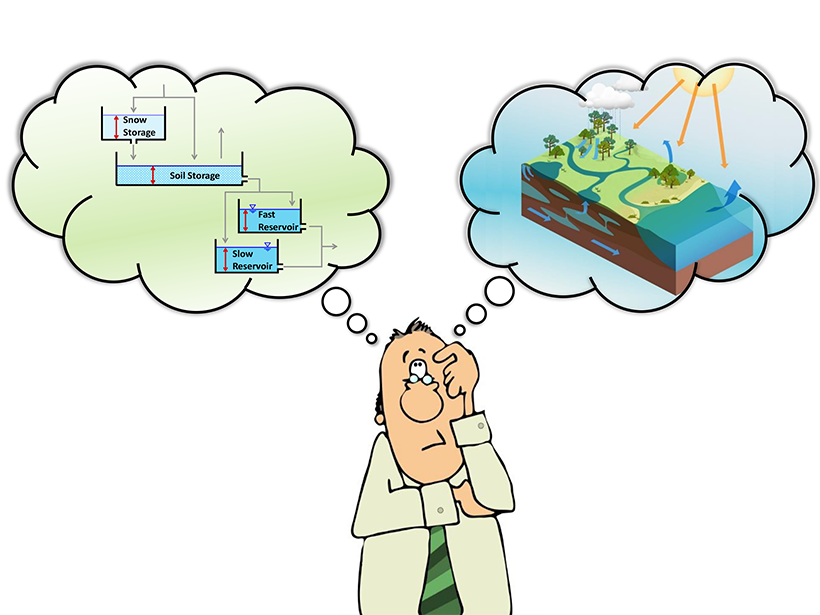
Reframing Sensitivity Analysis in Earth System Models
According to a new study, the performance metric–based methods currently used to evaluate dynamical model sensitivity are based upon faulty reasoning and need to be reenvisioned.