

Combining data from land and sea helps ecologists measure human impact.
Climate Change
Posted inFeatures
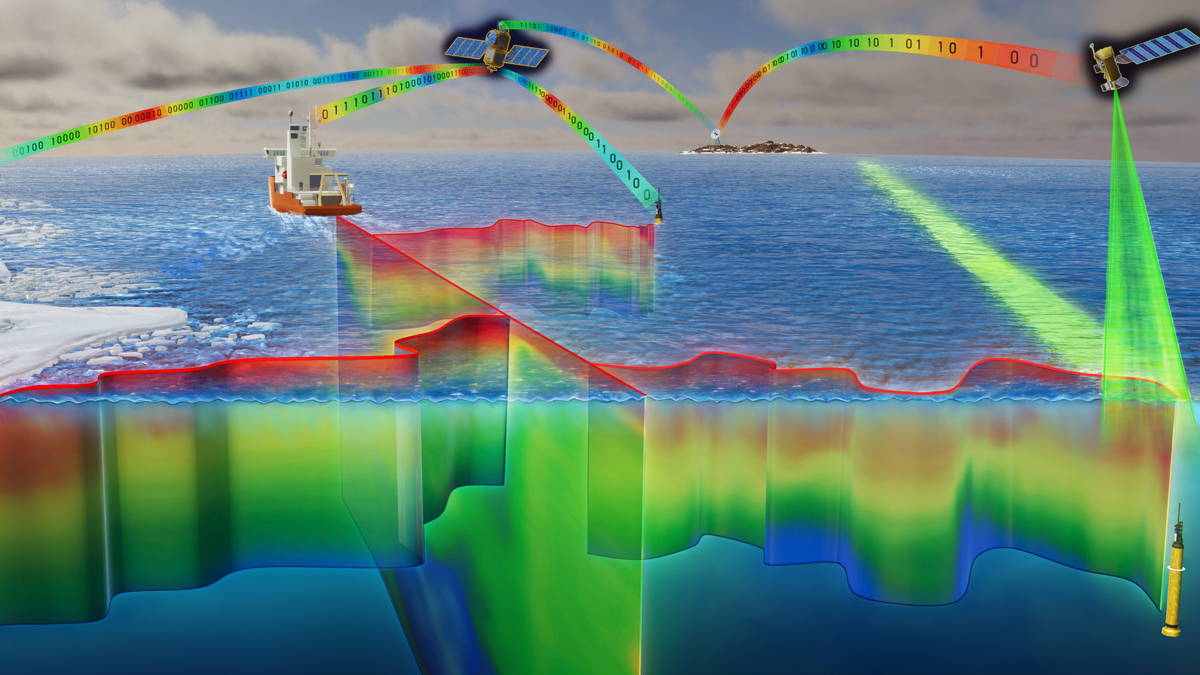
A Global Ocean Biogeochemical Observatory Becomes a Reality
Building on the successful Argo network of seafaring temperature and salinity sensors, work is underway to deploy 1,000 floats equipped to study ocean biogeochemistry in greater detail than ever.

Posted inNews
Once Extreme Ocean Temperatures Are the New Normal
A new analysis finds extreme warming events in the ocean have increased relative to the very far past, with nearly 60% of the ocean experiencing extreme heat in 2019.
Posted inEditors' Highlights
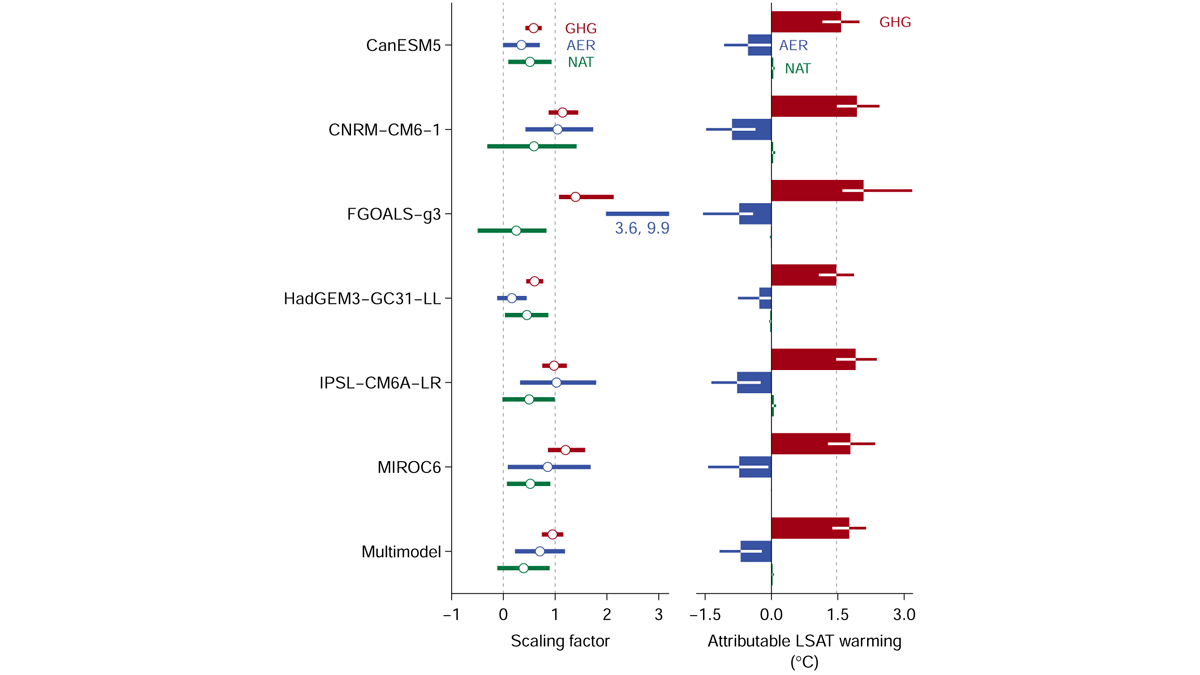
Framework for Fingerprinting Human Influence on Climate
An optimal approach for detection and attribution studies using the CMIP6 Detection and Attribution Model Intercomparison Project (DAMIP).

Posted inNews
Tree Carbon Data That Ring True
An international group of researchers may have found a way to better account for carbon storage in forests.

Posted inResearch Spotlights
Estimating Heat Wave Frequency and Strength: A Chicago Case Study
Numerical modeling shows widespread impacts of the 2012 Chicago heat wave, shedding light on heat wave and urban heat island impacts on the city’s temperature.

Posted inResearch Spotlights
¿Cuánto tiempo permanecen las partículas de carbono negro en la atmósfera?

Investigadores descubren cómo el carbono negro evoluciona de partículas hidrofóbicas a sitios de nucleación de nubes, removiendo eventualmente las partículas que absorben calor del cielo.
Posted inNews
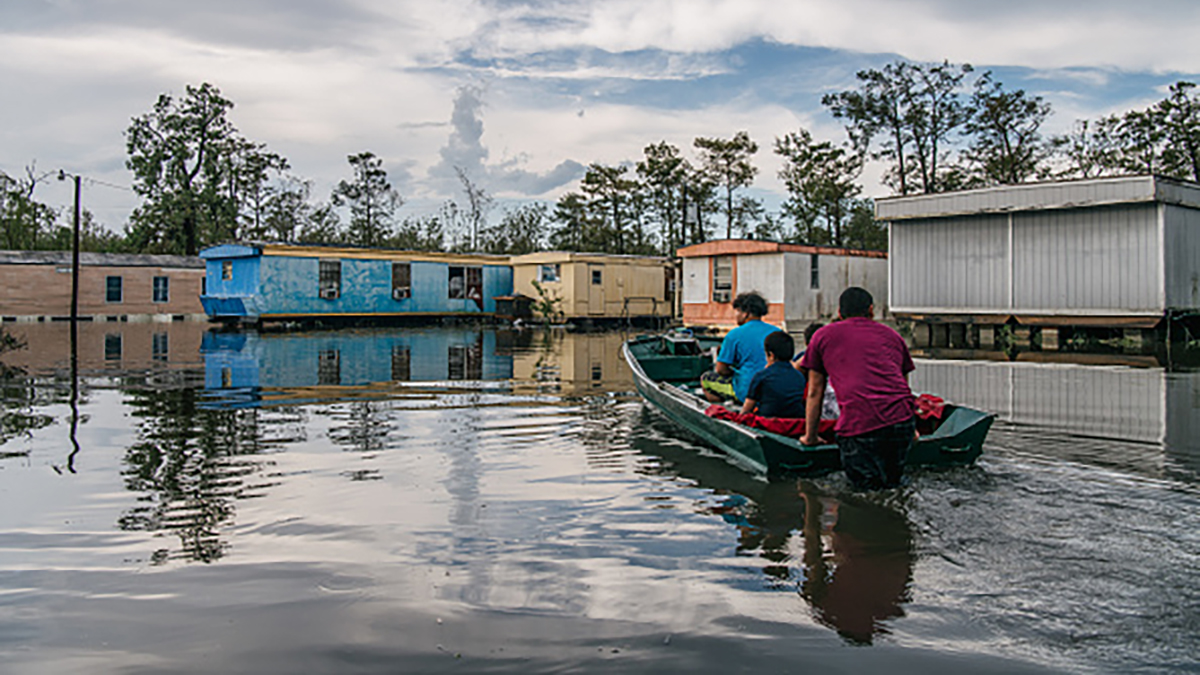
Black Neighborhoods Will Bear Future Flood Burden

Climate change, shifting populations, and infrastructure development in risky areas compound future flood loss risk.

Posted inEditors' Highlights
Reef-Building Corals at Risk from Ocean Warming, Acidification
Physiological limitations on regulating internal chemistry restricts corals’ ability to deal with ocean acidification and warming, thereby reducing resilience to continued environmental change.

Posted inNews
Weighing the Benefits of Urban Greening

City communities may need to consider whether water absorption or cooling benefits are more important when designing urban greening.