
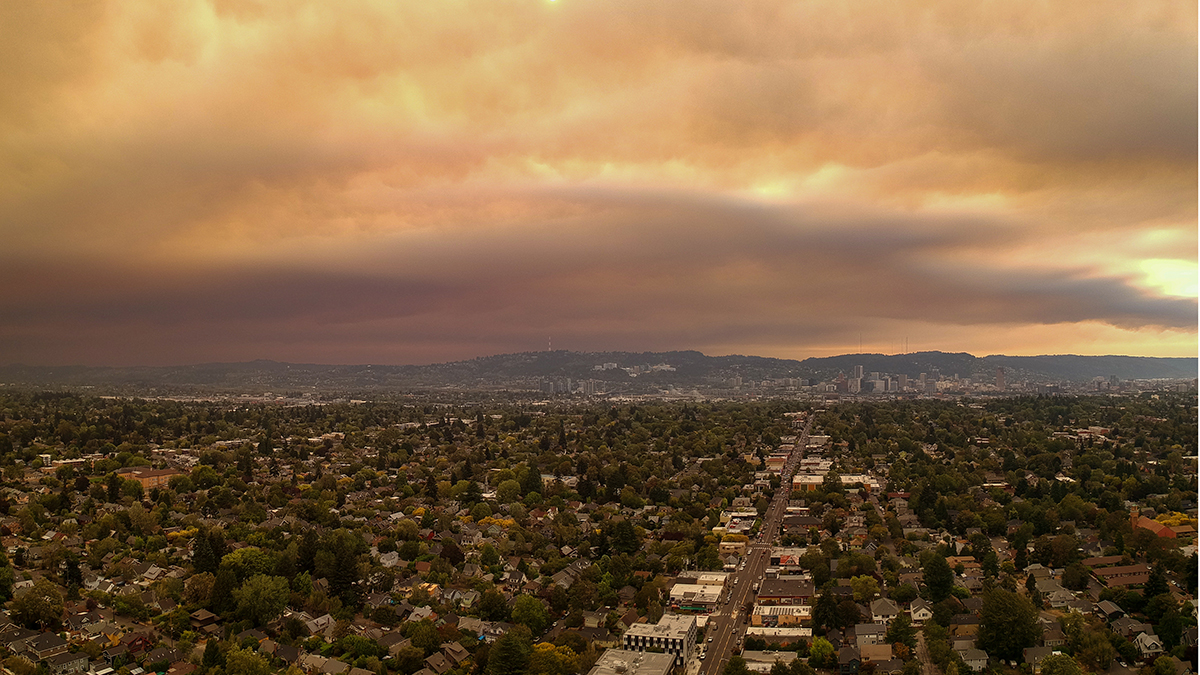

If the world stays on fossil fuels, fine particle pollution from wildfire smoke could more than double in the late summer to early fall in the U.S. Pacific Northwest by 2100.
Climate Change
Posted inNews
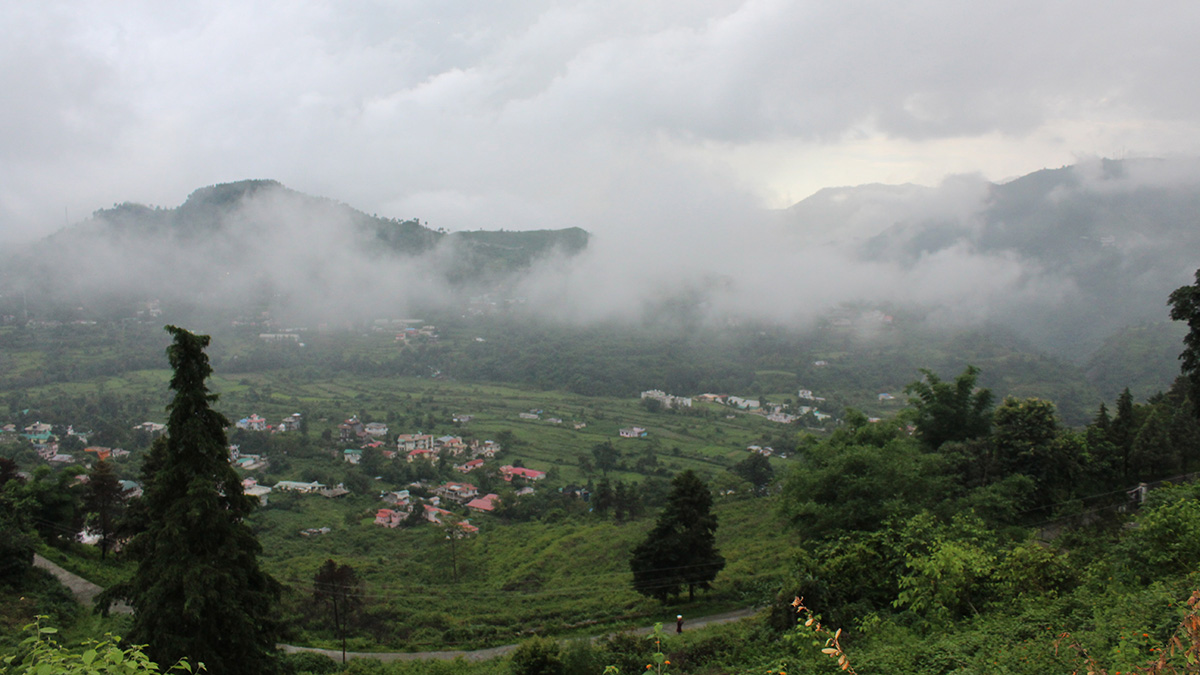
Higher Sea Surface Temperatures Could Lead to a Weaker Monsoon
Most climate models predict that the South Asian monsoon will strengthen with climate change, but new research indicates warmer ocean temperatures may lead to a drier phenomenon.

Posted inNews
Satellites Reveal Slow Shift of the Entire Boreal Biome
According to a new study, warmer temperatures and high soil nitrogen levels are causing Earth’s largest land biome to advance northward.
Posted inScience Updates
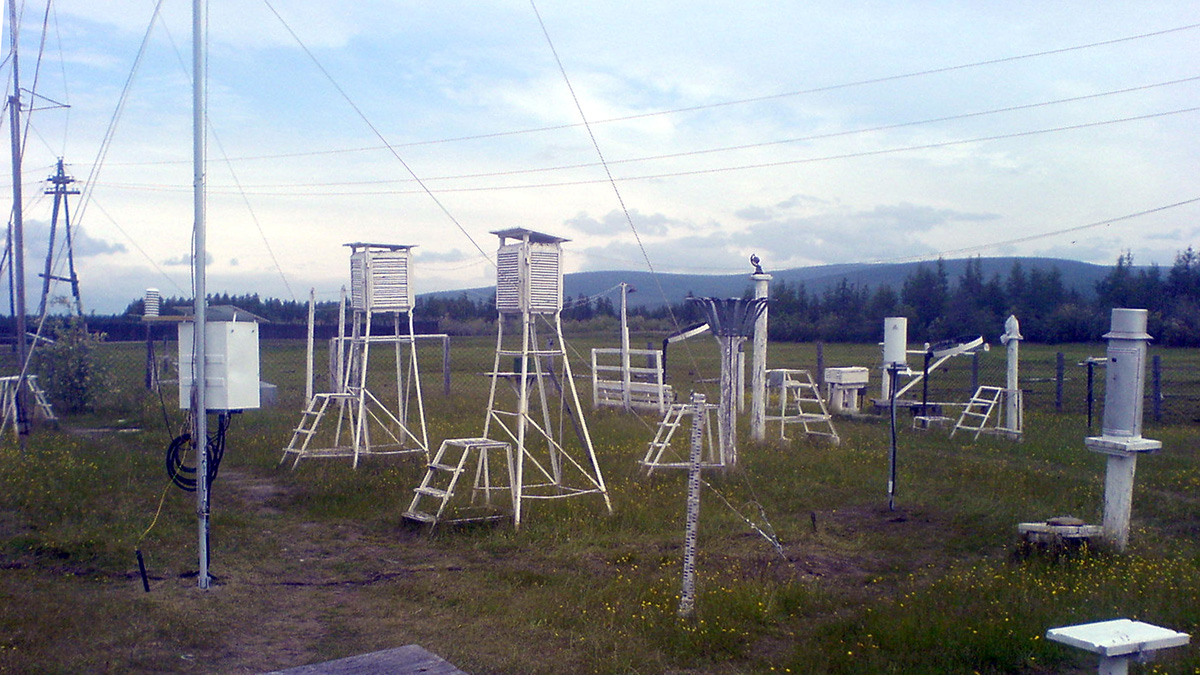
Chronicling the Hottest, Coldest, Windiest, and Rainiest Weather
The World Meteorological Organization verifies and documents record-setting temperatures, winds, lightning, and more, offering snapshots of Earth’s extremes and hints about its changing climate.
Posted inNews
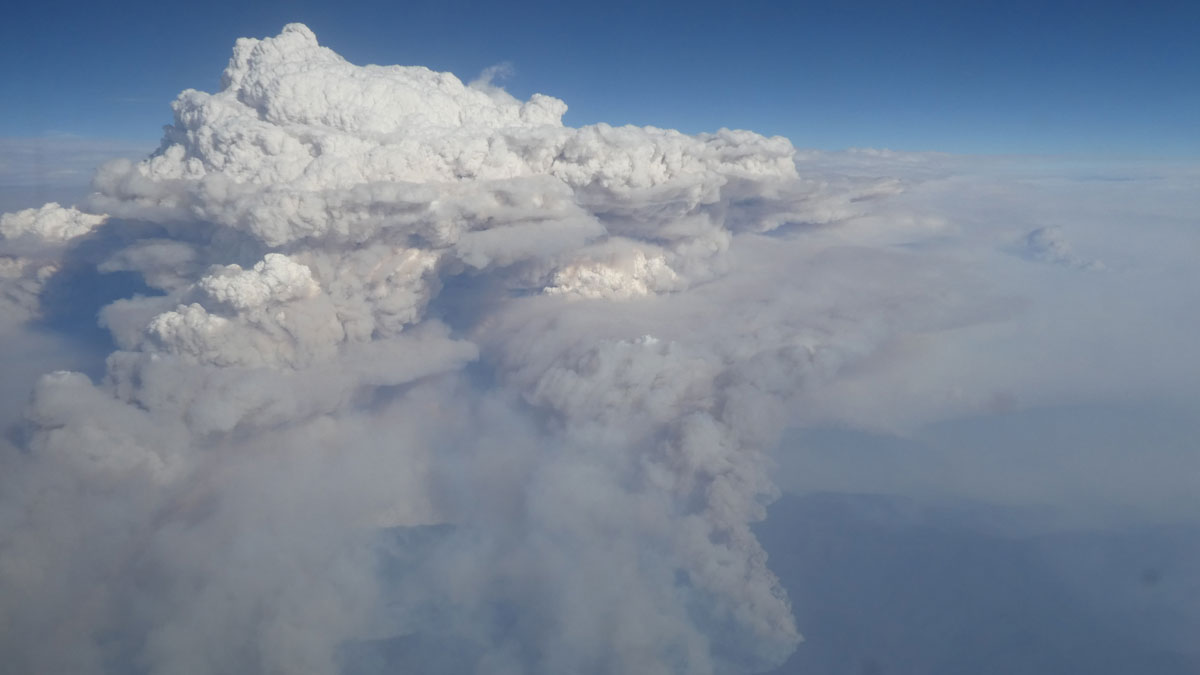
Australian Wildfires Linked to Ozone Layer Depletion
New research shows that the Black Summer bushfires damaged the ozone layer, eliminating a decade’s worth of progress.

Posted inNews
Wildfires Will Worsen, Warns U.N. Report
From the equator to the Arctic, wildfires are likely to increase, and climate change can make them worse, according to a new United Nations report. Action is still possible, say the authors.
Posted inNews
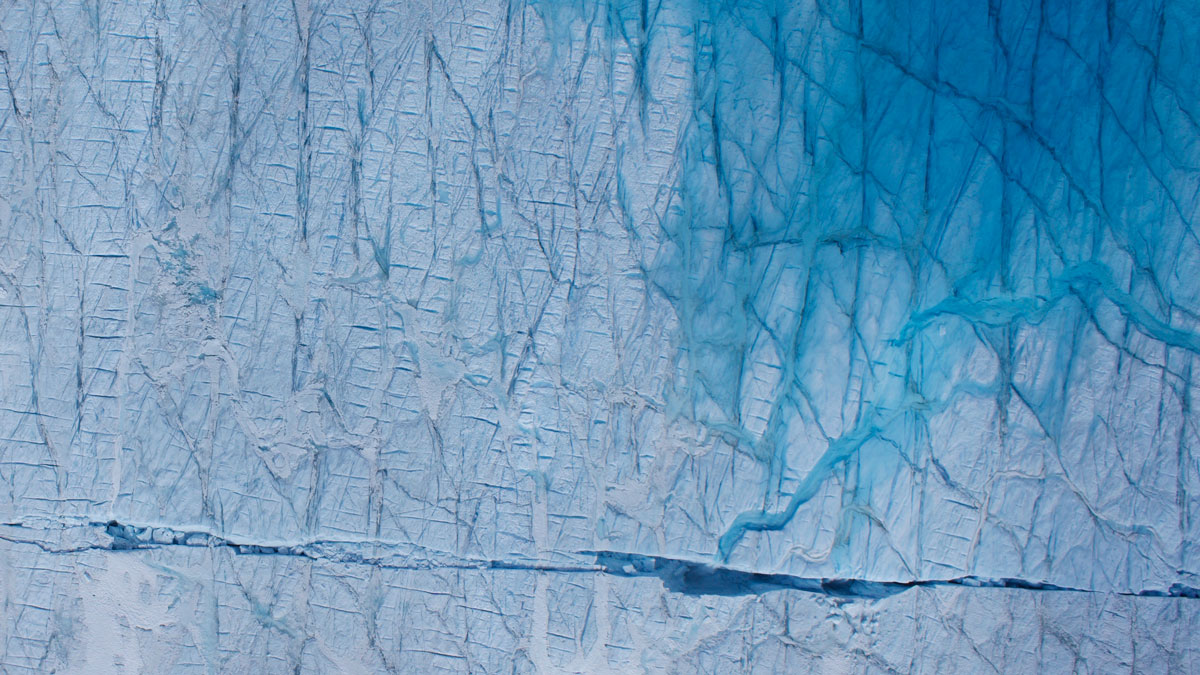
It’s Getting Hot Under Greenland
Meltwater draining through an area of the Greenland Ice Sheet creates enough energy to rival that of a massive hydroelectric power station, researchers say.
Posted inNews
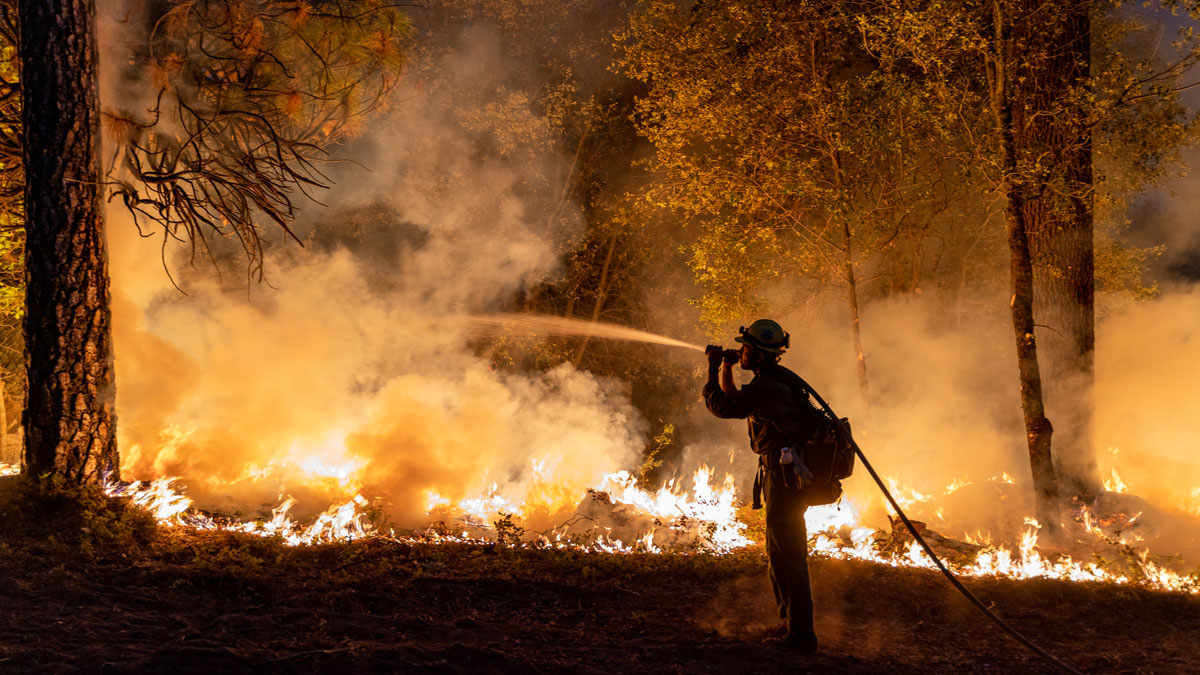
Warmer Nights Are Adding Fuel to Nighttime Fires
Cool, moist nights are rarer than they were a few decades ago, and that’s giving wildfires an edge over crews trying to hold fire lines.
Posted inNews
U.S. Businesses May Be Required to Report Emissions, Climate Risk

The proposed rules seek to give investors more complete and standardized climate risk information. The move would bring U.S. policy closer to international standards.

Posted inNews
Just 15.5% of Global Coastline Remains Intact
Combining data from land and sea helps ecologists measure human impact.