
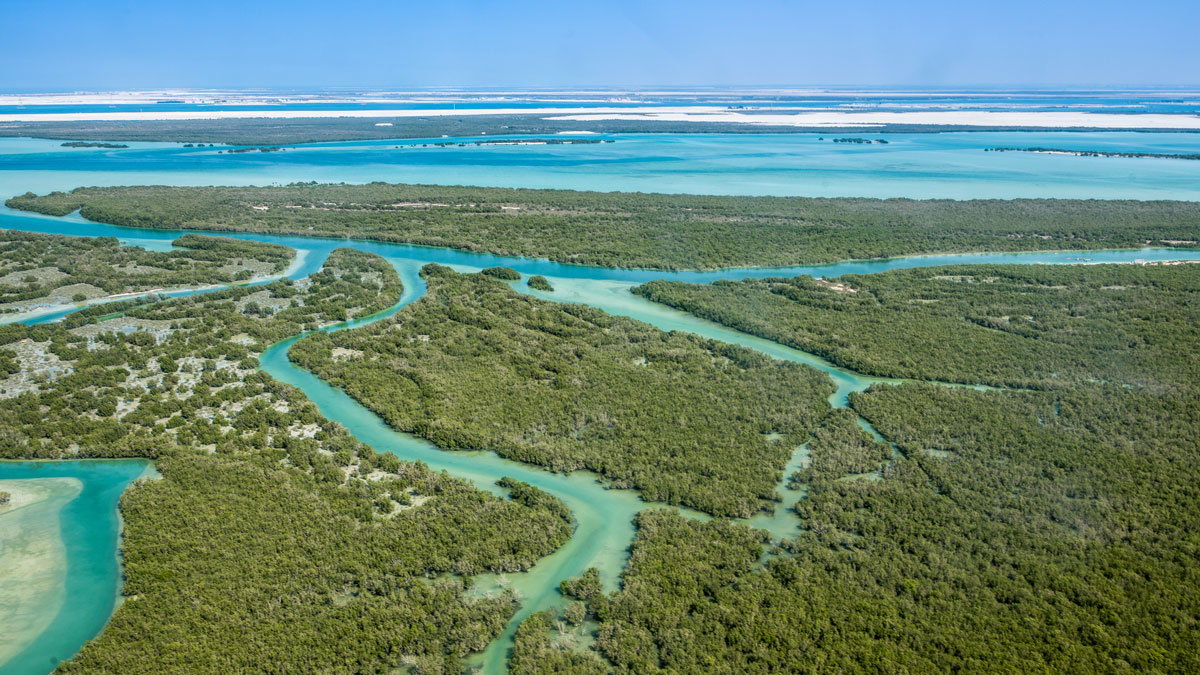
A shift in priority and approach to wetland restoration could reduce atmospheric carbon.
Climate Change
Posted inENGAGE, News
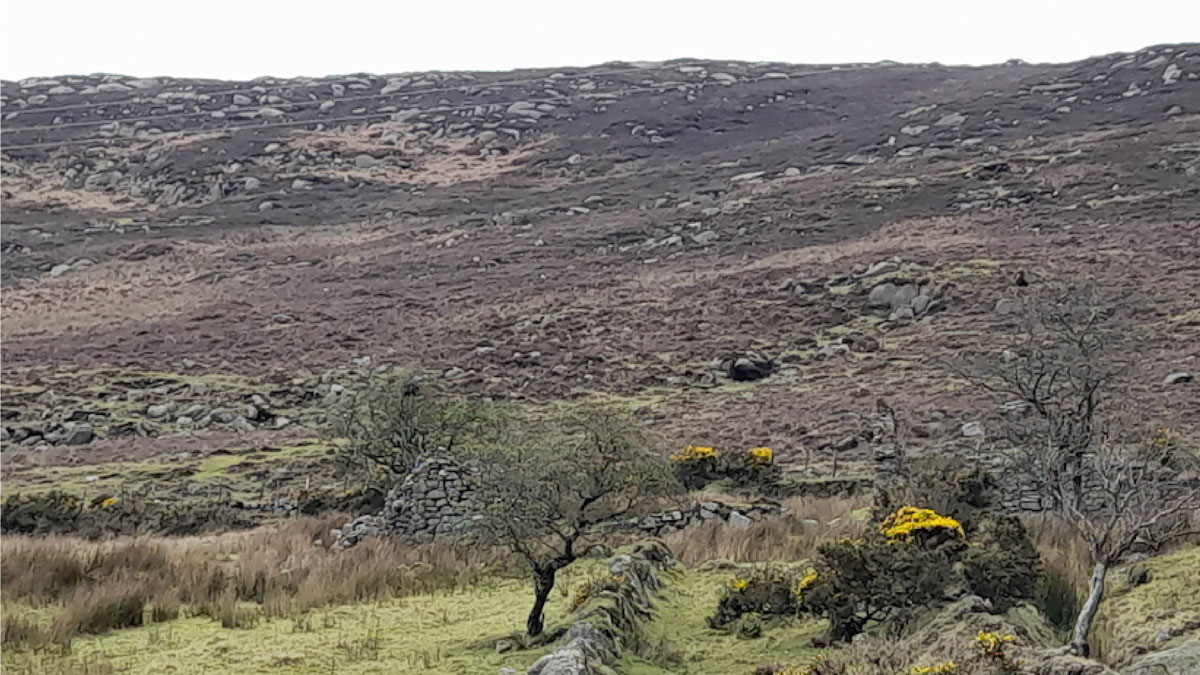
Peat Uncovers a Uniquely Resilient Irish Community
Researchers reveal an abandoned settlement in Northern Ireland that showed unusual resilience during calamities including epidemics, famine, and climate change.
Posted inNews
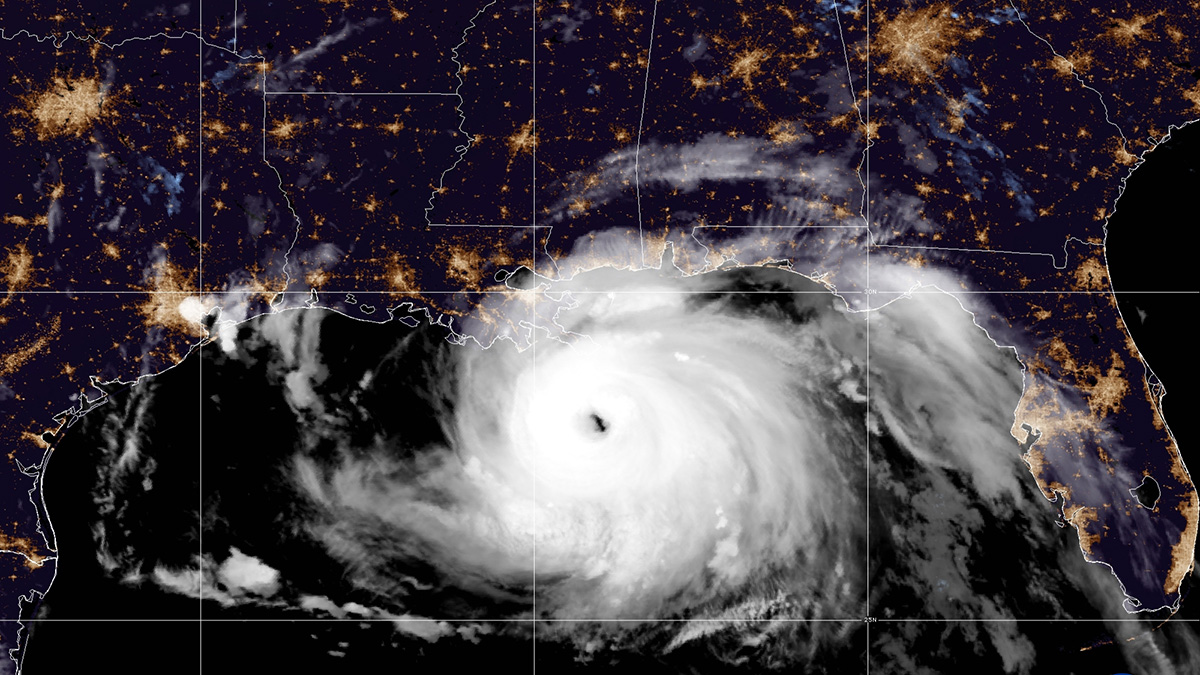
Active Hurricane Season Expected in the Atlantic Ocean

La Niña conditions and warm ocean temperatures have set the stage for another busy tropical storm year.

Posted inENGAGE, News
Los beneficios climáticos de los bosques van mucho más allá del secuestro de carbono
Los bosques son “esencialmente sistemas de aire acondicionado” gracias a procesos biofísicos como la evapotranspiración y la rugosidad del dosel forestal.
Posted inResearch Spotlights
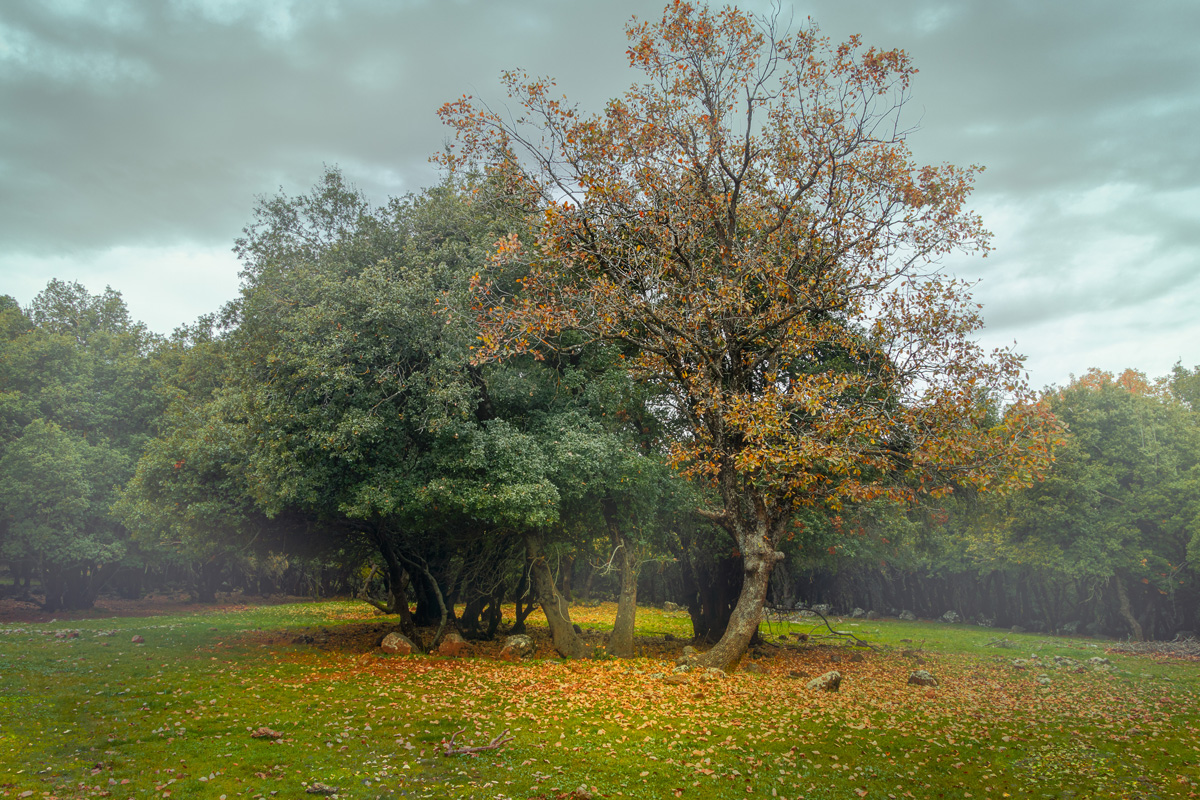
Mediciones pareadas de gases: ¿un nuevo trazador biogeoquímico?

Una técnica que mide la relación entre el dióxido de carbono producido y el oxígeno consumido podría mejorar las predicciones de la respuesta del suelo al cambio climático.
Posted inNews
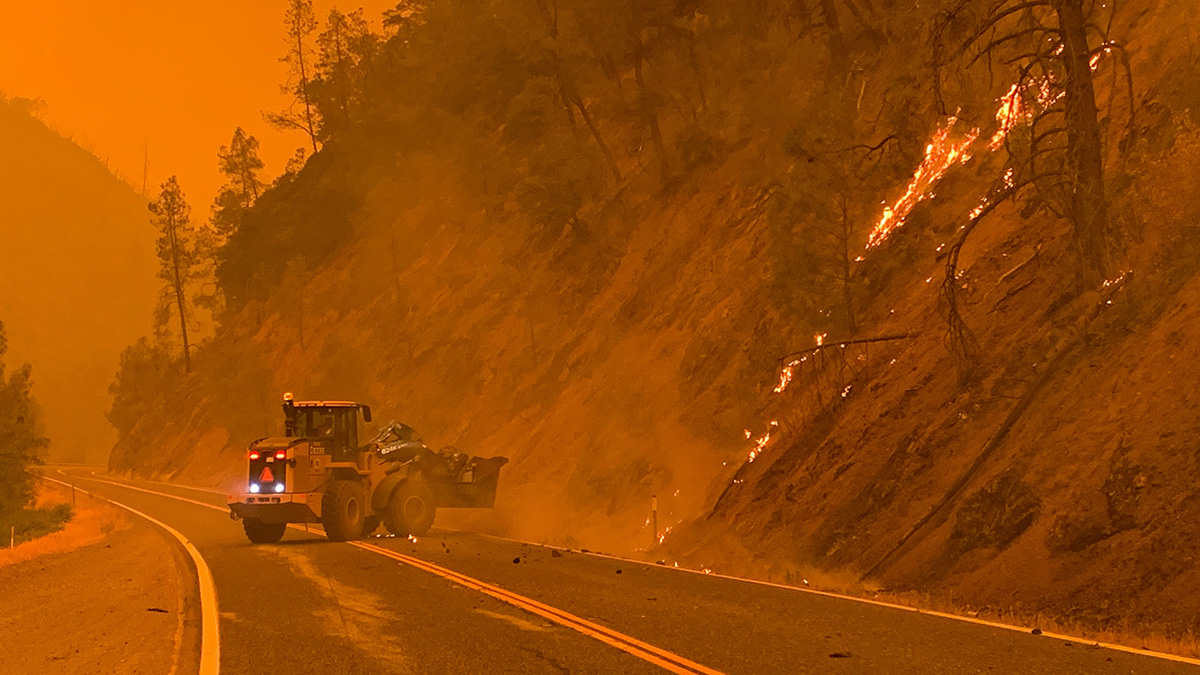
Wildfire, Drought, and Insects Threaten Forests in the United States

Western forest managers face a catch-22: They can keep carbon sequestered in trees by reducing controlled burns, but that creates denser forests at greater risk of going up in uncontrolled flames.

Posted inOpinions
Glacial Knowledge Gaps Impede Resilience to Sea Level Rise
Changes to the support, culture, and community organization of U.S. glaciology are needed to advance understanding of glacial change and better predict rising seas and other ice loss impacts.

Posted inEditors' Vox
Mountains Undergo Enhanced Impacts of Climate Change
As climate change persists, amplified temperature increases in mountains and changes in precipitation will diminish snow and ice.

Posted inNews
Climate Action Plans Tailored to Indian Cities
The plans identify localized vulnerabilities, as well as adaptations to climate change risks.

Posted inENGAGE, News
Climate Benefits of Forests Go Far Beyond Carbon Sequestration
Forests are “essentially air-conditioning systems” thanks to biophysical processes like evapotranspiration and canopy roughness.