
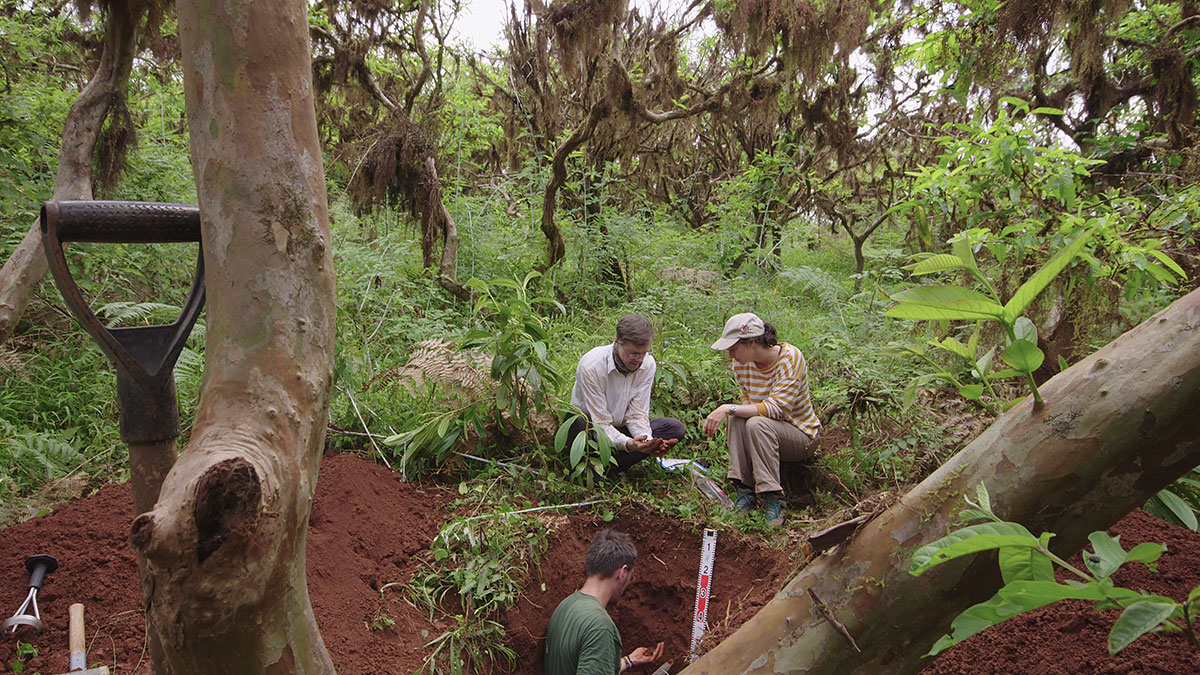
A new study has spurred further research into the impacts of soil formation on modern-day problems like heavy metal contamination in agricultural soils.
climate
Posted inNews
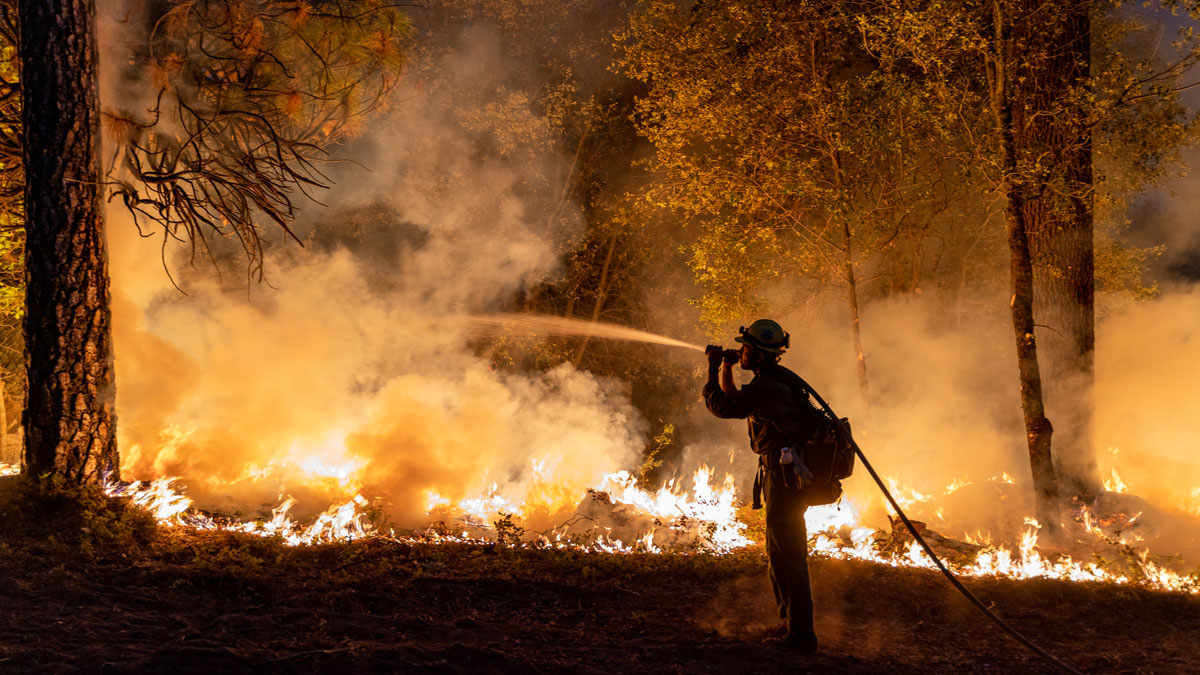
Warmer Nights Are Adding Fuel to Nighttime Fires
Cool, moist nights are rarer than they were a few decades ago, and that’s giving wildfires an edge over crews trying to hold fire lines.
Posted inFeatures
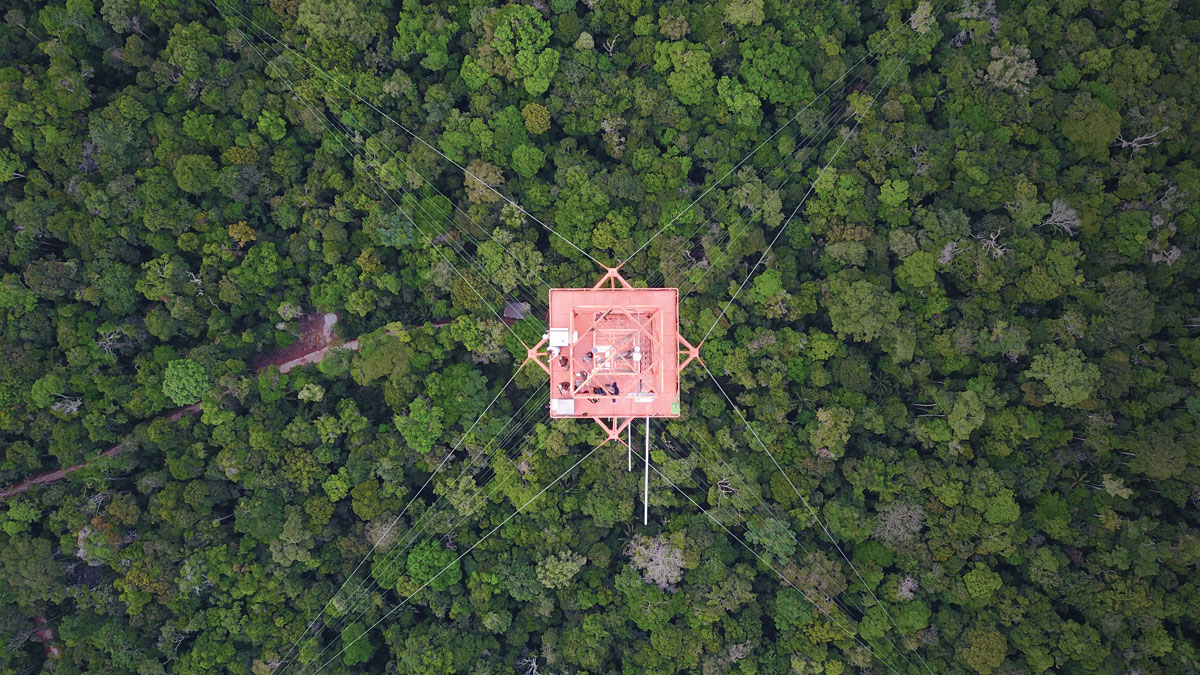
Africa’s Earth, Wind, and Fire Keep the Amazon Green
Jet streams sprinkle North African dust over the Amazon, providing the rain forest with much needed nutrients. Changing wind patterns and increasing smoke may shift the system.

Posted inNews
The Surprising Greenhouse Gas That Caused Volcanic Summer

Extended periods of volcanism known as flood basalt eruptions lead to volcanic winters, which are often followed by an extended period of warming. But it was more than just carbon dioxide that warmed the globe.
Posted inFeatures
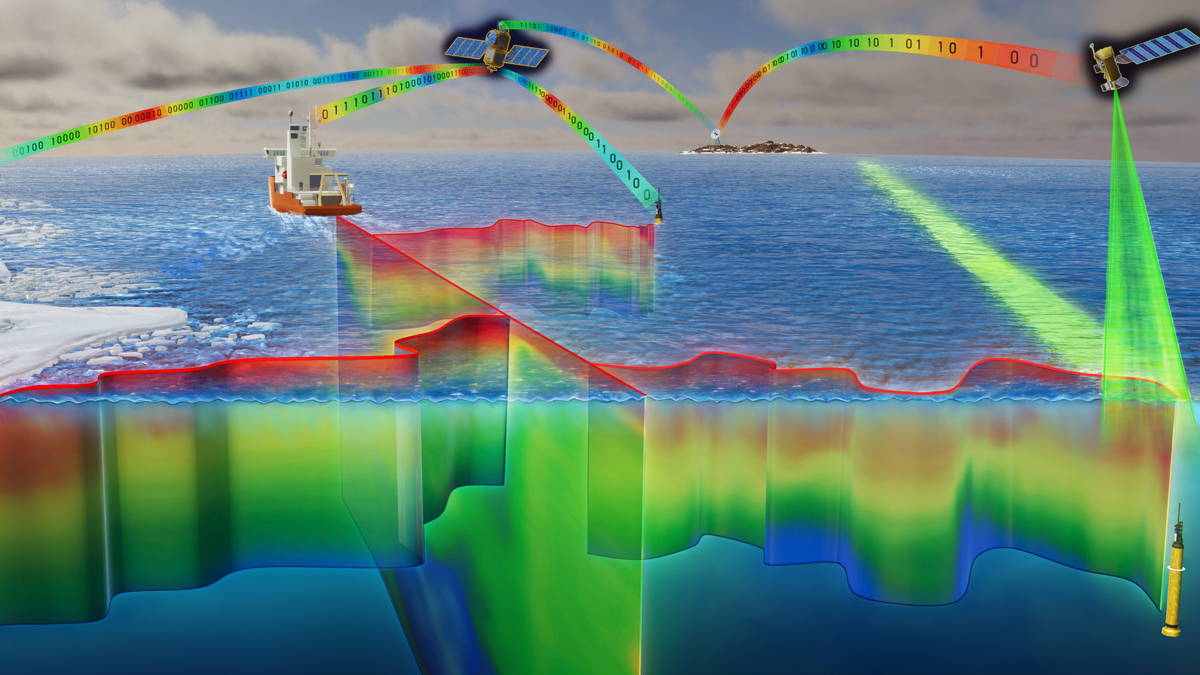
A Global Ocean Biogeochemical Observatory Becomes a Reality
Building on the successful Argo network of seafaring temperature and salinity sensors, work is underway to deploy 1,000 floats equipped to study ocean biogeochemistry in greater detail than ever.
Posted inResearch Spotlights
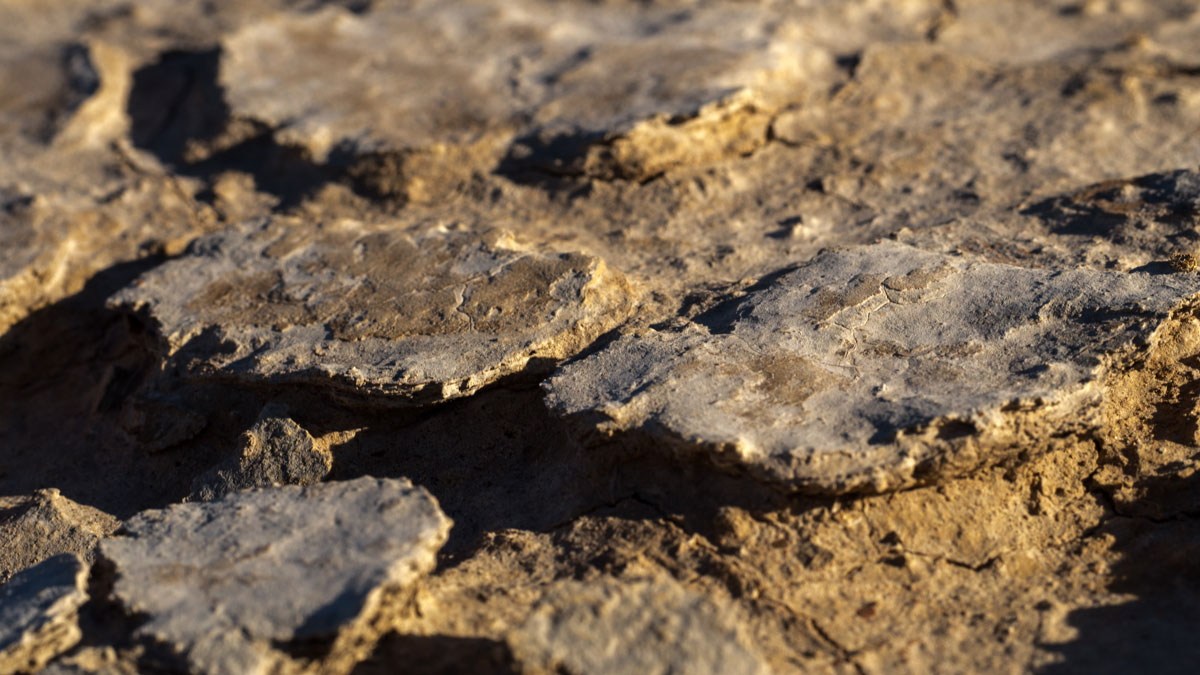
Biological Crusts Affected by Drought Can Still Stabilize Soils

Results of in situ experiments on natural microbial communities suggest that biological crusts can protect soils from erosion, but their protective role could be compromised under predicted future climate scenarios.

Posted inNews
Once Extreme Ocean Temperatures Are the New Normal
A new analysis finds extreme warming events in the ocean have increased relative to the very far past, with nearly 60% of the ocean experiencing extreme heat in 2019.
Posted inEditors' Highlights
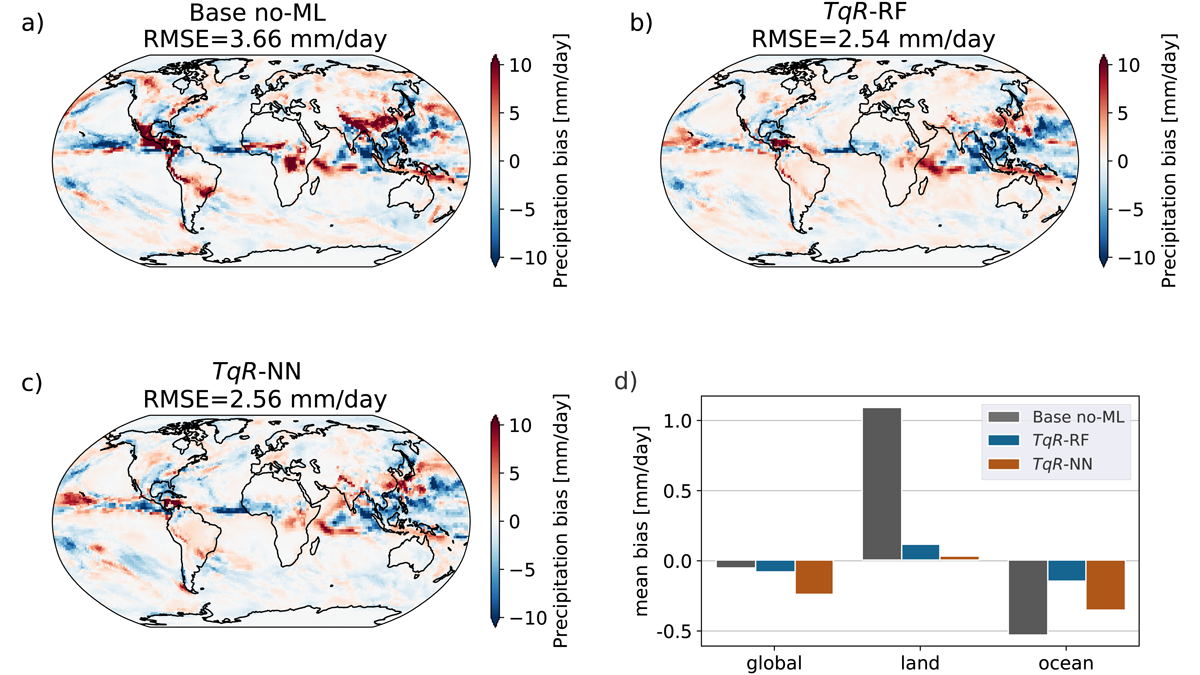
Corrective Machine Learning for Improving Climate Models
A machine-learned correction enables an efficient coarse-grid global atmosphere model to better track the weather and time-mean precipitation of an expensive fine-grid ‘digital twin’ reference model.

Posted inNews
Tree Carbon Data That Ring True
An international group of researchers may have found a way to better account for carbon storage in forests.

Posted inResearch Spotlights
¿Cuánto tiempo permanecen las partículas de carbono negro en la atmósfera?

Investigadores descubren cómo el carbono negro evoluciona de partículas hidrofóbicas a sitios de nucleación de nubes, removiendo eventualmente las partículas que absorben calor del cielo.