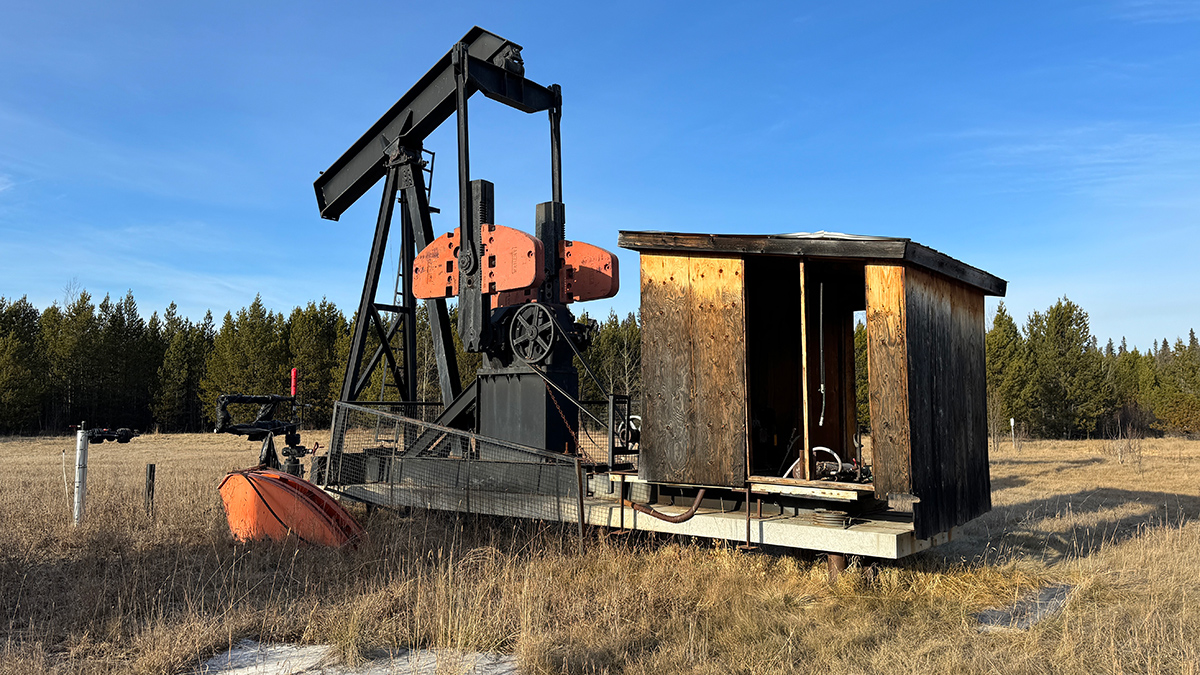
A study measured methane flow from more than 450 nonproducing wells across Canada, but thousands more remain unevaluated.
climate

Posted inNews
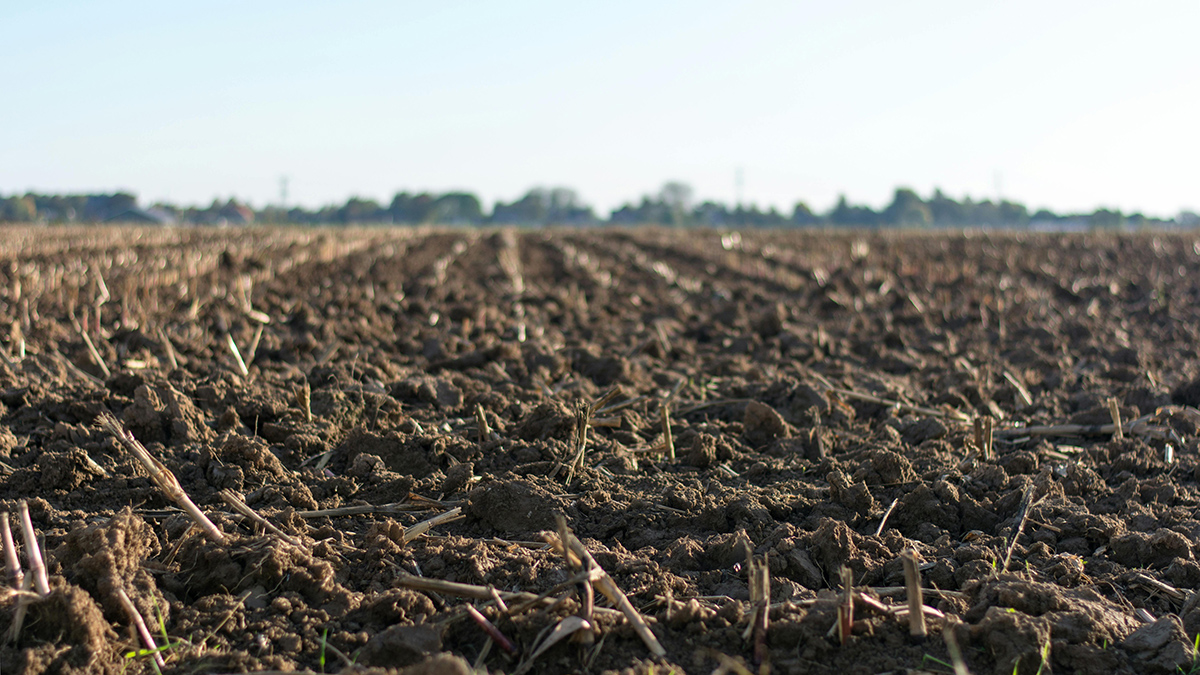
Fallowed Fields Are Fueling California’s Dust Problem
New research shows that unplanted agricultural lands are behind most of the state’s anthropogenic dust events.
Posted inEditors' Highlights
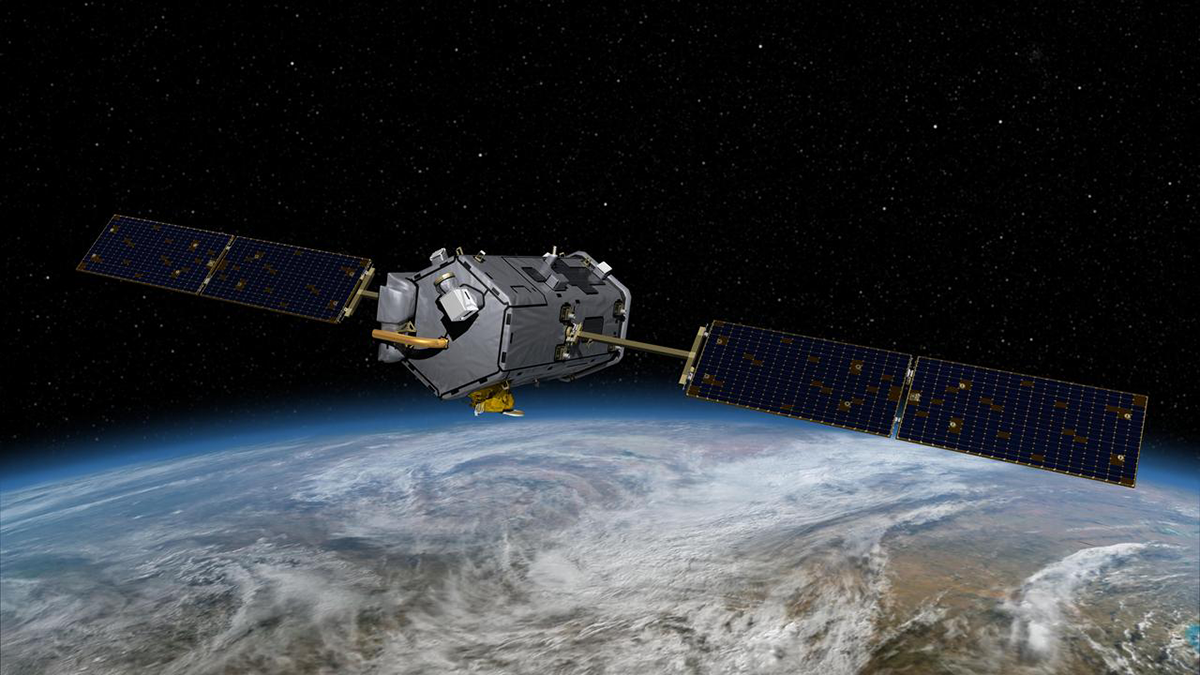
Coverage Factors Affect Urban CO2 Monitoring from Space
Orbital mechanics and environmental factors limiting the ability of Orbiting Carbon Observatory missions to collect data in space and time affect city-level monitoring, reporting, and verification goals.
Posted inResearch & Developments
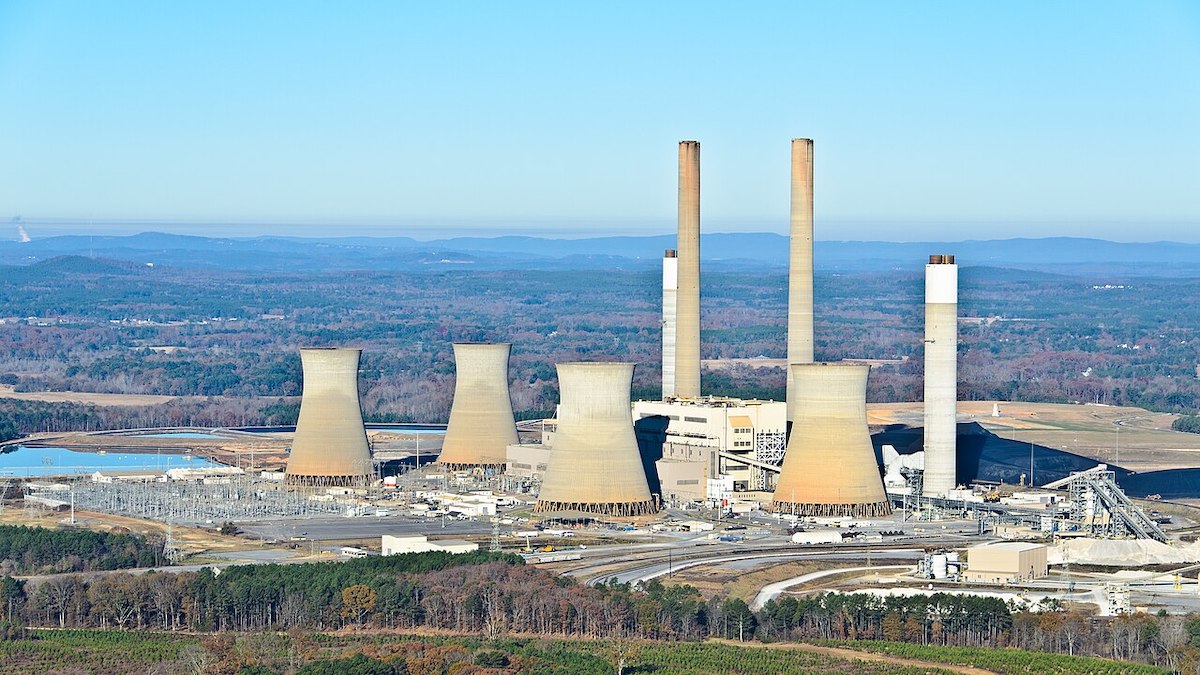
EPA Proposes Removal of Carbon Dioxide Limits on Power Plants

On 11 June, the Environmental Protection Agency announced a proposal to repeal federal limits on power plant carbon emissions, including a Biden-era rule requiring power plants to control 90% of their carbon pollution and a 2015 standard limiting carbon dioxide emissions from new fossil fuel-fired power plants.
Posted inResearch Spotlights
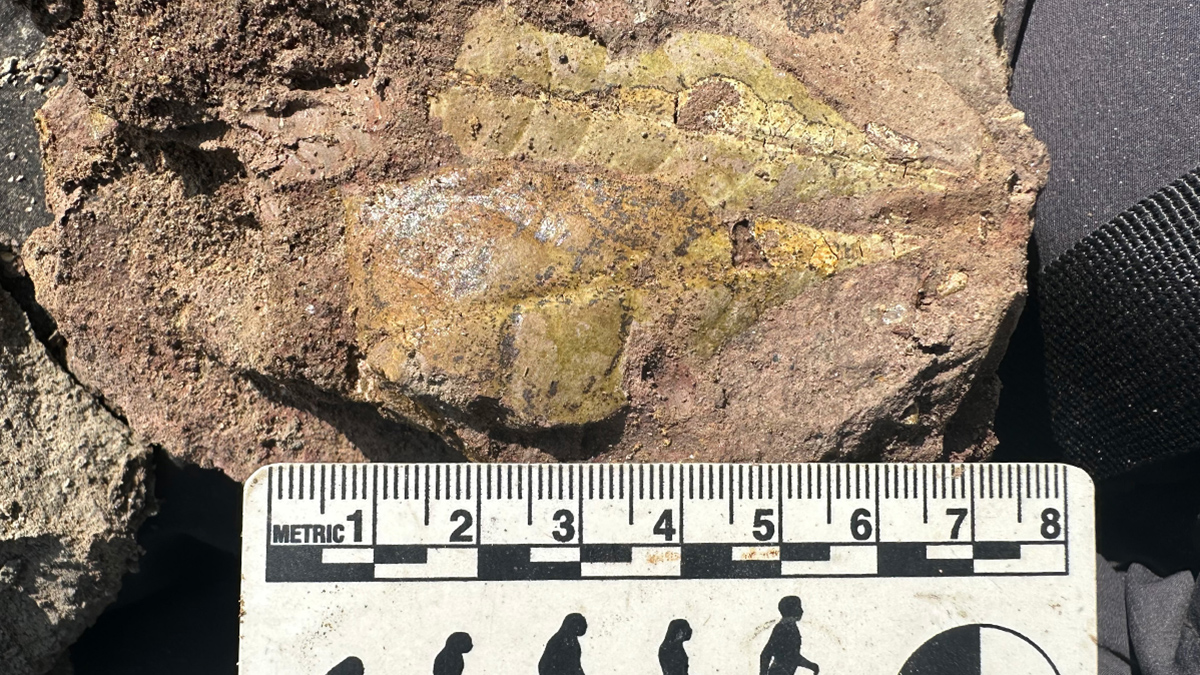
Early Apes Evolved in Tropical Forests Disturbed by Fires and Volcanoes
Fossils discovered at an early Miocene site in Kenya include a new type of early ape and offer clues about the environment inhabited by human ancestors.
Posted inResearch & Developments
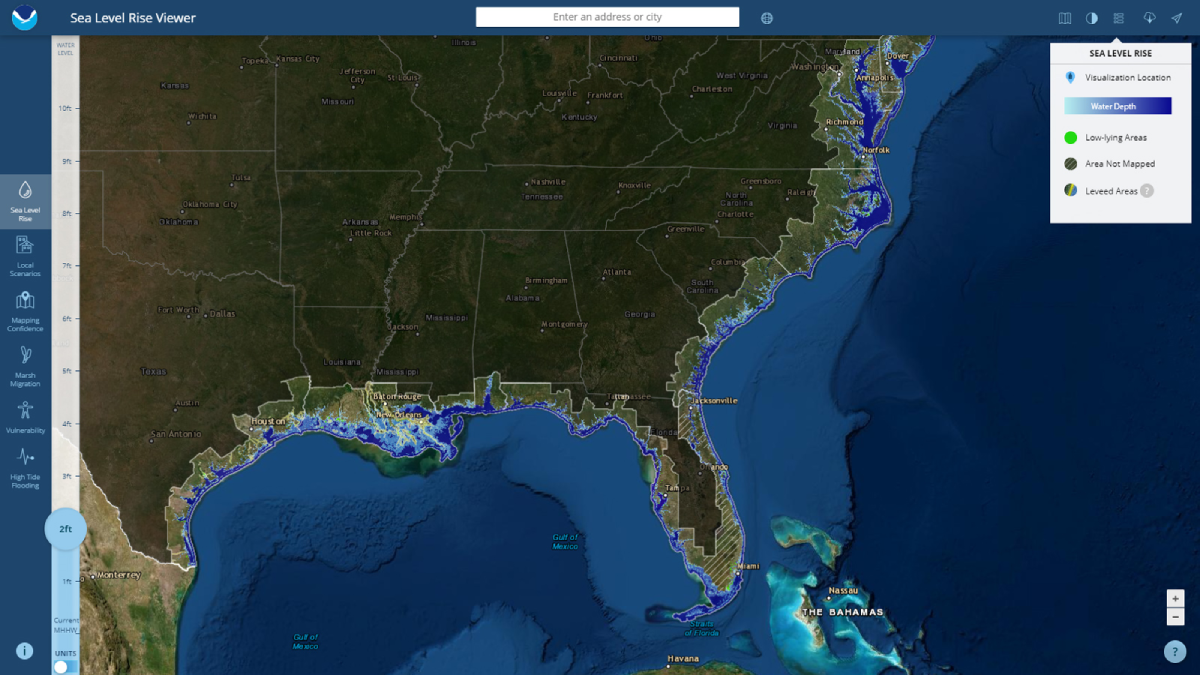
NOAA’s Climate Website May Soon Shut Down

Climate.gov, NOAA’s portal to the work of their Climate Program Office, will likely soon shut down as most of the staff charged with maintaining it were fired on 31 May.
Posted inResearch Spotlights
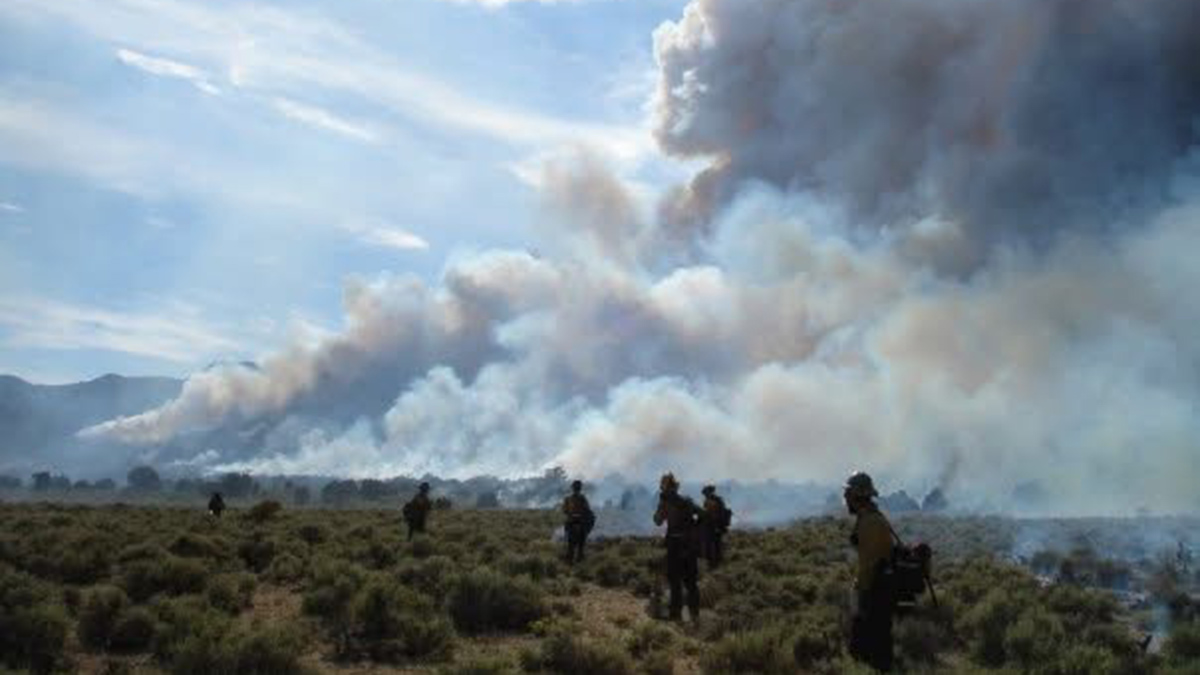
The Goldilocks Conditions for Wildfires

Twenty years of data from around the world show that areas that are not too dry and not too wet are most conducive to wildfire burning.
Posted inEditors' Vox
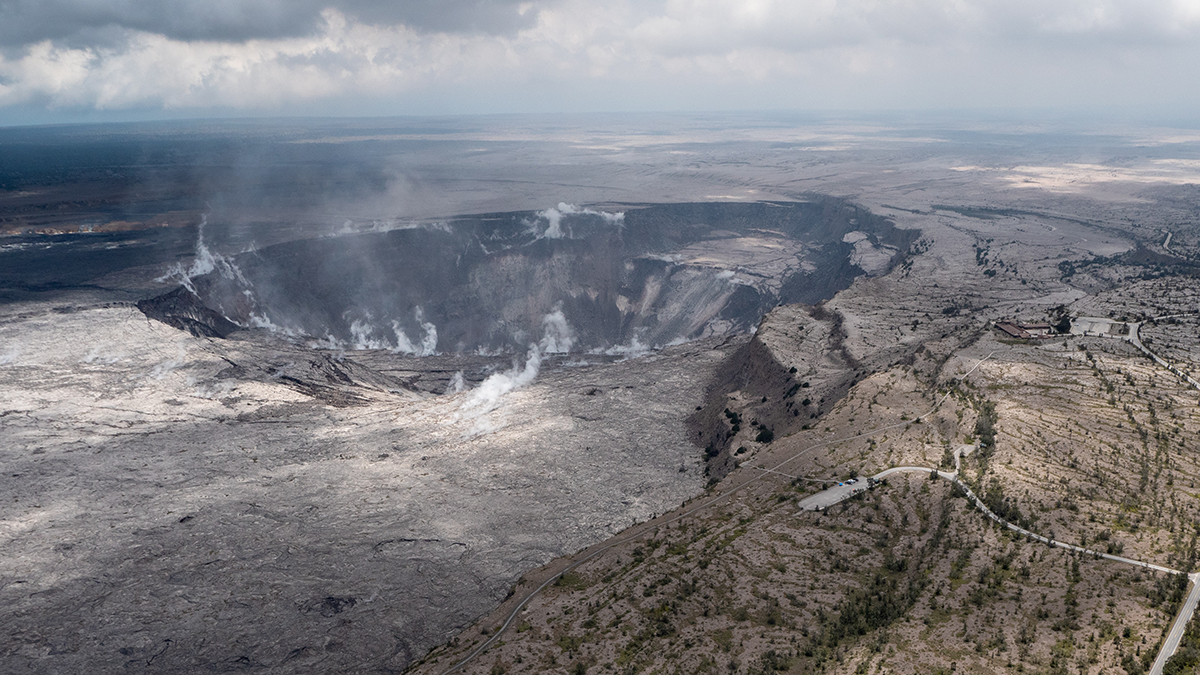
Rising Concerns of Climate Extremes and Land Subsidence Impacts
Increasing interplay among extreme events and land subsidence impacts calls for urgent mitigation and policy action to reduce detrimental ramifications to infrastructure and people.
Posted inResearch Spotlights
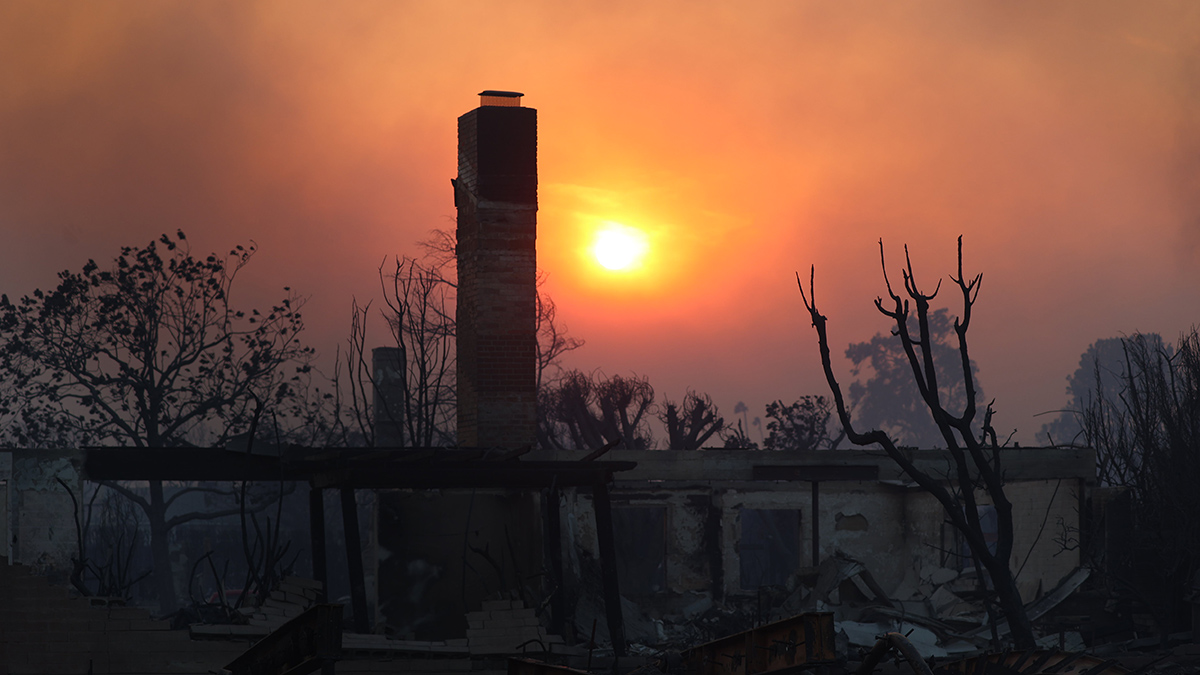
Charting a Path from Fire Features to Health Outcomes
A new framework aims to better equip scientists, communities, and decisionmakers to characterize data and rapidly respond to wildland-urban interface fires and their effects on public health.