• About
  • Special Reports
  • Topics
    • Climate
    • Earth Science
    • Oceans
    • Space & Planets
    • Health & Ecosystems
    • Culture & Policy
    • Education & Careers
    • Opinions
  • Projects
    • Postcards From the Field
    • ENGAGE
    • Editors’ Highlights
    • Editors’ Vox
    • Eos en Español
    • Eos 简体中文版
    • Print Archive: 2015–2025
  • Policy Tracker
  • Blogs
    • Research & Developments
    • The Landslide Blog
  • Newsletter
  • Submit to Eos
  • AGU.org
  • Career Center
  • Join AGU
  • Give to AGU
  • About
  • Special Reports
  • Topics
    • Climate
    • Earth Science
    • Oceans
    • Space & Planets
    • Health & Ecosystems
    • Culture & Policy
    • Education & Careers
    • Opinions
  • Projects
    • Postcards From the Field
    • ENGAGE
    • Editors’ Highlights
    • Editors’ Vox
    • Eos en Español
    • Eos 简体中文版
    • Print Archive: 2015–2025
  • Policy Tracker
  • Blogs
    • Research & Developments
    • The Landslide Blog
  • Newsletter
  • Submit to Eos
Skip to content
  • AGU.org
  • Career Center
  • Join AGU
  • Give to AGU
Eos

Eos

Science News by AGU

Support Eos
Sign Up for Newsletter
  • About
  • Special Reports
  • Topics
    • Climate
    • Earth Science
    • Oceans
    • Space & Planets
    • Health & Ecosystems
    • Culture & Policy
    • Education & Careers
    • Opinions
  • Projects
    • Postcards From the Field
    • ENGAGE
    • Editors’ Highlights
    • Editors’ Vox
    • Eos en Español
    • Eos 简体中文版
    • Print Archive: 2015–2025
  • Policy Tracker
  • Blogs
    • Research & Developments
    • The Landslide Blog
  • Newsletter
  • Submit to Eos

conservation

A pile of unprocessed coal briquettes is photographed from above. The image is in shades of gray and black and is more illuminated in the center than along the edges.
Posted inNews

Lake Sediments Record North Carolina’s Coal Legacy

Kimberly M. S. Cartier, News Writing and Production Intern for Eos.org by Kimberly M. S. Cartier 14 October 20228 February 2023

Coal ash–polluted lakes are in residential and recreational areas, invoking concern for the health of local residents and ecosystems.

Aerial view of a farm in Illinois
Posted inNews

Wetlands on the Farm: Potent, Nutrient-Capturing Tools in (Relatively) Small Packages

by Kristen Coyne 21 September 2022

Constructed wetlands can significantly reduce water pollution from tile-drained farms.

Aerial view of the Colorado River
Posted inNews

Building Resilience in the Face of a Dwindling Colorado River

Jane Palmer, Science Writer by Jane Palmer 5 August 202225 October 2022

Policymakers, industry and conservation professionals, and tribal members explore pathways to a sustainable future for the millions of people reliant on the “lifeblood of the American West.”
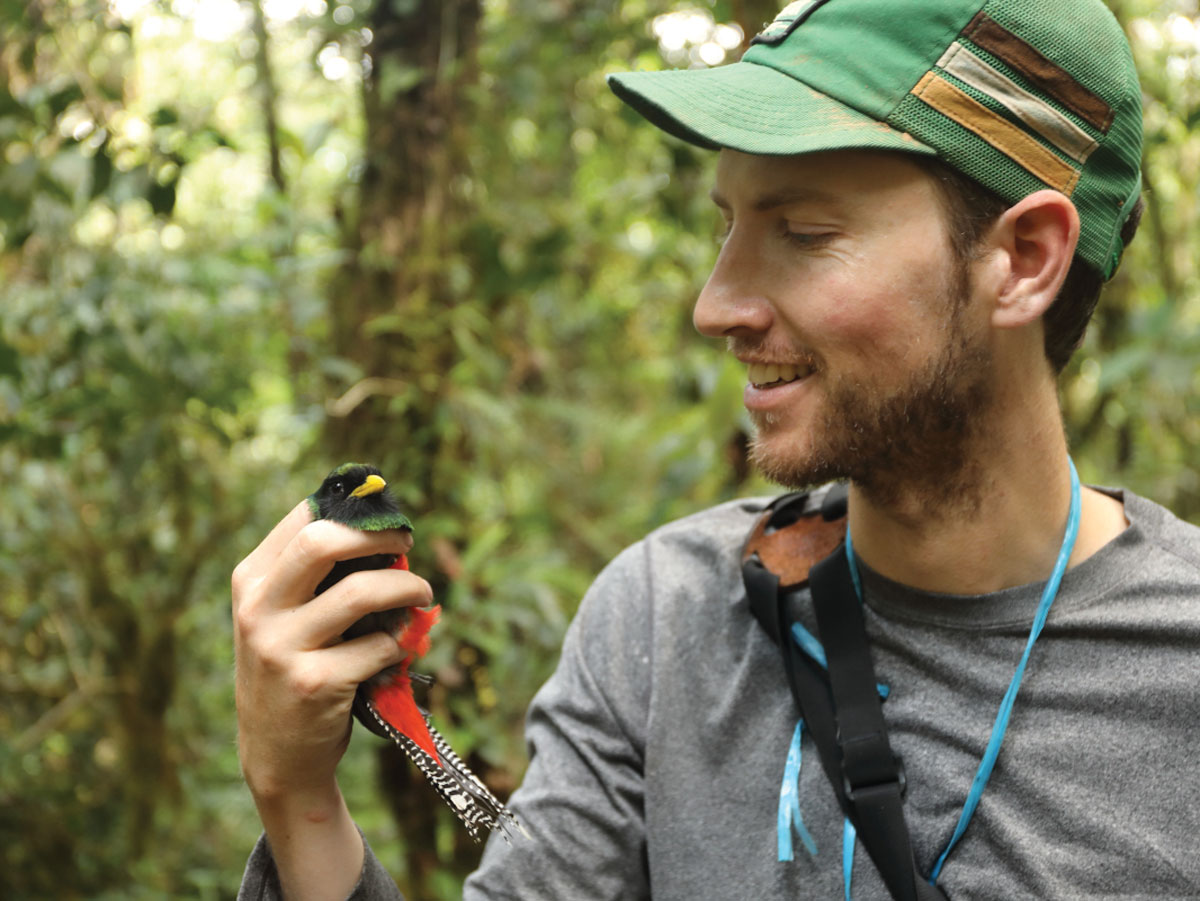
Ben Freeman holding a collared trogon in Peru.
Posted inFeatures

Benjamin Freeman: Slowing Birds’ “Escalator to Extinction”

Richard Sima, freelance science writer by Richard J. Sima 25 July 202225 July 2022

From Bolivia to Peru, Freeman researches how a warming world affects tropical birds.
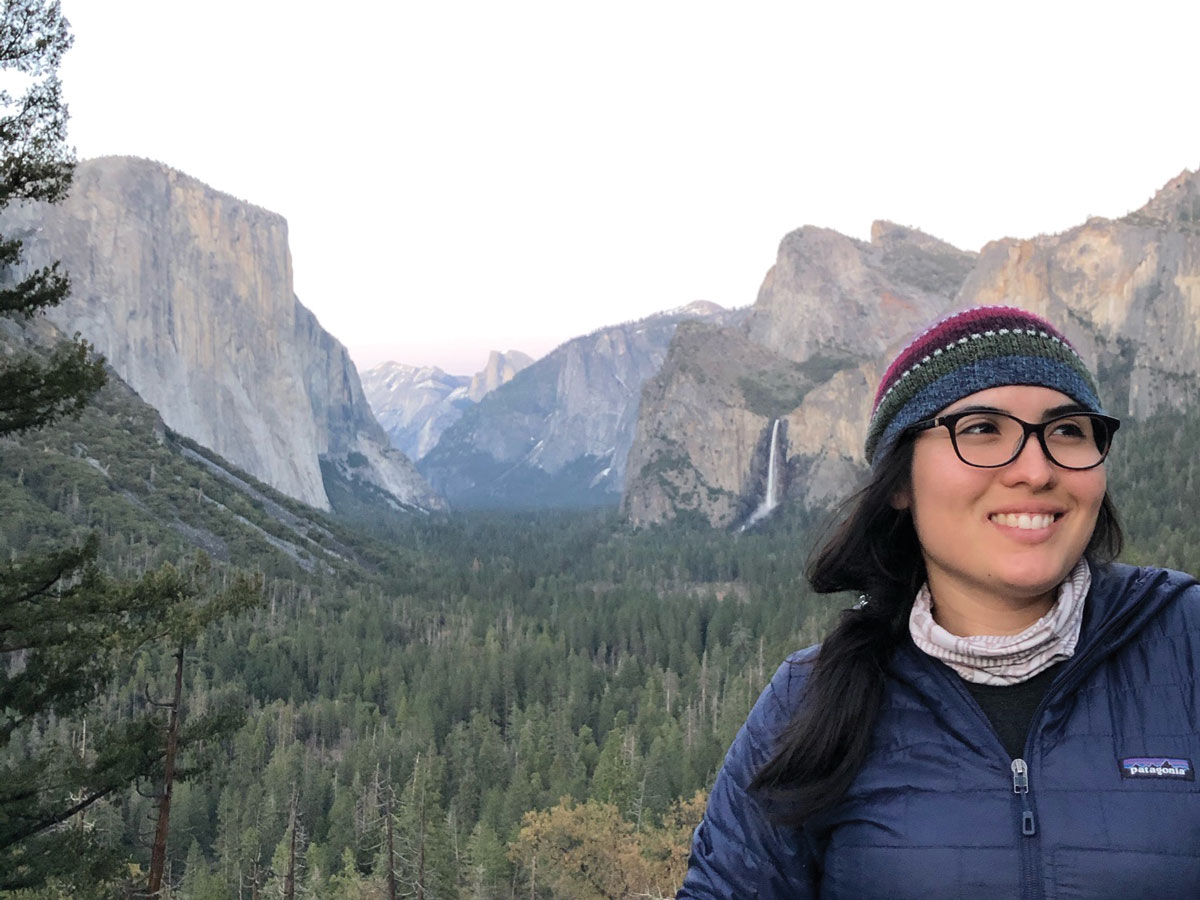
Jimena Díaz Leiva standing in front of pine trees and cliff faces in Yosemite National Park.
Posted inFeatures

Jimena Díaz Leiva: Changing Conservation Narratives

by Jackie Rocheleau 25 July 202222 December 2022

Díaz Leiva has been to Peru and beyond as she works on environmental and social justice projects.

Emil Cherrington stands on a boat in the middle of a river in Belize in May 2019.
Posted inFeatures

Emil Cherrington: Bringing Satellite Data Down to Earth

Kimberly M. S. Cartier, News Writing and Production Intern for Eos.org by Kimberly M. S. Cartier 25 July 202225 July 2022

Showing how eyes in the sky can help people on the ground.
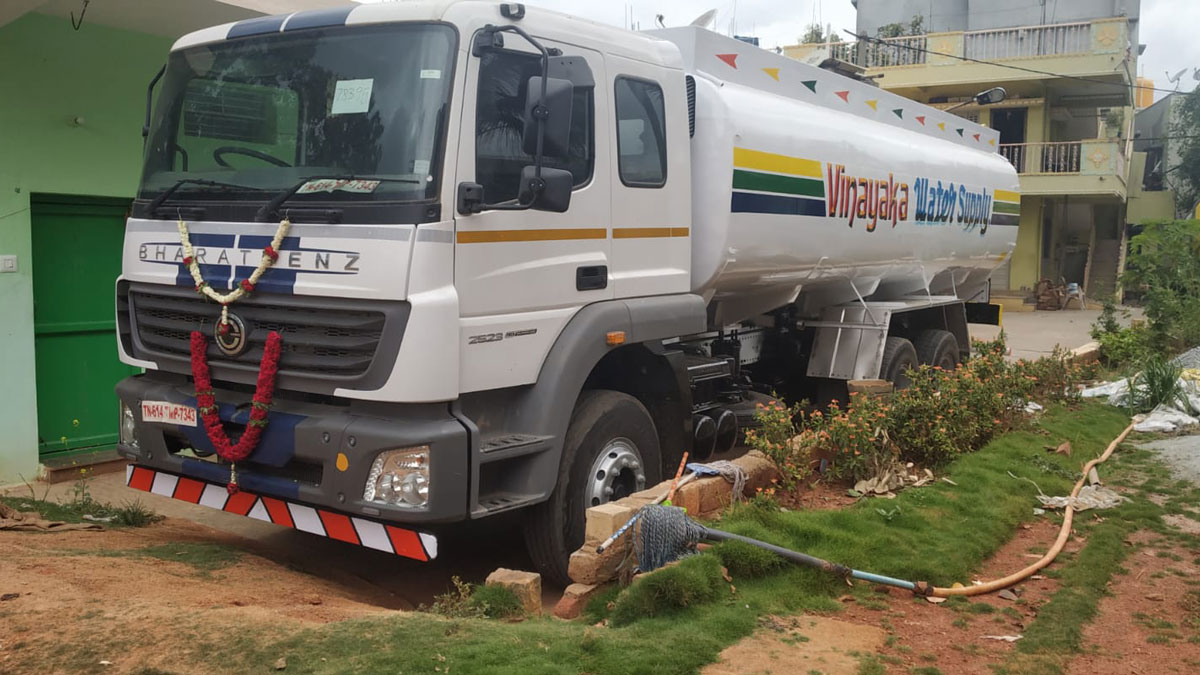
A water tanker truck parked outside an apartment complex in Bengaluru, India
Posted inOpinions

Deploying Community Water Solutions with People, for People

by Indrani Pal, Celena Wasserstrom, Adriel Chang and Ganesh Shanbhag 14 July 20221 June 2023

Guiding principles and strategies for solving local water availability problems in India have emerged from collaborations involving water users, water experts, and water solutions providers.
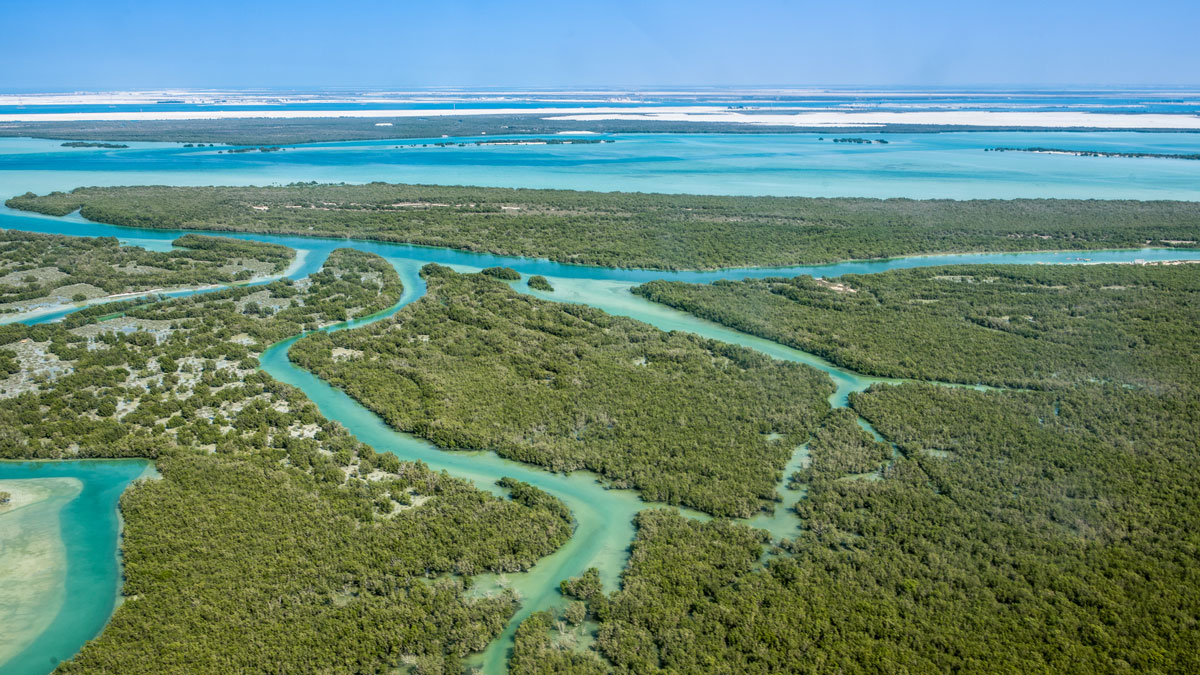
Aerial view of a coastal mangrove wetland in Abu Dhabi.
Posted inNews

Planting Wetlands Could Help Stave Off Climate Catastrophe

by Jennifer Schmidt 1 June 20221 June 2023

A shift in priority and approach to wetland restoration could reduce atmospheric carbon.
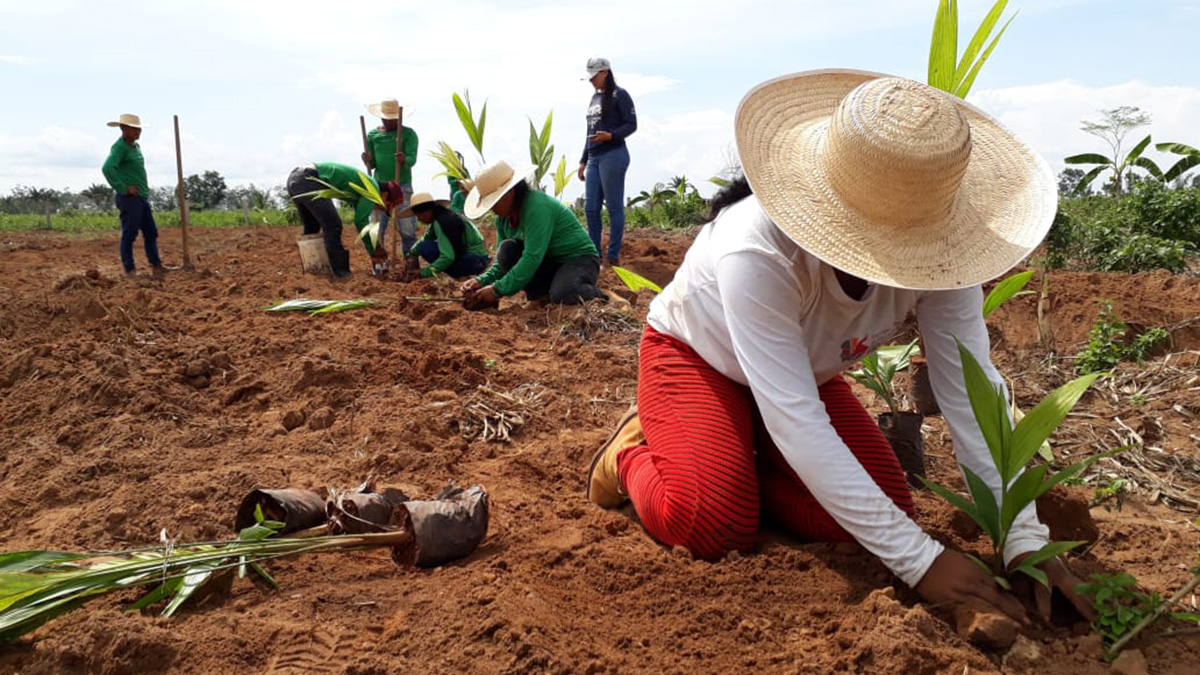
A woman wearing a hat plants seedlings in the foreground of this picture, as a group of men and women do the same farther back.
Posted inNews

Traditional Knowledge Is Essential to Sustainability in the Amazon

by Meghie Rodrigues 12 November 202116 December 2022

At COP26, the Science Panel for the Amazon is emphasizing the need for Indigenous and Local Knowledge to inform scientific and policy recommendations.
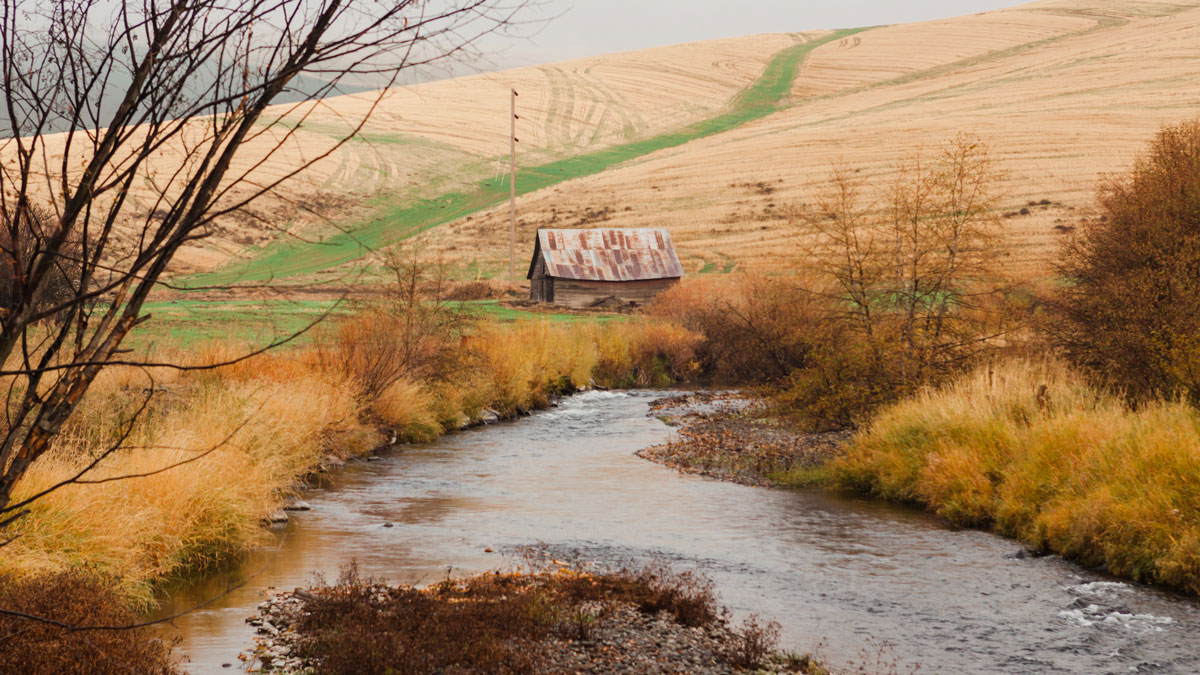
A stream in autumn with trees and vegetation along both banks, with an old barn and agricultural fields in the background.
Posted inENGAGE, News

Scientists Call for Policies to Buffer Agricultural Runoff

by Jady Carmichael 22 October 202129 March 2023

By reviewing 44 studies, researchers make a scientific case for regulating agricultural pollution of streams and rivers by implementing conservation practices, including riparian buffer zones.

Posts pagination

Newer posts 1 … 4 5 6 7 8 … 11 Older posts
Over a dark blue-green square appear the words Special Report: The State of the Science 1 Year On.

Features from AGU Publications

Research Spotlights

Auroral Structure Could Be Caused by Bouncing Electrons

19 October 202619 October 2026
Editors' Highlights

Equatorial Pacific Warming Pattern Mitigated by Slow Ocean Adjustment

19 October 202619 October 2026
Editors' Vox

Where Fire Ends, Chemistry Begins

30 September 202630 September 2026
Eos logo at left; AGU logo at right

About Eos
ENGAGE
Awards
Contact

Advertise
Submit
Career Center
Sitemap

© 2026 American Geophysical Union. All rights reserved Powered by Newspack