
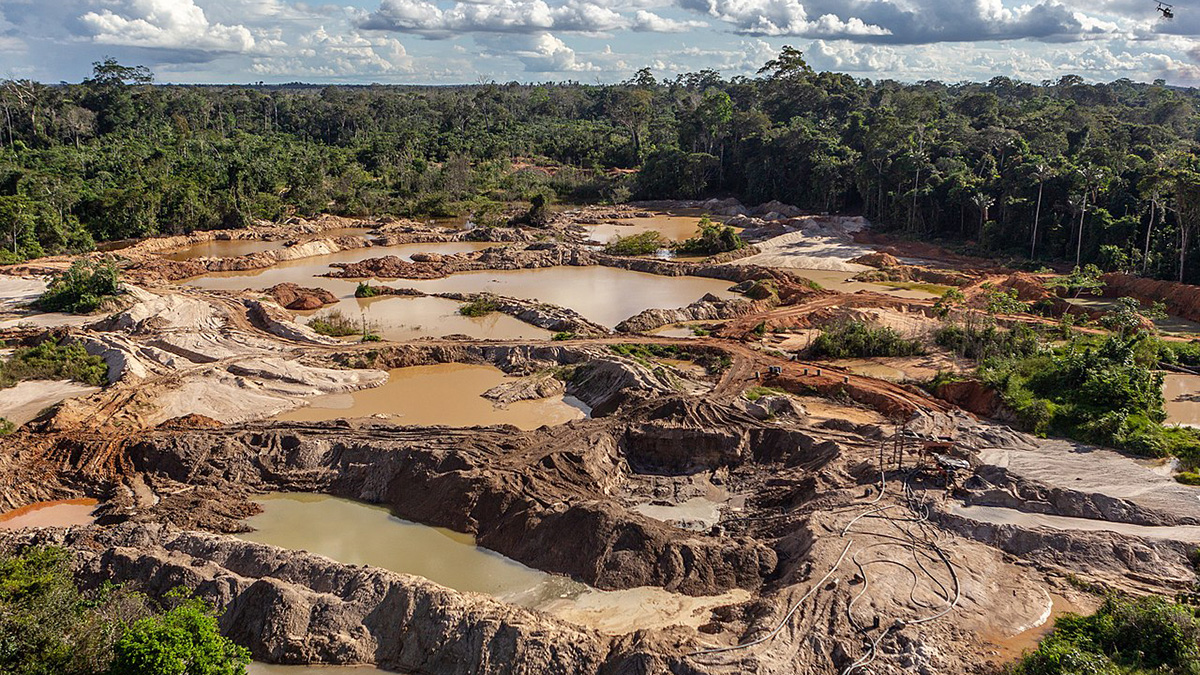
A bill in the Brazilian congress could grant a wide expansion for mining on Indigenous lands. New research shows how this could radically affect isolated peoples.
culture & policy
Posted inENGAGE, Features
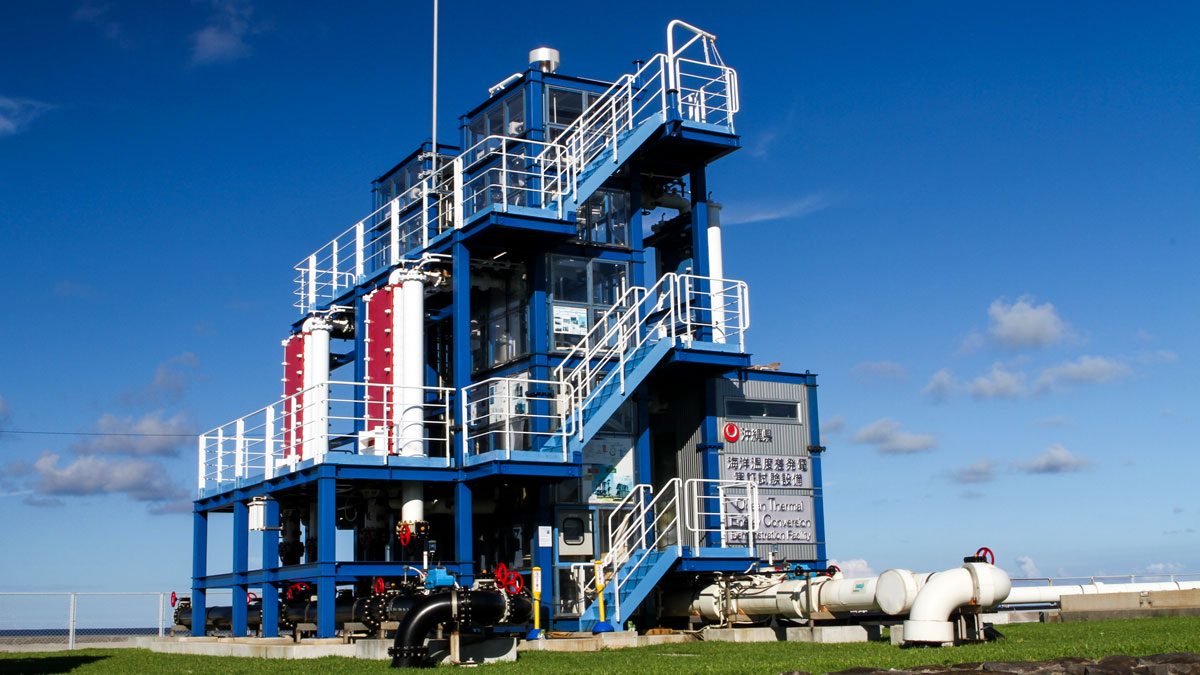
The Century-Old Renewable You’ve Never Heard Of

Ocean thermal energy conversion could power the world’s tropical islands, if it ever gets out of the “innovation valley of death.”

Posted inFeatures
The 2-Year Countdown to Deep-Sea Mining

A small island nation is forcing the hand of international regulators to finalize rules for deep-sea mining, but scientists say the environmental consequences are not yet clear.
Posted inNews
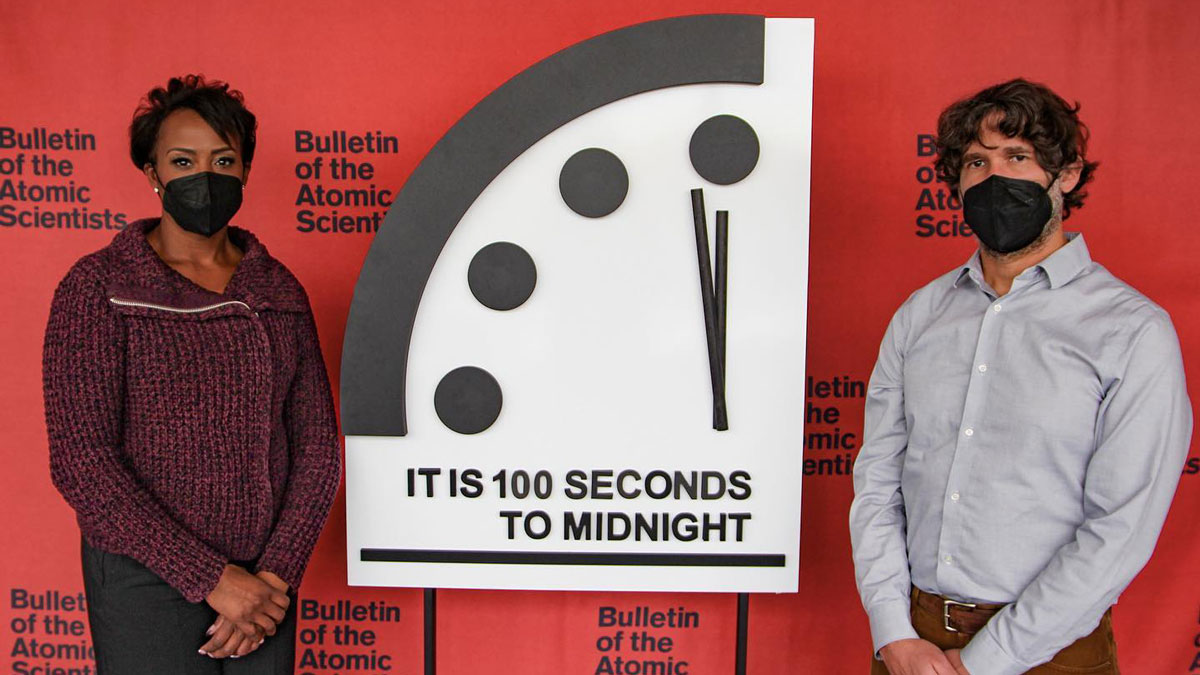
Climate Scientist Reflects as Doomsday Clock Stays at 100 Seconds to Midnight
On the 75th anniversary of the Doomsday Clock, major threats against the world have not waned, say organizers.
Posted inNews
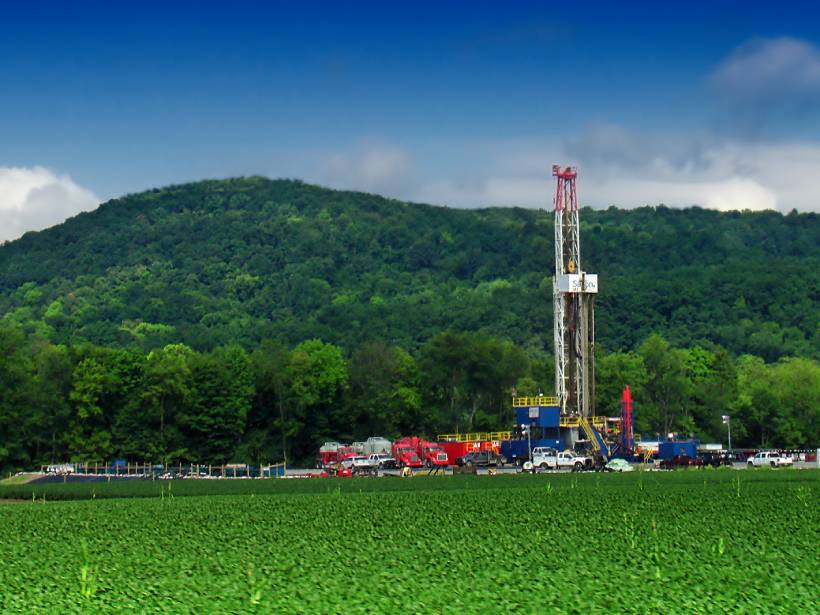
Lo que una nueva orden ejecutiva significa para frenar las emisiones de metano

La orden ejecutiva de Biden llama a considerar una nueva regulación de metano que viene justo después de un nuevo análisis global del impacto del combustible en el cambio climático.

Posted inENGAGE, News
Mapping Teotihuacan’s Past, Present, and Future
A new lidar project reveals how mining and urban expansion have put one of Mexico’s most iconic cultural heritage sites at risk.

Posted inFeatures
When Climate Ruled the Dinosaurs of Grand Staircase

Living in Geologic Time: Navigate the prolific boneyards and shifting boundaries of Grand Staircase-Escalante and Bears Ears National Monuments.
Posted inNews
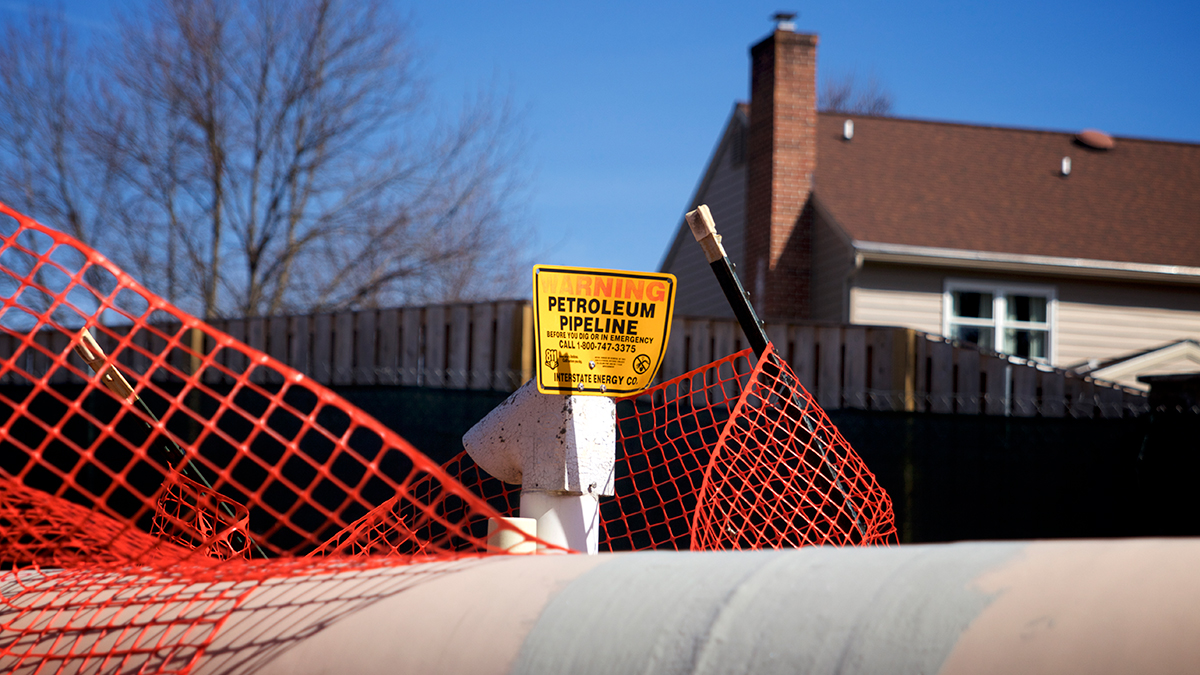
A Gas Pipeline Investigation Built on Community-Centered Ideas

From developing a research question to enacting solutions, environmental justice requires community engagement in every step of the scientific process.
Posted inNews
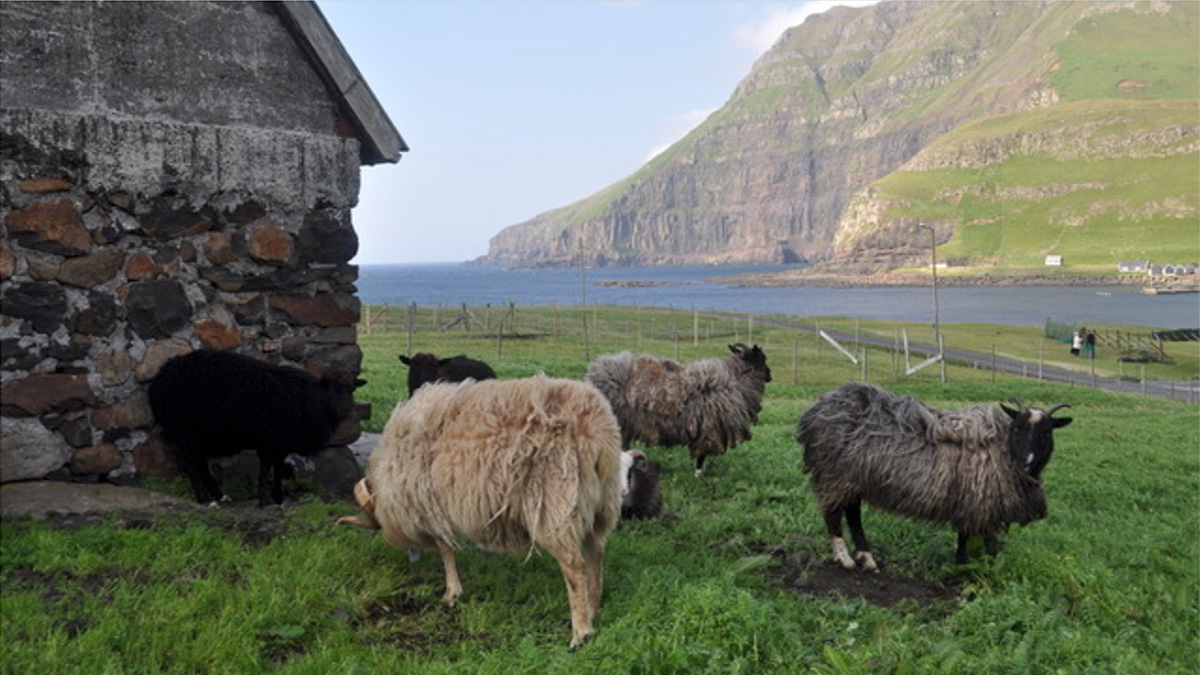
Ancient Eruptions Reveal Earliest Settlers on the Faroe Islands
Lake sediment is helping scientists resolve a decades-long historical mystery.

Posted inNews
Projection: $110 Billion in Repairs for Russian Pipelines on Permafrost
Permafrost thaw is a major threat to pipelines in the Russian Arctic, particularly those carrying natural gas.