
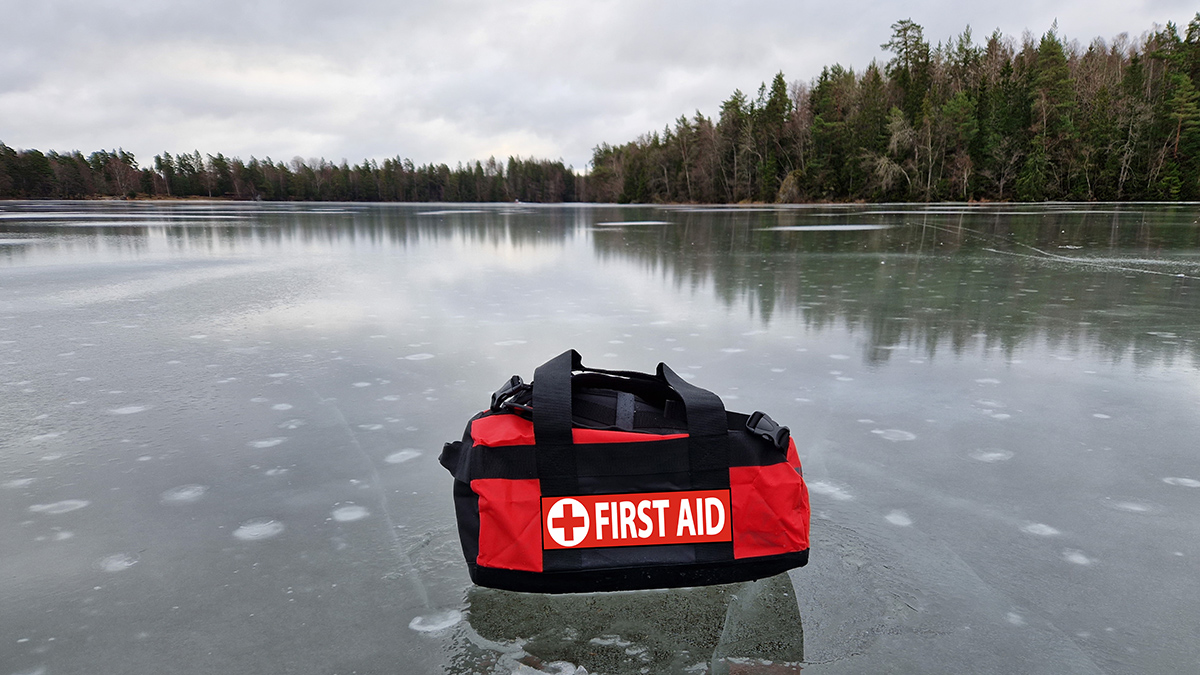

湖泊正面临着一系列可能成为长期问题的健康问题。人类健康保健策略会有所帮助吗?
Earth science
Posted inEditors' Highlights
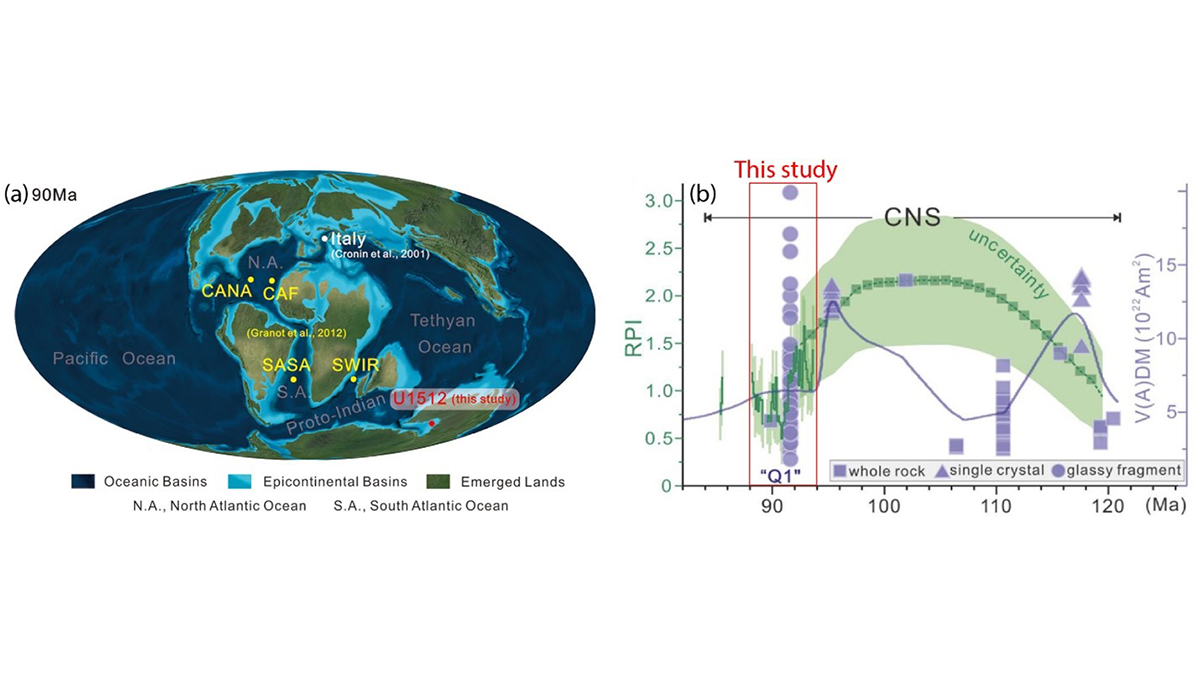
The Not-So-Quiet Cretaceous Quiet Zone
A new study finds that Earth’s magnetic field intensity varied significantly during the Cretaceous Normal Superchron, providing insights into the operation of the geodynamo during superchrons.

Posted inNews
Forever Chemicals Are Raining Down on the Great Lakes

PFAS levels are growing in some of the Great Lakes, and precipitation is a big contributor.

Posted inNews
Sand’s Role in Rerouting Meandering Rivers Is Bigger Than We Thought

Researchers delve into the dirt causing rivers to migrate.
Posted inEditors' Highlights
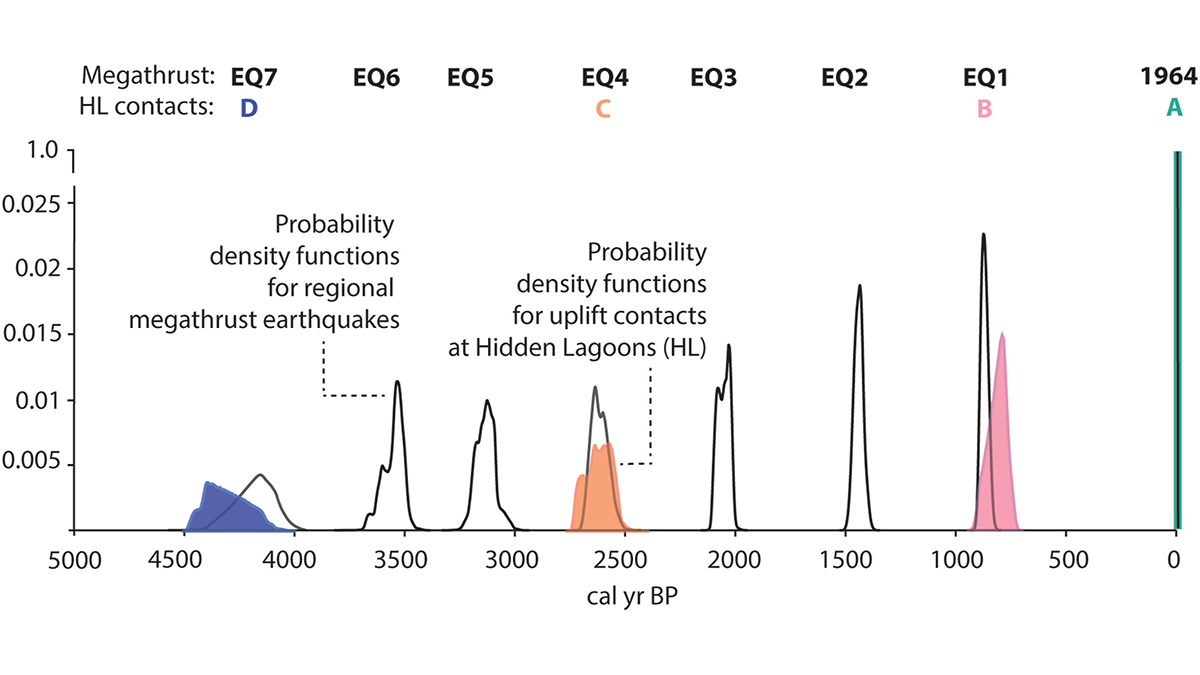
Repeated Coseismic Uplift Above the Patton Bay Splay Fault, Alaska
Stratigraphic and diatom analyses suggest ruptures of the Patton Bay splay fault occurred together with half of the documented great Alaskan megathrust earthquakes during the past 4,200 years.

Posted inResearch Spotlights
Tsunami Sands Help Scientists Assess Cascadia Earthquake Models
With evidence from new sediment cores, researchers tested the performance of various models of the 1700 CE megathrust earthquake.

Posted inEditors' Highlights
Are the Geosciences Failing Their Qualifying Exam Goals?

Scientists favor data-driven reasoning but administer graduate student qualifying exams with surprisingly little guiding data. Re-examining these exams may advance educational equity and quality.

Posted inFeatures
Cerrando la brecha entre las geociencias y la seguridad nacional
La comunidad de geociencias y las agencias de seguridad nacional necesitan una comunicación efectiva y bidireccional para intercambiar información.
Posted inNews
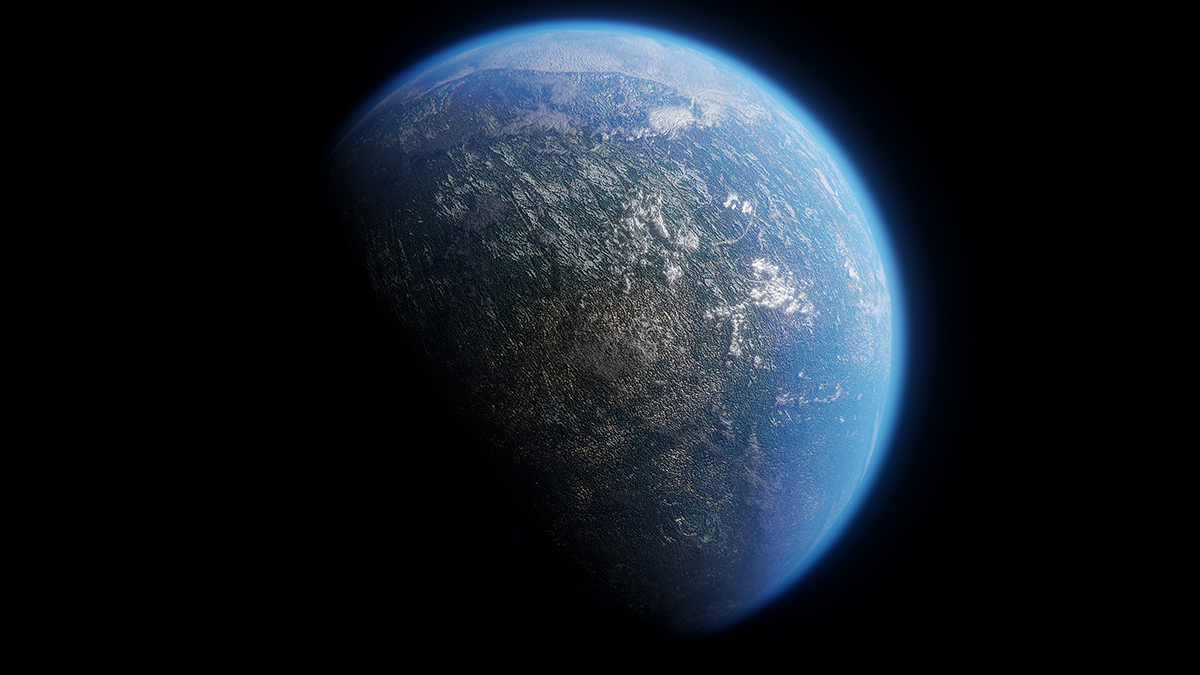
A Step Closer to Solving the Fermi Paradox

Finding evidence of complex life elsewhere in the Milky Way galaxy hinges on locating rocky planets with plate tectonics and a mixture of landmasses and oceans, new research suggests.

Posted inAGU News
Charting New Territory
From the abyss of the Antarctic to proxy lunar landscapes in Arizona, fieldwork gives Earth and space scientists insight and experience.