

Recent progress in the analysis of seismic waves enables us to determine where, and sometimes how, the base of the mantle deforms.
Earth science

Posted inEditors' Highlights
A Seismogenic Shear Zone Diagonal to the Main Himalayan Thrusts
Scientists document active seismic shear along a major lineament of Sikkim Himalaya diagonal to the Main Himalayan Thrusts.

Posted inNews
Radar Data Show Thwaites Gets a Daily Bath of Warm Seawater
The Doomsday Glacier, predicted to raise global sea level by more than half a meter, could be exposed to more warm ocean water than previously thought.

Posted inNews
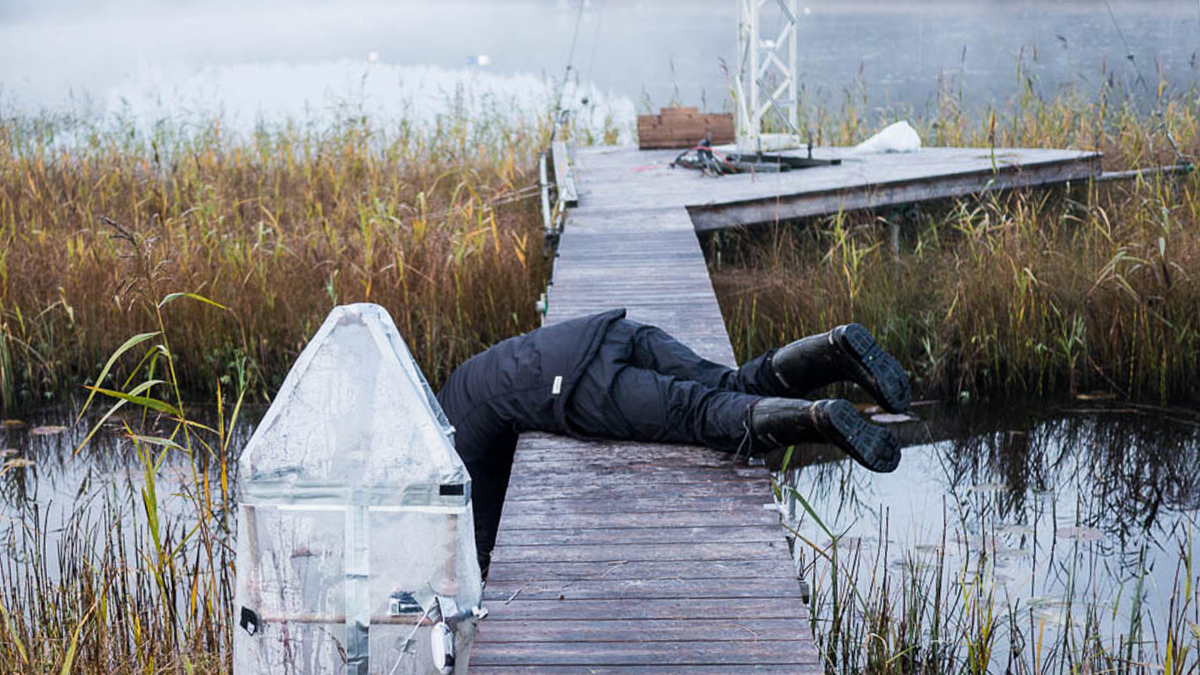
Wildfire Smoke Affects the Function of Lake Ecosystems
Smoke-covered lakes see shifts in biological and energy processes that influence food webs, carbon storage, and more.
Posted inResearch Spotlights
Fifty-Three Experts Weigh in on the Global Methane Budget

A survey of experts revealed that uncertainty in estimates of global methane levels stems largely from data on fresh water, vegetation, and coastal areas.
Posted inEditors' Highlights
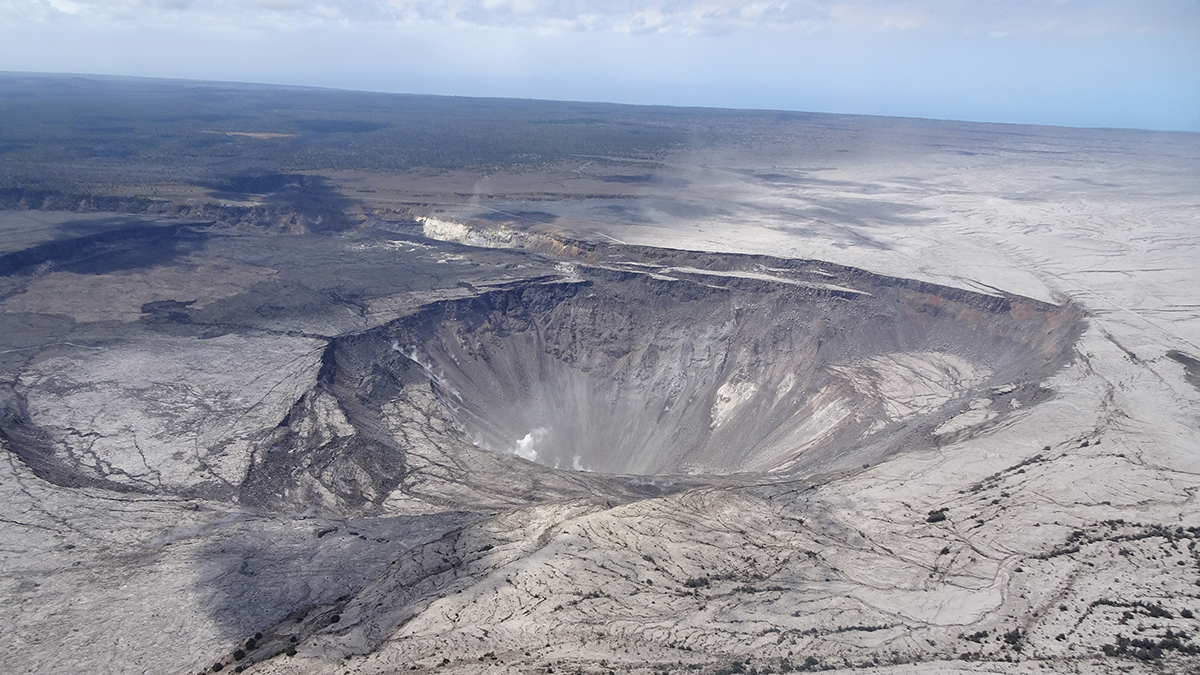
Caldera Collapse as a Natural Example of Rock Friction
Recurrent slips on the caldera wall of the Kīlauea Volcano are a natural experiment not only to understand the mechanics of caldera formation but also to gain more insights into fault friction.

Posted inNews
Sedimentary Basins Tell Zealandia’s Ancient Story
New interpretations and mapping of all New Zealand’s offshore sedimentary basins offer clues about the evolution of Earth’s eighth continent.

Posted inNews
Potential Relief for the Colorado River’s Near Future

A new study reveals that precipitation could boost the iconic river’s flow in the next couple of decades despite the deleterious effects of warming temperatures due to climate change.
Posted inResearch Spotlights
Cómo los movimientos del manto dan forma a la superficie terrestre

Dos nuevos conjuntos de datos ayudan a los investigadores a separar las influencias de la tectónica de placas y el movimiento del manto en la topografía de la superficie.

Posted inNews
Toxic Metal on the Rise in the Baltic Sea
Postwar reconstruction is likely the cause of elevated thallium levels, but low-oxygen, high-sulfide conditions keep the material, which is extremely dangerous to mammalian health, from moving into the human food chain.