

Microbes in mulch scrub nitrate from groundwater before it flows to the sea.
Earth science

Posted inENGAGE, News
How Liquid Is That Lava?
A new device helps scientists measure lava viscosity during active flows.
Posted inNews
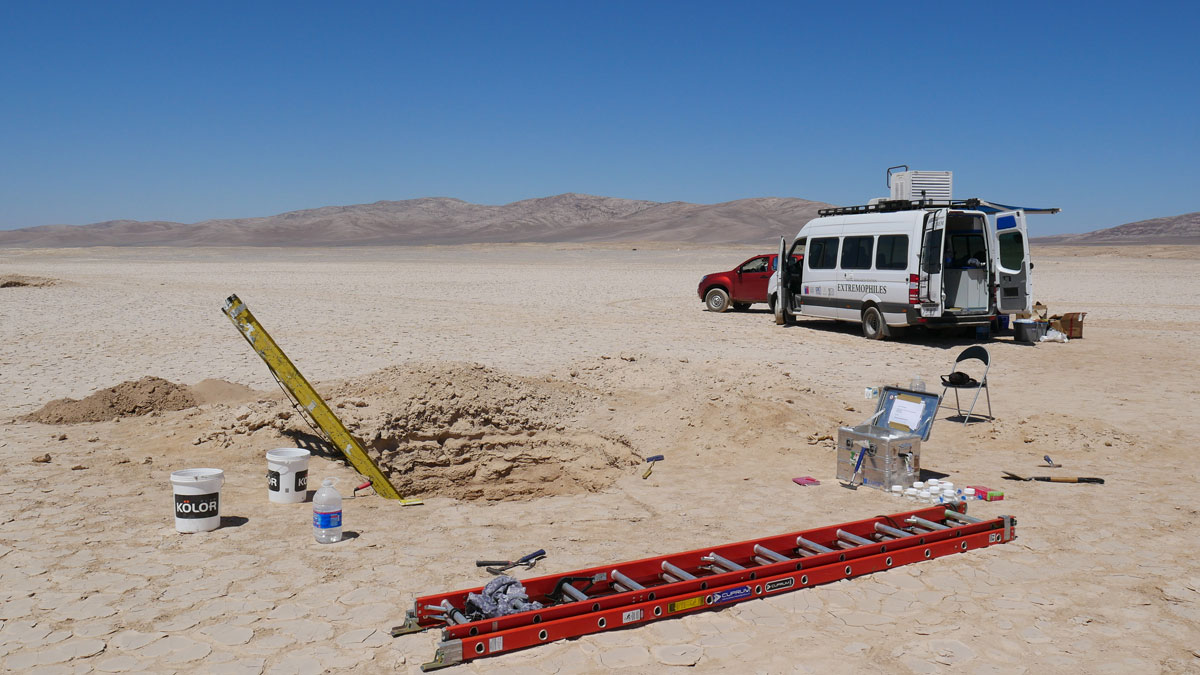
Researchers Find Bacterial Communities Deep Beneath the Atacama
Extremophile microbes exist in the gypsum-rich “fringes” of the driest place on Earth.

Posted inNews
The Tonga Eruption Left Deep-Sea Life Buried in Ash
When Hunga erupted in 2022, ash “decimated” slow-moving species living on the seafloor. More mobile species were able to hoof it out of harm’s way.
Posted inEditors' Highlights
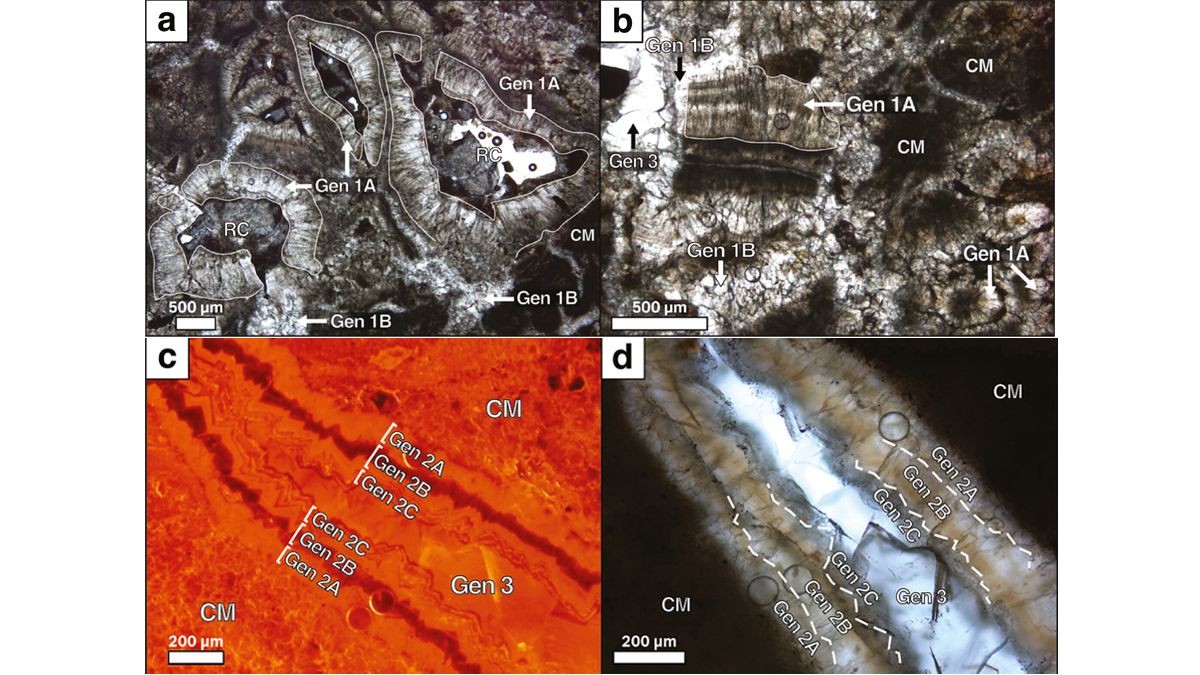
Unlocking Earth’s Terrestrial Sedimentary Record with Paleosols
Harnessing the micro-stratigraphy of pedogenic carbonates, scientists have demonstrated that age determination of fossil soils is possible via uranium-lead dating.

Posted inNews
New Zealand Has a Unique Fossil Record Named FRED
The near-complete database reflects a spirit of trust and collaboration among the country’s scientific community—but will it last?
Posted inResearch Spotlights
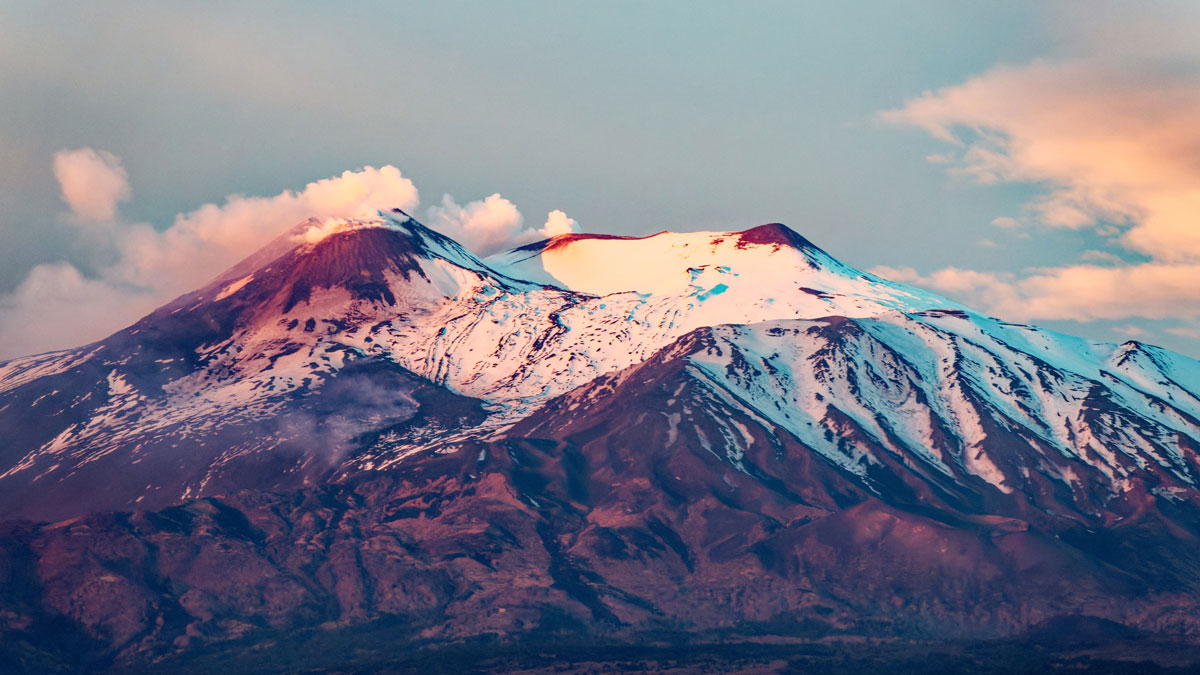
Improved Imaging Offers New Insight into Mount Etna
Anisotropic tomography provides a more complete picture of the Sicilian volcano’s inner workings.
Posted inEditors' Highlights
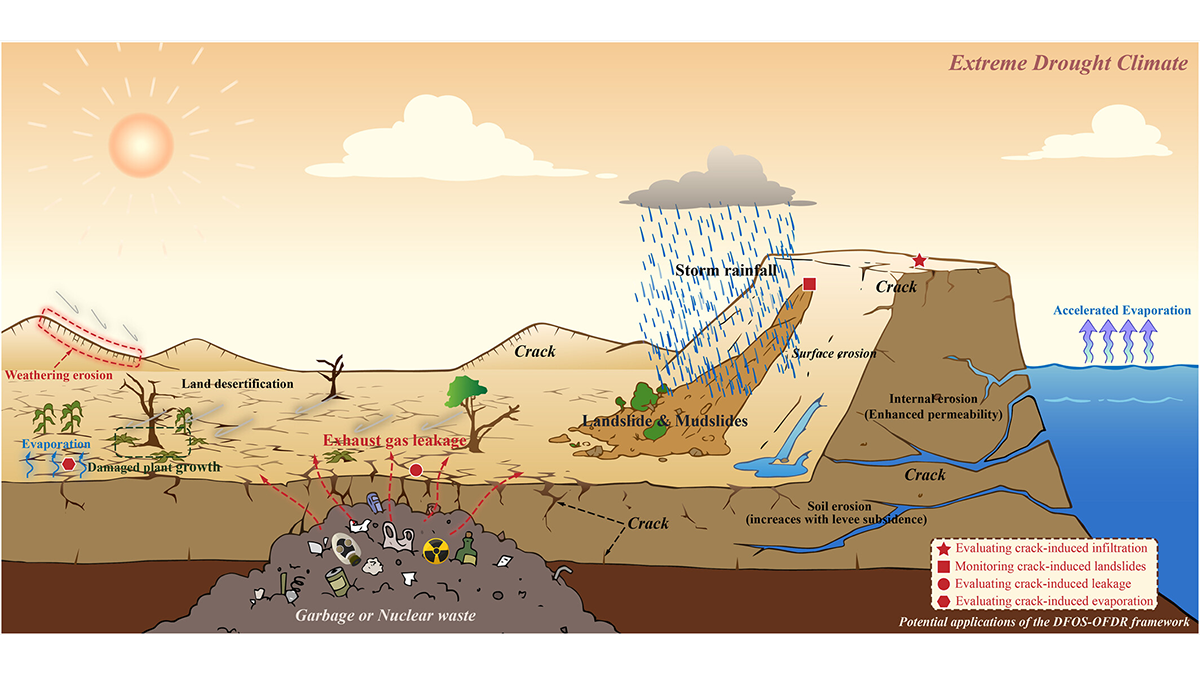
New Observations Provide Insight into Soil Desiccation Cracking
A new application of distributed fiber optic sensing provides early detection of soil desiccation cracking behavior and illustrates, for the first time, the phenomenon of soil crack breathing.
Posted inResearch Spotlights
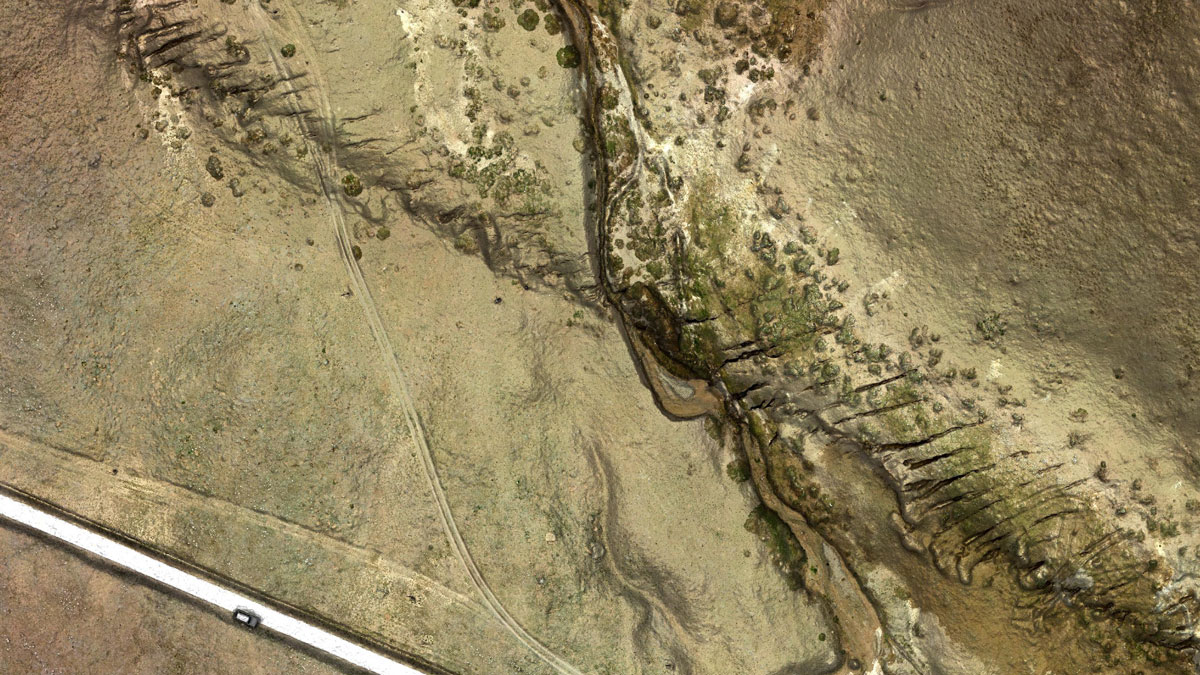
断裂成熟度和断裂走向,哪个对大地震更重要?

对青藏高原2021年玛多地震的详细研究表明,与先前的假设相反,断裂走向对地震破裂动力学特征的影响有时会超过断裂成熟度的影响。
Posted inNews
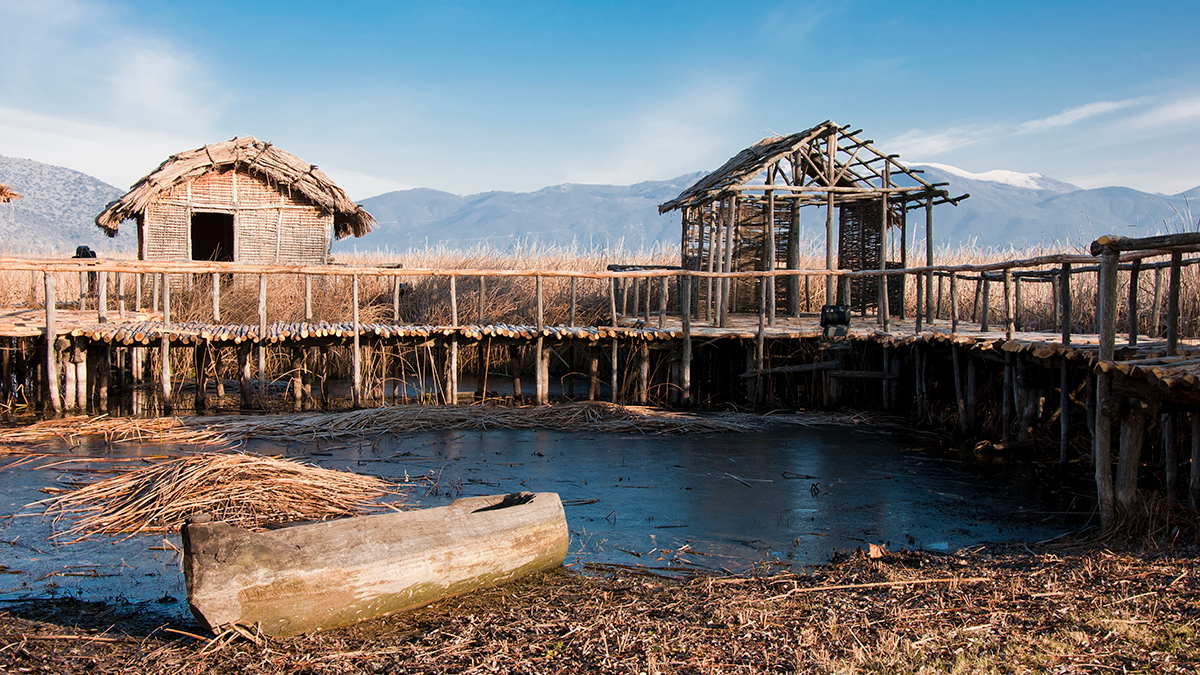
Cosmic Rays Shed Light on Stone Age Timelines
Signatures of a long-ago solar storm, recorded in tree rings, helped researchers date a 7,400-year-old settlement in northern Greece.