


Passive seismische Daten von einer Messstation auf der Zugspitze zeichneten im Lauf der letzten 15 Jahre den Schwund von Permafrost auf. Somit eignet sich dieses Verfahren vermutlich auch für die langfristige Überwachung der Umwelt.
Earth science
Posted inNews
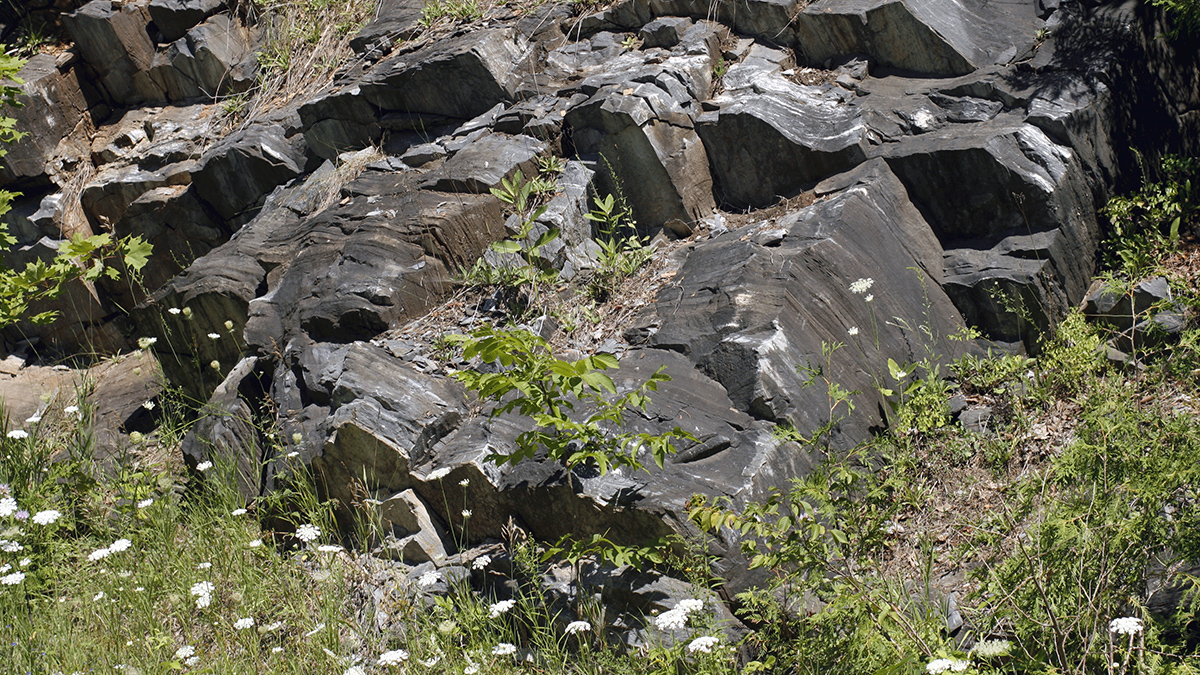
Sedimentos radiactivos podrían haber construido los cratones de la Tierra

La meteorización de los primeros continentes podría haber puesto en marcha la formación de cratones, las raíces inmutables de los continentes.
Posted inResearch Spotlights
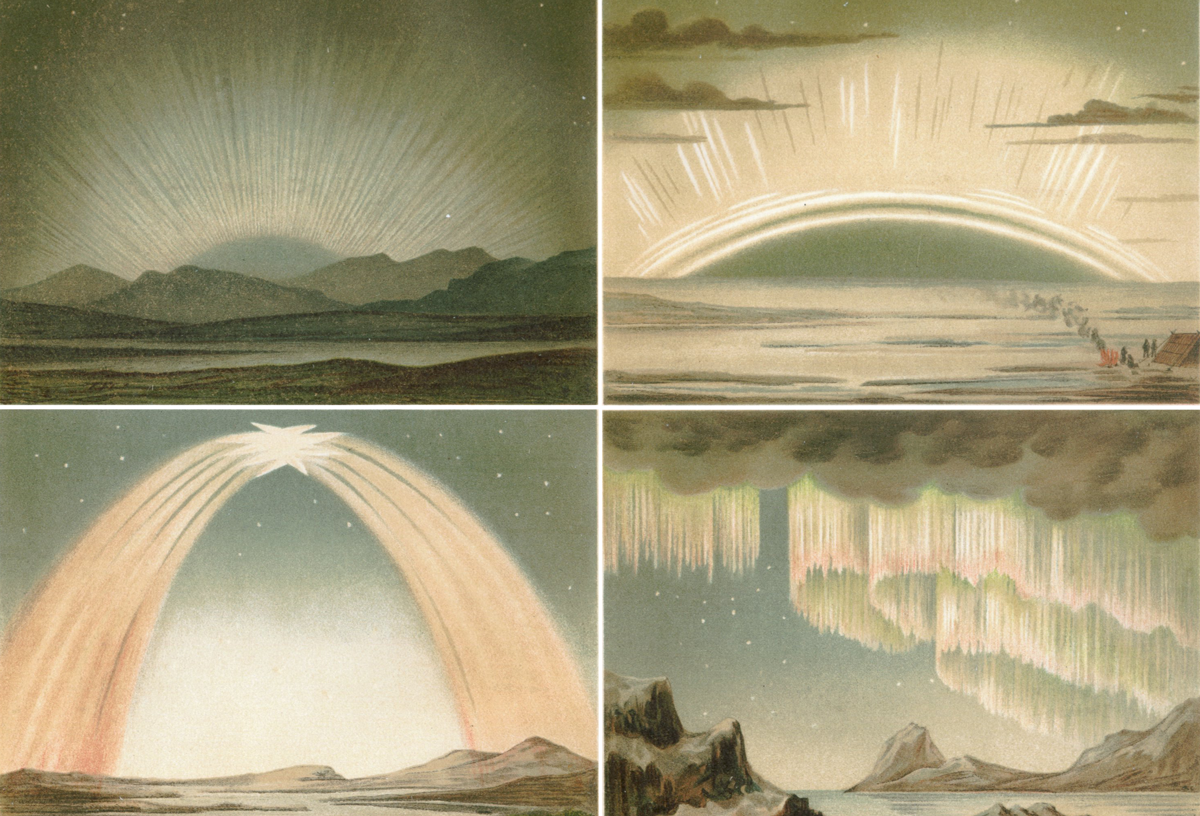
Let’s Get Geophysical: Tracking the Evolution of AGU Journal Article Titles
A new study catalogs the most frequently used words in the archive of AGU journal article titles and considers the story these words tell about the evolving fields of Earth and space sciences.

Posted inScience Updates
How Great was the “Great Oxidation Event”?
Geochemical sleuthing amid acid mine runoff suggests that scientists should rethink an isotope signal long taken to indicate low levels of atmospheric oxygen in Earth’s deep past.

Posted inNews
More Than Half of Contiguous U.S. River Water Comes from Ephemeral Streams
The finding has potential implications for water regulations, which don’t currently cover these seasonal streams.

Posted inResearch Spotlights
Imaging Below the Surface Reveals One of Los Angeles’s Webs of Faults
Damage zones extend to either side of many faults and can affect how future earthquakes behave.
Posted inNews
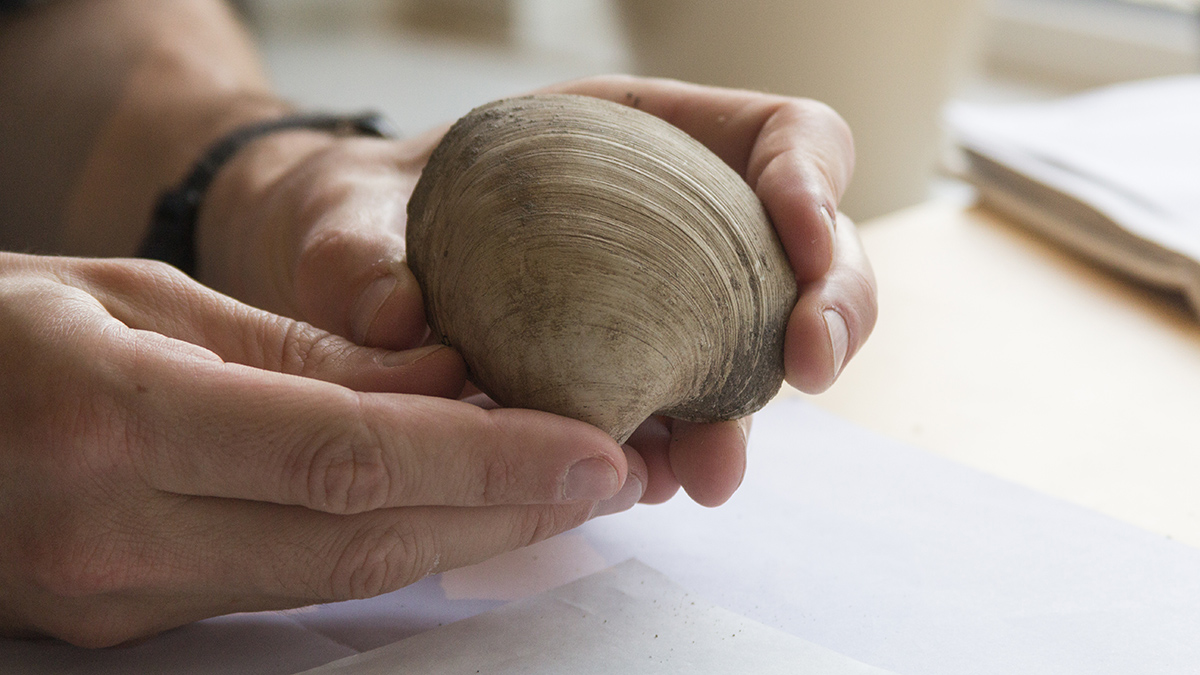
Fossilized Shells Reveal the Seasonality of a Warmer Climate
Summers could warm faster than winters in northern Europe, paleoclimate research suggests.
Posted inNews
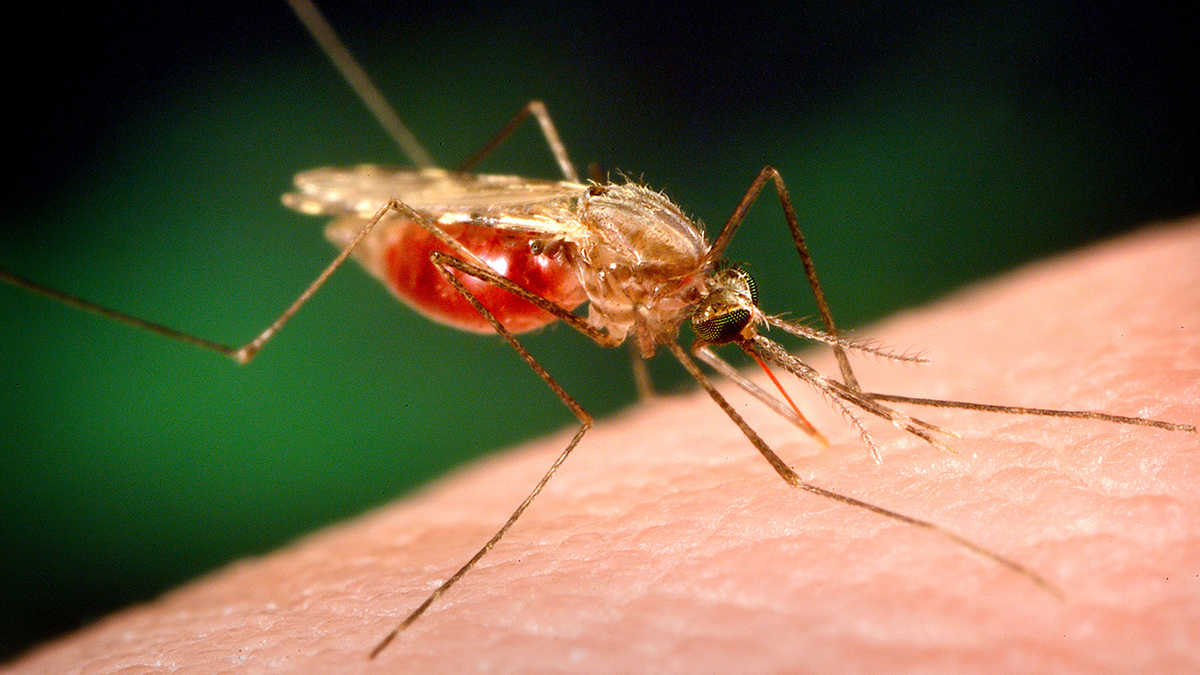
La transmisión de la malaria en África varía con el clima y la hidrología
Los datos sobre las precipitaciones por sí solos no pueden predecir dónde puede aparecer la malaria. Si se tienen en cuenta los procesos hidrológicos, los investigadores pueden hacerse una imagen más precisa de la transmisión.

Posted inFeatures
Britney Schmidt: Following the Ice

An Earth and planetary scientist is most at home in cold places that mimic the worlds of the outer solar system.

Posted inFeatures
Sarah Minson: A Collaborative Quake Career
A geophysicist thrives on teamwork at the U.S. Geological Survey.