


In tandem, two strategies could lower water consumption by 28% and ensure better water supply for more than 600 million people.
Earth’s Future

Posted inEditors' Vox
Watch Your Language
Legacy words and the search of a new human-environment dynamic
Posted inResearch Spotlights
Antarctic Meltwater Makes the Ocean Warmer and Fresher

Scientists model how Antarctic meltwater from specific locations could affect the Antarctic Bottom Water, ocean temperatures, and salinity.
Posted inResearch Spotlights
Climate Models Predict Diverse Arctic Ocean Shipping Routes
As ice melts, multiple models yield more detailed route predictions than any single model alone.
Posted inResearch Spotlights
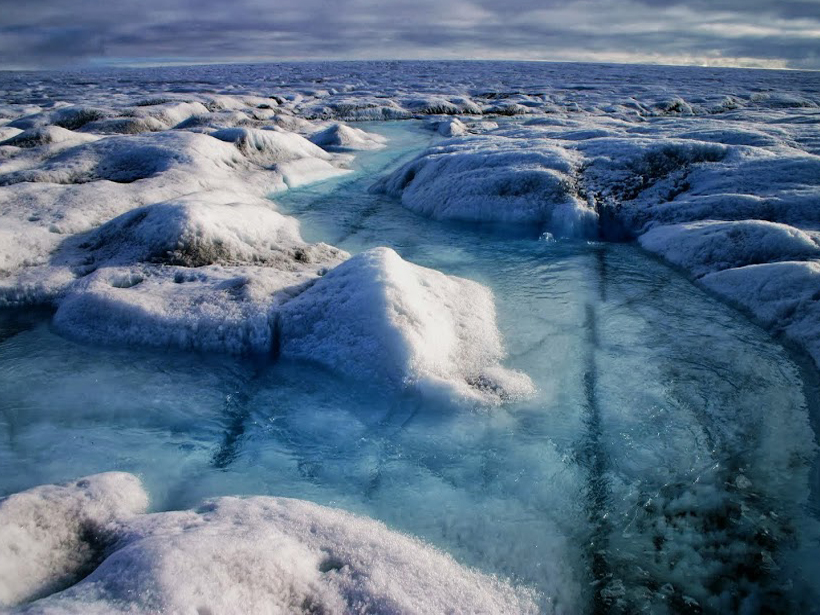
Sea Level Rise Due to Warming, Weakening of Greenland Glaciers
Increasing ice temperatures and decreasing ice viscosities could lead to "thermal-viscous collapse" of the Greenland ice sheet, raising sea levels as much as 51 centimeters over the next 500 years.

Posted inResearch Spotlights
To Help Fix the Hole in the Ozone Layer, Just Add Ice
Computer simulations show that adding tiny droplets of ice to the atmosphere during the spring could help eliminate chlorofluorocarbons and repair the hole in the ozone layer.
Posted inAGU News
Earth’s Future: Now Indexed in Web of Science
One of AGU's newest journals is highly rated.
Posted inResearch Spotlights
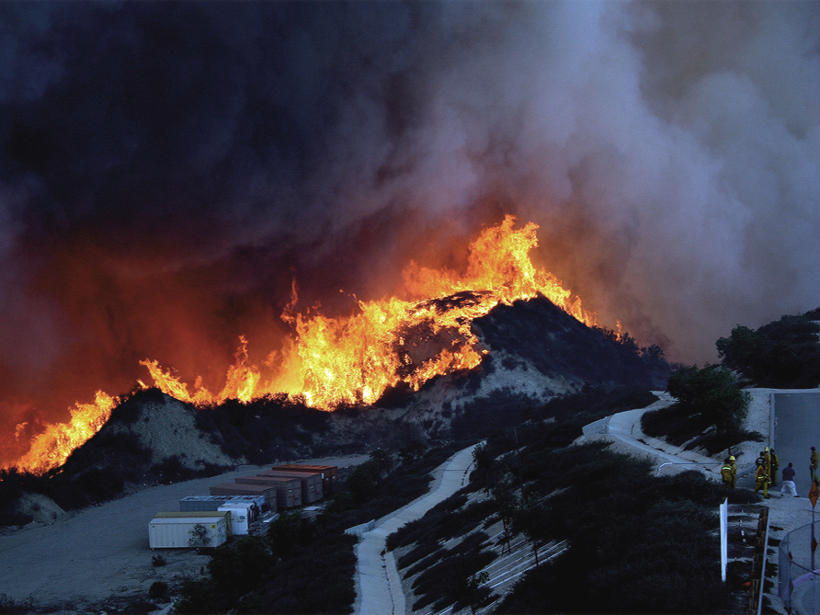
Regional Nuclear War Could Cause a Global Famine

A detonation of less than 0.03% of the current global nuclear arsenal could cause fires that clog the air with soot. This soot could block solar radiation, leading to worldwide crop shortages.
Posted inResearch Spotlights
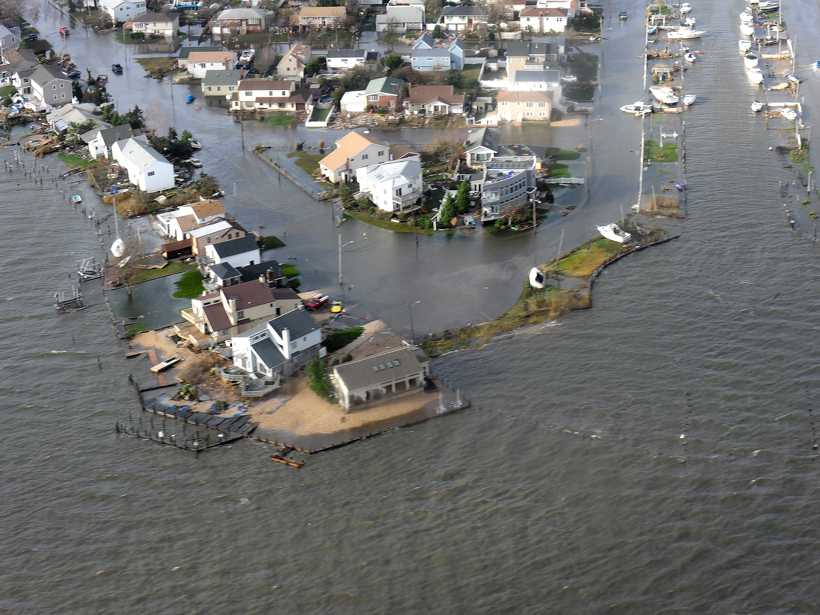
Tipping Point for Nuisance Coastal Flooding May Come by 2050
By midcentury, many U.S. cities along the Mid-Atlantic, Gulf, and West coasts may experience 30 or more days a year with minor flooding.
Posted inResearch Spotlights
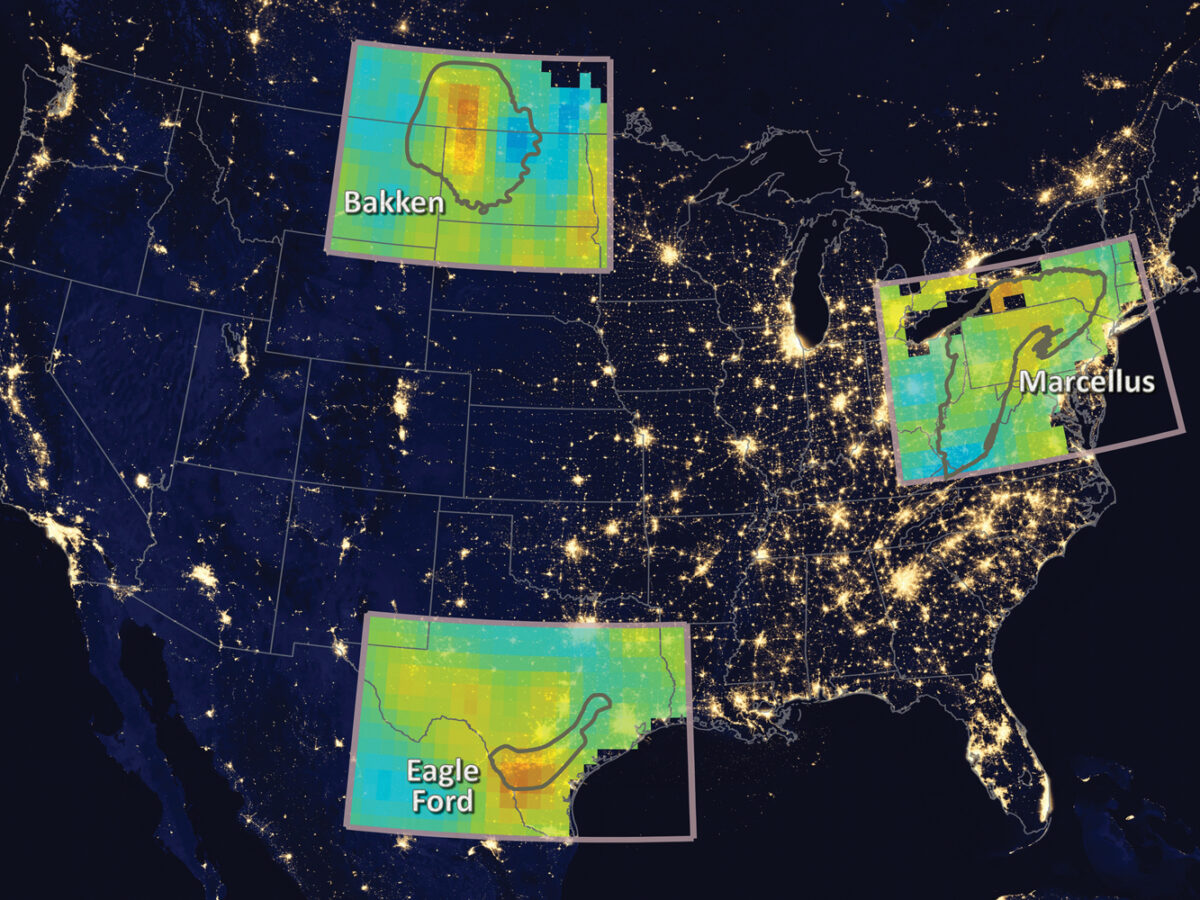
Methane Leaks from Oil and Gas Fields Detected from Space
Methane hot spots were detected in the atmosphere near North Dakota’s Bakken formation and the Eagle Ford formation in Texas after oil and gas production ramped up starting in 2009.