
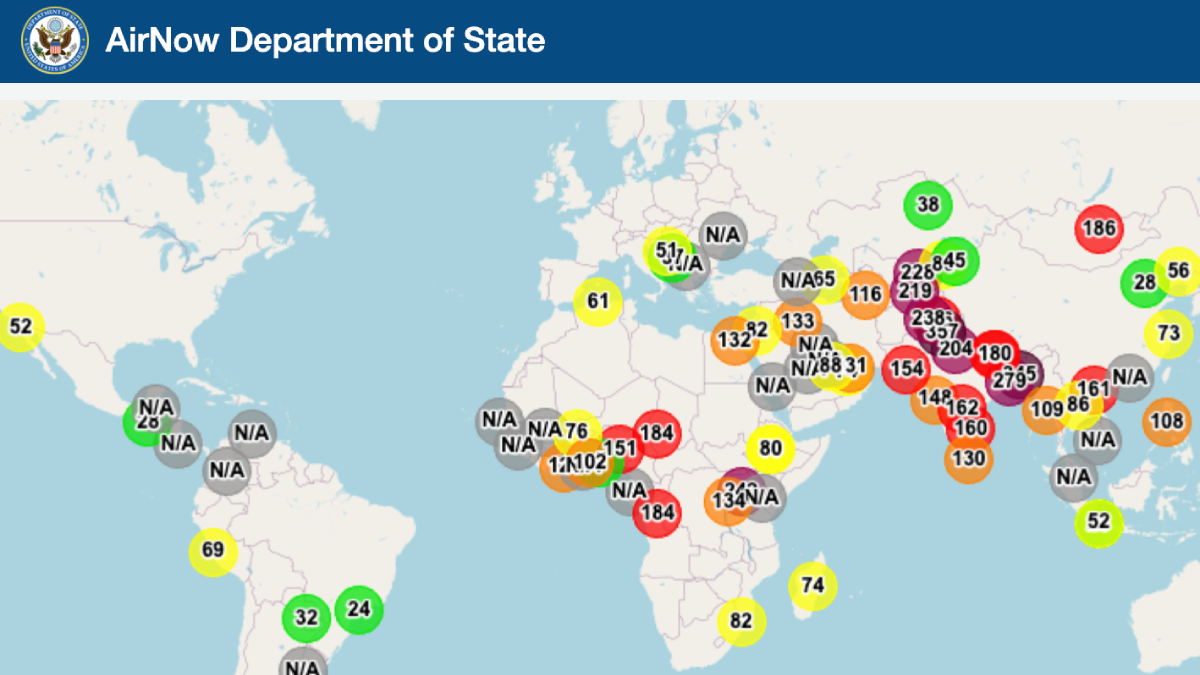

On 4 March, AirNow, the home of the U.S. Air Quality Index, shut down its webpage that reported data from air quality monitors at U.S. embassies and consulates around the world. Eos learned of the removal of these data from Dan Westervelt, a climate change and pollution scientist at Columbia University’s Lamont Doherty Earth Observatory in Palisades, New York.
EPA
Posted inNews
Unregulated Industrial Contaminants Detected in Some U.S. Drinking Water

Communities of color are more likely to have higher levels of these contaminants in their drinking water.
Posted inNews
EPA Air Monitoring Network Misses 2.8 Million Americans in Pollution Hot Spots

Current EPA air monitoring may not capture the extent of particulate air pollution.

Posted inNews
More Than Half of Contiguous U.S. River Water Comes from Ephemeral Streams
The finding has potential implications for water regulations, which don’t currently cover these seasonal streams.

Posted inNews
Toxic Ethylene Oxide May Exceed Safe Levels in Cancer Alley
Concentrations of the cancer-causing chemical far surpass EPA threshold levels for safety in southeastern Louisiana.

Posted inOpinions
The Supreme Court Is Bypassing Science—We Can’t Ignore It
The court’s exclusion of scientists from the environmental rulemaking process comes full circle as the EPA strips federal protections for wetlands.
Posted inNews
EPA Air Pollution Proposal Stirs Debate

The agency’s proposal to tighten standards for small-particulate pollution has prompted opposing calls for tighter and looser regulations.
Posted inNews
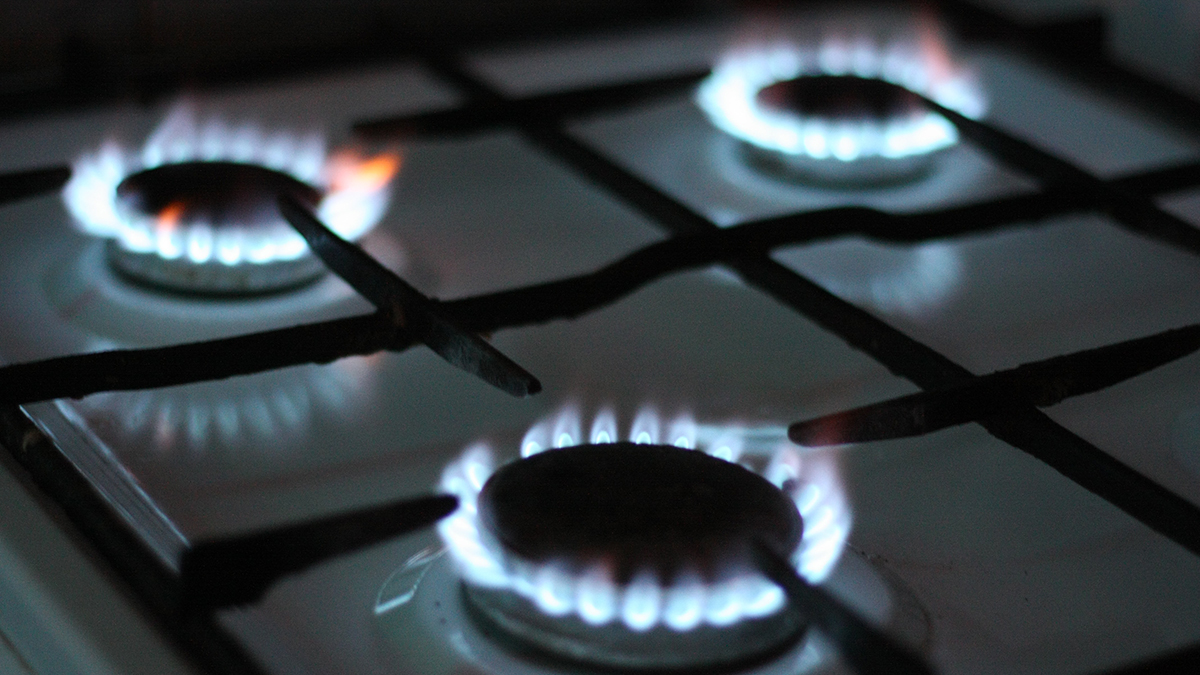
Hazardous Air Pollutants Found in Cooking Stove Gas
A Boston study revealed that natural gas piped into homes contained 21 toxins on the EPA’s hazardous air pollutant list.

Posted inNews
Cuantificando los beneficios para la salud de una transición a energías limpias en EE. UU.

Eliminar la contaminación del aire relacionada con la energía en los Estados Unidos podría evitar aproximadamente 50,000 muertes prematuras y ahorrar miles de millones de dólares al año.
Posted inResearch Spotlights
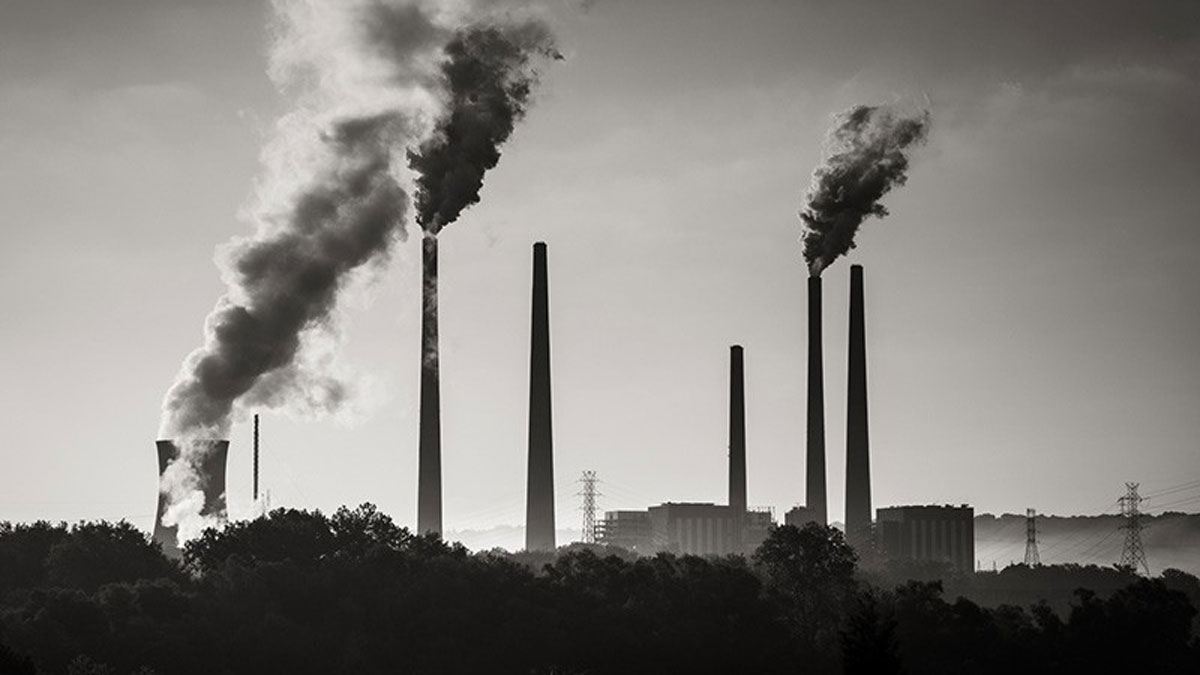
Quantifying the Health Benefits of a U.S. Clean Energy Transition
Eliminating energy-related air pollution in the United States could prevent roughly 50,000 premature deaths and save billions of dollars per year.