• About
  • Special Reports
  • Topics
    • Climate
    • Earth Science
    • Oceans
    • Space & Planets
    • Health & Ecosystems
    • Culture & Policy
    • Education & Careers
    • Opinions
  • Projects
    • Postcards From the Field
    • ENGAGE
    • Editors’ Highlights
    • Editors’ Vox
    • Eos en Español
    • Eos 简体中文版
    • Print Archive: 2015–2025
  • Policy Tracker
  • Blogs
    • Research & Developments
    • The Landslide Blog
  • Newsletter
  • Submit to Eos
  • AGU.org
  • Career Center
  • Join AGU
  • Give to AGU
  • About
  • Special Reports
  • Topics
    • Climate
    • Earth Science
    • Oceans
    • Space & Planets
    • Health & Ecosystems
    • Culture & Policy
    • Education & Careers
    • Opinions
  • Projects
    • Postcards From the Field
    • ENGAGE
    • Editors’ Highlights
    • Editors’ Vox
    • Eos en Español
    • Eos 简体中文版
    • Print Archive: 2015–2025
  • Policy Tracker
  • Blogs
    • Research & Developments
    • The Landslide Blog
  • Newsletter
  • Submit to Eos
Skip to content
  • AGU.org
  • Career Center
  • Join AGU
  • Give to AGU
Eos

Eos

Science News by AGU

Support Eos
Sign Up for Newsletter
  • About
  • Special Reports
  • Topics
    • Climate
    • Earth Science
    • Oceans
    • Space & Planets
    • Health & Ecosystems
    • Culture & Policy
    • Education & Careers
    • Opinions
  • Projects
    • Postcards From the Field
    • ENGAGE
    • Editors’ Highlights
    • Editors’ Vox
    • Eos en Español
    • Eos 简体中文版
    • Print Archive: 2015–2025
  • Policy Tracker
  • Blogs
    • Research & Developments
    • The Landslide Blog
  • Newsletter
  • Submit to Eos

Hardware solutions

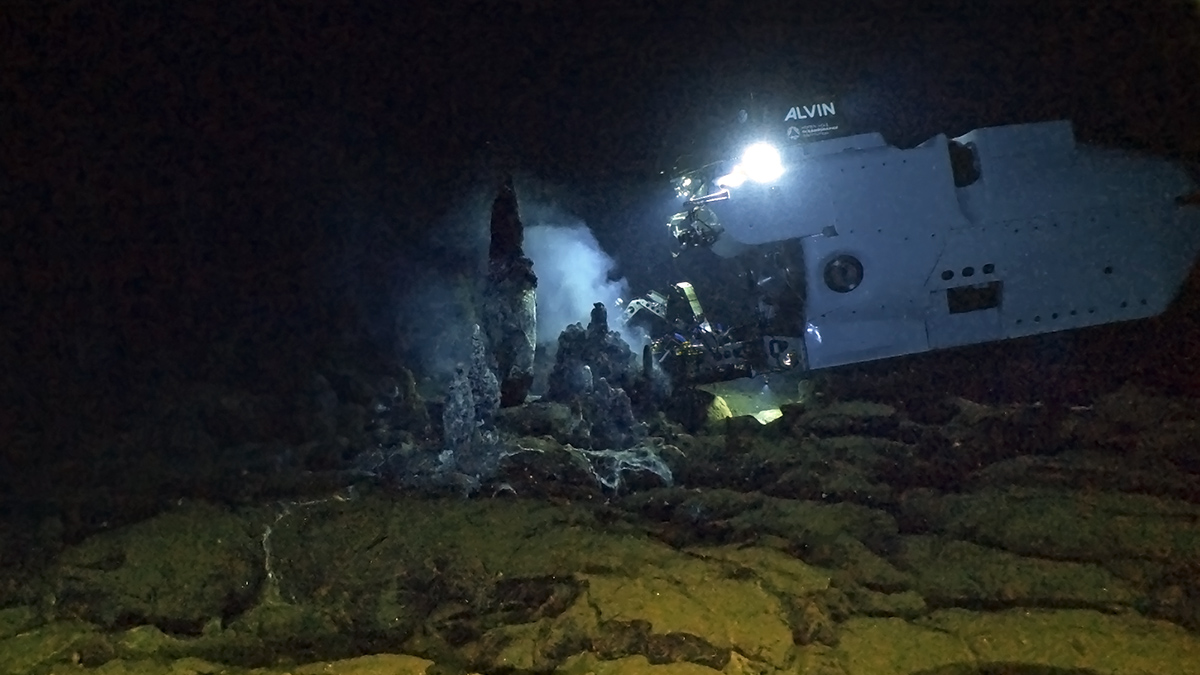
The Alvin submersible hovers over and illuminates the seafloor near the rocky towers of a hydrothermal vent site.
Posted inScience Updates

An Upgraded Alvin Puts New Ocean Depths Within Reach

by Kenna Harmony Rubin, Anna P. M. Michel and S. Adam Soule 31 January 202526 February 2026

The newly retooled submersible, which has already returned fascinating new findings from Earth’s watery depths, is opening more of the deep ocean to direct human exploration.

A narrow laser beam illuminates a point on a rocky seafloor outcrop surrounded by sand.
Posted inFeatures

Sensing Remote Realms of the Deep Ocean on Earth—and Beyond

by Anastasia G. Yanchilina, Laura E. Rodriguez, Roy Price, Laura M. Barge and Pablo Sobron 29 August 202426 February 2026

A novel laser-equipped probe is collecting measurements of deep-sea geochemical environments that once seemed impossible to gather, pointing the way toward future explorations of other ocean worlds.
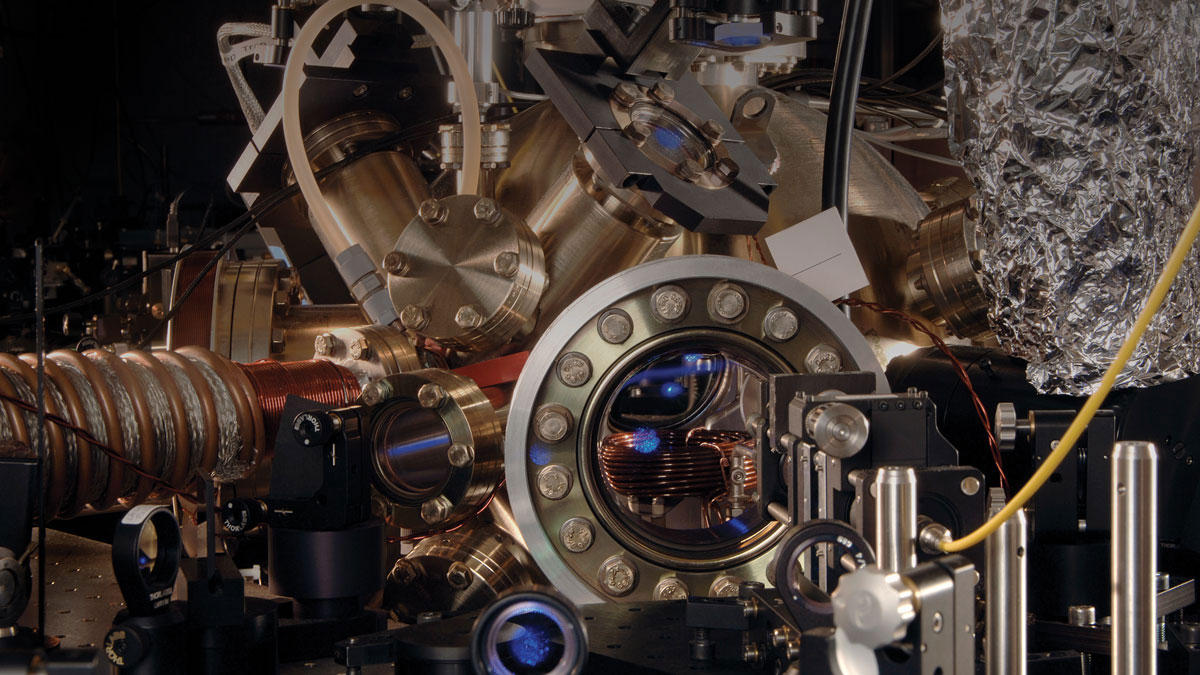
The ultrahigh-vacuum chamber of an optical clock operated by the National Metrology Institute of Germany. Inside the chamber, strontium atoms are cooled by a laser.
Posted inAGU News

Build It, and the Science Will Come

Heather Goss, AGU Publisher by Heather Goss 20 December 202128 July 2022

In January, Eos takes a look at the scientists who know that sometimes the answer to a question is a screwdriver.

Over a dark blue-green square appear the words Special Report: The State of the Science 1 Year On.

Features from AGU Publications

Research Spotlights

How Internal Waves Transport Energy Thousands of Miles Across the Ocean

26 March 202626 March 2026
Editors' Highlights

What’s Under the Water Matters

27 March 202626 March 2026
Editors' Vox

The Future of Earth’s Future

24 March 202624 March 2026
Eos logo at left; AGU logo at right

About Eos
ENGAGE
Awards
Contact

Advertise
Submit
Career Center
Sitemap

© 2026 American Geophysical Union. All rights reserved Powered by Newspack