
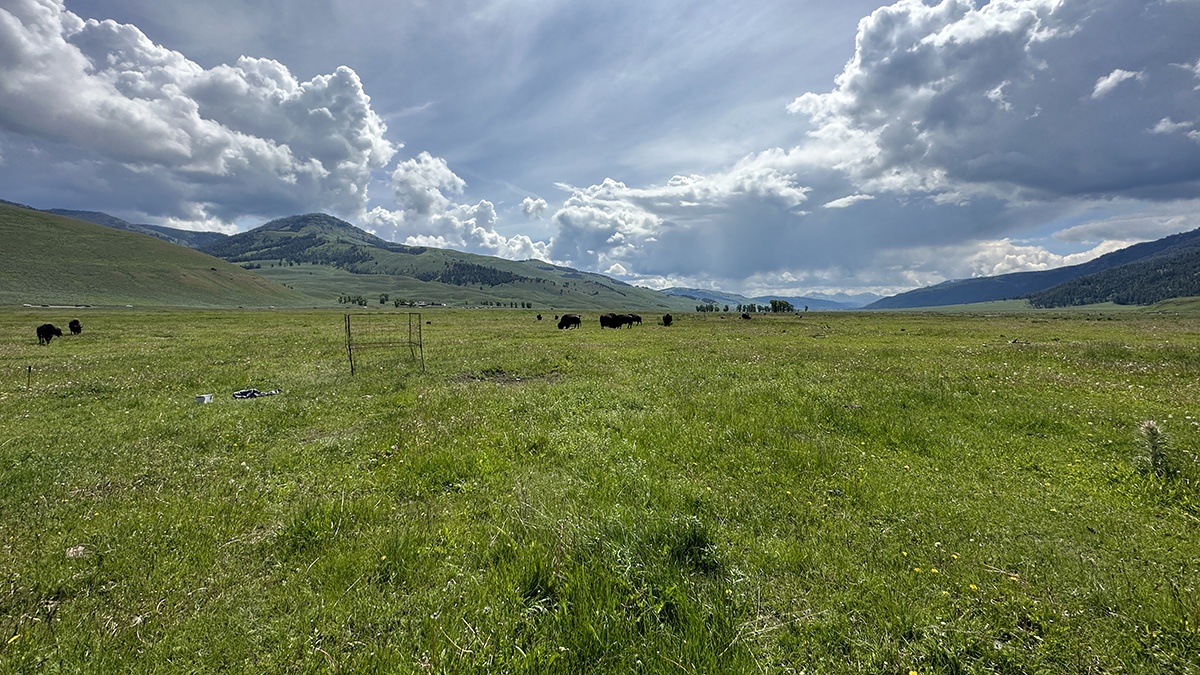
A new study suggests that Yellowstone’s herd of bison accelerates nutrient cycling, offering a glimpse into the North American plains of yesteryear.
Health & Ecosystems
Posted inNews
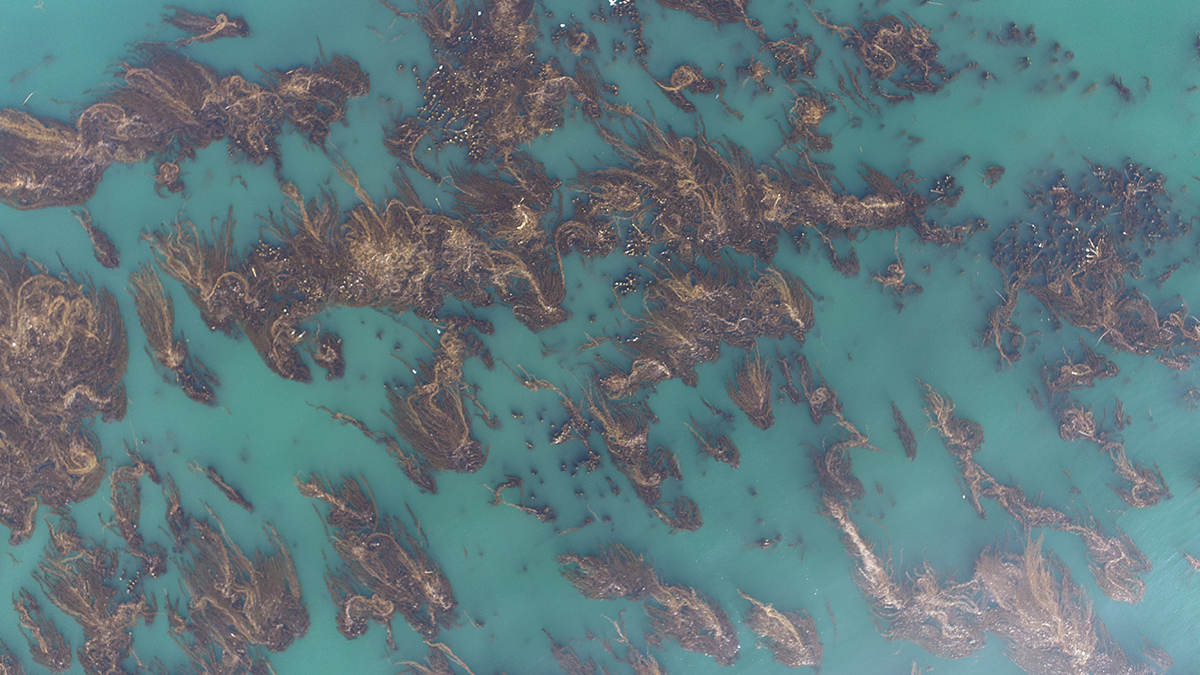
Marine Protected Areas Show Promise for Kelp Forest Recovery
Kelp forests are under increasing stress as oceans warm, but decades of satellite data have revealed the importance of maintaining fishing-restricted areas for climate resilience.
Posted inResearch Spotlights
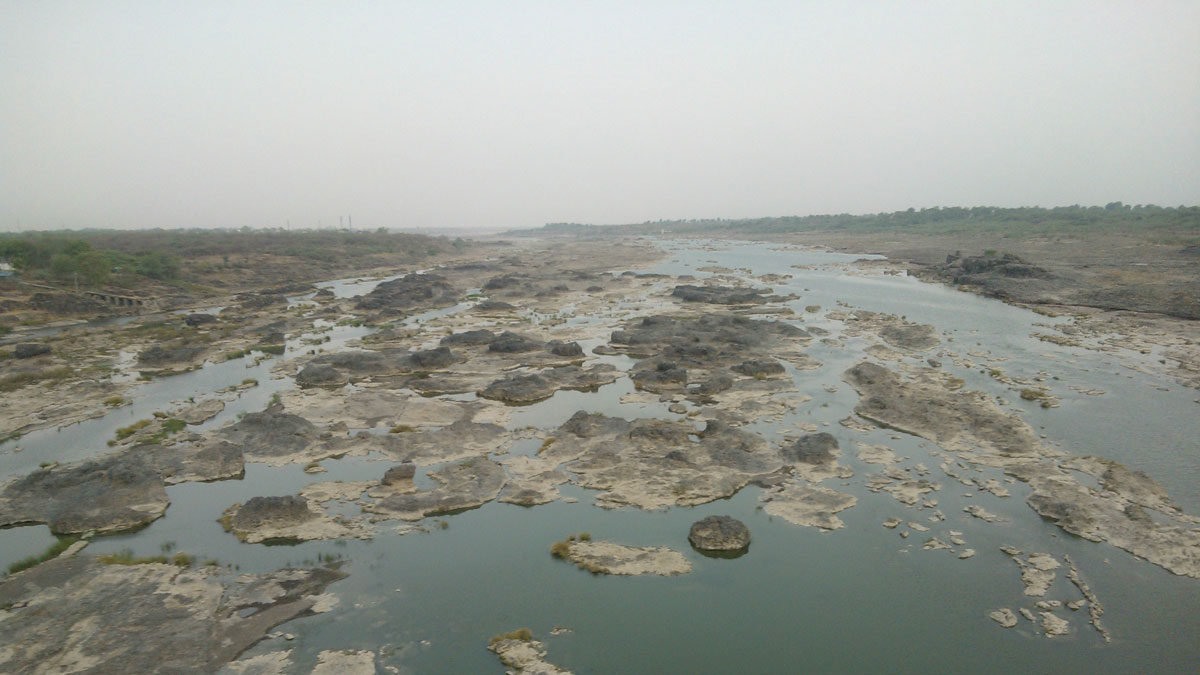
Droughts Sync Up as the Climate Changes
A new study reconstructs roughly 800 years of streamflow history in India’s major rivers, showing an increase in synchronous drought linked to anthropogenic climate change.
Posted inNews
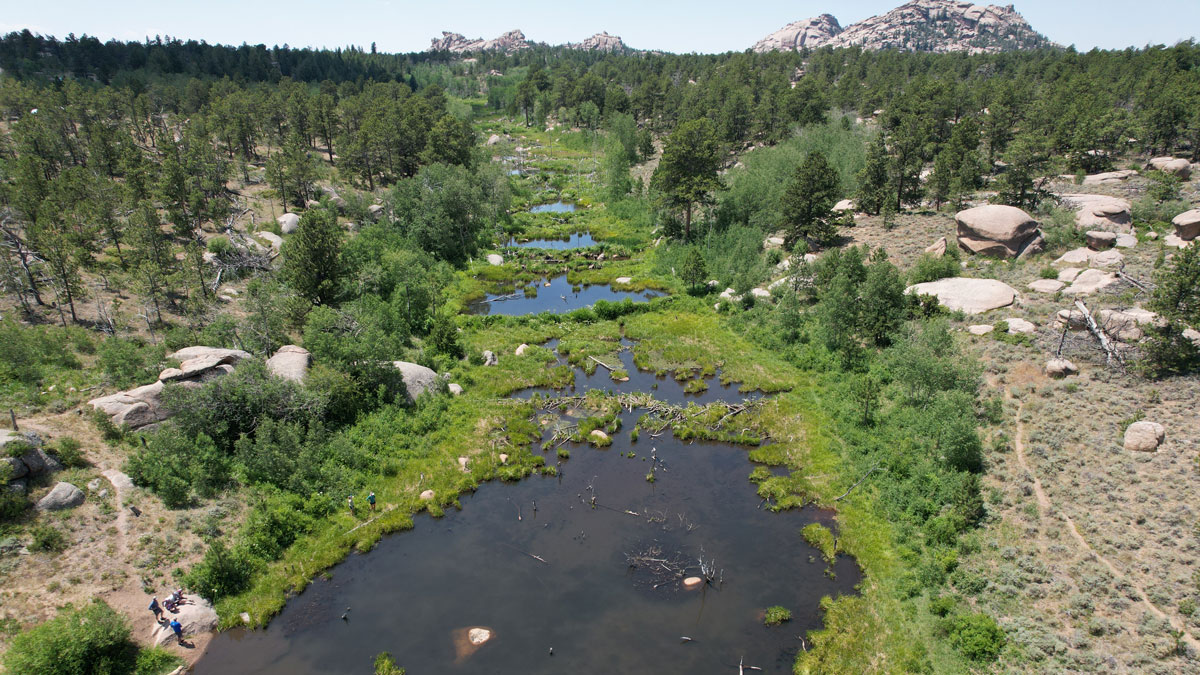
What Makes Beaver Ponds Bigger?
For the first time, researchers are able to add hydrologic estimates to find where reintroducing beavers could best benefit a watershed and the humans who live within it.

Posted inNews
Climate Change May Have Killed 16,469 People in Europe This Summer

Researchers warn that preventable heat-related deaths will continue to rise with continued fossil fuel emissions.
Posted inNews
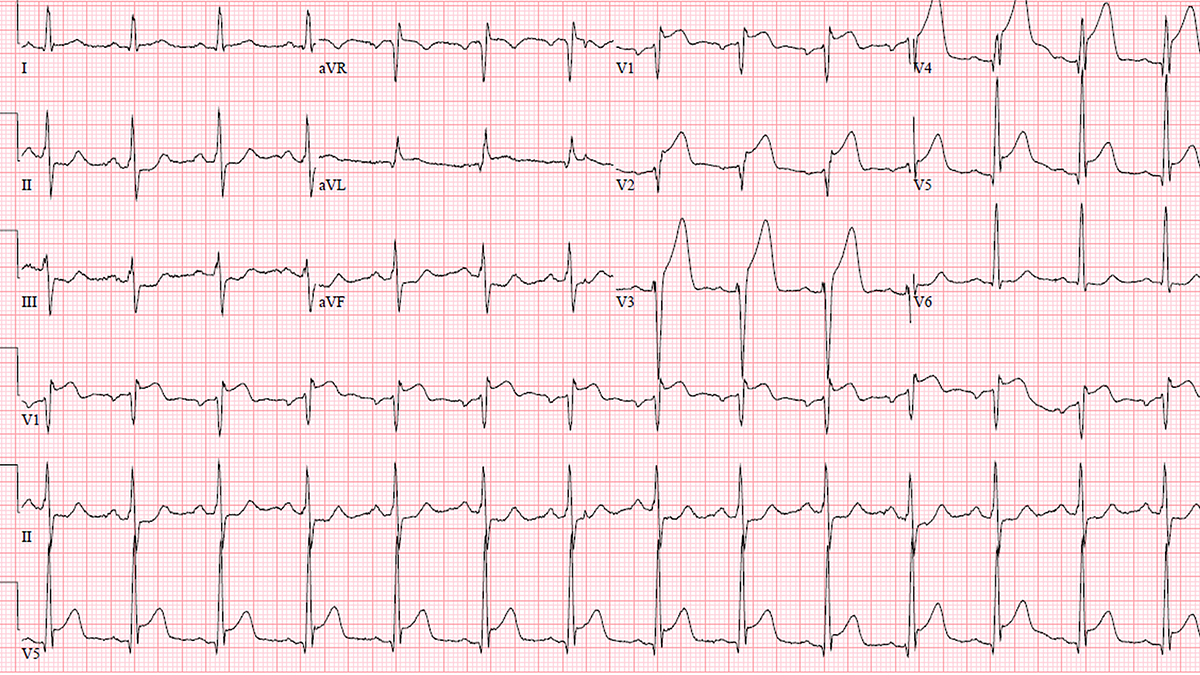
Cyclones Affect Heart Health for Months After They Subside
In a multicountry study, researchers found that cyclones increase the risk of heart disease–related hospitalizations for up to 6 months.
Posted inFeatures
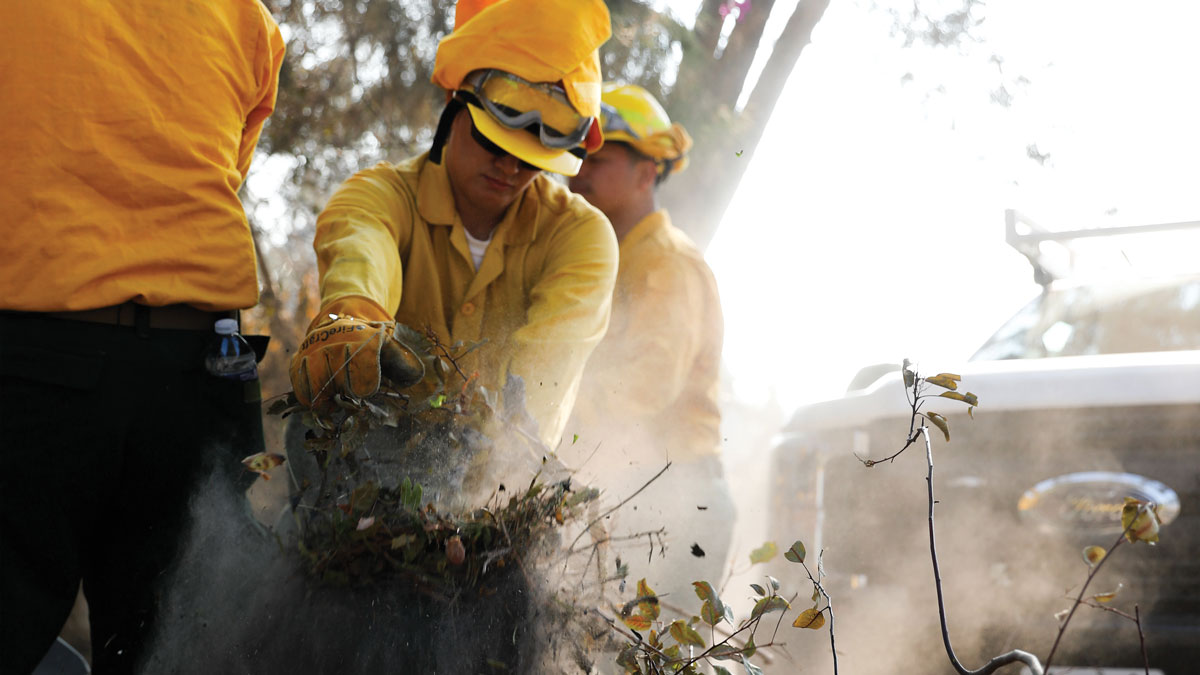
Donde hay fuego, hay humo
Utilizando los instrumentos de monitoreo existentes y nuevos, investigadores trabajan para comprender mejor la calidad del aire durante y después de los incendios forestales de Los Ángeles.
Posted inNews
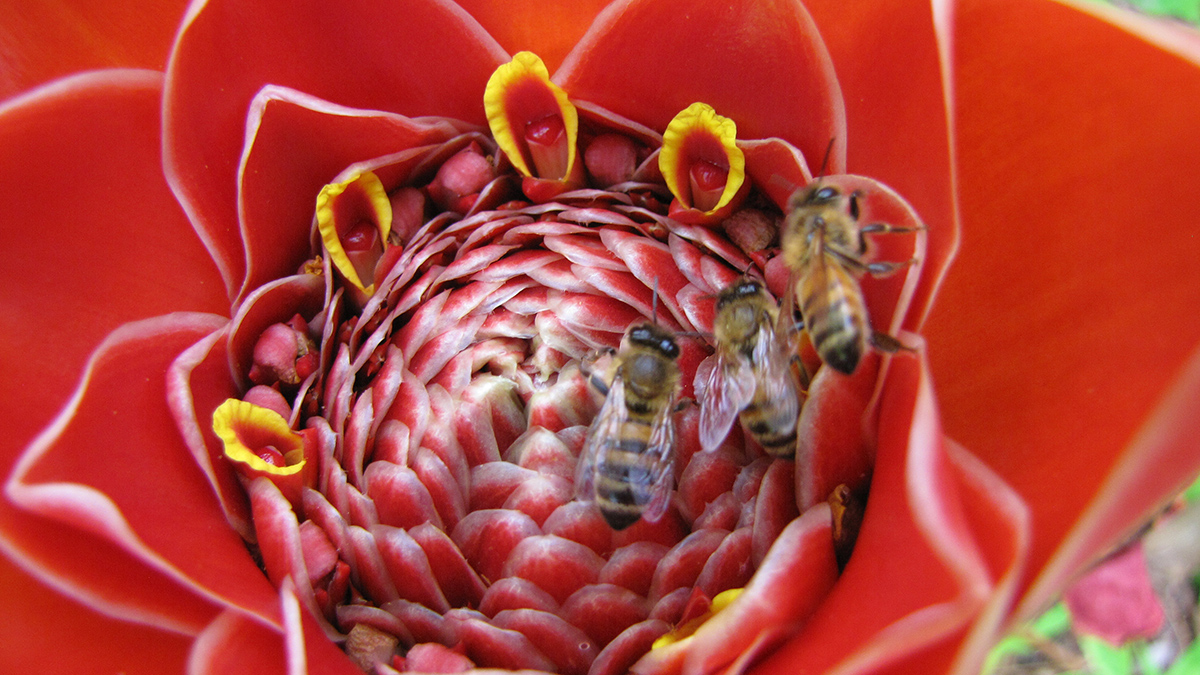
El Niño May Be Driving Insect Decline in the Tropics
Stronger and more frequent El Niño events are contributing to a decline in arthropod diversity and population, as well as to a reduction in the ecological services the animals provide.
Posted inResearch & Developments
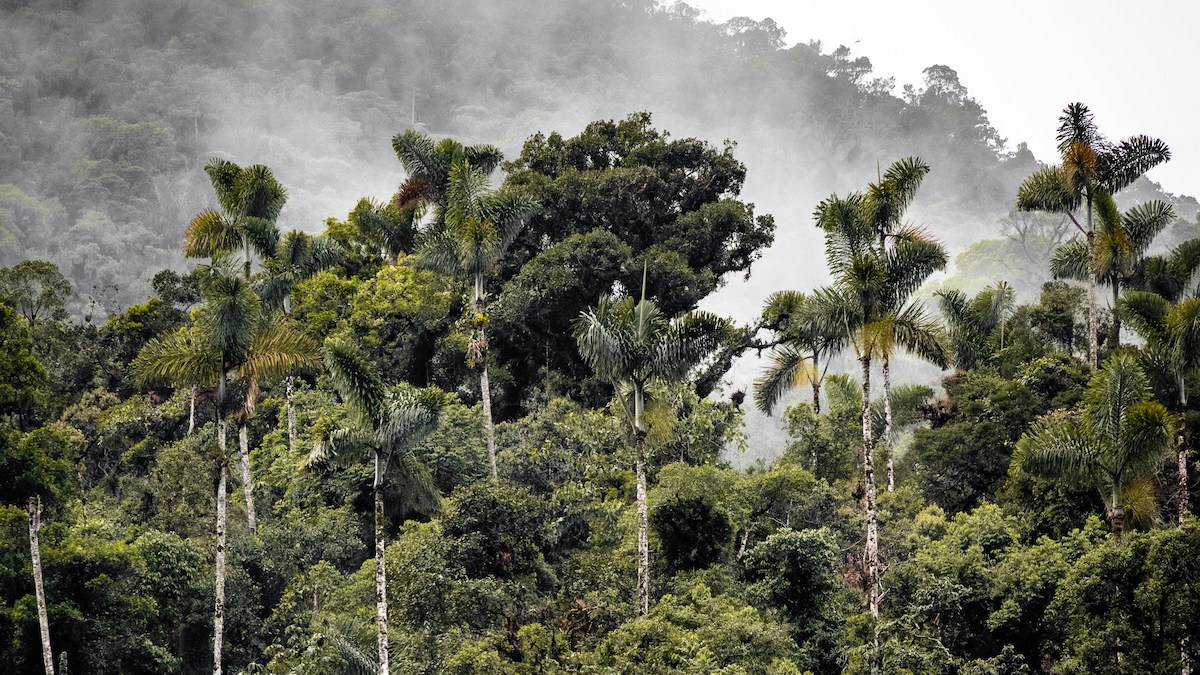
Living Near an Indigenous Forest Could Reduce the Risk of Disease

An analysis of 20 years of health data in eight Amazonian countries, published today in Communications Earth and Environment, shows that protecting Indigenous-managed forests may help reduce various kinds of disease, including fire-related respiratory diseases and illnesses spread by animals.

Posted inOpinions
Environmental Hazard Impact Metrics That Matter
Humans acutely experience climate change when they encounter extreme environmental conditions, but scientific definitions of “extreme” often don’t reflect communities’ complex lived experiences.