
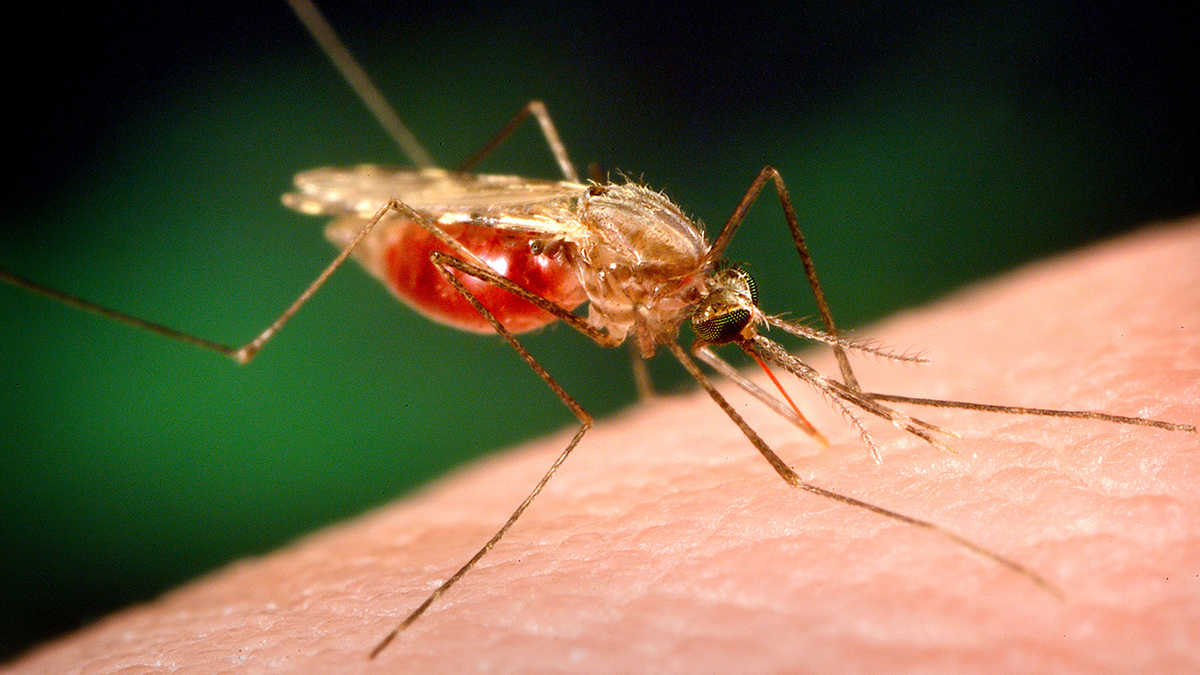
Los datos sobre las precipitaciones por sí solos no pueden predecir dónde puede aparecer la malaria. Si se tienen en cuenta los procesos hidrológicos, los investigadores pueden hacerse una imagen más precisa de la transmisión.
Health & Ecosystems

Posted inFeatures
Thanh Huong “Helen” Nguyen: Chasing Down Pathogens

An environmental engineer addresses some of public health’s biggest problems.

Posted inNews
New Model Can Better Predict Areas Vulnerable to Forest Fires in India
Researchers incorporated local atmospheric parameters and terrain data to more accurately estimate the probability of fire in a specific area.

Posted inNews
Carbon Cycles Through Plants More Quickly Than Expected
A radioactive isotope produced by nuclear weapons reveals that plants take up more carbon—but hold on to it for less time—than current climate models suggest.

Posted inNews
Motorized Boats Likely Adding Toxins to Michigan Lakes
Researchers found naphthalene, an EPA top priority pollutant, in two Michigan lakes.

Posted inNews
Reactive Barriers Could Keep Nitrate out of the Atlantic
Microbes in mulch scrub nitrate from groundwater before it flows to the sea.

Posted inResearch Spotlights
Mosquitoes Without Borders

Using regional systems based on ecology, not geopolitical boundaries, can give scientists a better picture of the potential spread of West Nile virus.

Posted inNews
The Tonga Eruption Left Deep-Sea Life Buried in Ash
When Hunga erupted in 2022, ash “decimated” slow-moving species living on the seafloor. More mobile species were able to hoof it out of harm’s way.

Posted inNews
How Sticky Is It Outside?

Researchers introduce a new variable to quantify the relative contributions of heat and humidity to humid heat.
Posted inNews
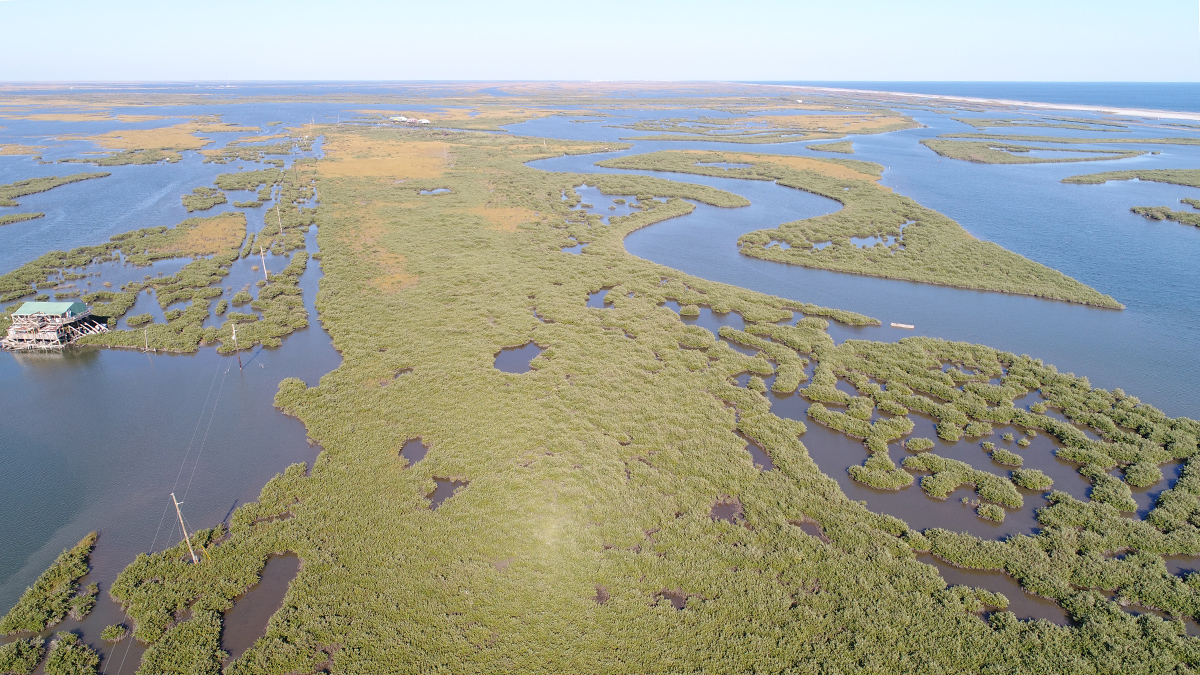
Hurricanes May Prune Gulf Mangroves

Tropical storms knock down the tallest trees and stunt the growth of others.