• About
  • Sections
  • Topics
    • Climate
    • Earth Science
    • Oceans
    • Space & Planets
    • Health & Ecosystems
    • Culture & Policy
    • Education & Careers
    • Opinions
  • Projects
    • Postcards From the Field
    • ENGAGE
    • Editors’ Highlights
    • Editors’ Vox
    • Eos en Español
    • Eos 简体中文版
    • Print Archive: 2015–2025
  • Science Policy Tracker
  • Blogs
    • Research & Developments
    • The Landslide Blog
  • Newsletter
  • Submit to Eos
  • AGU.org
  • Career Center
  • Join AGU
  • Give to AGU
  • About
  • Sections
  • Topics
    • Climate
    • Earth Science
    • Oceans
    • Space & Planets
    • Health & Ecosystems
    • Culture & Policy
    • Education & Careers
    • Opinions
  • Projects
    • Postcards From the Field
    • ENGAGE
    • Editors’ Highlights
    • Editors’ Vox
    • Eos en Español
    • Eos 简体中文版
    • Print Archive: 2015–2025
  • Science Policy Tracker
  • Blogs
    • Research & Developments
    • The Landslide Blog
  • Newsletter
  • Submit to Eos
Skip to content
  • AGU.org
  • Career Center
  • Join AGU
  • Give to AGU
Eos

Eos

Science News by AGU

Support Eos
Sign Up for Newsletter
  • About
  • Sections
  • Topics
    • Climate
    • Earth Science
    • Oceans
    • Space & Planets
    • Health & Ecosystems
    • Culture & Policy
    • Education & Careers
    • Opinions
  • Projects
    • Postcards From the Field
    • ENGAGE
    • Editors’ Highlights
    • Editors’ Vox
    • Eos en Español
    • Eos 简体中文版
    • Print Archive: 2015–2025
  • Science Policy Tracker
  • Blogs
    • Research & Developments
    • The Landslide Blog
  • Newsletter
  • Submit to Eos

Lake Superior

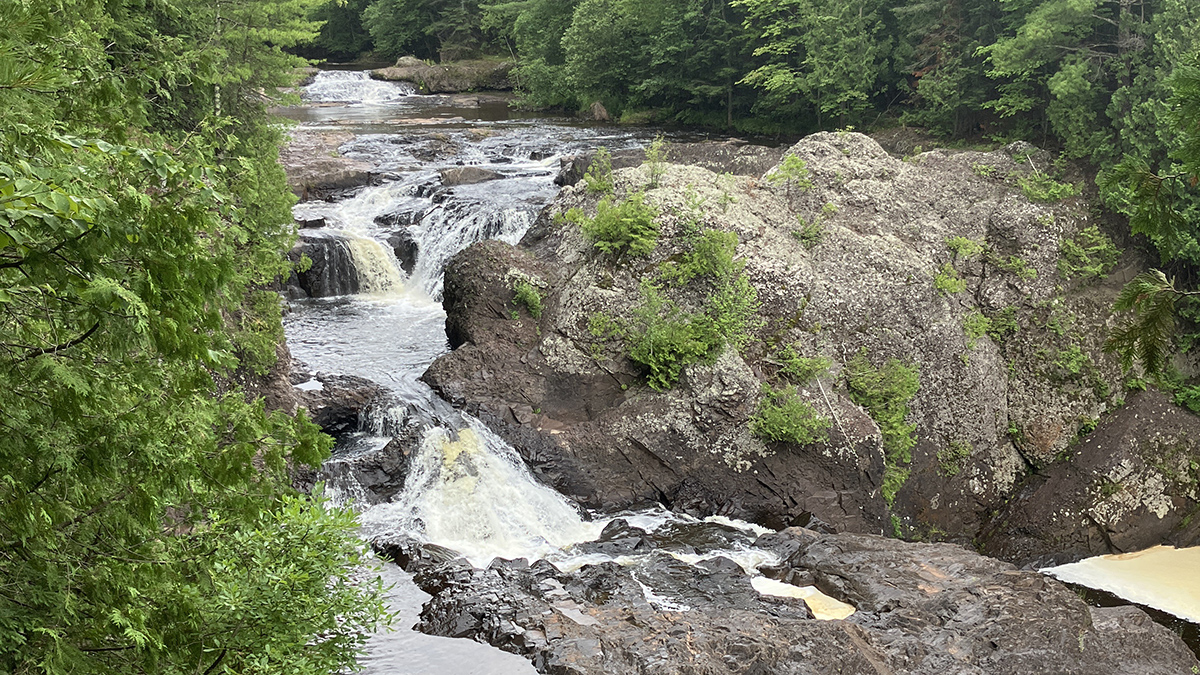
A waterfall runs over red and gray rocks. Evergreen trees line the fall’s edges.
Posted inResearch Spotlights

Lakeside Sandstones Hold Key to Ancient Continent’s Movement

Aaron Sidder, freelance science writer by Aaron Sidder 18 August 202518 August 2025

Using paleomagnetic samples collected along the shores of Lake Superior, a new study illuminates the movement of a billion-year-old paleocontinent as it crept south toward a tectonic collision.
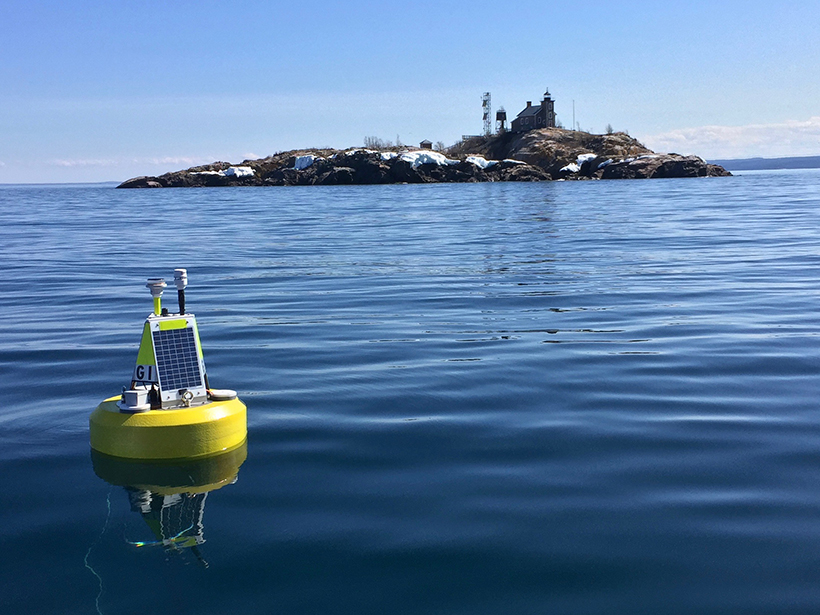
Environmental data buoy at Granite Island Light Station, a Great Lakes Evaporation Network site on Lake Superior.
Posted inScience Updates

Predicting a Great Lake's Response to a Warm Winter

by J. D. Lenters, P. D. Blanken and B. Kerkez 11 November 201618 August 2025

The Superior Challenge Summit: Forecasting El Niño's Impact on the World's Largest Lake; Ann Arbor, Michigan, 17–19 May 2016

High waves buffet Michigan’s Grand Haven Lighthouse, located on the eastern shore of Lake Michigan.
Posted inScience Updates

Water Levels Surge on Great Lakes

by A. D. Gronewold, A. H. Clites, J. Bruxer, K. W. Kompoltowicz, J. P. Smith, T. S. Hunter and C. Wong 17 March 201518 August 2025

The recent 2-year surge represents one of the most rapid rates of water level change on the Great Lakes in recorded history and marks the end of an unprecedented period of low water levels.

A view of a bridge, with the New Orleans skyline visible in the distance between the bridge and the water. A purple tint, a teal curved line representing a river, and the text “#AGU25 coverage from Eos” overlie the photo.

Features from AGU Publications

Research Spotlights

Denitrification Looks Different in Rivers Versus Streams

16 January 202616 January 2026
Editors' Highlights

Calibrating the Clocks: Reconciling Groundwater Age from Two Isotopes

26 January 202622 January 2026
Editors' Vox

Bridging the Gap: Transforming Reliable Climate Data into Climate Policy

16 January 202616 January 2026
Eos logo at left; AGU logo at right

About Eos
ENGAGE
Awards
Contact

Advertise
Submit
Career Center
Sitemap

© 2026 American Geophysical Union. All rights reserved Powered by Newspack