
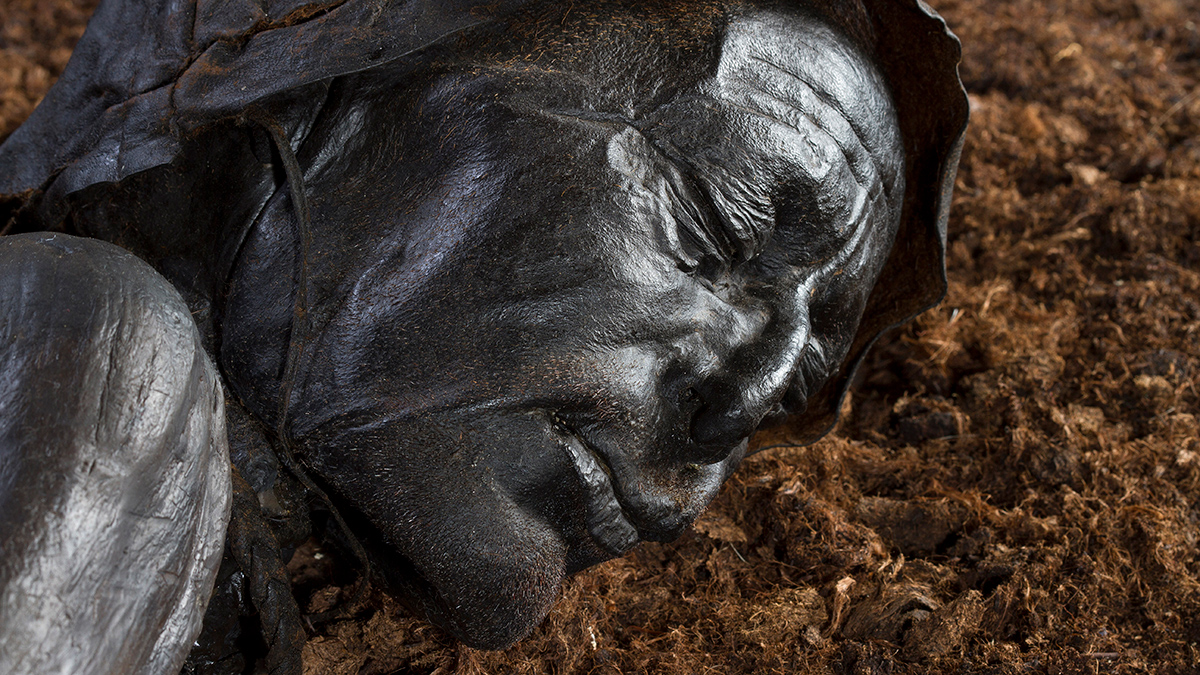
All around the world, extreme conditions have kept ancient human remains shockingly well preserved.
land use
Posted inResearch Spotlights
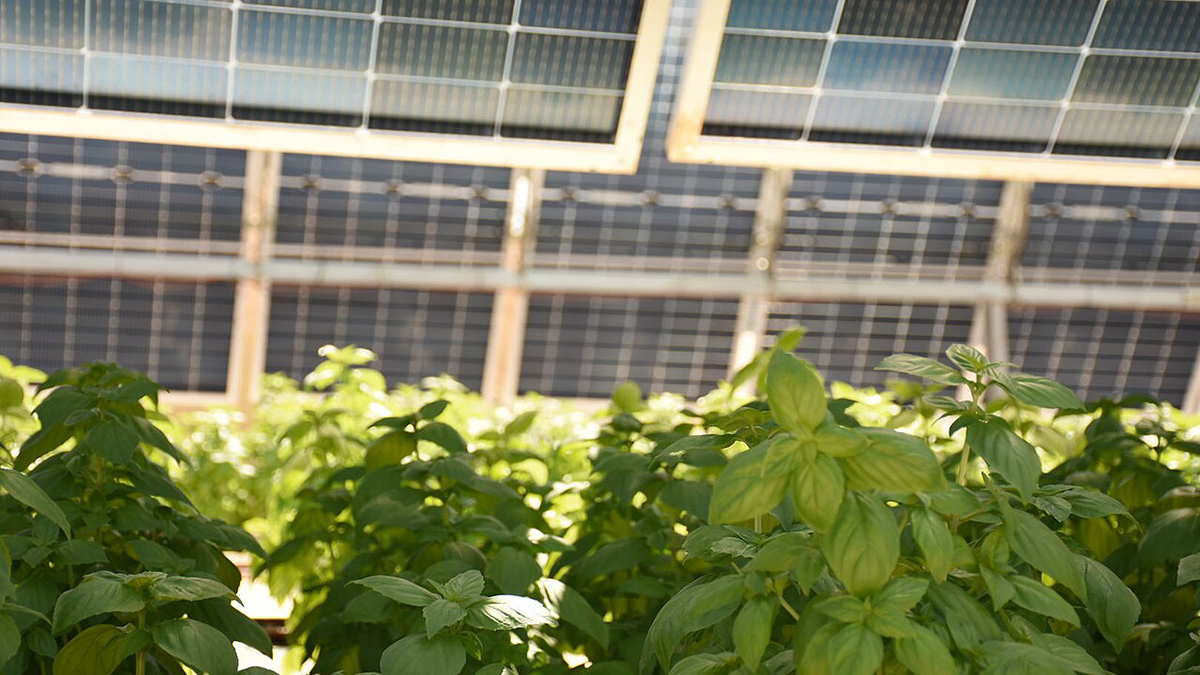
Solar Panels Can Cool Crops—and Workers
A new model simulates the benefits of agrivoltaic farming, in which solar panels and crops share the same land.
Posted inNews
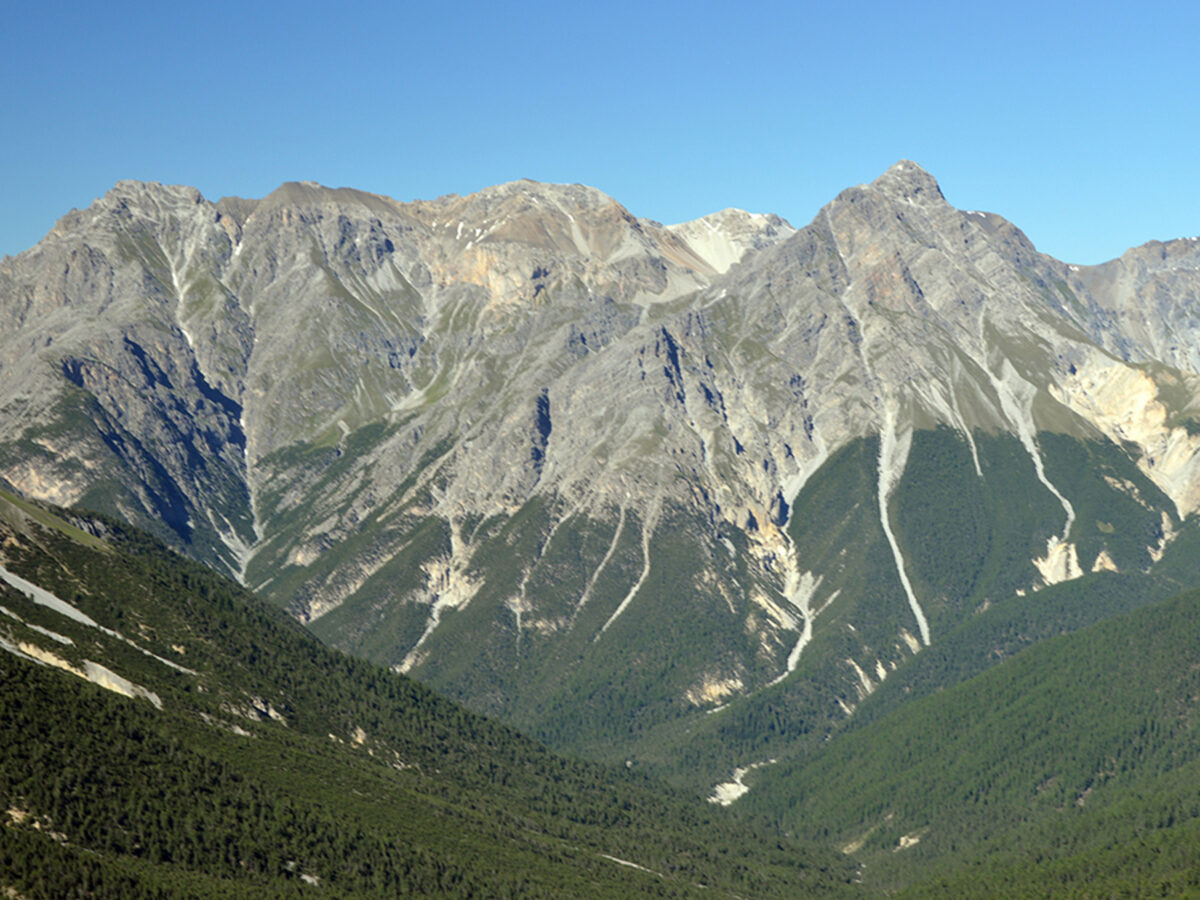
Tree Lines Are Migrating. Some Up, Some Down.

Between 2000 and 2020, 42% of tree lines around the world crept upward, largely because of climate change. But 25% moved downhill, seemingly because of factors such as land use changes and wildfires.
Posted inThe Landslide Blog
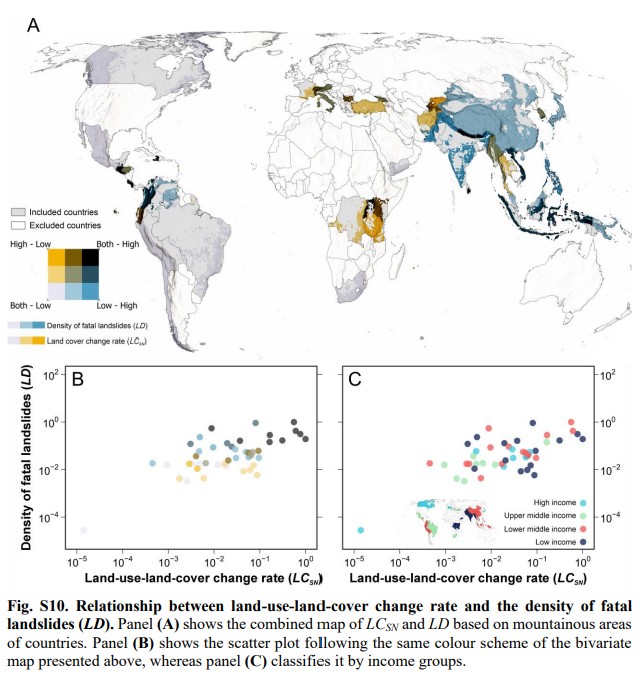
Wealth and land-cover change govern landslide fatalities on world’s mountains
A new paper Fidan et al. (2026) demonstrates that wealth and the rate of land-cover change play a key role in determining the occurrence of fatal landslides in mountain areas. These factors are statistically more significant that precipitation and topography. A fascinating new paper (Fidan et al. 2026 – this paper is both open access […]
Posted inNews
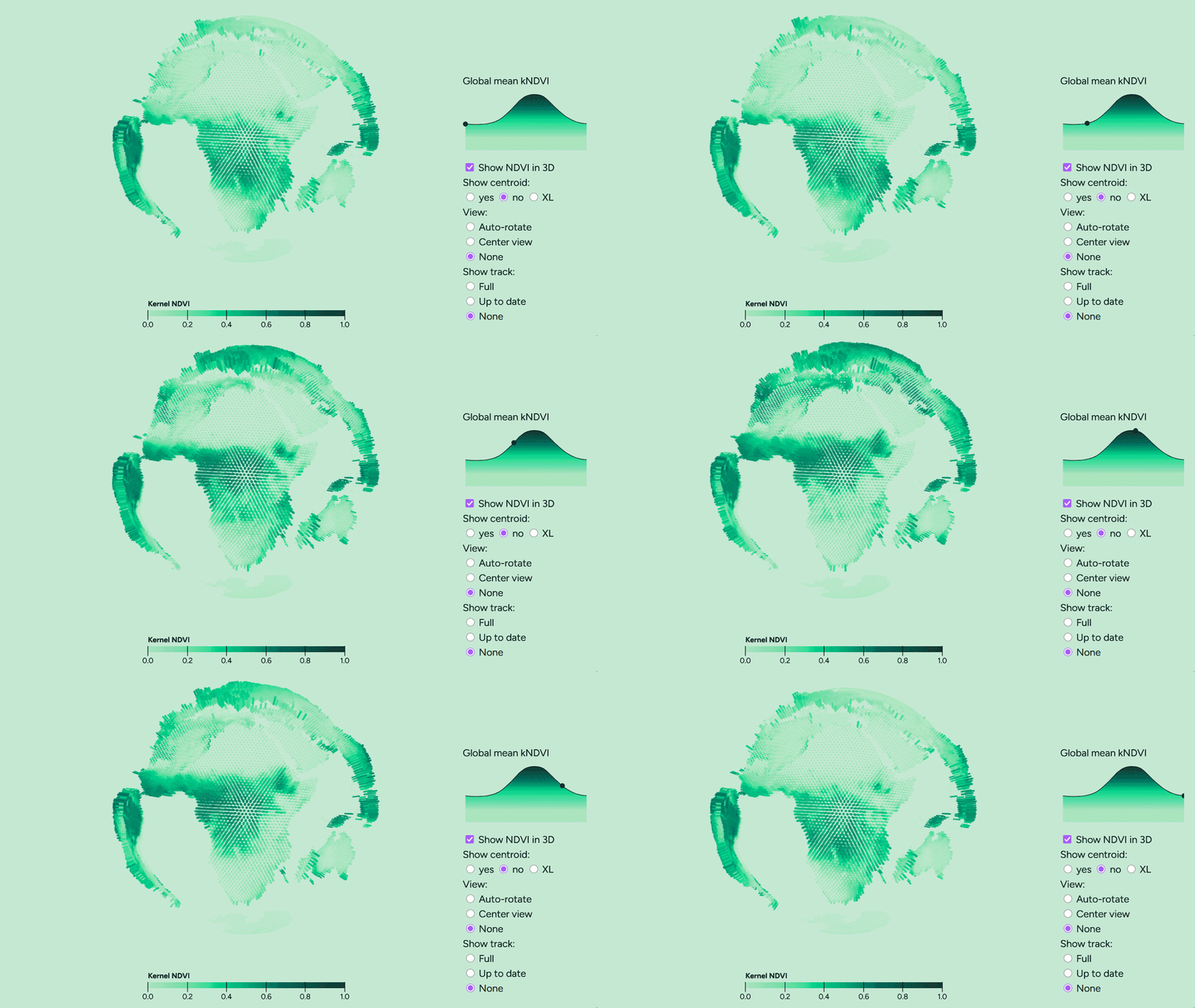
Earth’s “Green Wave” Is on the Move
Researchers analyzed 40 years of satellite data and found that Earth’s seasonal wave of greenness is shifting northeast.
Posted inFeatures
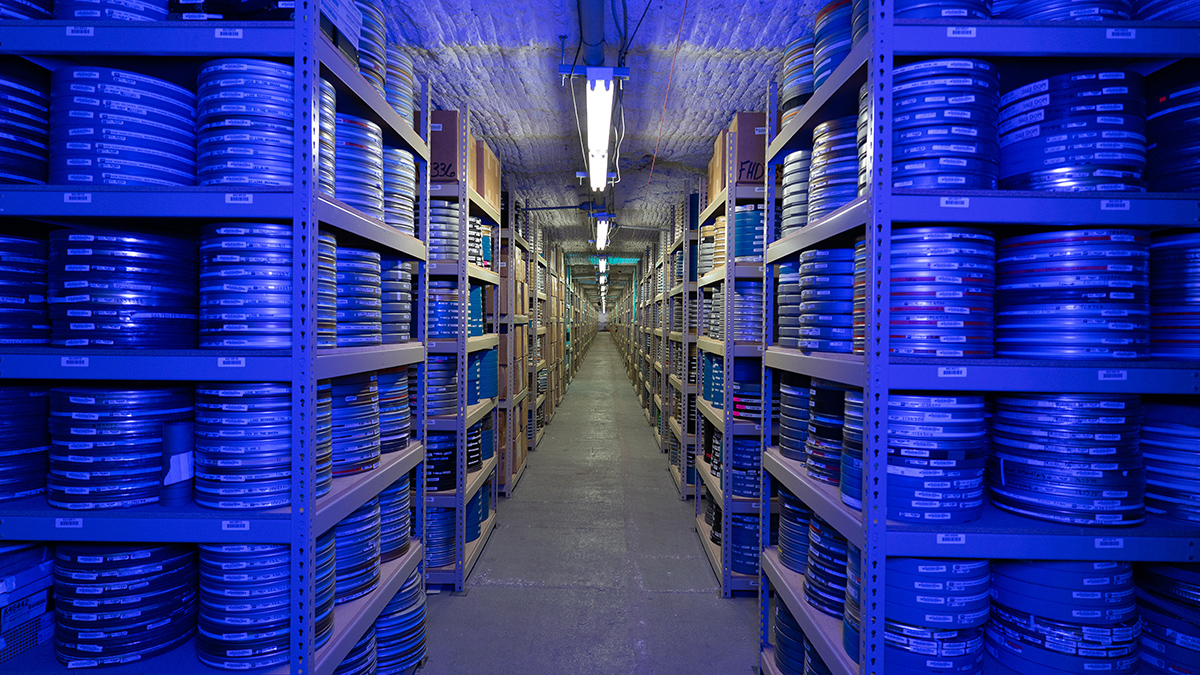
Salt of the Earth: Vast Underground Salt Caverns Are Preserving Our History—and Just Might Power Our Future

From health spas to film storage, salt mine caverns have been put to use in surprising ways—and they’re now poised to contribute to the generation and storage of clean energy.

Posted inOpinions
Creating Communities to Help Interdisciplinary Scientists Thrive
Solving complex challenges often requires diverse expertise, but skepticism remains within traditional academic institutions and mindsets regarding interdisciplinary science and scientists.
Posted inOpinions
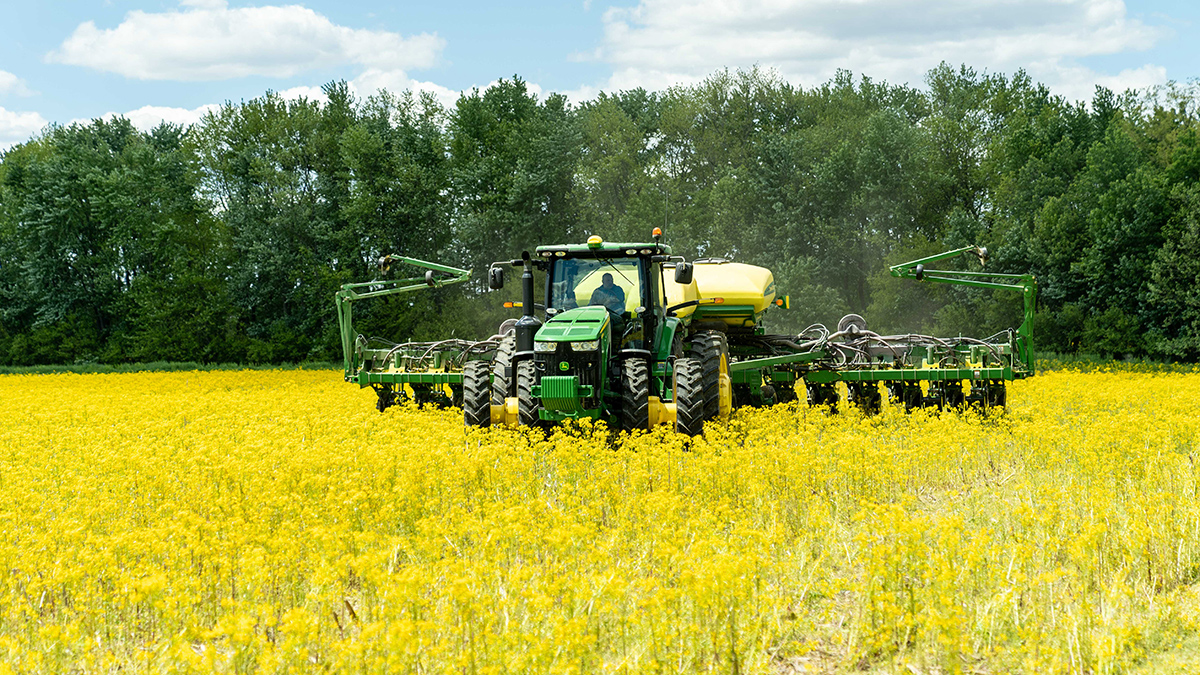
How Can We Tell If Climate-Smart Agriculture Stores Carbon?
Quantitative data at real-world scales are needed to assess the effects of cover cropping and other practices on soil carbon storage. Large-scale medical studies provide a proven methodology.
Posted inNews
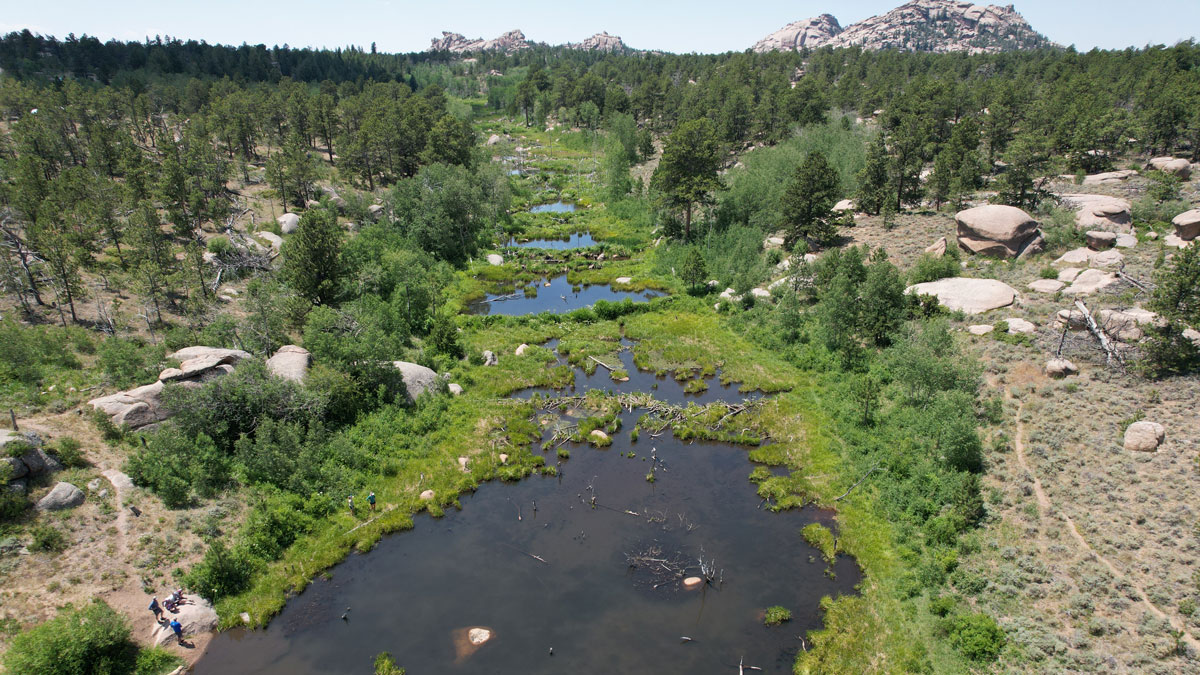
What Makes Beaver Ponds Bigger?
For the first time, researchers are able to add hydrologic estimates to find where reintroducing beavers could best benefit a watershed and the humans who live within it.

Posted inNews
Fallowed Fields Are Fueling California’s Dust Problem
New research shows that unplanted agricultural lands are behind most of the state’s anthropogenic dust events.