• About
  • Special Reports
  • Topics
    • Climate
    • Earth Science
    • Oceans
    • Space & Planets
    • Health & Ecosystems
    • Culture & Policy
    • Education & Careers
    • Opinions
  • Projects
    • Postcards From the Field
    • ENGAGE
    • Editors’ Highlights
    • Editors’ Vox
    • Eos en Español
    • Eos 简体中文版
    • Print Archive: 2015–2025
  • Policy Tracker
  • Blogs
    • Research & Developments
    • The Landslide Blog
  • Newsletter
  • Submit to Eos
  • AGU.org
  • Career Center
  • Join AGU
  • Give to AGU
  • About
  • Special Reports
  • Topics
    • Climate
    • Earth Science
    • Oceans
    • Space & Planets
    • Health & Ecosystems
    • Culture & Policy
    • Education & Careers
    • Opinions
  • Projects
    • Postcards From the Field
    • ENGAGE
    • Editors’ Highlights
    • Editors’ Vox
    • Eos en Español
    • Eos 简体中文版
    • Print Archive: 2015–2025
  • Policy Tracker
  • Blogs
    • Research & Developments
    • The Landslide Blog
  • Newsletter
  • Submit to Eos
Skip to content
  • AGU.org
  • Career Center
  • Join AGU
  • Give to AGU
Eos

Eos

Science News by AGU

Support Eos
Sign Up for Newsletter
  • About
  • Special Reports
  • Topics
    • Climate
    • Earth Science
    • Oceans
    • Space & Planets
    • Health & Ecosystems
    • Culture & Policy
    • Education & Careers
    • Opinions
  • Projects
    • Postcards From the Field
    • ENGAGE
    • Editors’ Highlights
    • Editors’ Vox
    • Eos en Español
    • Eos 简体中文版
    • Print Archive: 2015–2025
  • Policy Tracker
  • Blogs
    • Research & Developments
    • The Landslide Blog
  • Newsletter
  • Submit to Eos

Latin America

Muchos ecosistemas a lo largo de América Latina no están representados por las redes de observatorios ambientales.
Posted inResearch Spotlights

Las brechas en las redes ambientales en América Latina

Kate Wheeling, freelance science writer by Kate Wheeling 25 June 20216 March 2023

A pesar de su notable influencia en los ciclos globales del carbono y el agua, América Latina representa una proporción relativamente pequeña de sitios FLUXNET, lo que limita la representatividad de la red en la región.

拉丁美洲的许多生态系统未能被环境观测网所代表
Posted inResearch Spotlights

拉丁美洲环境观测网络的缺口

Kate Wheeling, freelance science writer by Kate Wheeling 15 April 20216 March 2023

尽管拉丁美洲对全球碳和水循环具有显著影响,但其在FLUXNET站点中所占的比例相对较小,这限制了该观测网络在该地区的代表性。

Many ecosystems across Latin America are not represented by environmental observatory networks
Posted inResearch Spotlights

The Gaps in Environmental Networks Across Latin America

Kate Wheeling, freelance science writer by Kate Wheeling 29 March 20216 March 2023

Despite its notable influence on global carbon and water cycles, Latin America accounts for a relatively small share of FLUXNET sites, which limits the representativeness of the network in the region.
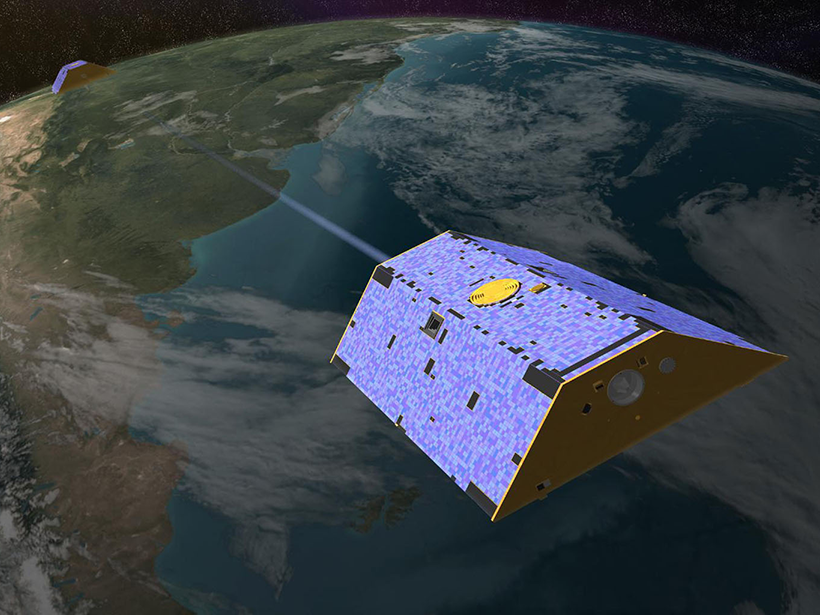
An artist’s rendering of the Gravity Recovery and Climate Experiment, or GRACE
Posted inResearch Spotlights

Improving Water Resources Management with Satellite Data

Aaron Sidder, freelance science writer by Aaron Sidder 8 April 20196 March 2023

An extensive review reveals that remote sensing is changing the way we manage water resources and suggests that the coming years will bring both exciting advancements and new challenges.

Guatemala’s Volcán de Fuego emits gases
Posted inResearch Spotlights

Observing Volcanoes from Space

by E. Underwood 28 February 20196 March 2023

The first multidecadal, satellite-based study of Latin America’s most active volcanoes could help researchers better predict eruptions.
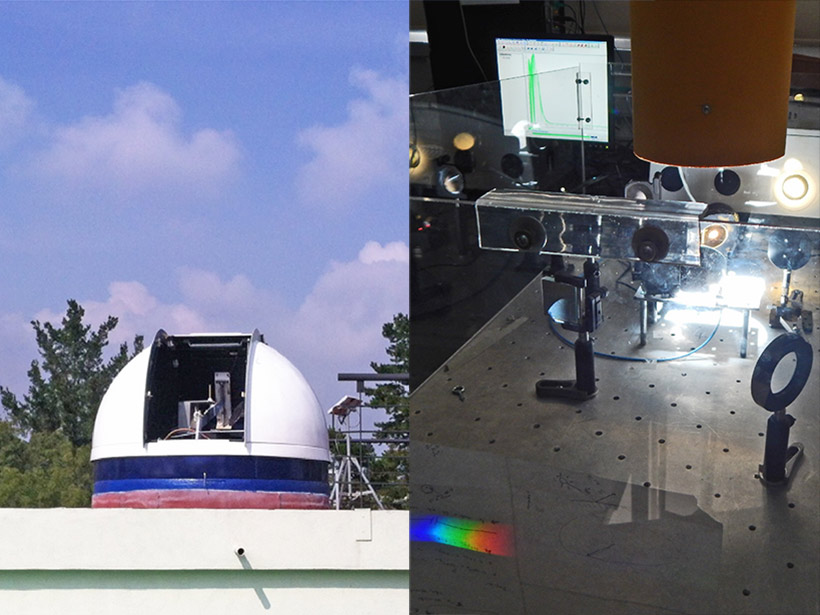
Experimental setup at the Universidad Nacional Autónoma de México, where the course was hosted.
Posted inScience Updates

Mexico City Hosts a Course on Remote Sensing for Latin Americans

by M. Grutter, J. C. Antuña-Marrero and C. Rudamas 4 May 20166 March 2023

Course on Remote Sensing Techniques Applied to Atmospheric Chemistry; Mexico City, Mexico, 7–11 December 2015

Posted inResearch Spotlights

Tropical Deforestation Accelerated Faster Than Initially Thought

by J. Calderone 27 October 20156 March 2023

New satellite-based analysis of forest cover in the humid tropics from 1990 to 2010 contradicts previous estimates of rate of loss.

Posts pagination

Newer posts 1 2
Over a dark blue-green square appear the words Special Report: The State of the Science 1 Year On.

Features from AGU Publications

Research Spotlights

Rivers in the Antarctic Sky, Captured in 3D

2 June 20262 June 2026
Editors' Highlights

Pre-Existing Structure and Stress Shape Geothermal-Induced Seismicity

2 June 20261 June 2026
Editors' Vox

The Editorial Board Marks the Latest Chapter in AGU Books

1 June 202626 May 2026
Eos logo at left; AGU logo at right

About Eos
ENGAGE
Awards
Contact

Advertise
Submit
Career Center
Sitemap

© 2026 American Geophysical Union. All rights reserved Powered by Newspack