• About
  • Special Reports
  • Topics
    • Climate
    • Earth Science
    • Oceans
    • Space & Planets
    • Health & Ecosystems
    • Culture & Policy
    • Education & Careers
    • Opinions
  • Projects
    • Postcards From the Field
    • ENGAGE
    • Editors’ Highlights
    • Editors’ Vox
    • Eos en Español
    • Eos 简体中文版
    • Print Archive: 2015–2025
  • Policy Tracker
  • Blogs
    • Research & Developments
    • The Landslide Blog
  • Newsletter
  • Submit to Eos
  • AGU.org
  • Career Center
  • Join AGU
  • Give to AGU
  • About
  • Special Reports
  • Topics
    • Climate
    • Earth Science
    • Oceans
    • Space & Planets
    • Health & Ecosystems
    • Culture & Policy
    • Education & Careers
    • Opinions
  • Projects
    • Postcards From the Field
    • ENGAGE
    • Editors’ Highlights
    • Editors’ Vox
    • Eos en Español
    • Eos 简体中文版
    • Print Archive: 2015–2025
  • Policy Tracker
  • Blogs
    • Research & Developments
    • The Landslide Blog
  • Newsletter
  • Submit to Eos
Skip to content
  • AGU.org
  • Career Center
  • Join AGU
  • Give to AGU
Eos

Eos

Science News by AGU

Support Eos
Sign Up for Newsletter
  • About
  • Special Reports
  • Topics
    • Climate
    • Earth Science
    • Oceans
    • Space & Planets
    • Health & Ecosystems
    • Culture & Policy
    • Education & Careers
    • Opinions
  • Projects
    • Postcards From the Field
    • ENGAGE
    • Editors’ Highlights
    • Editors’ Vox
    • Eos en Español
    • Eos 简体中文版
    • Print Archive: 2015–2025
  • Policy Tracker
  • Blogs
    • Research & Developments
    • The Landslide Blog
  • Newsletter
  • Submit to Eos

lists!

Collage of images, clockwise from the top: the Tarantula Nebula, with white and rust-colored clouds and stars peeking through; a diagram in white and blues showing the new water cycle; a cityscape with many trees with fall-colored leaves; a tall white rocketlike structure with the word "DART" and a blue logo stands against a blue and white sky; a blue and gold cover of Eos with many science illustrations on it; a painting by Monet of the Houses of Parliament in London with smoglike gray partially obscuring the structure and the Sun; three buildings from Harvard, Penn State, and Yale
Posted inNews

Our Favorite Science Stories of 2022

by AGU 28 December 202228 December 2022

Which Earth and space science stories stood out this year?
水流在大坝下翻腾。
Posted inResearch Spotlights

人类如何改变全球水资源

by Saima May Sidik 28 November 20221 March 2023

研究人员模拟研究了人类社会的八个关键方面对水文循环的影响。

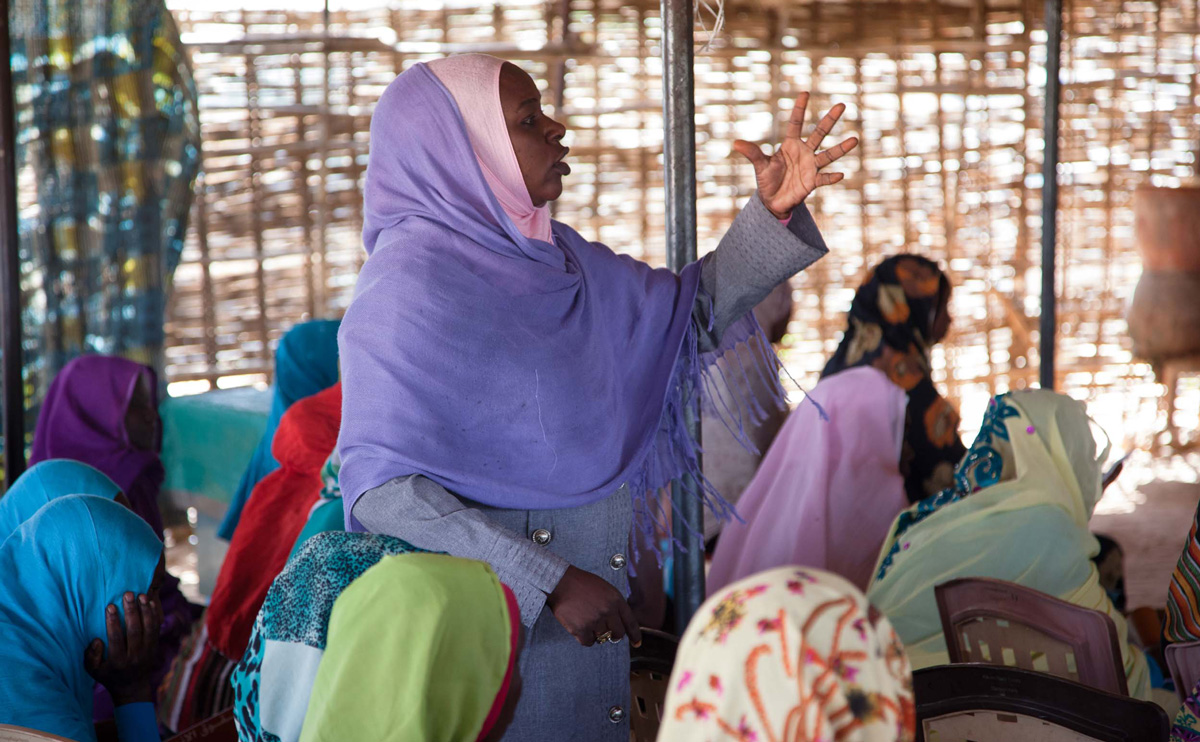
Al centro una mujer con un hijab lila está de pie para hablar en una junta. A su alrededor hay otras mujeres sentadas.
Posted inNews

10 perspectivas científicas para la COP27

by Meghie Rodrigues 23 November 20226 March 2023

Mientras las naciones se reunían en Sharm El-Sheikh, Egipto, los principales científicos del clima compartieron un nuevo informe para apoyar una política más eficaz.
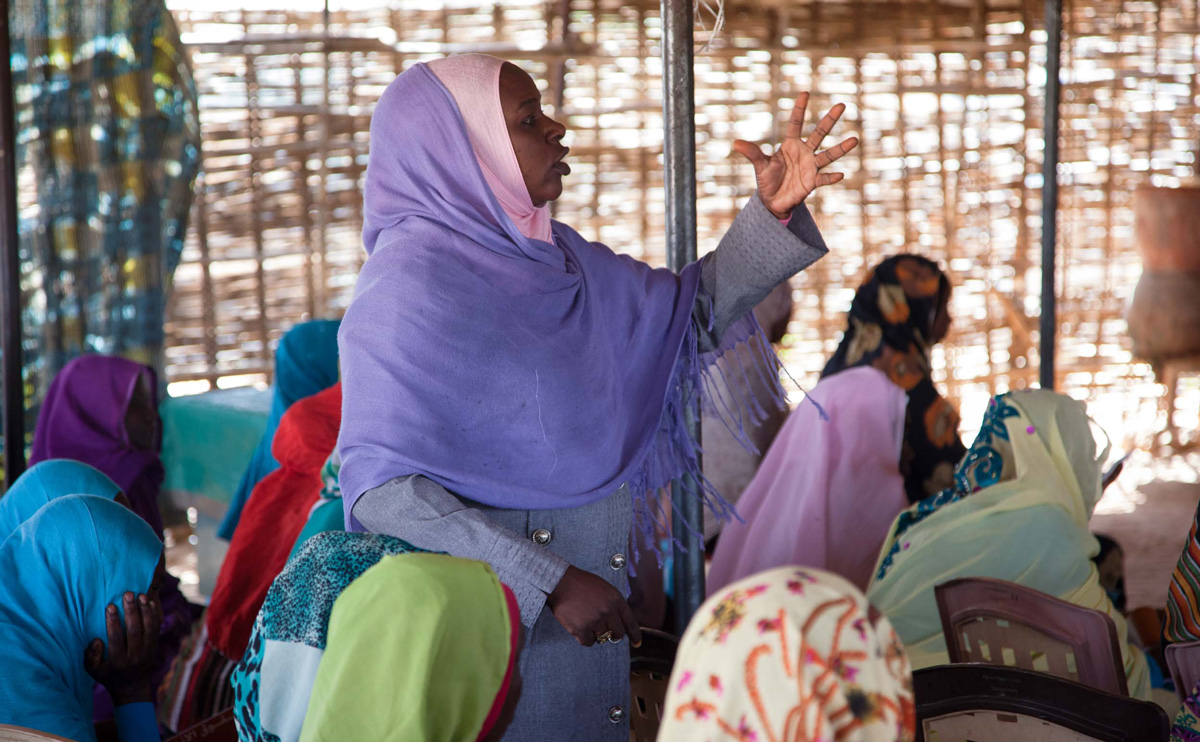
A woman wearing a light purple hijab stands in a meeting to talk.
Posted inNews

10 Science Insights for COP27

by Meghie Rodrigues 11 November 20221 June 2023

As nations convene in Sharm El-Sheikh, Egypt, leading climate scientists share a new report to support more effective policy.
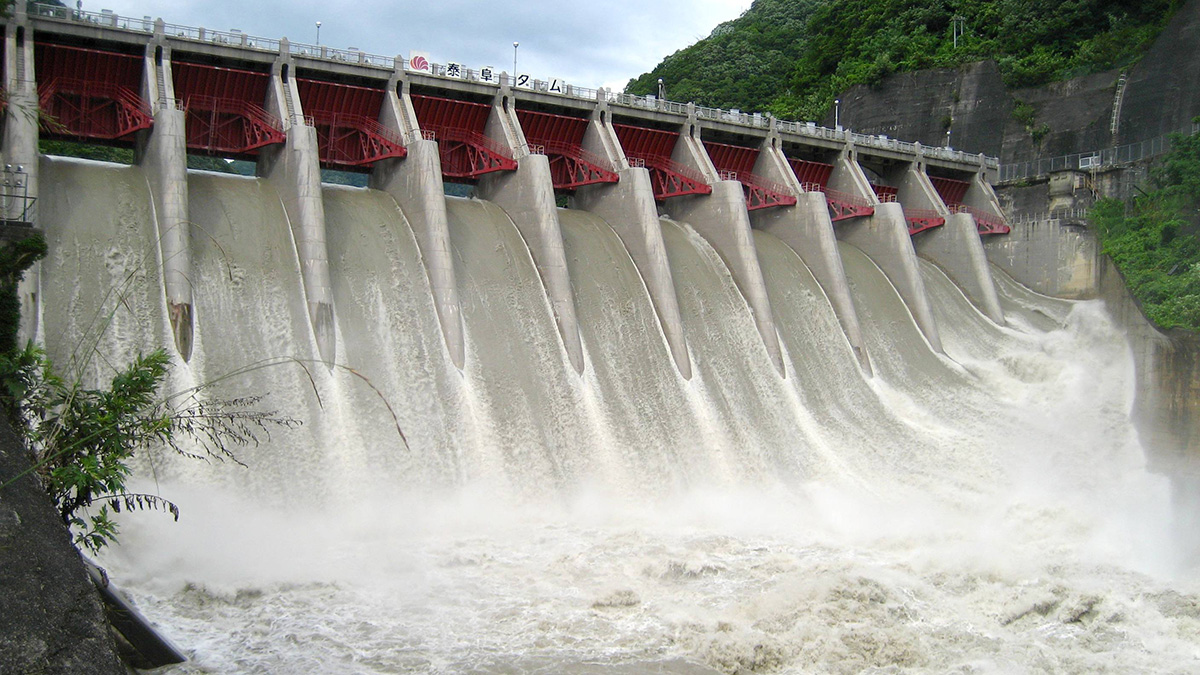
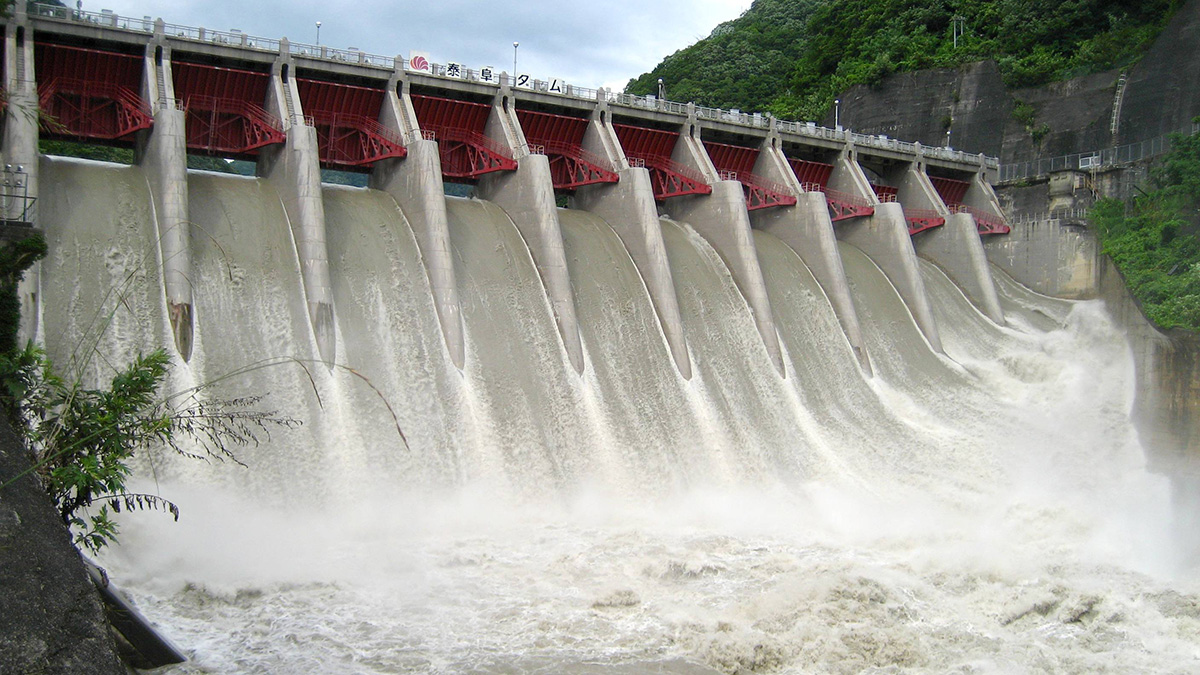
Water churns below a large dam.
Posted inResearch Spotlights

How We’re Reshaping Global Water Storage

by Saima May Sidik 21 September 202228 November 2022

Researchers modeled and mapped how eight key aspects of human societies affect hydrological cycles.

We are in the middle of solar cycle 25, which means that the Sun has been slowly ramping up its sunspot and flare activity for the past few years.
Posted inFeatures

11 Discoveries Awaiting Us at Solar Max

Kimberly M. S. Cartier, News Writing and Production Intern for Eos.org by Kimberly M. S. Cartier 25 August 202230 September 2022

Each solar cycle might seem like the same old story, but one thing has changed significantly since the previous solar maximum–our technology.
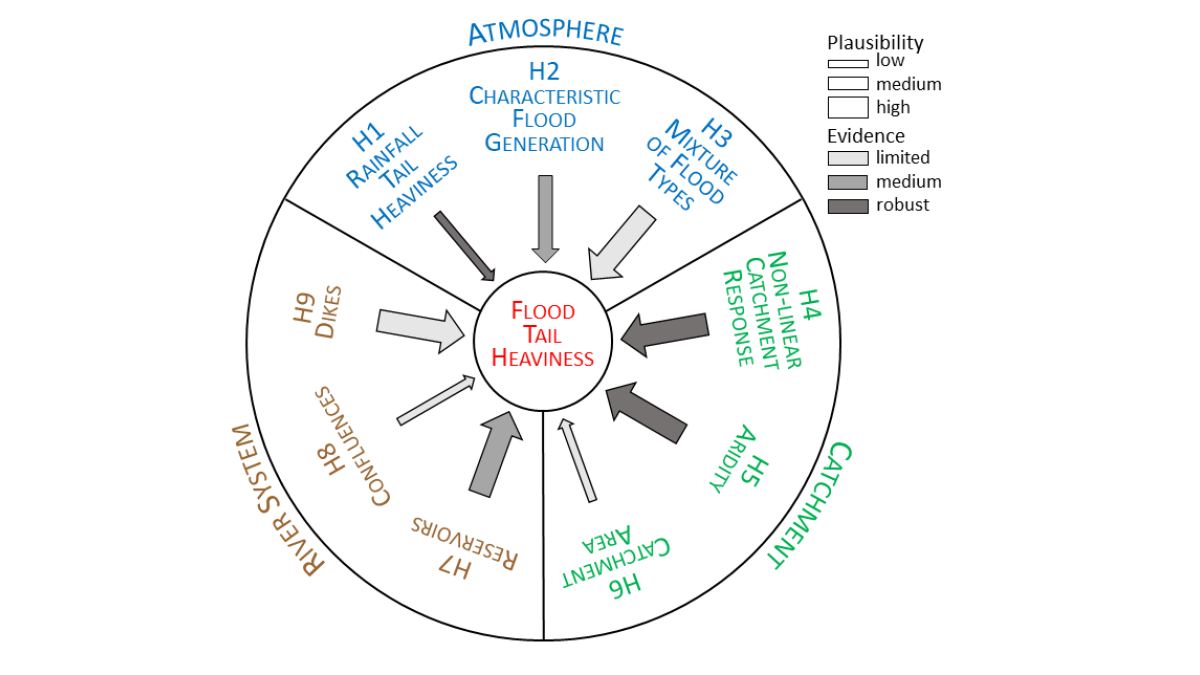
Diagram showing the nine hypotheses discussed in the paper.
Posted inEditors' Highlights

Nine Reasons Why Extreme Floods may be Worse Than Expected

by Jim Hall 1 August 20221 December 2022

The implications of nature not conforming to statistical assumptions can be devastating; researchers describe why extreme floods may be bigger than we assume.

Three-tiered calcite formation.
Posted inNews

Sorting Minerals Differently Could Usher a New Era for Mineralogy

by Carolyn Wilke 20 July 202214 November 2024

Grouping minerals by how they were formed yields insights into our planet’s evolution across billions of years.

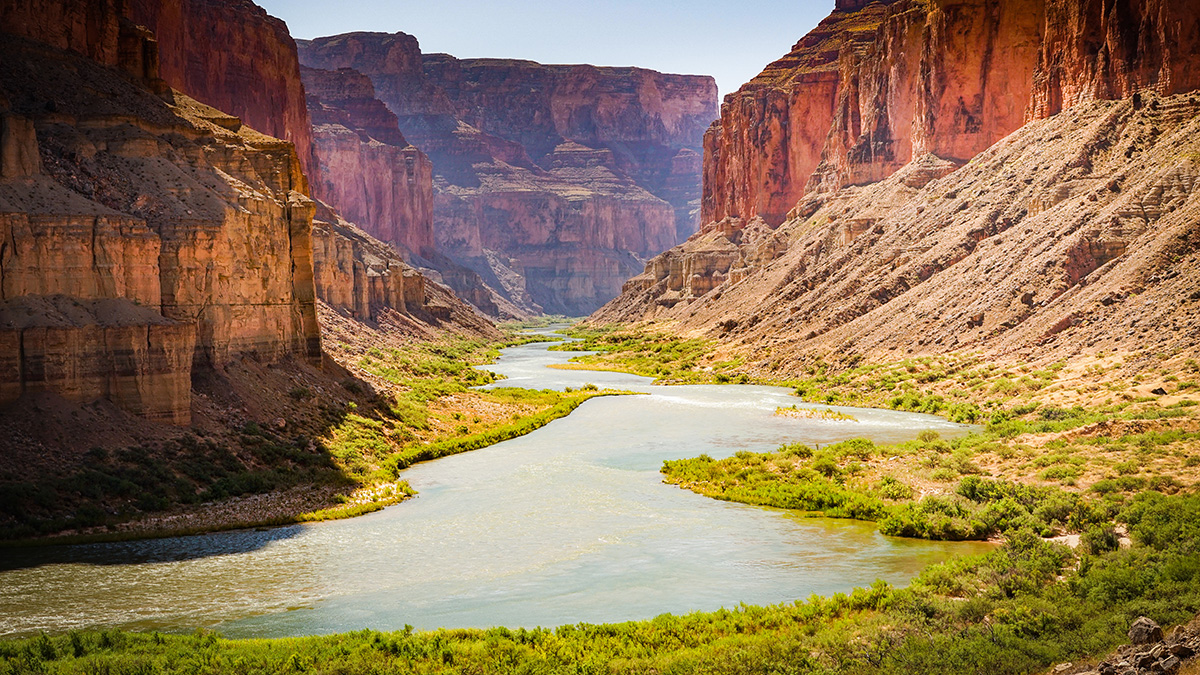
The Colorado River winds through canyons near Page, Ariz.
Posted inNews

Endangered Rivers Plagued by Pollution, Climate Change, and Outdated Management

by Jennifer Schmidt 19 April 202219 April 2022

The annual list of America’s Most Endangered Rivers includes practical calls to action to turn the tide on threatened U.S. waterways.

Weather instrumentation mounted on stands and towers in a grassy field.
Posted inScience Updates

Chronicling the Hottest, Coldest, Windiest, and Rainiest Weather

by Alex Sterin, Phillip Jones, Blair Trewin, Daniel Krahenbuhl and Randall S. Cerveny 5 April 20229 May 2022

The World Meteorological Organization verifies and documents record-setting temperatures, winds, lightning, and more, offering snapshots of Earth’s extremes and hints about its changing climate.

Posts pagination

Newer posts 1 2 3 4 5 … 11 Older posts
Over a dark blue-green square appear the words Special Report: The State of the Science 1 Year On.

Features from AGU Publications

Research Spotlights

A Long-Term Look Beneath an Antarctic Ice Shelf

6 March 20269 March 2026
Editors' Highlights

Slow Atmospheric Circulations Shape Storm Tracks and Wave-Breaking Patterns

11 March 202611 March 2026
Editors' Vox

How Radar Reveals the Hidden Fabric of Ice Sheets

9 March 20269 March 2026
Eos logo at left; AGU logo at right

About Eos
ENGAGE
Awards
Contact

Advertise
Submit
Career Center
Sitemap

© 2026 American Geophysical Union. All rights reserved Powered by Newspack