
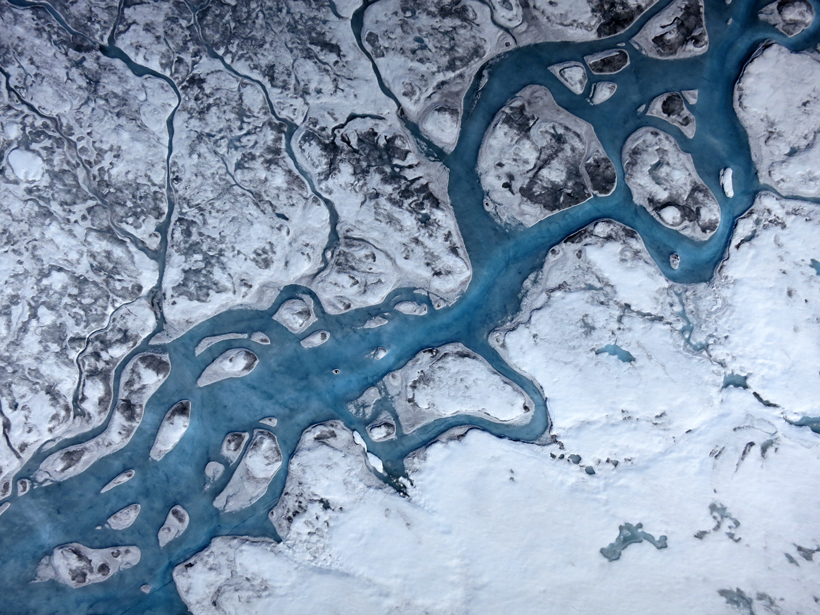
Limited observational data sets and incomplete surface energy balance models constrain understanding of the driving processes for Greenland's ice sheet.
Opinion
Posted inOpinions
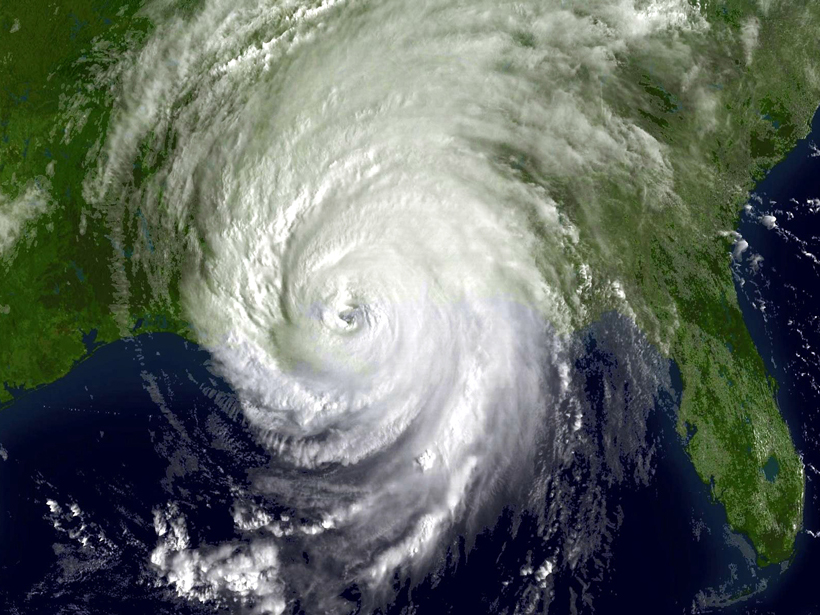
Ten Years After Katrina: What Have We Learned?
One mitigation strategy—relocating people and sensitive infrastructure to higher ground—eventually will need to be considered as sea level rise accelerates.
Posted inOpinions
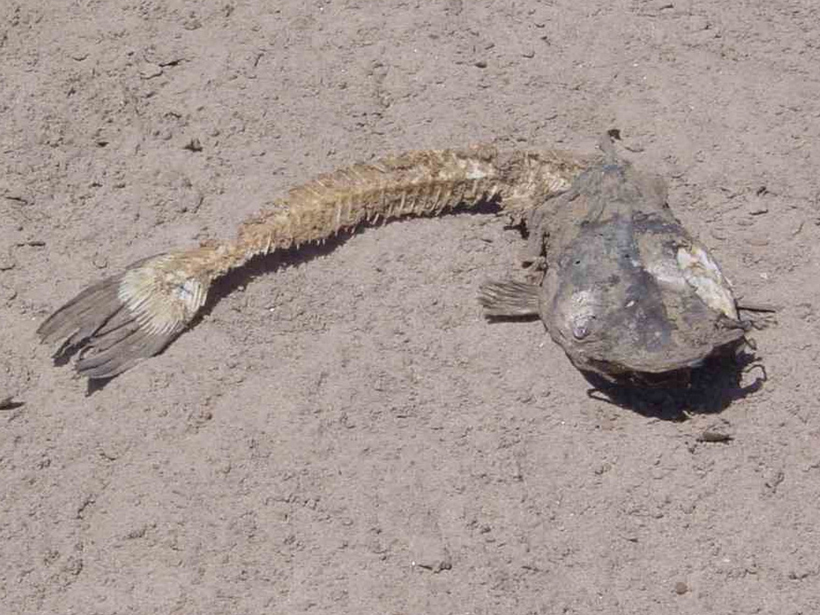
How Can We Better Understand Low River Flows as Climate Changes?
When rivers run low, they threaten ecosystems, economies, and the communities who depend on them. Scientists need to determine how climate change alters this process, but to do so, they'll have to abandon a long-held assumption.
Posted inOpinions
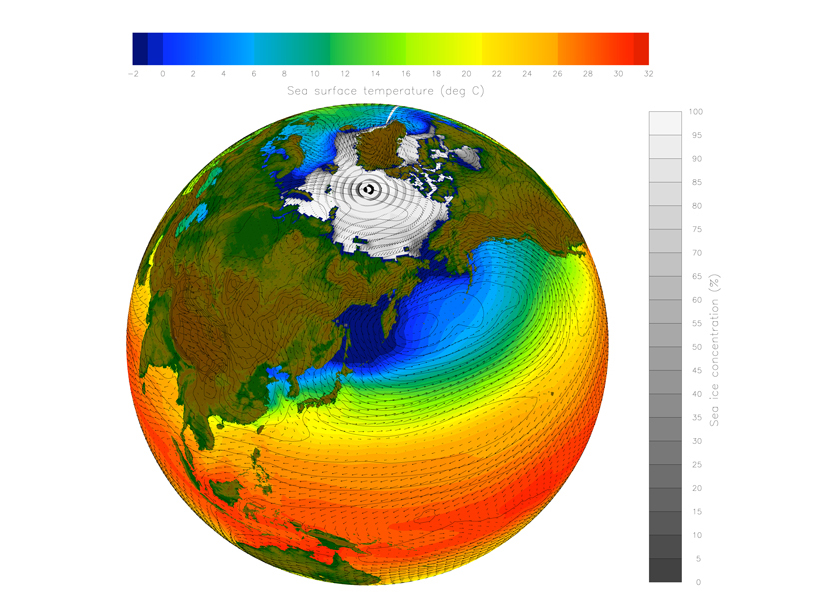
Future Directions for the World Climate Research Programme
The worldwide climate research community has talent, dedication, and a clear sense of knowledge gaps. It needs to close those gaps and convey its messages effectively to user communities.

Posted inOpinions
Craters Could Make Great Impacts on Mars Exploration
Future robotic missions to Mars hoping to peer beneath its surface in search of signs of life should target recent impact craters, where falling meteorites have done the drilling for them.

Posted inOpinions
Reality Check: Seismic Hazard Models You Can Trust
Probabilistic hazard assessments, even the most recent models, routinely underestimate earthquake effects. A neodeterministic approach comes closer to observed data.
Posted inOpinions
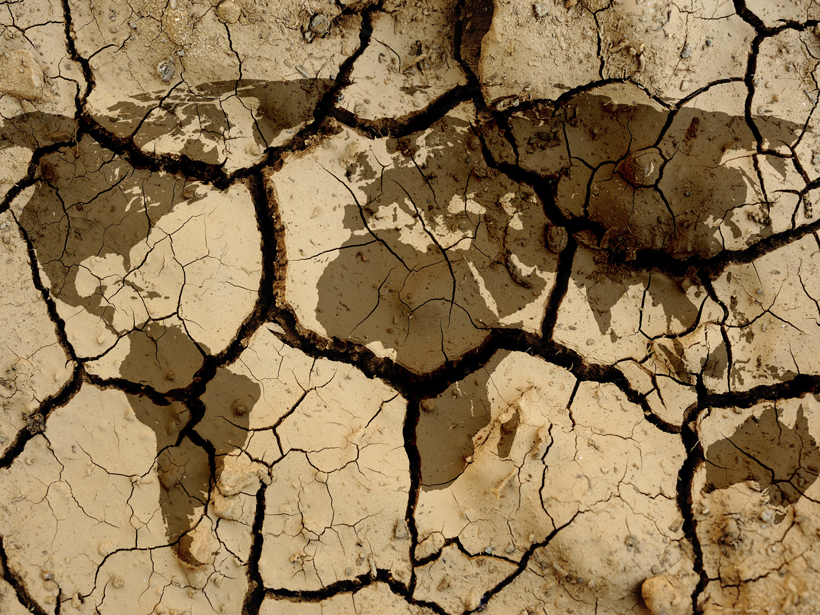
Spreading the Word About Climate Change
It has been 1 year since the release of the third U.S. National Climate Assessment. What has been learned over this year, and how can you help to inform the public about these important results?
Posted inOpinions
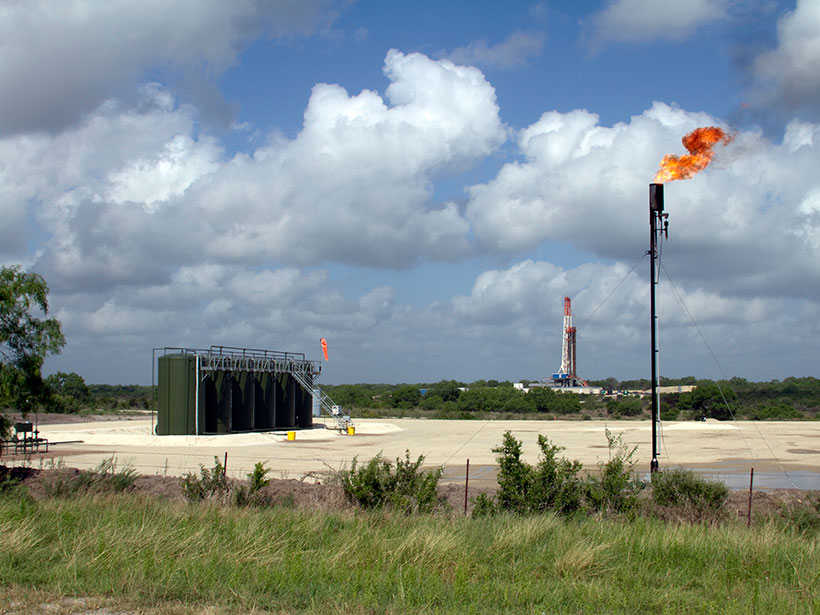
Is the Shale Boom Reversing Progress in Curbing Ozone Pollution?
Concentrations of volatile organic compounds—precursors to ground-level ozone formation—are on the rise in areas over and downwind of a major shale oil and gas field in Texas.
Posted inOpinions
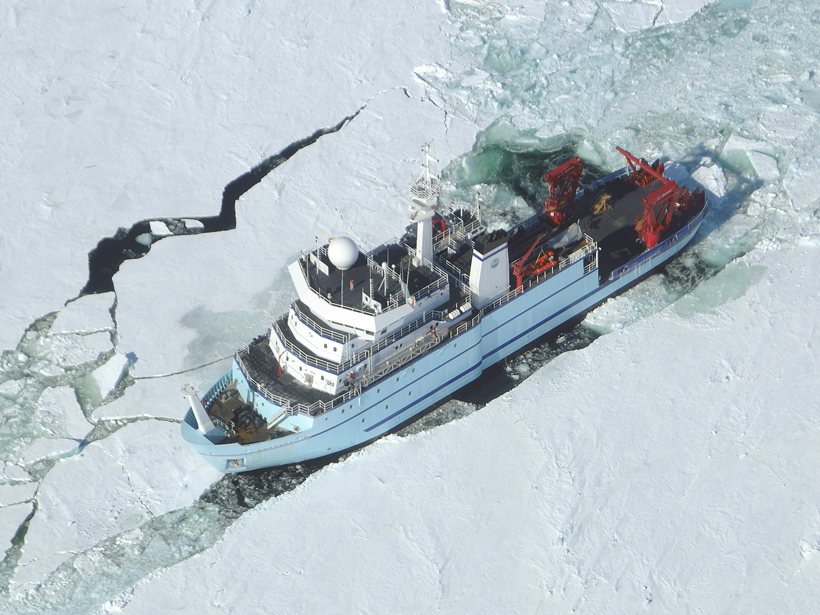
A Transformational Path Forward for the Ocean Sciences Community
A new Decadal Survey of Ocean Sciences balances rising facilities costs with research needs. The ocean science community should unite behind the report's resounding central message.

Posted inOpinions
Reaffirming the Social Contract Between Science and Society
Our geosciences community too often gives the impression that we care primarily about more funding for our research. Such overt self-interest poses risks to our community and to society.