

Data do not exist in a vacuum. To be useful, data must be accompanied by context on how they are captured, processed, analyzed, and validated and other information that enables interpretation and use.
Opinion

Posted inOpinions
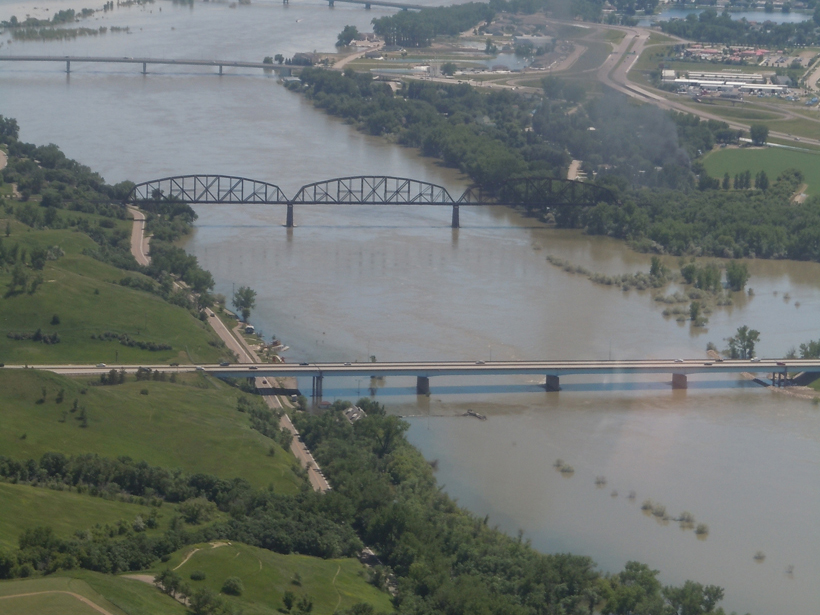
Taking the Pulse of the Earth's Surface Systems
As human activity alters the Earth's surface environment in unprecedented ways, a comprehensive survey campaign is necessary to predict future impacts.
Posted inOpinions
What Is the Anthropocene?
Geologists must consider whether the Anthropocene is a specific segment in the continuum of time or a holistic concept.
Posted inOpinions
Managing the Carbon Cycle Requires Strong Science
For future climate change mitigation strategies to be effective, carbon cycle science must receive a major boost.
Posted inOpinions
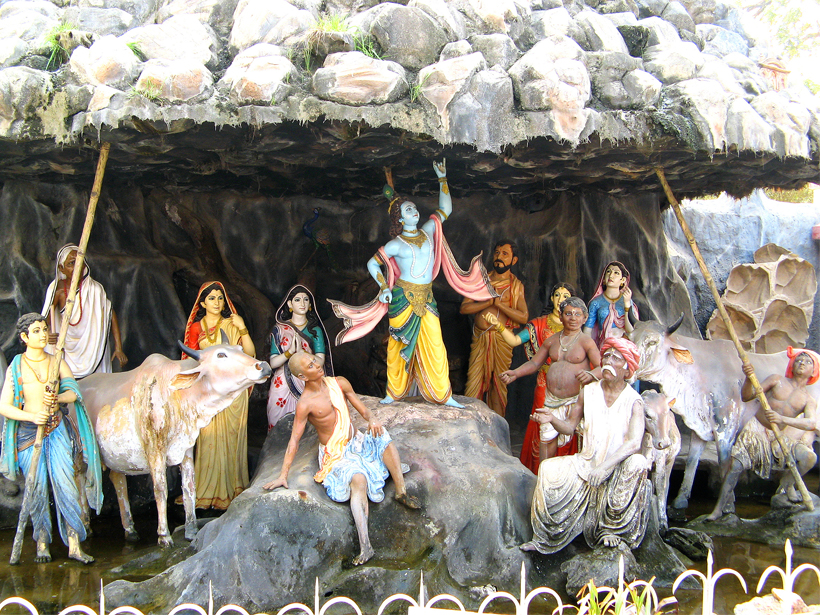
The Melodies of Monsoons: Weather in Indian Classical Music
Western composers evoke nature's fury with orchestral music that imitates the sounds of weather. Indian composers depict the monsoon rains in more abstract terms with the classical raga system.
Posted inOpinions
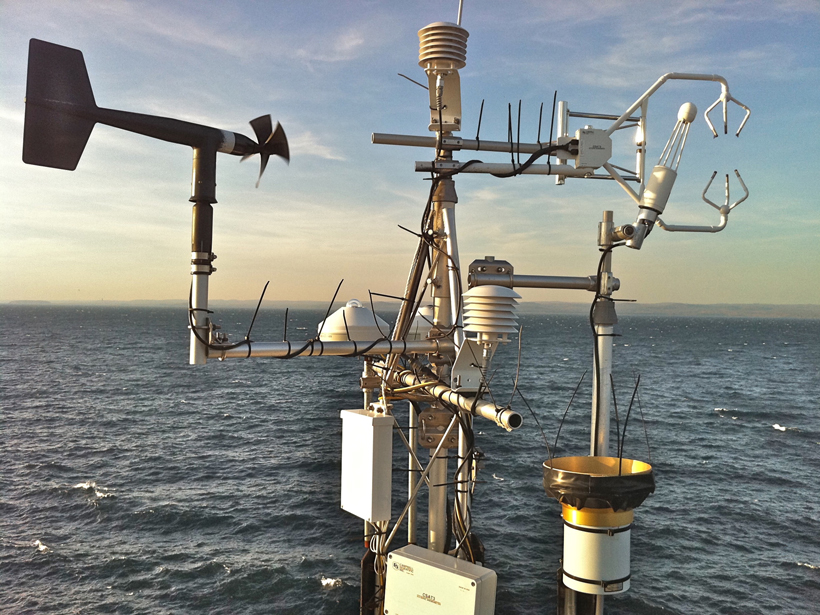
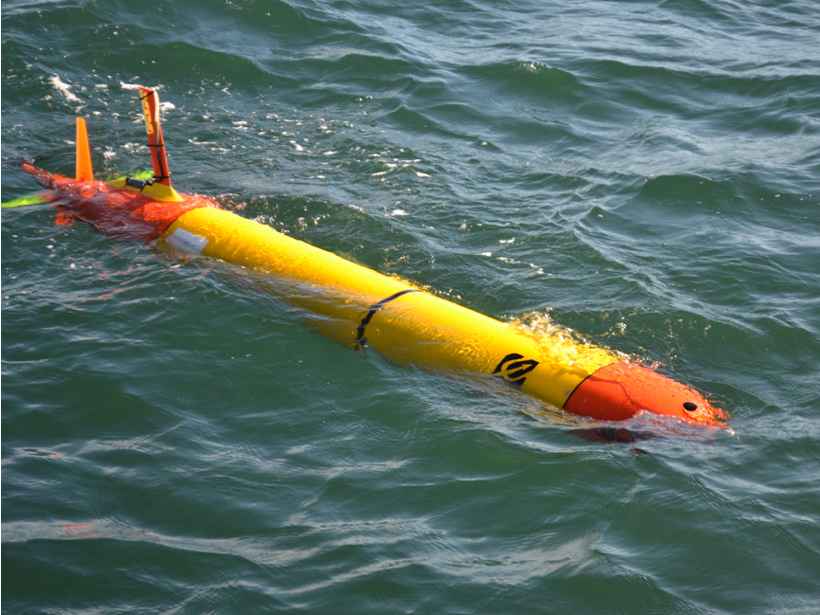
Navigating the Uncertain Future of Global Oceanic Time Series
Long-term observing of our world's oceans is crucial to understanding climate change. Innovation and collaboration are needed to achieve sustainable oceanic time series.
Posted inOpinions
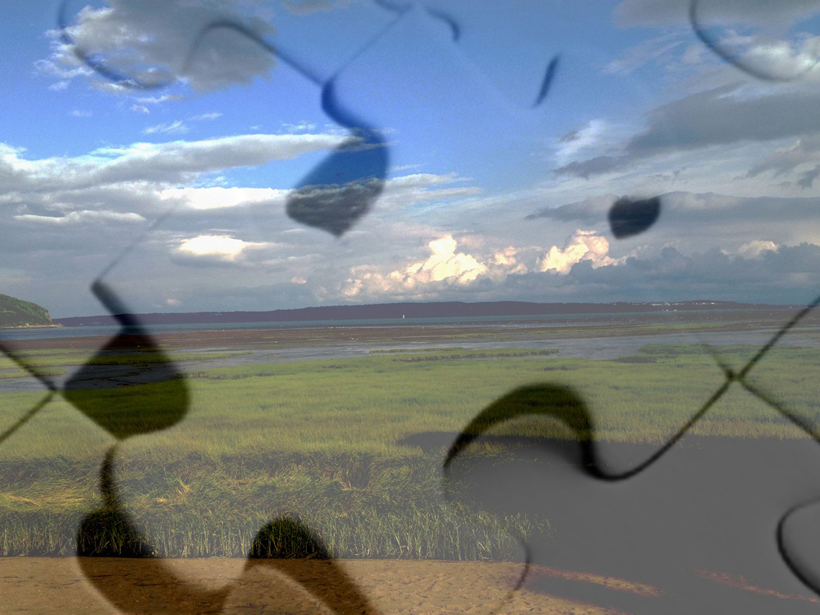
Climate Closure
In the battle of public opinion over climate change, we can play to science's strengths by shifting tactics: Instead of struggling to prove humans are to blame, let's prove denialist fantasies wrong.
Posted inOpinions
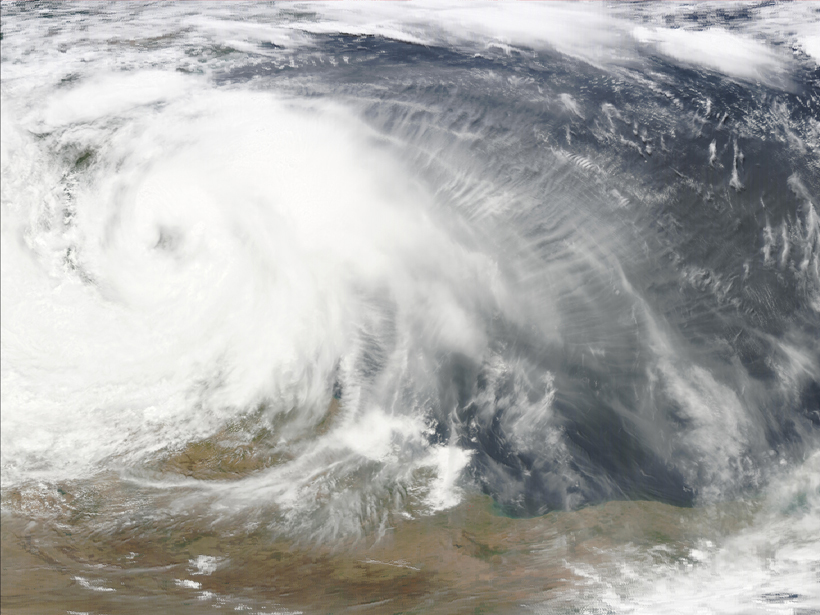
Data for All: Using Satellite Observations for Social Good
The satellite and science communities must engage with stakeholders to identify priorities and capabilities, enabling the most beneficial use of abundant satellite sensing data.
Posted inOpinions
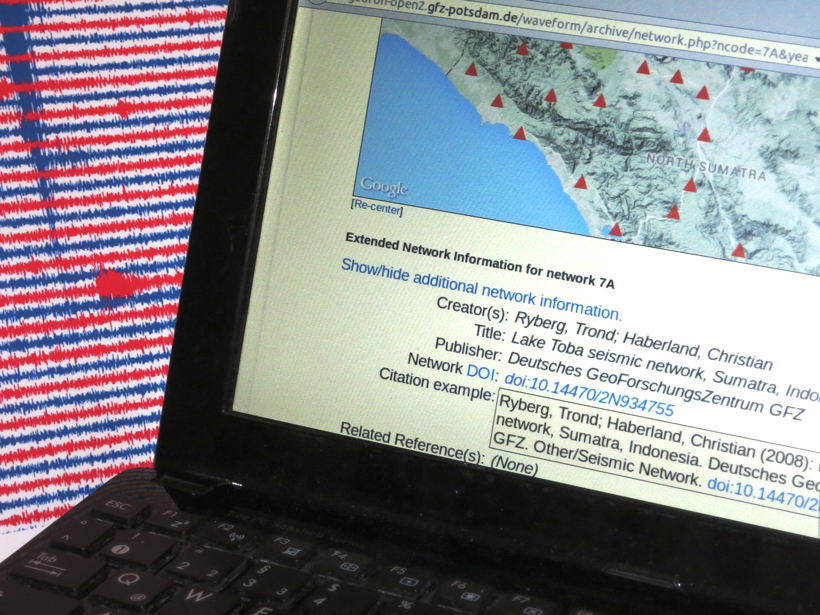
Why Seismic Networks Need Digital Object Identifiers
In a move to give credit where it's due, the International Federation of Digital Seismograph Networks will link digital object identifiers to data from seismic networks and project deployments.
Posted inOpinions
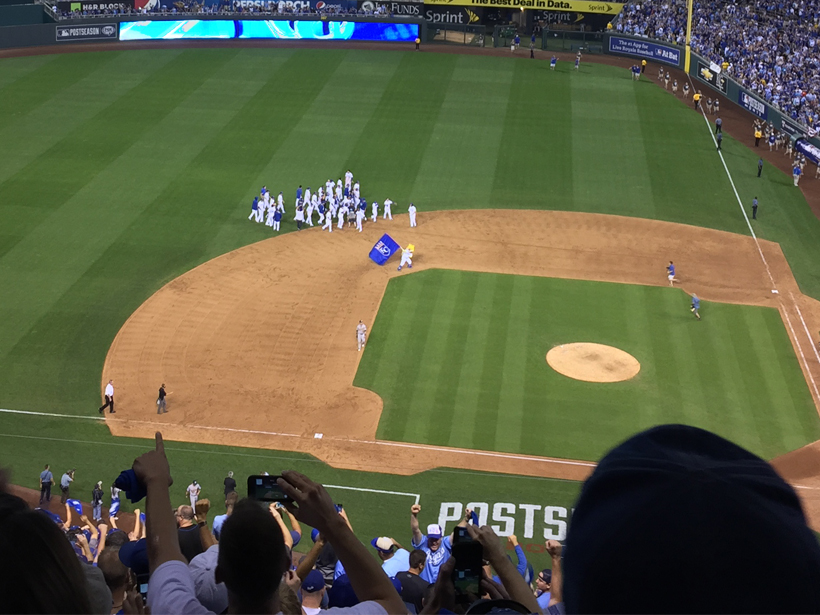
My Life in Baseball and Earthquakes
How earthquakes interrupted a Royals game and thrust me into a whirlpool of politics, media, and law.