• About
  • Sections
  • Topics
    • Climate
    • Earth Science
    • Oceans
    • Space & Planets
    • Health & Ecosystems
    • Culture & Policy
    • Education & Careers
    • Opinions
  • Projects
    • ENGAGE
    • Editors’ Highlights
    • Editors’ Vox
    • Eos en Español
    • Eos 简体中文版
    • Print Archive
  • Science Policy Tracker
  • Blogs
    • Research & Developments
    • The Landslide Blog
  • Newsletter
  • Submit to Eos
  • AGU.org
  • Career Center
  • Join AGU
  • Give to AGU
  • About
  • Sections
  • Topics
    • Climate
    • Earth Science
    • Oceans
    • Space & Planets
    • Health & Ecosystems
    • Culture & Policy
    • Education & Careers
    • Opinions
  • Projects
    • ENGAGE
    • Editors’ Highlights
    • Editors’ Vox
    • Eos en Español
    • Eos 简体中文版
    • Print Archive
  • Science Policy Tracker
  • Blogs
    • Research & Developments
    • The Landslide Blog
  • Newsletter
  • Submit to Eos
Skip to content
  • AGU.org
  • Career Center
  • Join AGU
  • Give to AGU
Eos

Eos

Science News by AGU

Support Eos
Sign Up for Newsletter
  • About
  • Sections
  • Topics
    • Climate
    • Earth Science
    • Oceans
    • Space & Planets
    • Health & Ecosystems
    • Culture & Policy
    • Education & Careers
    • Opinions
  • Projects
    • ENGAGE
    • Editors’ Highlights
    • Editors’ Vox
    • Eos en Español
    • Eos 简体中文版
    • Print Archive
  • Science Policy Tracker
  • Blogs
    • Research & Developments
    • The Landslide Blog
  • Newsletter
  • Submit to Eos

Rhode Island

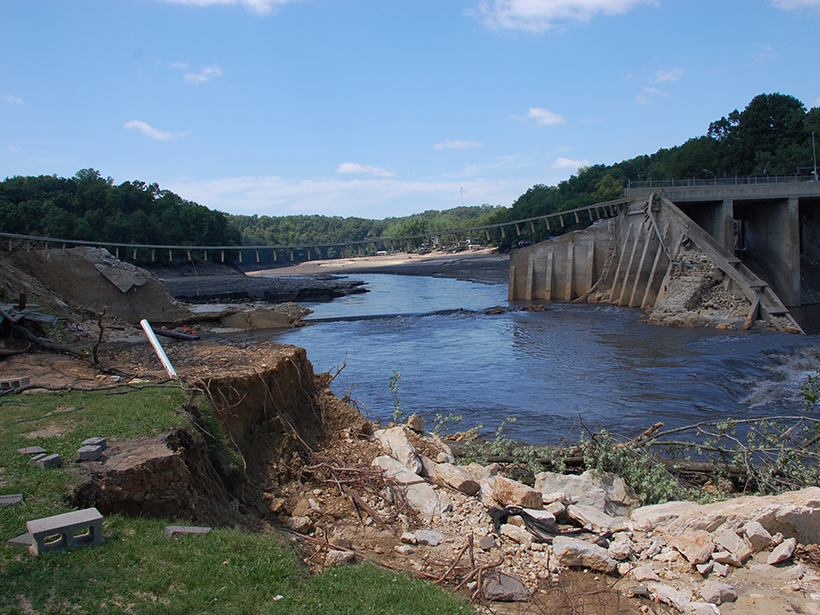
Dam failure in Iowa
Posted inNews

Below Aging U.S. Dams, a Potential Toxic Calamity

by J. Dinneen and A. Kennedy 11 June 20216 January 2023

Documents suggest that in more than 80 U.S. locations, the failure of an aging dam could flood a major toxic waste site.

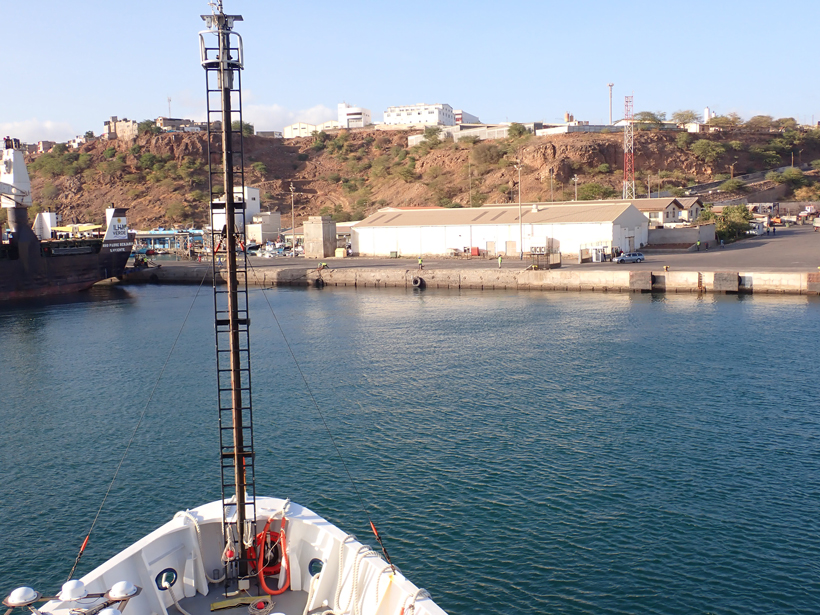
R/V Endeavor in port in Cape Verde
Posted inNews

During a Pandemic, Is Oceangoing Research Safe?

Jenessa Duncombe, Staff Writer by Jenessa Duncombe 1 April 20206 January 2023

With research cruises postponed, scientists are trying to get home safe, and others worry about the fate of their instruments left at sea.

Thick pine forest of Wellfleet Bay Wildlife Sanctuary in Cape Cod, Mass.
Posted inNews

New England Forests Were Historically Shaped by Climate, Not People

Rachel Fritts, Science Writer by Rachel Fritts 28 February 20205 June 2023

A first-of-its-kind study combining paleoecology and archeology indicates that the New England landscape was not actively managed with fire prior to European arrival.

A view of a bridge, with the New Orleans skyline visible in the distance between the bridge and the water. A purple tint, a teal curved line representing a river, and the text “#AGU25 coverage from Eos” overlie the photo.

Features from AGU Publications

Research Spotlights

Understanding Flux, from the Wettest Ecosystems to the Driest

24 November 202524 November 2025
Editors' Highlights

Using Lightning-Induced Precipitation to Estimate Electron Belt Decay Times

3 December 20252 December 2025
Editors' Vox

Hydrothermal Circulation and Its Impact on the Earth System

3 December 20253 December 2025
Eos logo at left; AGU logo at right

About Eos
ENGAGE
Awards
Contact

Advertise
Submit
Career Center
Sitemap

© 2025 American Geophysical Union. All rights reserved Powered by Newspack