



Scientists must embrace communication, and communicators must work harder to tell more nuanced and compelling science stories, the newsman said to an auditorium full of scientists.
science communication

Posted inNews
Researchers Explore Carbon Footprints of Superheroes
A tongue-in-cheek exercise about comic book heroes aims to inspire people to consider the amount of greenhouse gas emissions they themselves cause.
Posted inAGU News
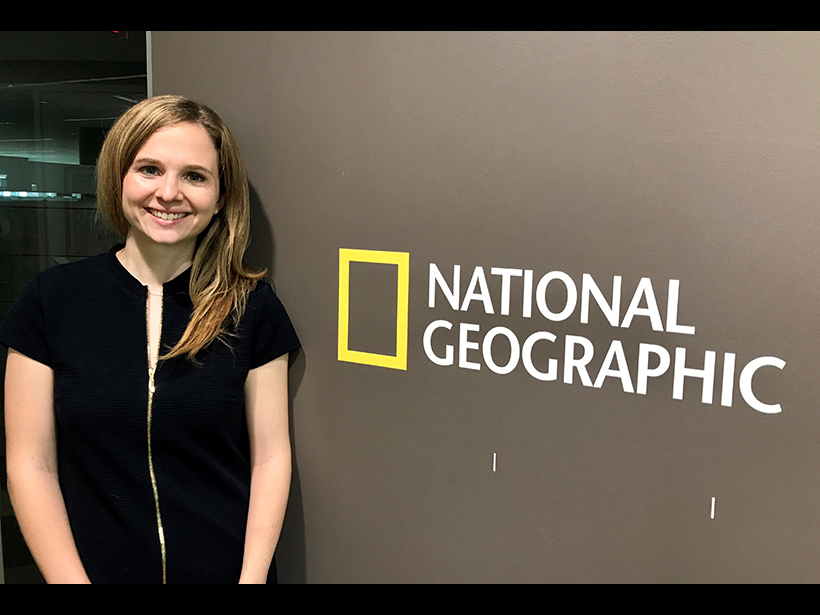
A Superb Summer of Science Journalism
At National Geographic, Ph.D. paleontologist and Mass Media Fellow Shaena Montanari savored the challenge of covering everything from vintage Apollo photos to bone-eating giraffes.

Posted inAGU News
AGU’s Developer Contest Unlocks Scientific Research

Announcing its Open API Challenge winners, the American Geophysical Union explores what open data mean for science.
Posted inFeatures
Rise of Distorted News Puts Climate Scientists on Their Guard
Wary of misleading coverage, some climate researchers are avoiding publicizing results. Others prepare countermeasures to anticipate and combat skewed media reports.
Posted inEditors' Vox
AGU Provides Open Citations and Content Sharing
AGU joins new initiatives to make scientific research more transparent and accessible.
Posted inScience Updates
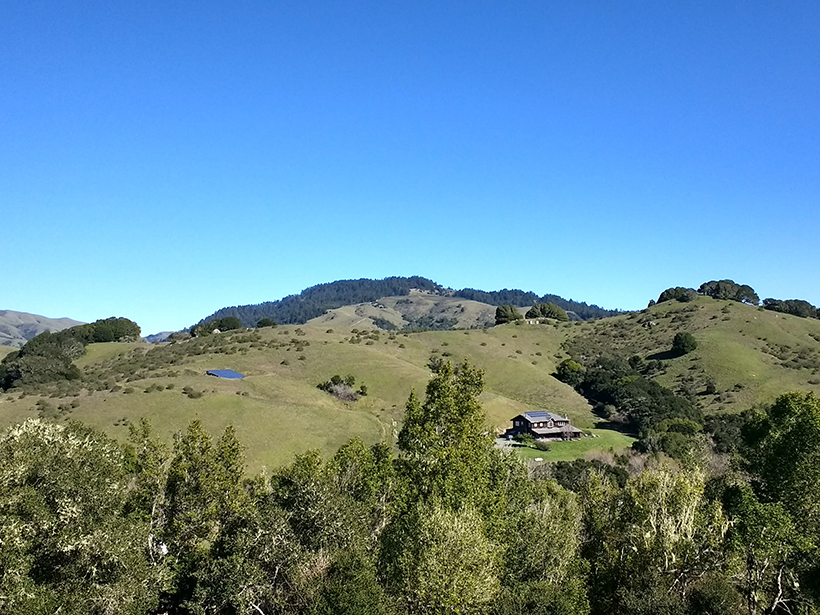
A New Platform for Managing Soil Carbon and Soil Health
International Soil Carbon Network Workshop; Stanford, California, 27 February to 3 March 2017
Posted inNews
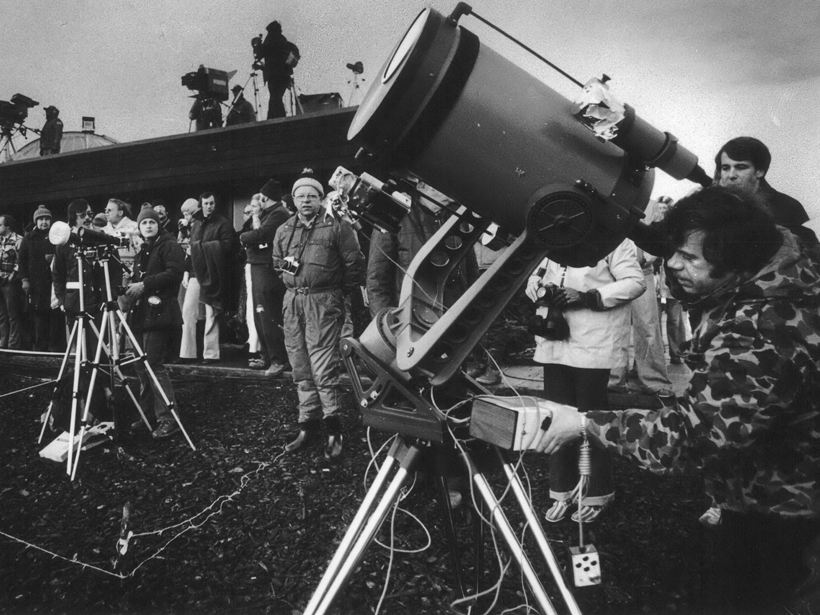
Small Towns Brace for Historic Eclipse Crowds
Some towns have known for a decade to prepare; others learned as little as a year ago about the event and what it might bring to their locale.
Posted inNews
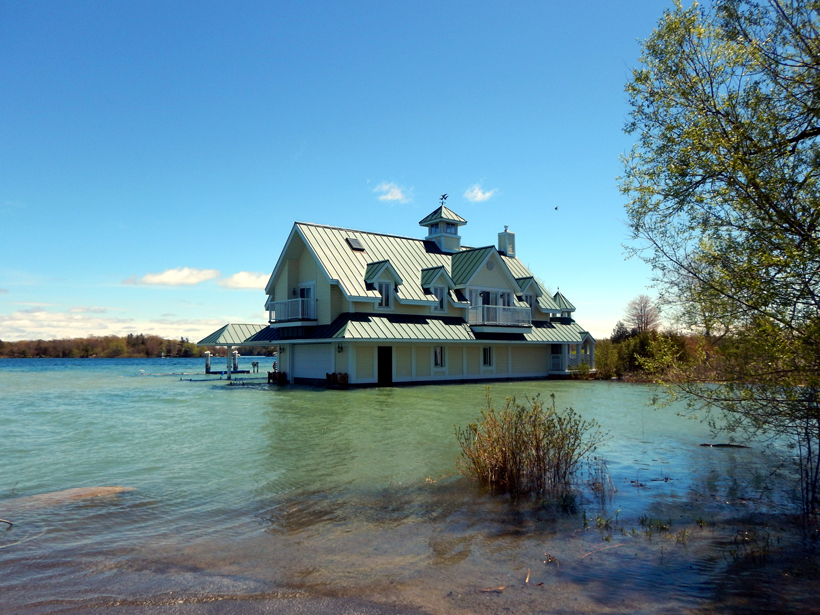
What Caused the Ongoing Flooding on Lake Ontario?
The floodwaters have also affected residents downstream along the Saint Lawrence River. Although politicians quickly blamed regulations, scientists say it was a perfect storm of natural factors.
Posted inResearch Spotlights
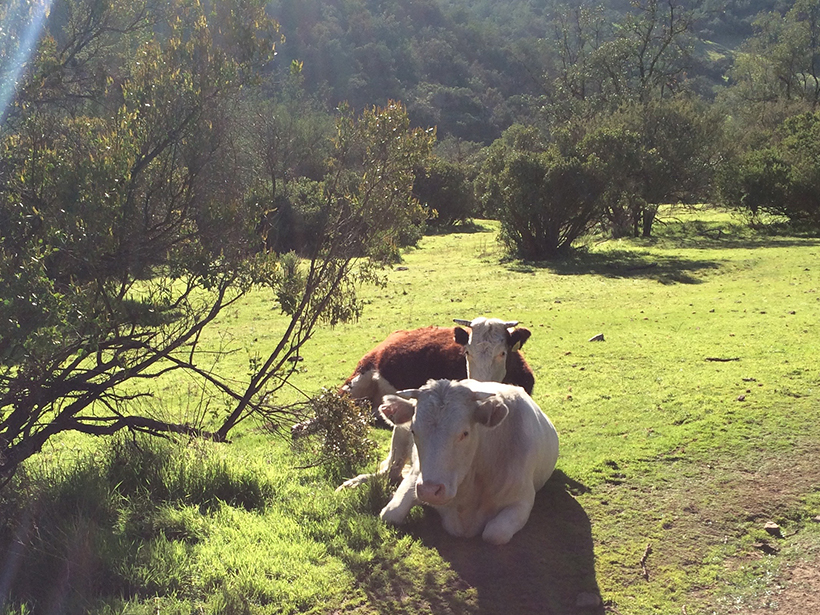
Are Studies That Evaluate Ecosystem Services Useful?
Ecologists find flaws in the approach to research that focuses on services ecosystems provide to humans. These flaws limit certain studies’ utility.