


A new executive order aims to establish the United States “as a global leader in seabed mineral exploration and development both within and beyond national jurisdiction.”
science policy
Posted inResearch & Developments
EPA Staff Slashed on the Eve of Earth Day
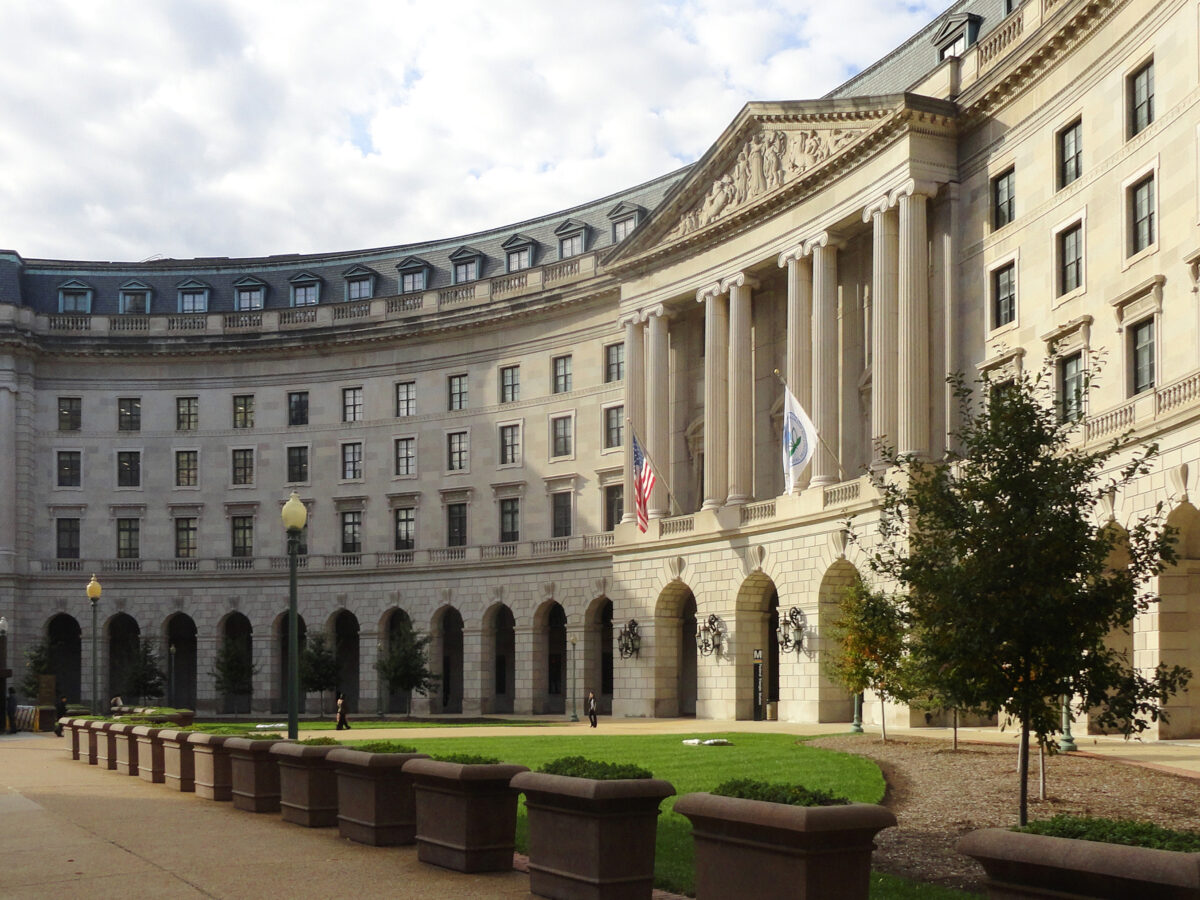
On 21 April, the Environmental Protection Agency notified hundreds of employees working on diversity, equity, and inclusion and environmental justice issues that they would be fired or reassigned to other positions.

Posted inResearch & Developments
Tracking Science Policy Decisions and Approaches
The new administration has taken an array of decisive actions with far-reaching consequences for Earth and space scientists. Use our new tool to help sort them out.
Posted inResearch & Developments
NSF Cancels Hundreds of DEI and Disinformation Grants
The National Science Foundation has cancelled hundreds of grants to researchers working on projects related to diversity, equity, and inclusion, as well as misinformation and disinformation.
Posted inResearch & Developments
NOAA Datasets Will Soon Disappear

NOAA has quietly reported that they will soon decommission 14 datasets, products, and catalogs related to earthquakes and marine, coastal, and estuary science.

Posted inResearch & Developments
NASA Science Faces an “Extinction-Level Event” with Trump Draft Budget Proposal
The initial draft of President Donald Trump’s budget request proposes devastating cuts to NASA’s science research, future space missions, and field centers.

Posted inResearch & Developments
U.S. National Climate Assessment Likely Dead After Contract Canceled

The Trump administration has canceled funding used to coordinate the National Climate Assessment, a major, congressionally mandated U.S. climate change report produced through the U.S. Global Change Research Program (USGCRP).
The National Climate Assessment is published approximately every four years and is the United States’ broadest assessment of current climate change impacts and climate science.
Posted inResearch & Developments
Executive Order Seeks to Revive “America’s Beautiful, Clean Coal Industry”
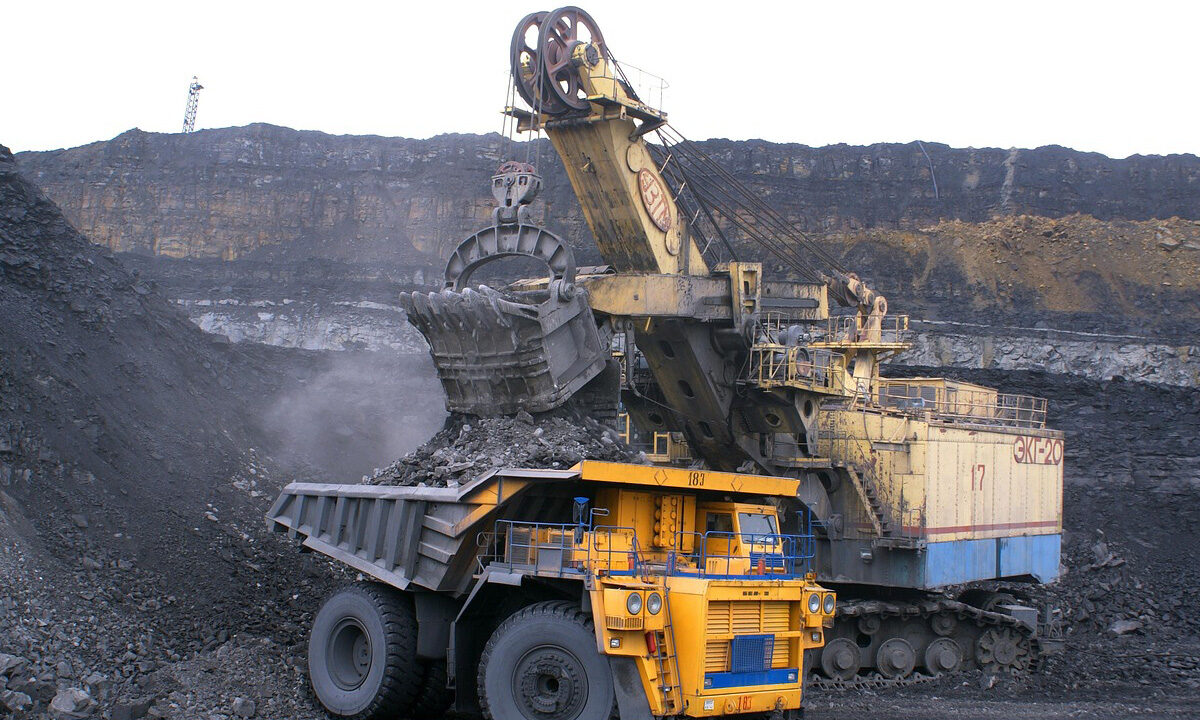
President Trump signed an executive order to drastically reduce restrictions on domestic coal production on 8 April. It lays out plans to enable coal mining on federal lands, identify and revise existing regulations and policies that seek to transition the country away from coal production, and identify regions where “coal-powered infrastructure” can be used to support artificial intelligence data centers.

Posted inResearch & Developments
Climate Scientists Unite to Nominate U.S. Experts for IPCC Report
A new academic alliance provides a pathway for U.S. climate scientists to participate in a critical international climate report.

Posted inResearch & Developments
Majority of Polled Scientists Considering Leaving United States, Signaling “Brain Drain”
After an onslaught of funding cuts, firings, and cancelled programs as a result of Trump administration actions, scientists in the United States are feeling targeted. That’s according to the results of a poll of 1,200 U.S. scientists, published by Nature.