
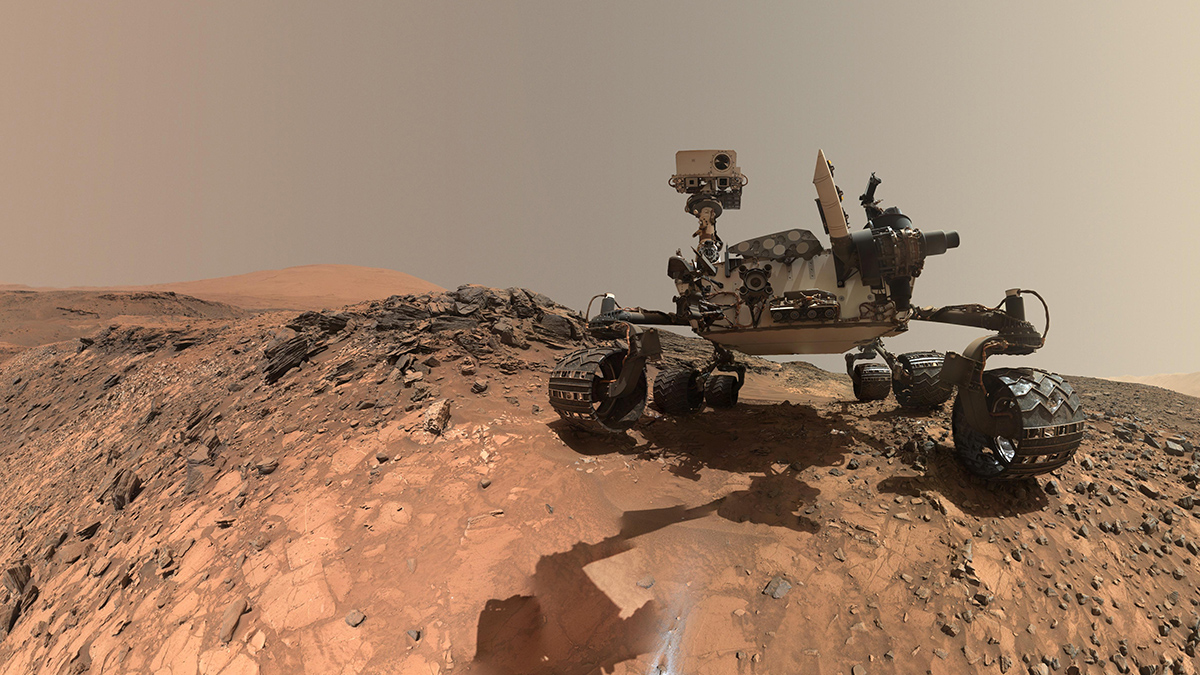
Curiosity’s detection of the gas, if atmospheric, could be an indicator of life on the Red Planet. But skeptics say further work is needed to rule out the rover itself as the source of the methane.
Space & Planets
Posted inNews
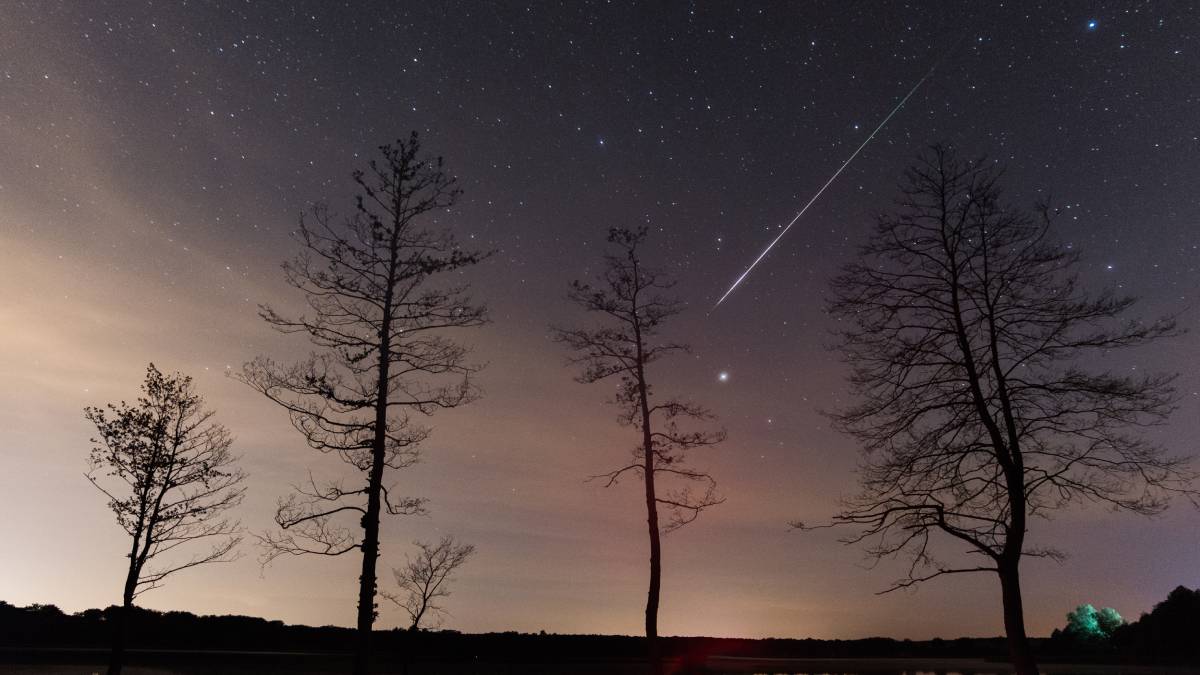
A Geologic Map of the Asteroid Belt

Scientists leveraged a global camera network and doorbell cameras to track dozens of meteorites to their asteroid families.
Posted inEditors' Highlights
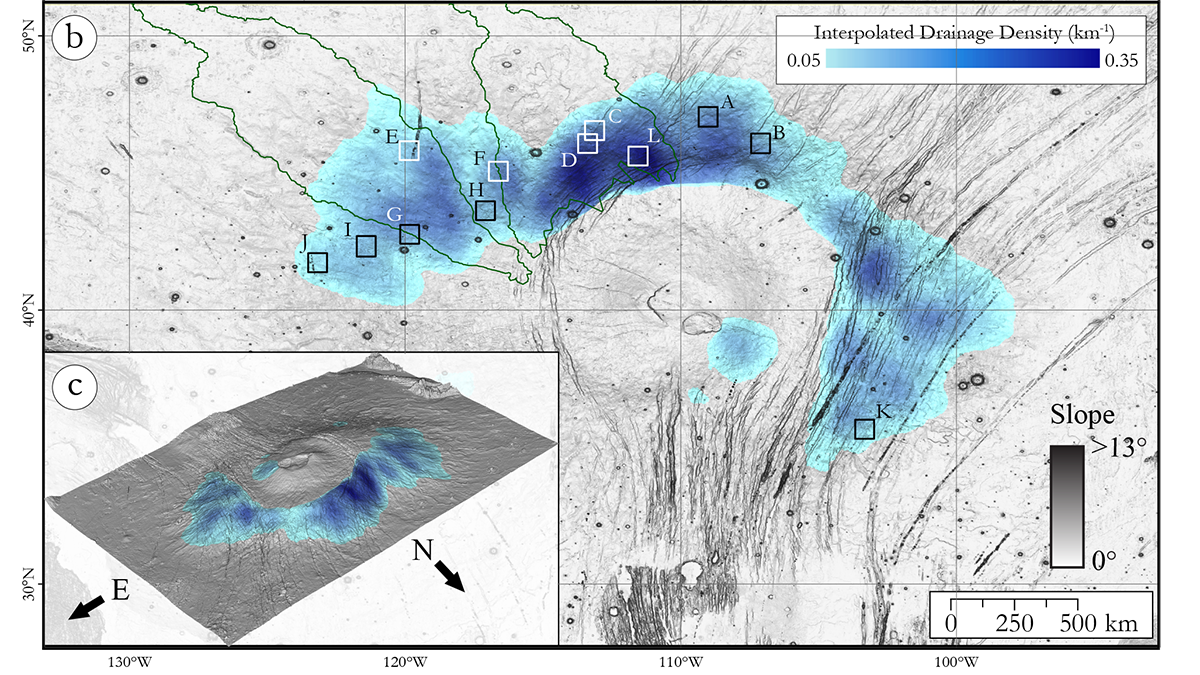
Young Rivers on a Martian Volcano Reveal Insights into the Amazonian Climate
A comprehensive inventory of rivers on Alba Mons on Mars reveals a prolonged history of erosion and development into mature drainage networks during the Amazonian, with contributions of rainfall and snow melt.
Posted inNews
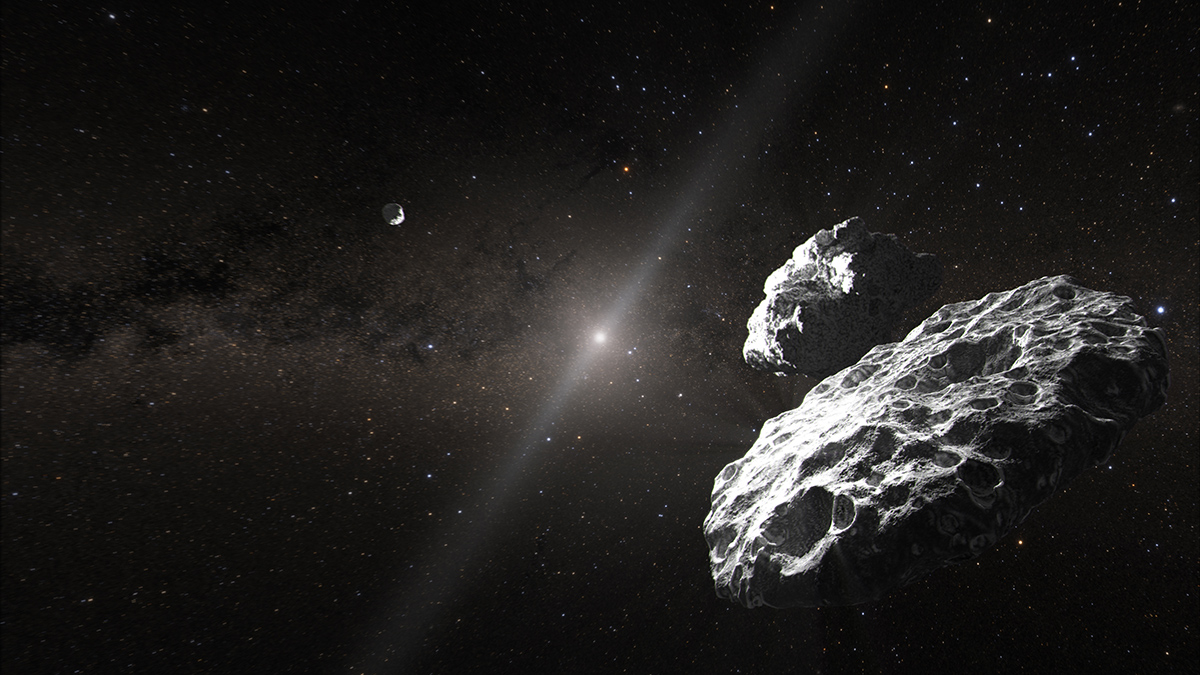
Distant Icy Twins Might Actually Be Triplets
The trans-Neptunian object Altjira, 44 times farther from the Sun than Earth is, could be the second known trinary, confirming a theory about the formation of our solar system.
Posted inNews
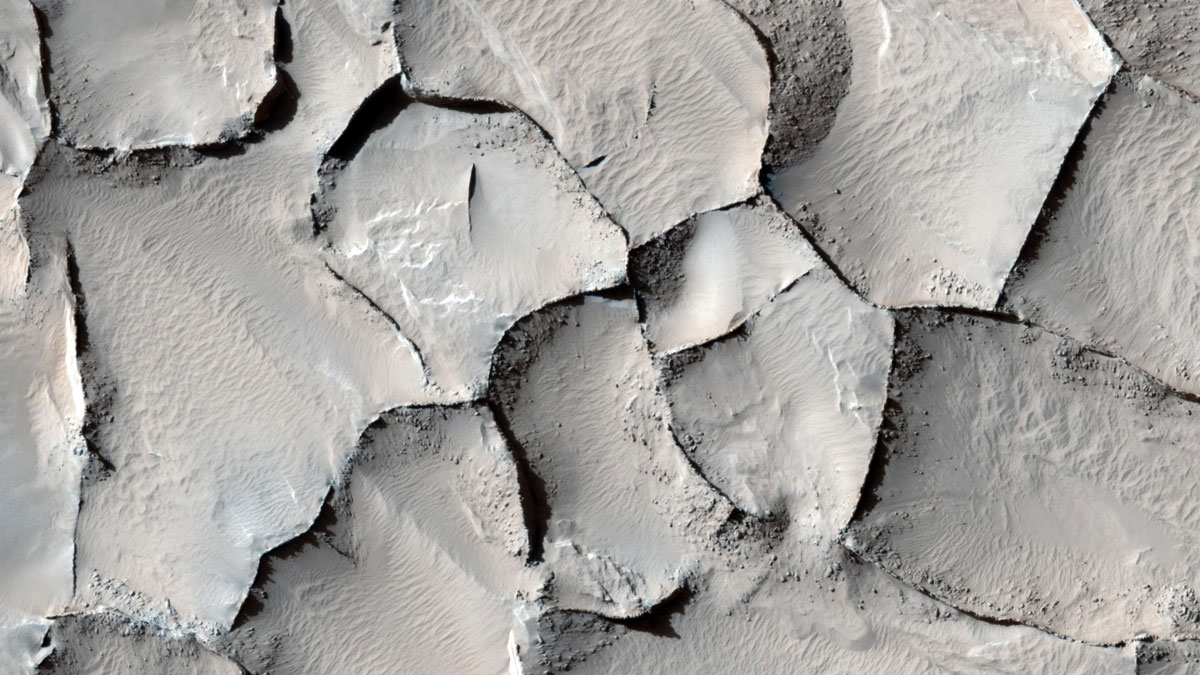
Cracks on Planetary Surfaces Hint at Water

Imagery of fractured terrain on Venus, Mars, and Jupiter’s moon Europa pinpoints environments influenced by water.
Posted inEditors' Highlights
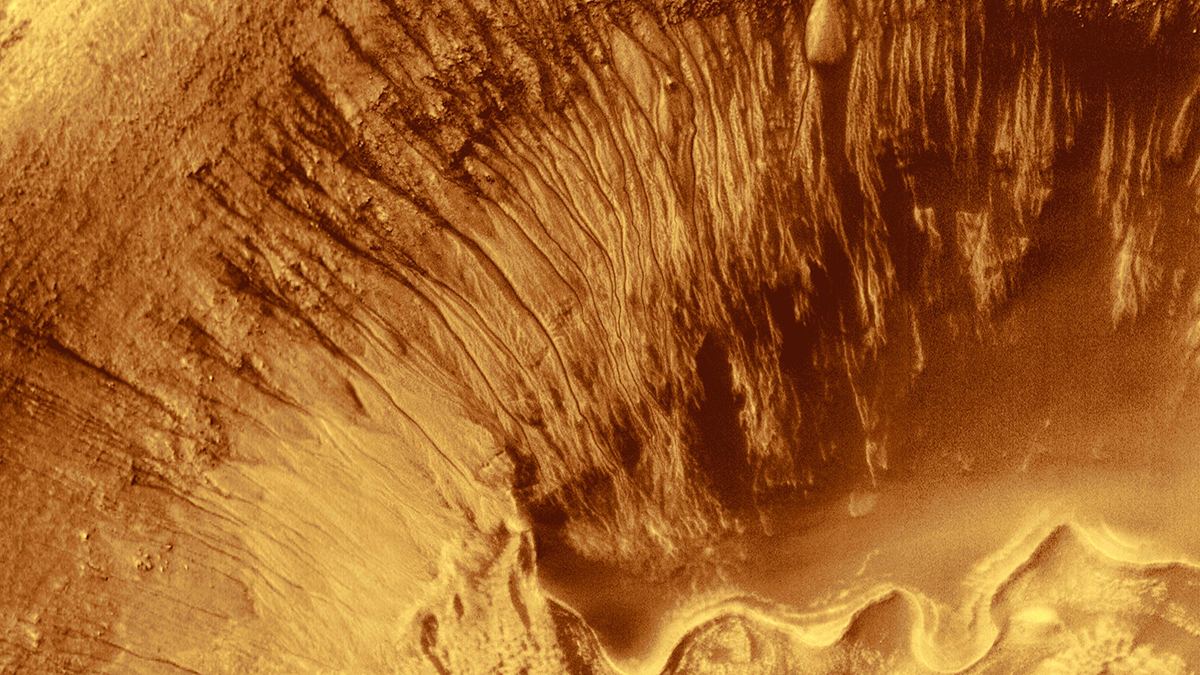
Geophysics Sheds Light on Early Martian Water and Habitability
A new study uses inversions of orbital gravity and magnetic field data to argue for the presence of ancient, long-lasting hydrothermal systems on Mars.

Posted inResearch & Developments
NASA Science Faces an “Extinction-Level Event” with Trump Draft Budget Proposal
The initial draft of President Donald Trump’s budget request proposes devastating cuts to NASA’s science research, future space missions, and field centers.
Posted inResearch Spotlights
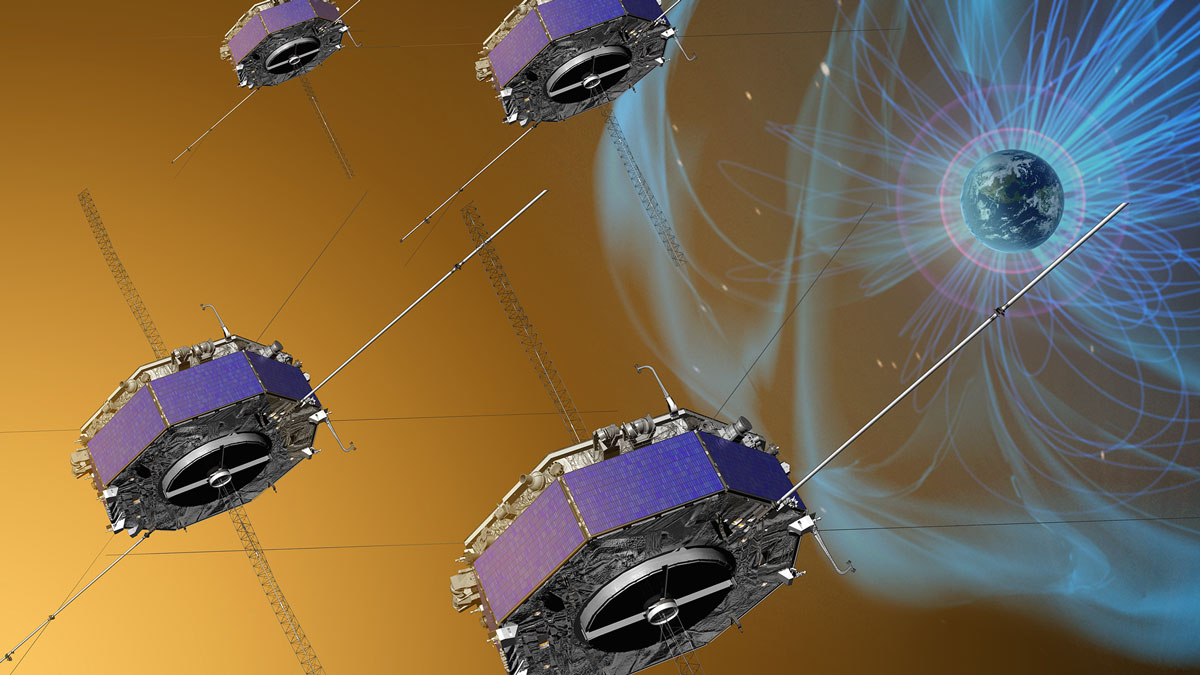
New Insights into an Enigmatic Form of Magnetic Reconnection

A new study deepens understanding of magnetic field behavior recently discovered by NASA in Earth’s magnetosphere.
Posted inNews
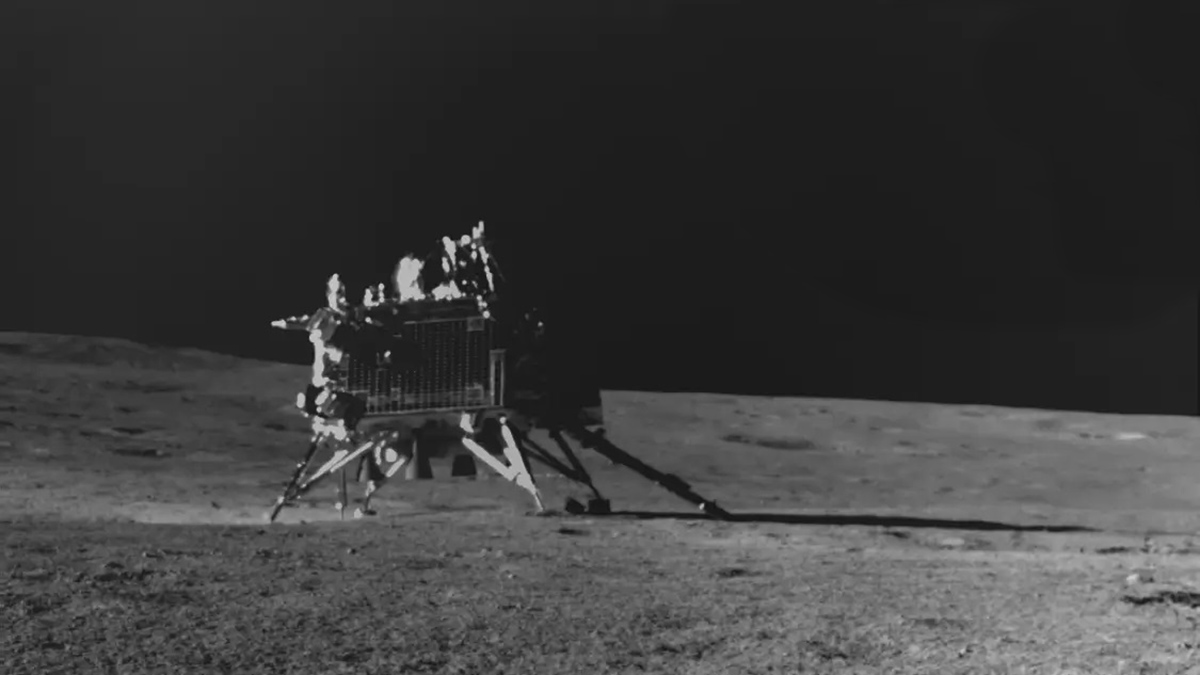
Lunar Ice Might Be Easier to Reach Than We Thought

An instrument aboard the Vikram lander suggests that buried water ice could be found at higher latitudes, making it more abundant and easier to extract than previously believed.

Posted inENGAGE, News
After 30-Year Search, Scientists Finally Find an Aurora on Neptune
The planet’s elusive aurorae are much colder than expected, which is how they evaded detection for so long.