

Manganese oxides are thought to be a signature of atmospheric oxygen. But on the Red Planet, recent results suggest they might be more of a red herring.
Space & Planets
Posted inEditors' Highlights
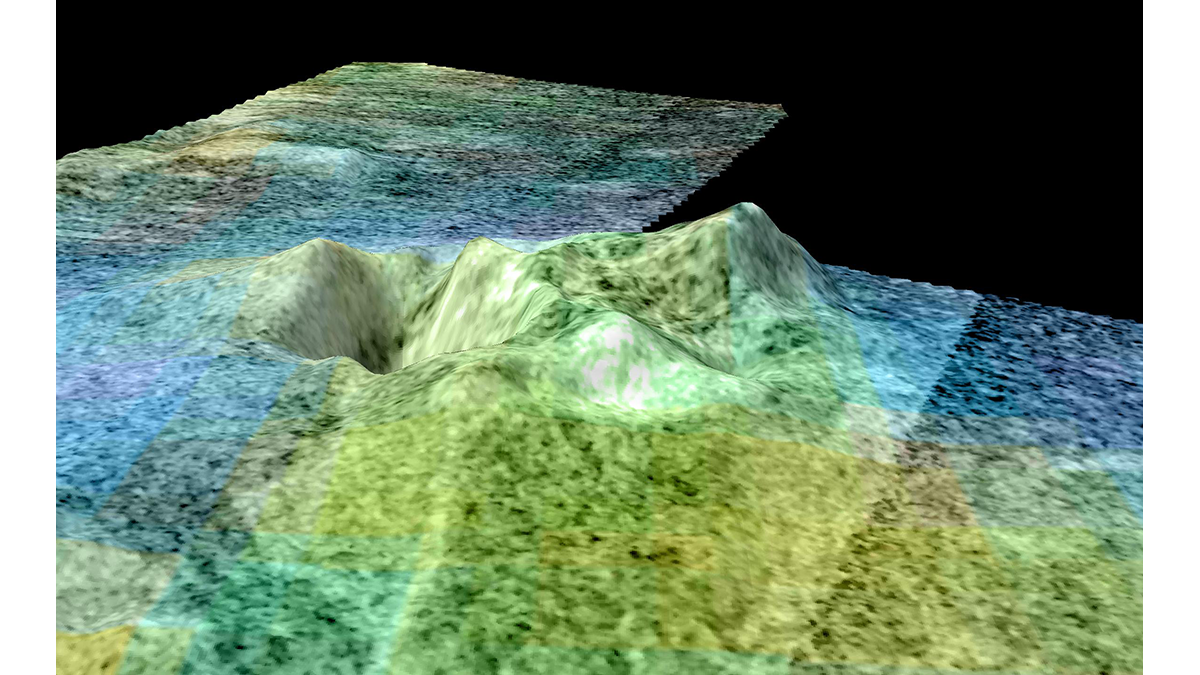
Titanic Caves and Where to Find Them
More than 21,000 pits, depressions, and closed valleys on Titan may provide access to underground voids or caves.
Posted inNews
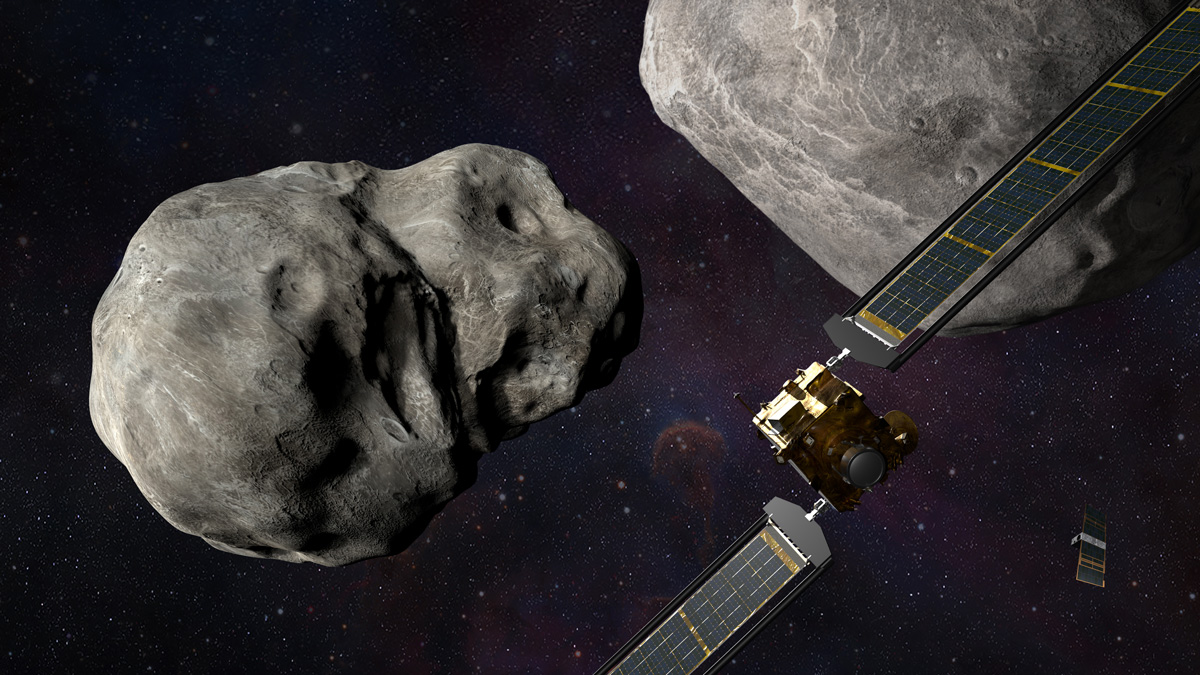
NASA’s Double Asteroid Redirection Test Is a Smashing Success

The mission, focused on the Didymos-Dimorphos binary asteroid system, proved that an asteroid’s orbit can be altered by kinetic impactor technology.

Posted inNews
Earth’s Orbit Is About to Get More Crowded
The military is launching a fleet of small, interconnected satellites to collect data, track missiles, and aim weapons.
Posted inNews
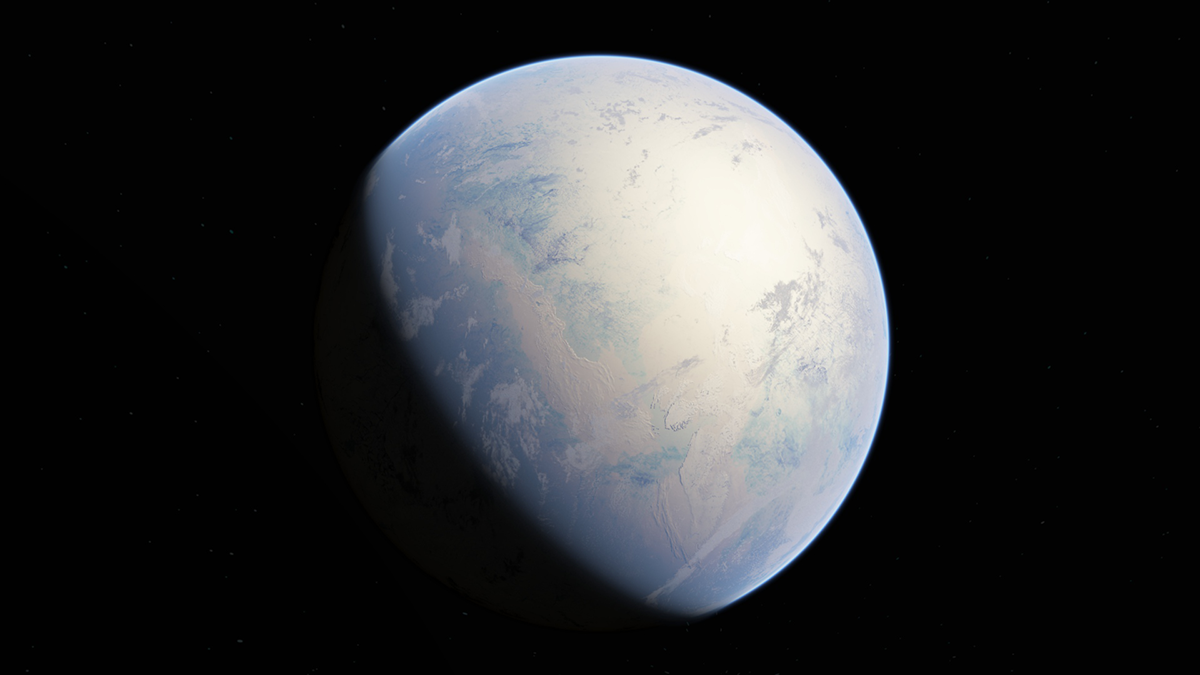
How Animals May Have Conquered Snowball Earth
We know there were animals during Earth’s chilliest era. The question is, What did they look like?
Posted inFeatures
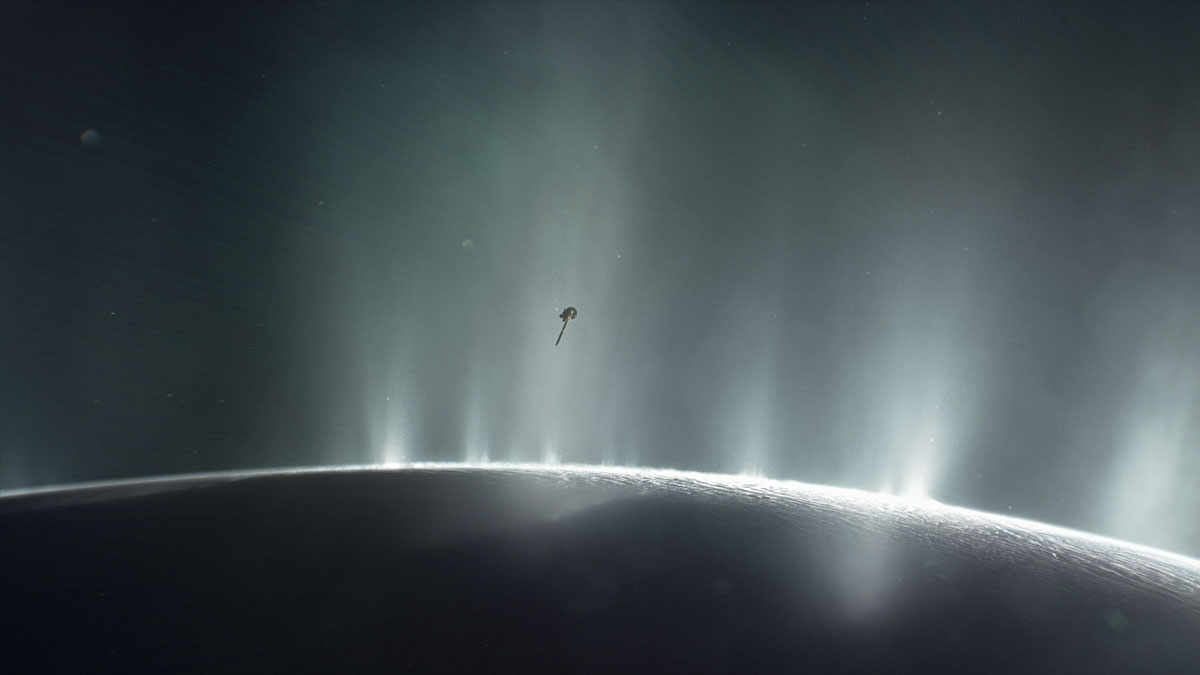
Marine Science Goes to Space

Space and ocean scientists take a splash course in multidisciplinary science to chart our solar system’s ocean worlds.
Posted inNews
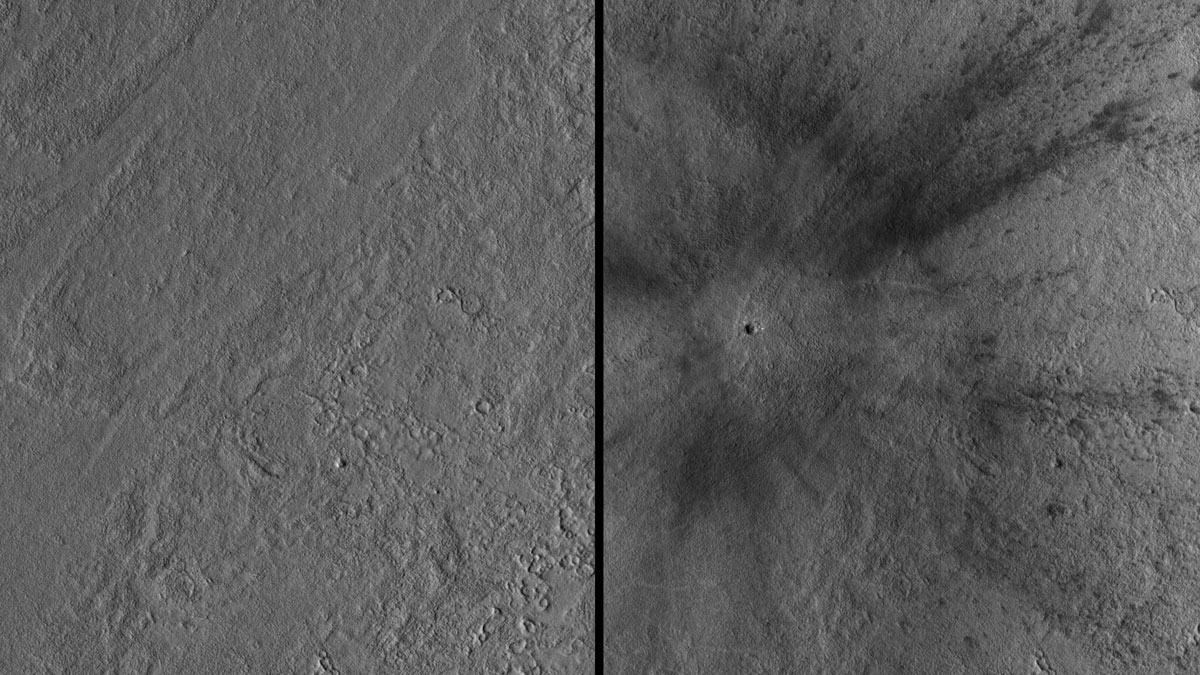
Meteor Impact Could Inform Martian Mysteries
The impact sent surface waves rippling over the Martian surface all the way to NASA’s InSight lander, giving scientists a rare view of the planet’s outer layer.

Posted inENGAGE, News
New Crowdsourced Science Project Will Study Sprites
The NASA-funded project is asking sky gazers, storm chasers, and scientists to capture photos of sprites and other optical phenomena that flash above thunderclouds after a lightning strike.
Posted inNews
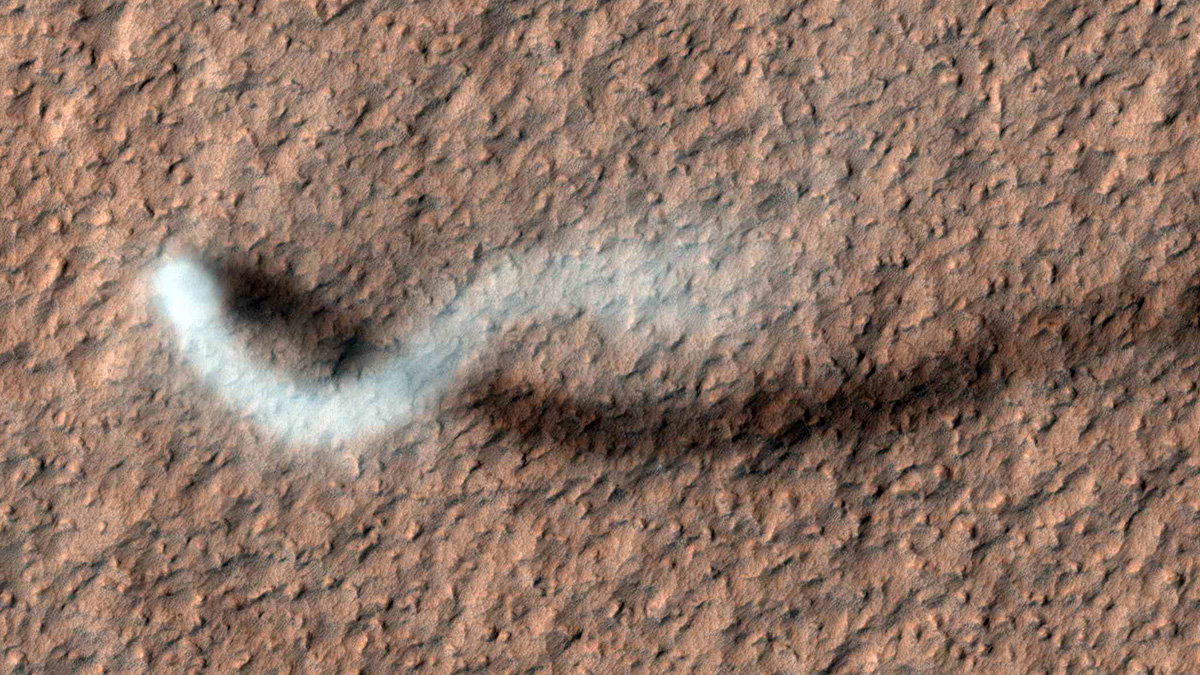
NASA’s Perseverance Rover Records the First Sounds of a Dust Devil on Mars

In a stroke of luck, the SuperCam microphone on Perseverance was turned on the moment a dust devil swept directly over the rover.

Posted inNews
Mission Could Lasso Amino Acids from the Icy Plumes of Enceladus
If geysers from Saturn’s moon Enceladus contain amino acids, new research shows that a spacecraft could collect them with signatures of possible life preserved.