


A new report supports the idea that underground mines can be transformed into energy storage facilities, adding the possibility of on-demand, carbon-free power to energy grids.
transdisciplinary science
Posted inEditors' Vox
Using Data to Mitigate Inequitable Environmental Burdens
A new transdisciplinary special collection welcomes studies exploring data and tools for identifying and mitigating environmental injustice.
Posted inEditors' Vox
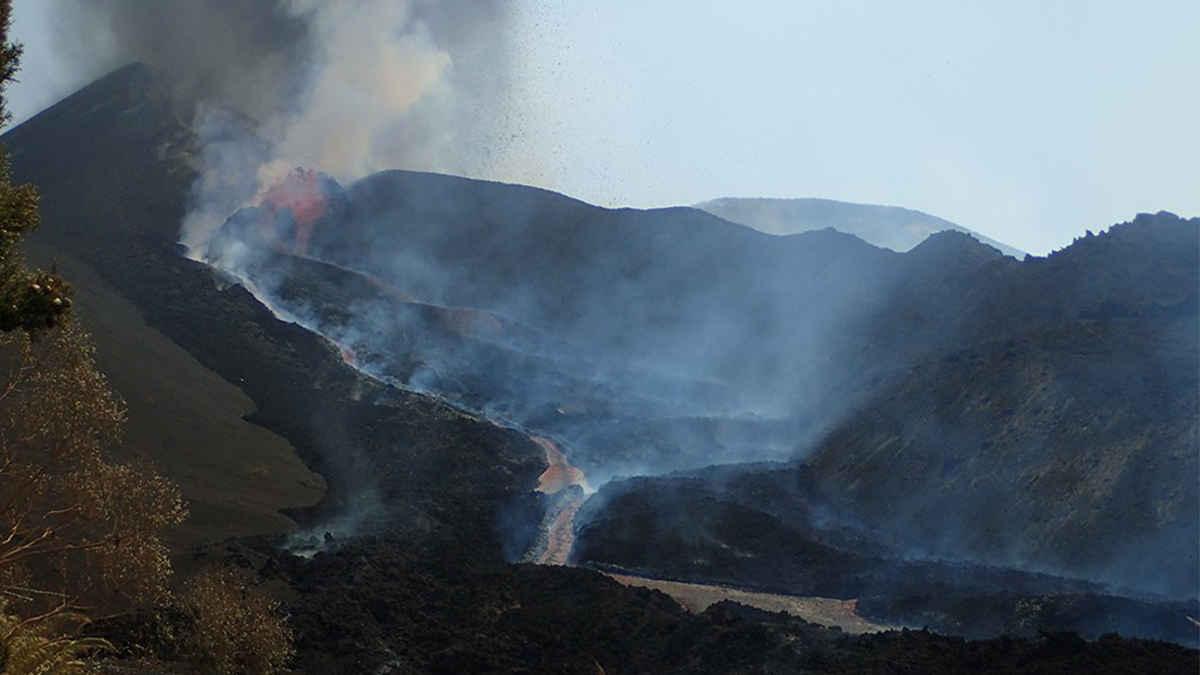
Dynamics of Volcanic Processes
A new cross-journal special collection invites contributions on modern approaches used to investigate dynamics of volcanic processes.

Posted inFeatures
Indoor Air Pollution in the Time of Coronavirus

How aerosol scientists spread the word on the airborne transmission of COVID-19–and what it means for cleaning our indoor air.

Posted inEditors' Vox
Understanding and Utilizing the Fractured Earth
The prediction of flow and transport in fractured rock is one of the great challenges in the Earth and energy sciences with far-reaching economic and environmental impacts.
Posted inNews
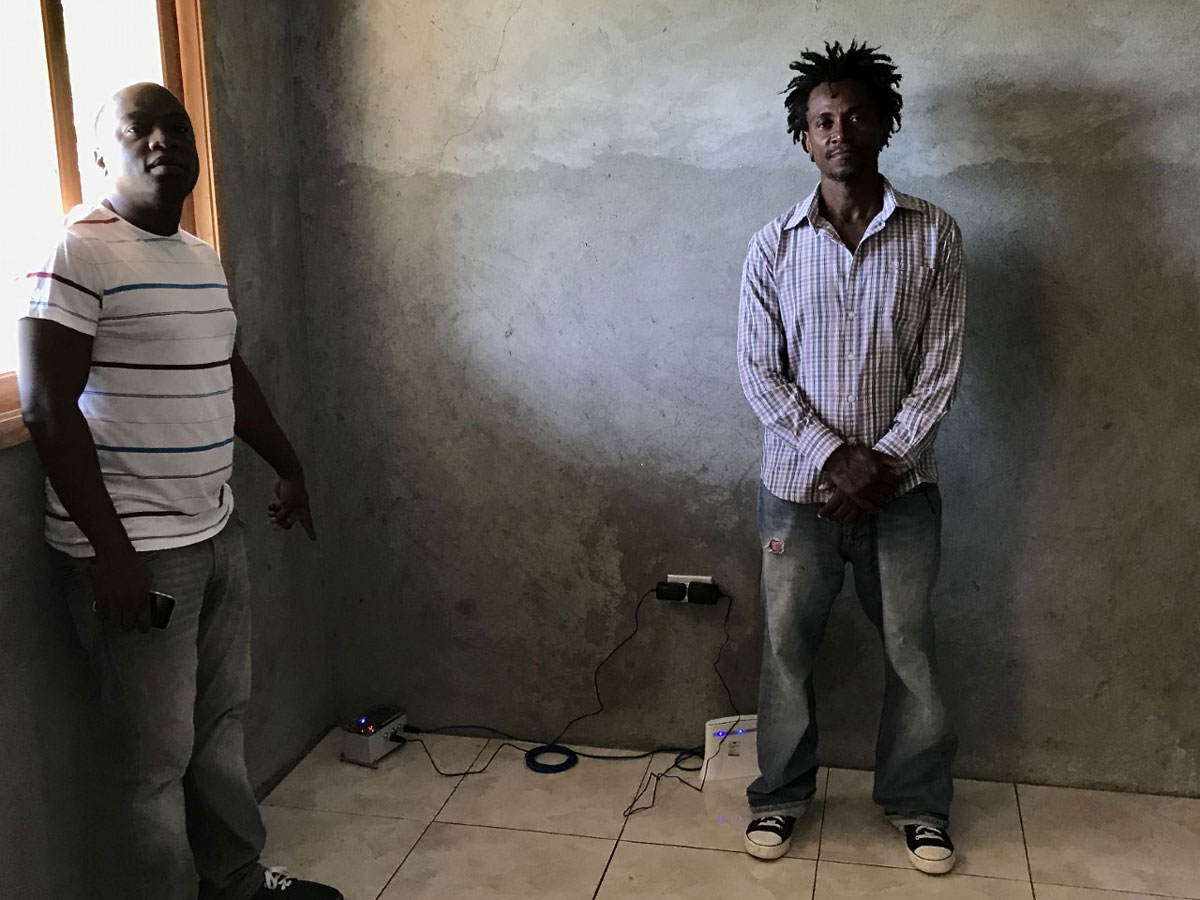
Community Science Builds a Seismic Network in Haiti
Small, inexpensive seismometers are capable of sharing high-quality data in real time—and were put to the test during an August 2021 earthquake.
Posted inScience Updates
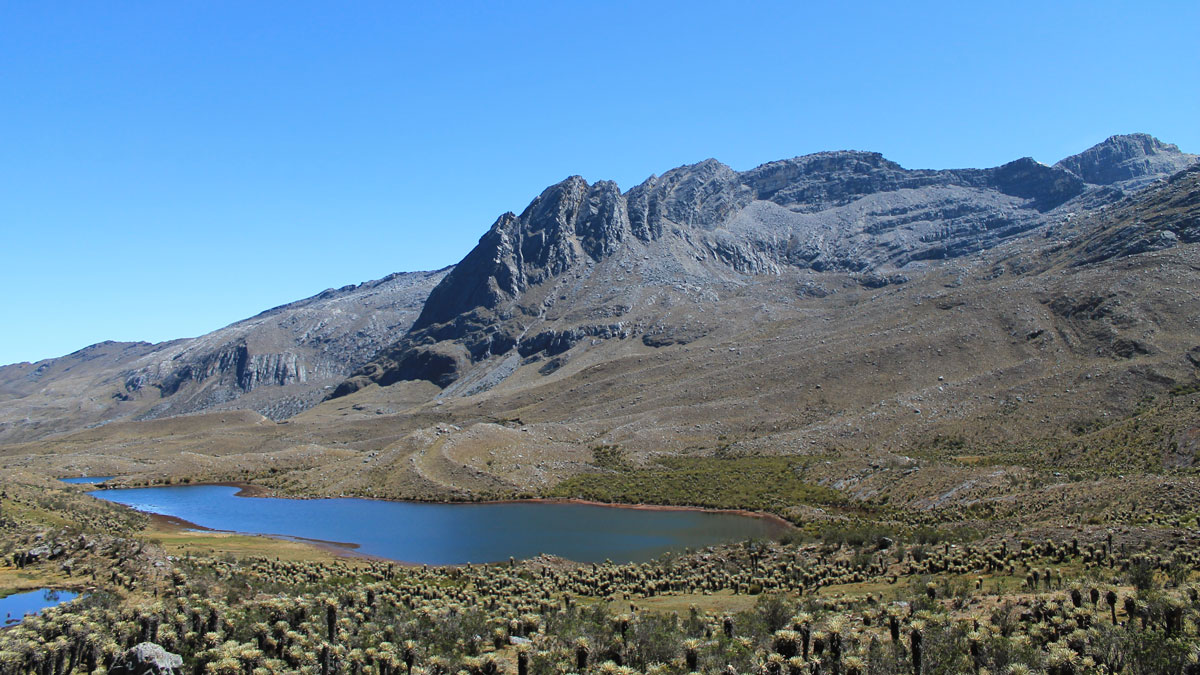
A Puzzle Mat for Assembling Colombia’s Geologic History
A new database compiles all the available pieces of information about Colombia’s geochronology, offering scientists a consistent framework in which to view and study the data in a broader context.
Posted inENGAGE, News
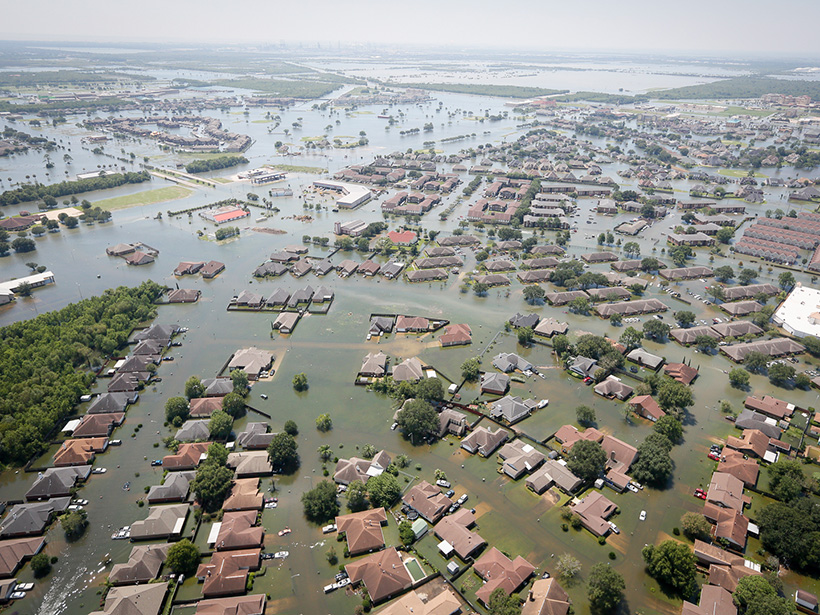
Cuando los ríos están contaminados, las inundaciones son solamente el primer problema
A medida que las inundaciones aumentan en frecuencia e intensidad, los productos químicos enterrados en los sedimentos de los ríos se convierten en “bombas de tiempo” que esperan activarse.

Posted inFeatures
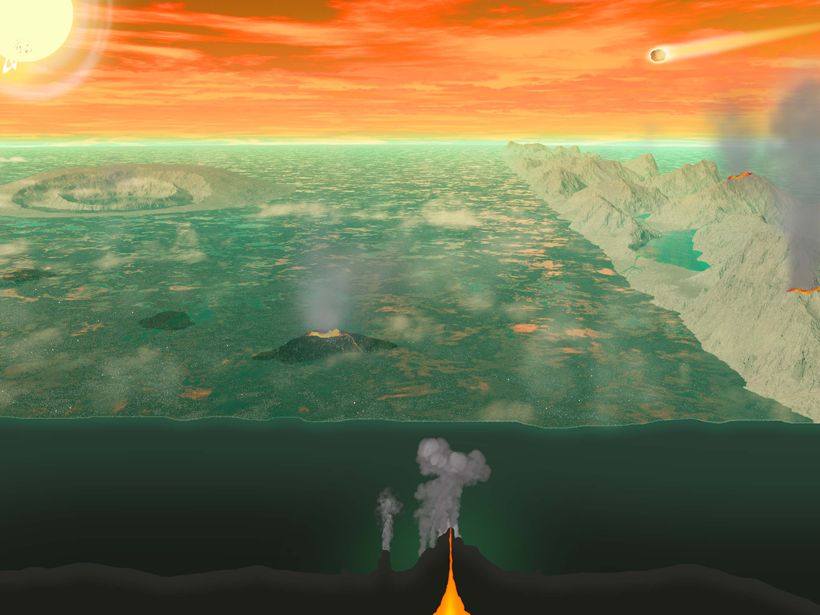
The Young Earth Under the Cool Sun

How did our planet avoid being frozen solid during the early days of our solar system?
Posted inScience Updates
Rethinking the Search for the Origins of Life
Early Earth conditions and the chemistry that led to life were inextricably interwoven. Earth scientists and prebiotic chemists are working together in new ways to understand how life first emerged.