
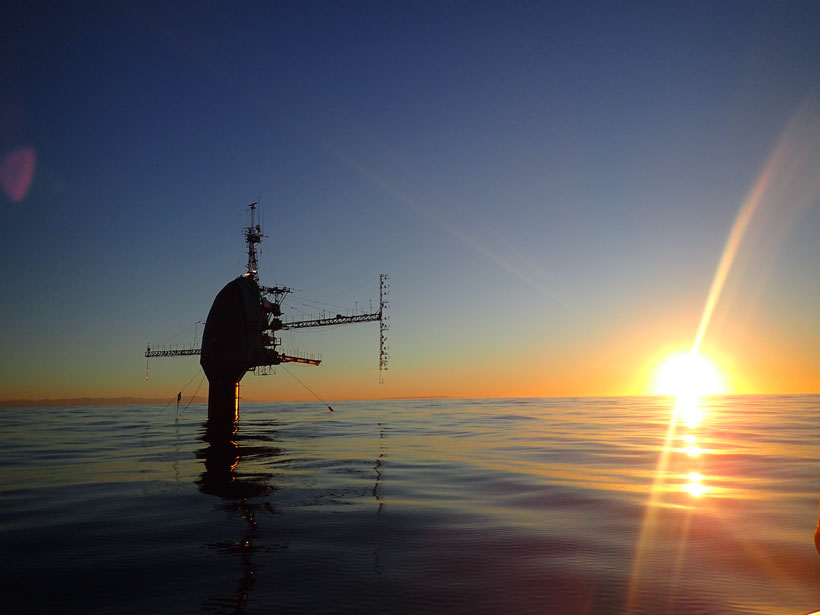
Since the 1960s, the Floating Instrument Platform has bobbed at the sea surface, supporting numerous discoveries. One scientist recalls his time aboard FLIP during what was likely its final mission.
transdisciplinary science
Posted inENGAGE, News
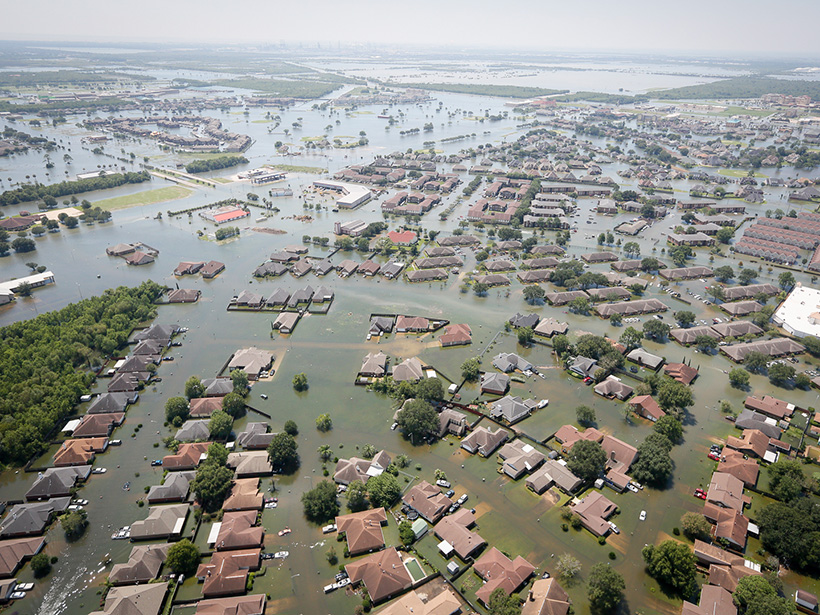
When Rivers Are Contaminated, Floods Are Only the First Problem
As floods increase in frequency and intensity, chemicals buried in river sediments become “ticking time bombs” waiting to activate.

Posted inFeatures
The Challenges of Forecasting Small, But Mighty, Polar Lows
These intense maritime storms pose threats to high-latitude coastal communities and economic activities and may influence climate and ocean circulation.
Posted inEditors' Vox
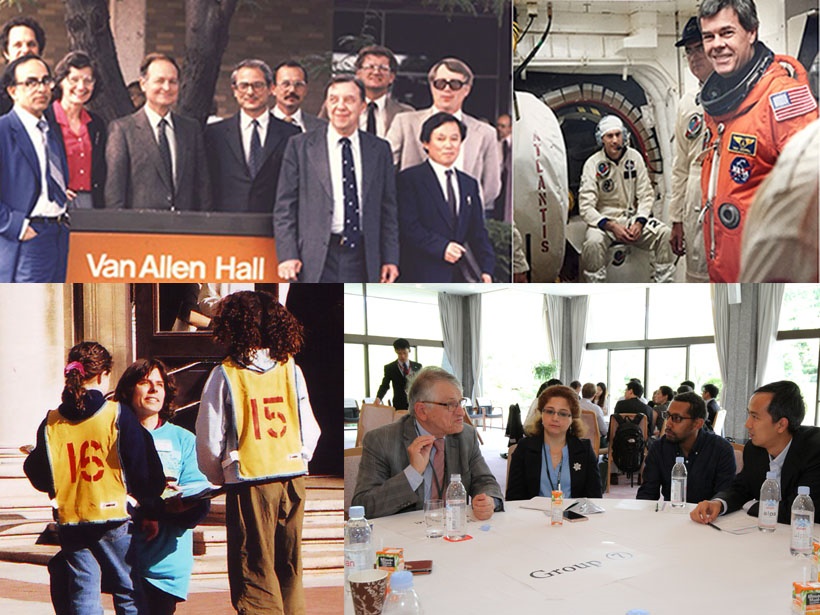
Telling the Stories Behind the Science
AGU’s newest journal, Perspectives of Earth and Space Scientists, is a collection of memoirs, essays, and insights that present personal perspectives on how different scientific fields have evolved.

Posted inFeatures
Fushcia-Ann Hoover: The Business of Environmental Justice

EcoGreenQueen balances academia and entrepreneurship.
Posted inFeatures
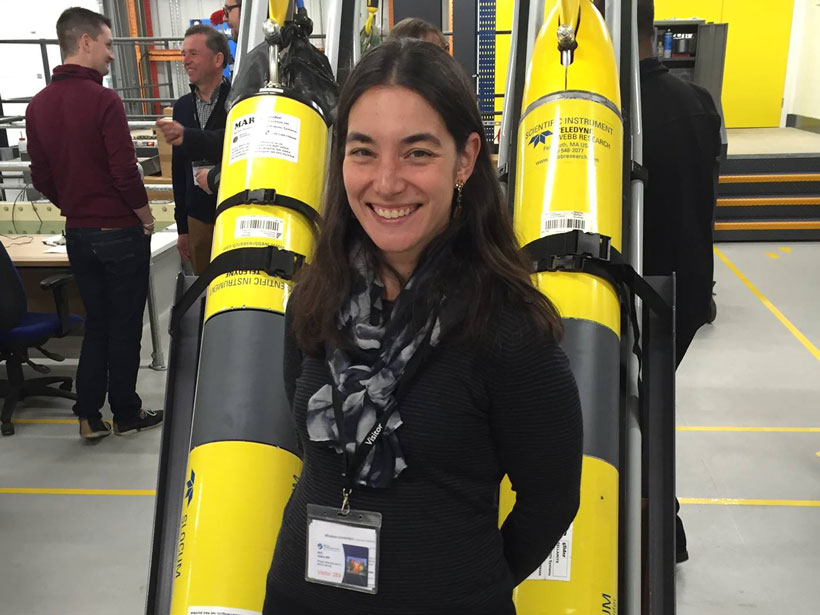
Jennifer Arrigo: Seeking Clean Water for Everyone

Science forges a partnership between academia and federal agencies.
Posted inEditors' Highlights
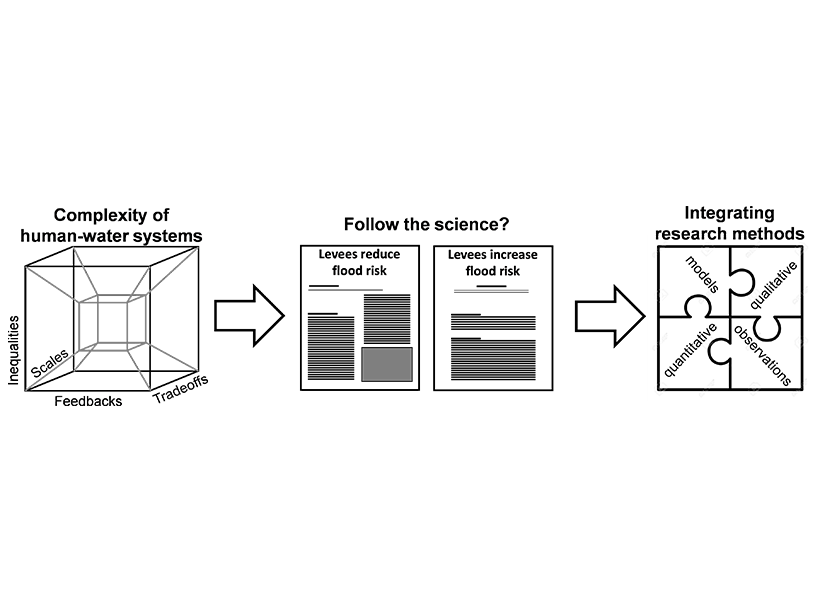
Need for Rational Thinking for Predicting Floods and Droughts
To plan policies that manage flood and drought risk, is it sufficient to follow the science? The better path uses the best science, which draws insight from integrated multidisciplinary research.

Posted inEditors' Vox
Understanding and Anticipating Induced Seismicity
A new special collection in JGR: Solid Earth and Earth and Space Science seeks papers from across disciplines that provide insights into induced seismicity at different spatial and temporal scales.
Posted inNews
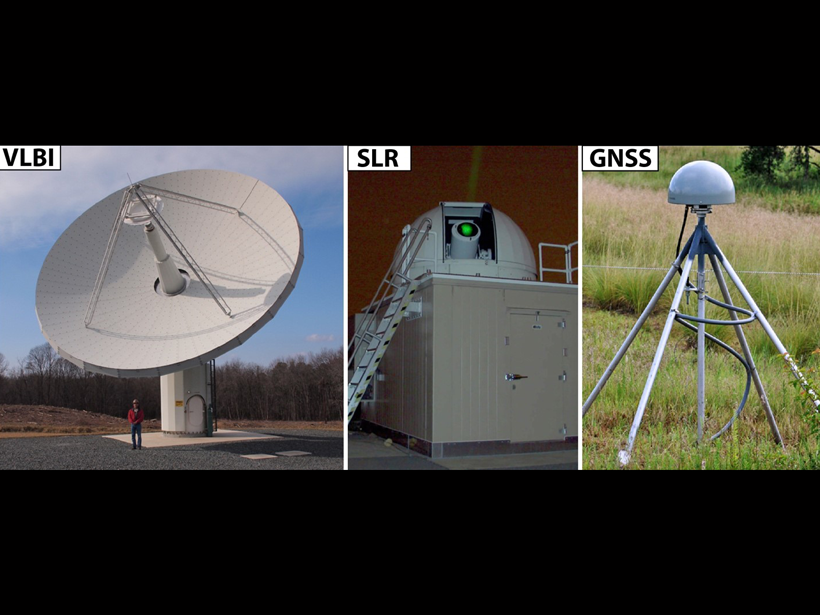
Evolving the Geodetic Infrastructure
Enhancements to the largely invisible framework will enable researchers to investigate pressing questions about our planet’s future.
Posted inEditors' Vox
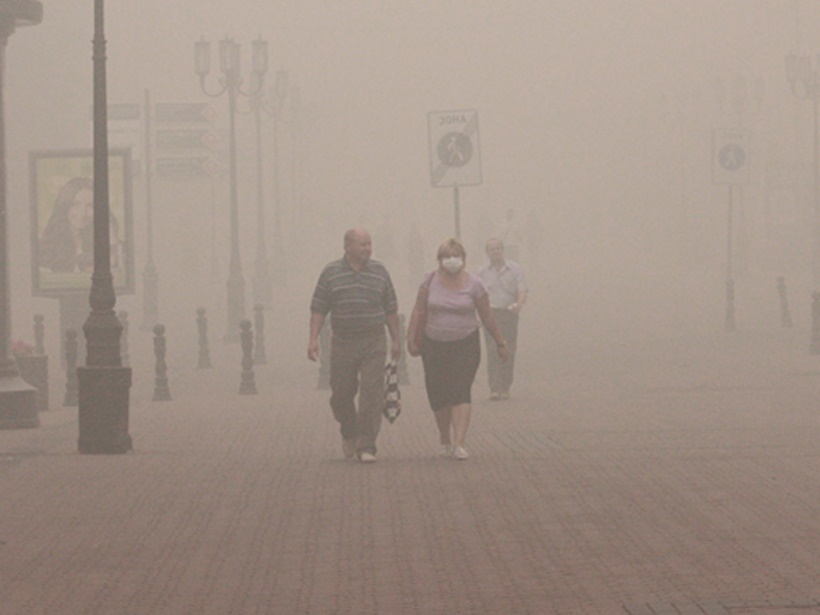
Does Bad Air Cause Lung Cancer?
Papers are welcomed for a new cross-journal special collection exploring the links between air quality and lung cancer.