
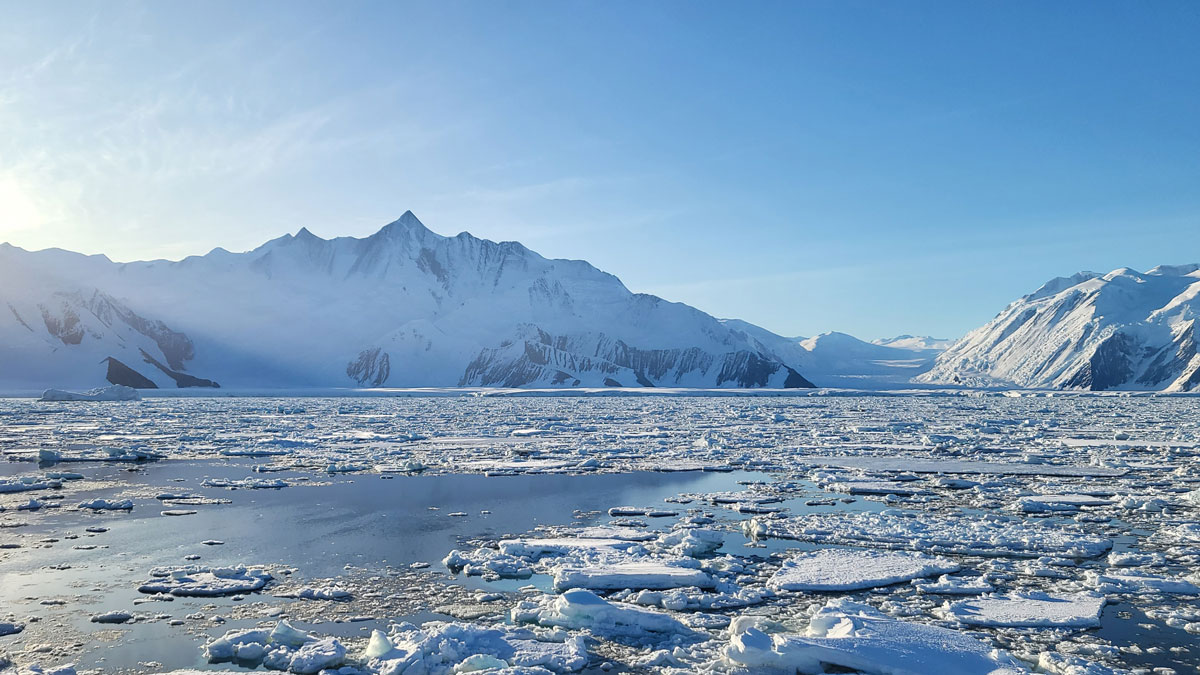
Scientists used sediments to create a millennia-long archive of Antarctic fast ice. Along the way, they discovered that the freezing and thawing of this enigmatic ice appear to be linked to solar cycles.
News
Posted inNews
Earth’s Climate May Go from Greenhouse to Hothouse

Uncertainty in climate models could mean Earth systems are perilously close to their tipping points, scientists warn.
Posted inNews
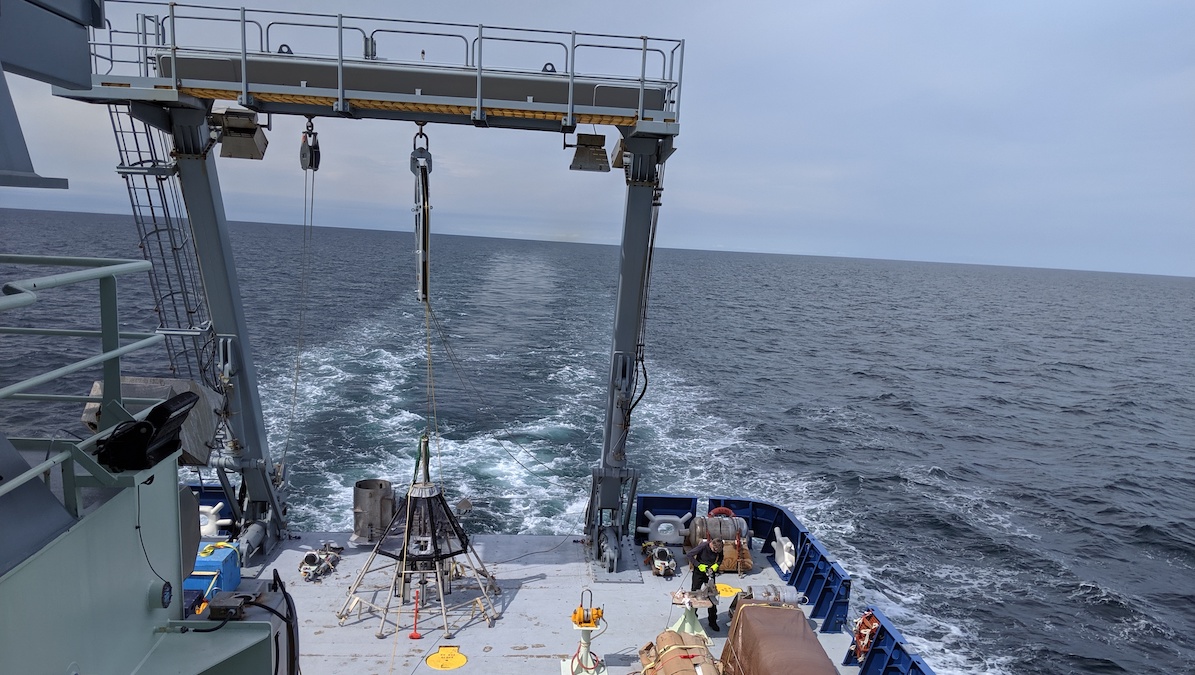
The AMOC of the Ice Age Was Warmer Than Once Thought
An analysis of sediment cores indicates that North Atlantic waters were relatively warm and continued to circulate even under major climate stress during the Last Glacial Maximum.
Posted inNews
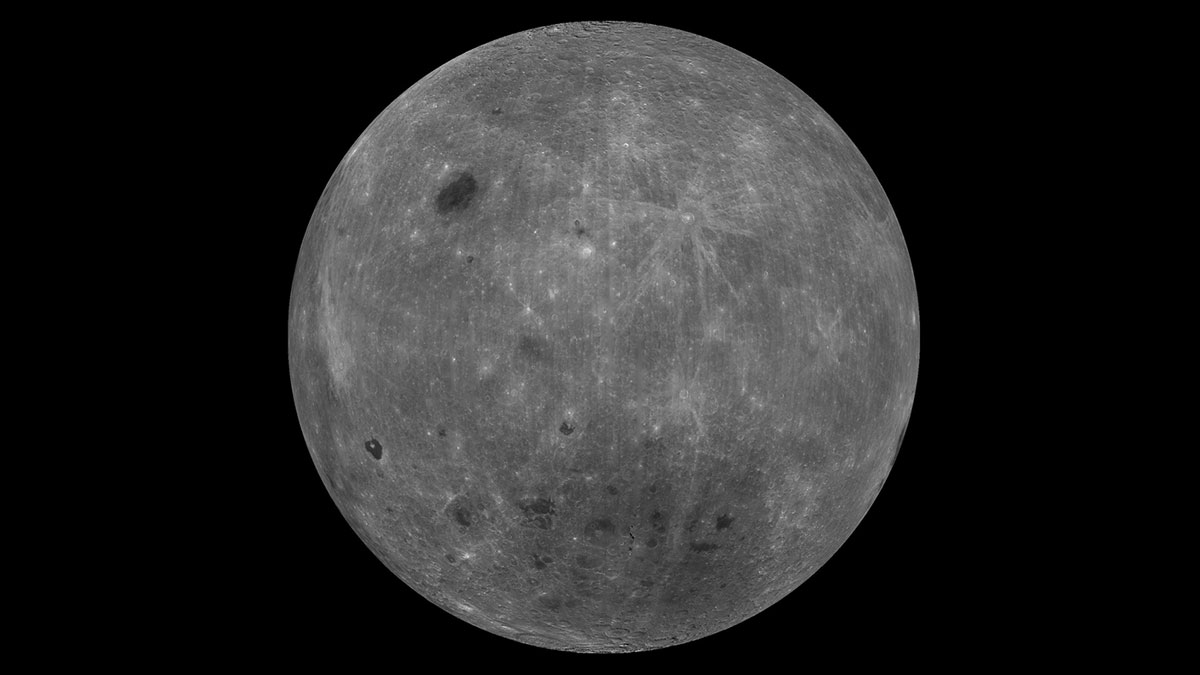
Primordial Impact May Explain Why the Moon Is Asymmetrical
Analysis of surface samples from the Chang’e-6 mission suggests that an asteroid may have vaporized parts of the lunar mantle, suppressing volcanic activity on the farside of the Moon.
Posted inNews
Meet the Mysterious Electrides
These chemical oddities may explain why Earth seems to be deficient in certain elements—and could prove useful in catalysts and more.
Posted inNews
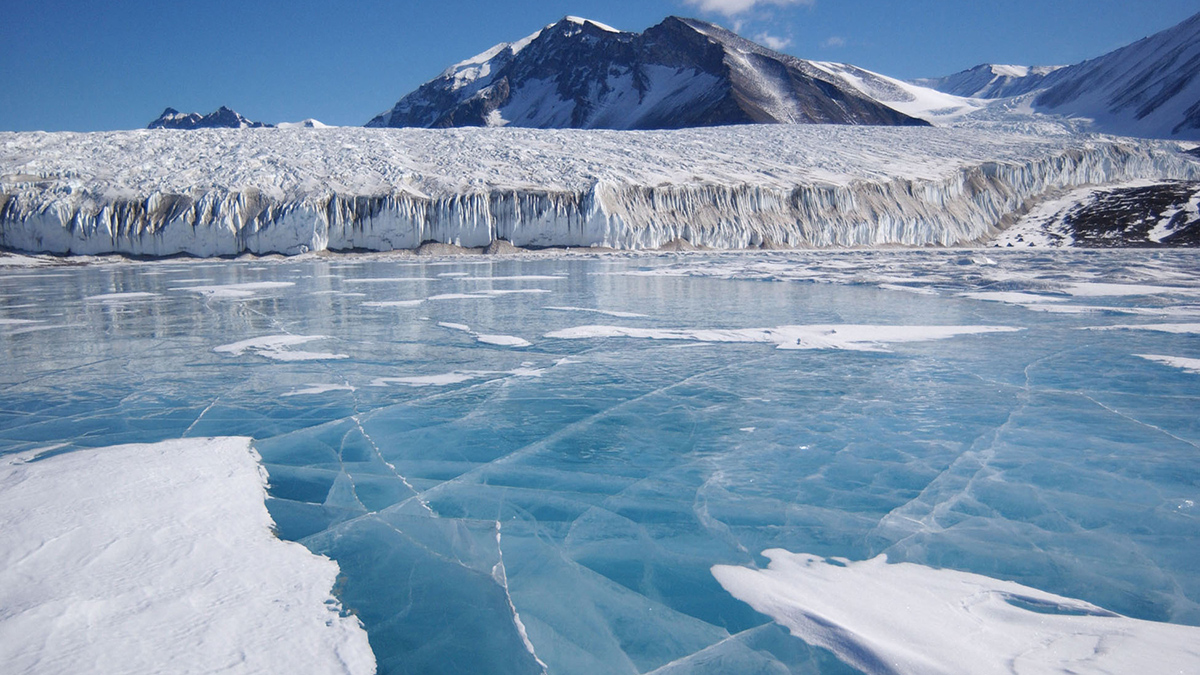
Snowball Earth’s Liquid Seas Dipped Way Below Freezing
Iron isotopes show that salty seawater pockets beneath the ice were as cold as −15°C.
Posted inNews
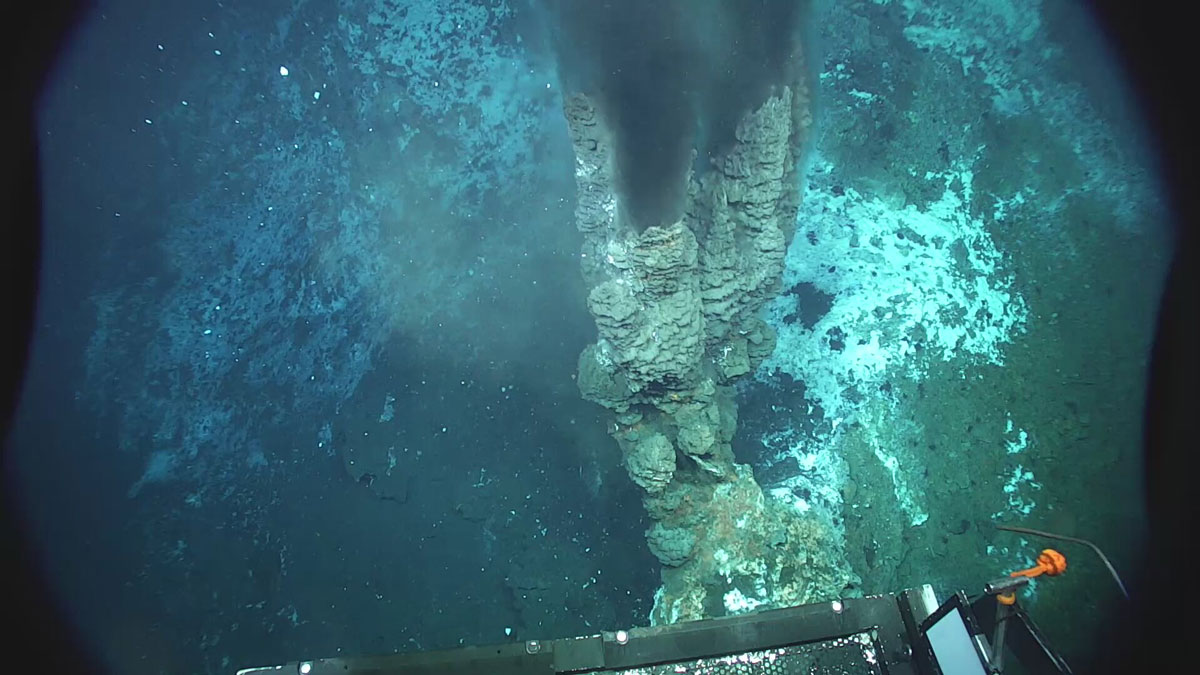
A Mid-Ocean Ridge in the Norwegian Sea Pumps Out Hydrogen

Vent fluids collected from the Knipovich Ridge contain unexpectedly high concentrations of hydrogen, potentially produced by the degradation of organic matter.

Posted inNews
Nationwide Soil Microbiome Mapping Project Connects Students and Scientists
Researchers and students are building a comprehensive picture of the microbial life beneath our feet.
Posted inNews
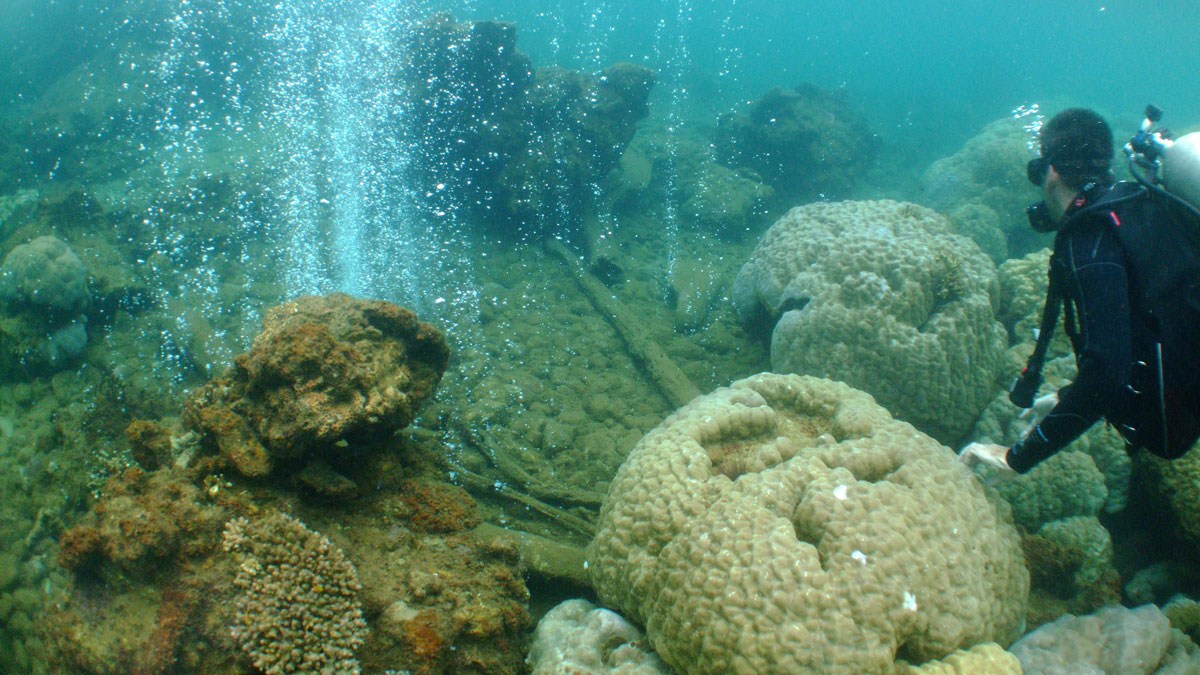
Coral Diversity Drops as Ocean Acidifies

As seawater becomes steadily more acidic, complex branching corals die off and are replaced with hard boulder corals and algae.
Posted inNews
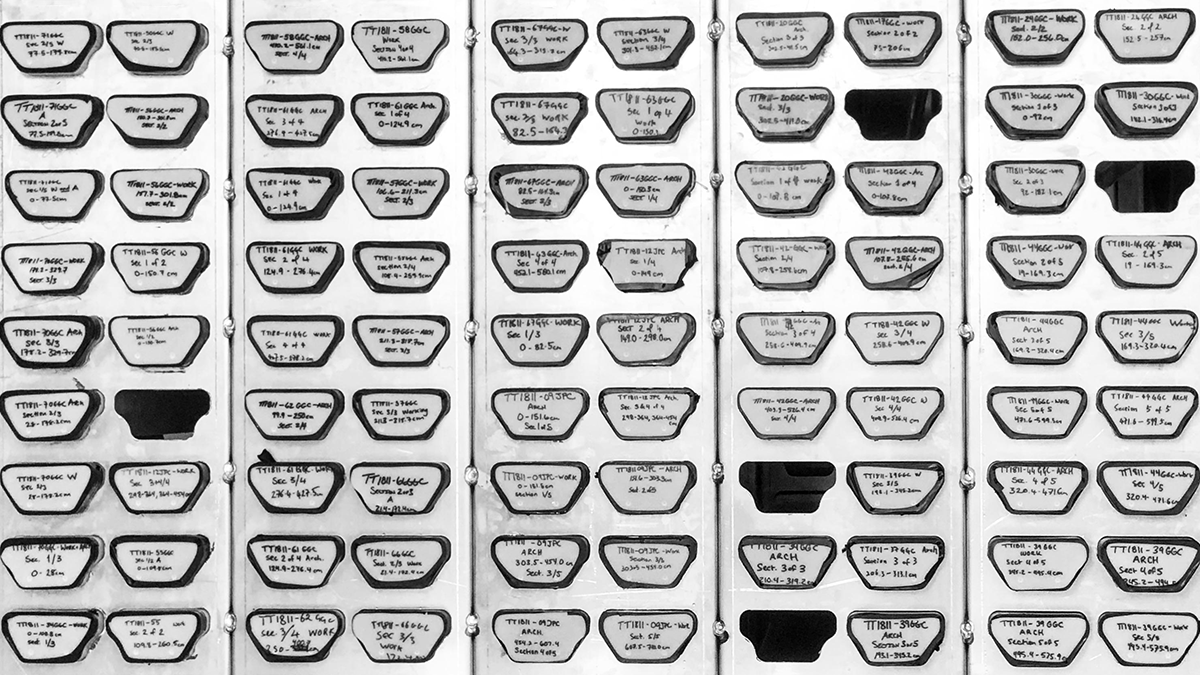
How the Rise of a Salty Blob Led to the Fall of the Last Ice Age

Scientists have long suspected that high salinity levels in the deep ocean were responsible for keeping carbon dioxide locked away during the last ice age. New research finds the strongest evidence yet.