


Sweet spots of volcanic heat that are not too close to active eruptions may hold the world's richest reservoirs of the scientifically and medically important gas helium.
News
Posted inNews
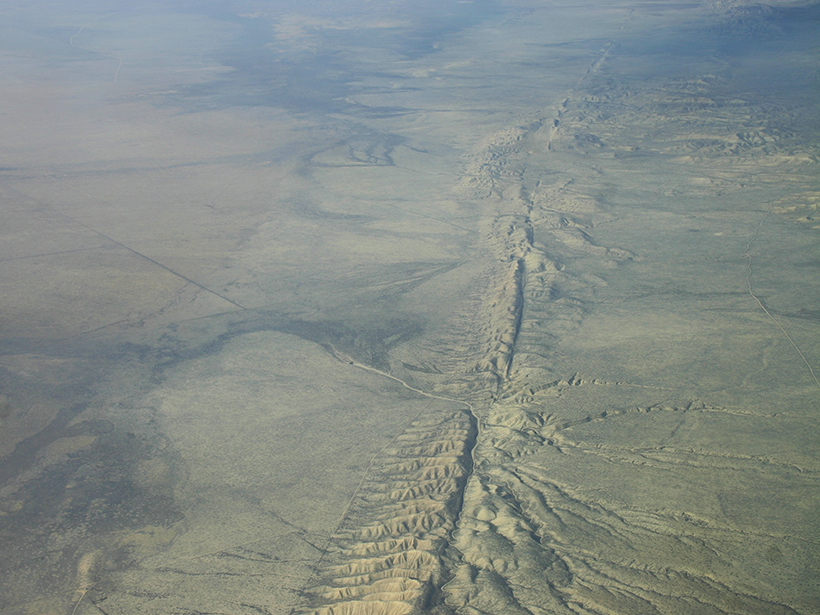
Tiny, Deep Quakes Increase on San Andreas as Tides Tug on Fault
When the gravity of the Sun and Moon causes Earth's crust to bulge every 2 weeks, slow-moving earthquakes proliferate in the lower reaches of the San Andreas, a new study finds.

Posted inNews
USGS Seeks to Contain Damage from Scientific Misconduct at Lab

Although damage from the specific incident "is relatively well contained," the issue threatens the agency's reputation for high-quality science and goes counter to its standards, according to a USGS official.
Posted inNews
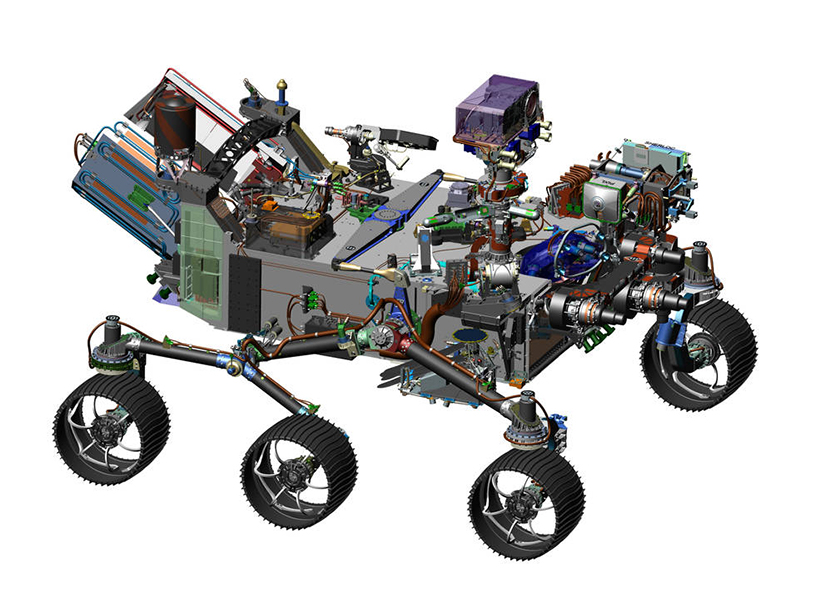
Precision Landing Will Be Key to NASA's Mars 2020 Rover
Landing robotics distinguish the craft from past models, allowing researchers to target smaller flat areas that are surrounded by rock.

Posted inNews
Earth Fissures May No Longer Get Mapped in Arizona

A program that monitors giant cracks in the ground that suddenly appear after heavy rain could become a casualty of budget cuts to the Arizona Geological Survey.

Posted inNews
Advocates Push to Restore Funding for Arizona Geological Survey
A state law that took effect on 1 July already has led to a loss of survey staff, services, and net revenue. Legislators and others hope they can reverse the situation.

Posted inNews
New-Found Dwarf Planet Points to Solar System's Chaotic Past

Astronomers have discovered an icy ball in the dark and frigid regions of the outer solar system, which they suspect harbors secrets to the solar system's formation and evolution.
Posted inNews
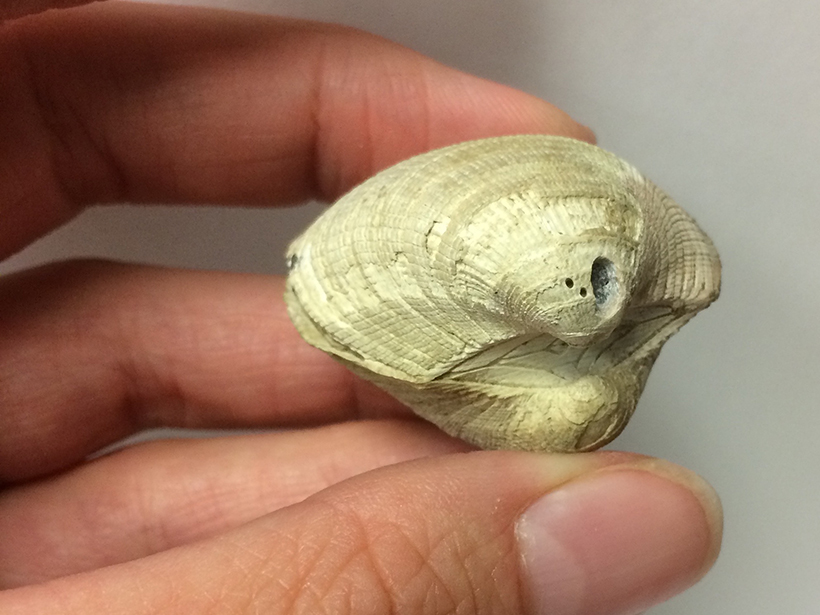
Climate Warming May Have Helped Kill the Dinosaurs
New evidence indicates ancient warming spells that coincided with prodigious volcanism and a powerful meteorite impact, both seen as possible causes of mass extinctions about 66 million years ago.
Posted inNews
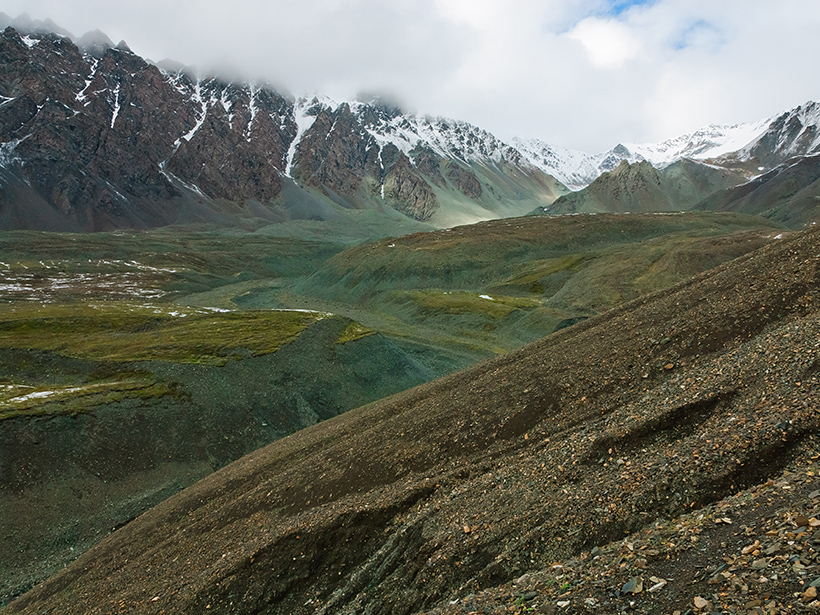
Surveying Alaskan Minerals from Afar

By using hyperspectral imaging, researchers test their ability to find copper in remote areas.