
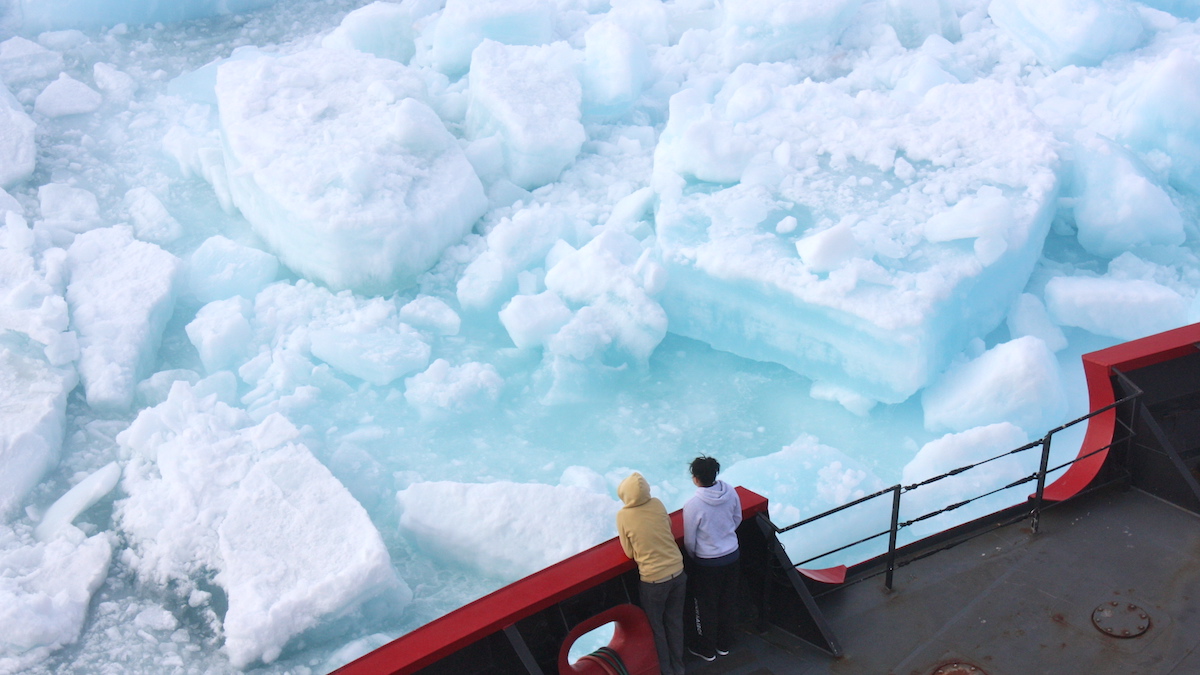

Sea ice in the Arctic has likely hit its maximum extent for the year, the National Snow and Ice Data Center (NSIDC) said on 26 March. That maximum extent is one of the lowest ever recorded, tying last year’s record for the least sea ice coverage in the 48-year observational record.

Grace van Deelen
Grace van Deelen, joined Eos in 2023 as a staff writer. She covers all things Earth science and is particularly interested in stories that highlight the intersection of society, the environment, and equity in science. Grace holds a master’s degree from MIT’s Graduate Program in Science Writing and bachelor’s degrees in biology and anthropology from Tufts University.
Posted inNews
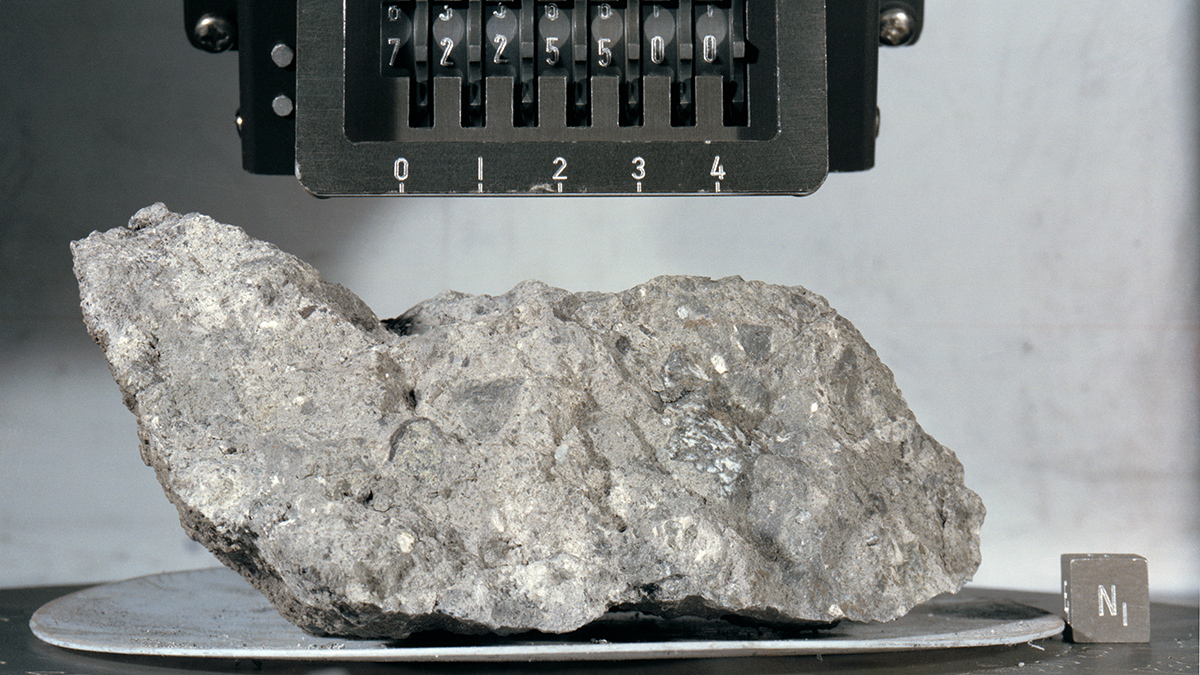
Apollo Samples Told a Conflicting Story About Lunar Magnetism, Until Now
Observations suggested the Moon had both a weak and strong magnetic field in the distant past. A new study presents a theory accommodating all the evidence.
Posted inNews
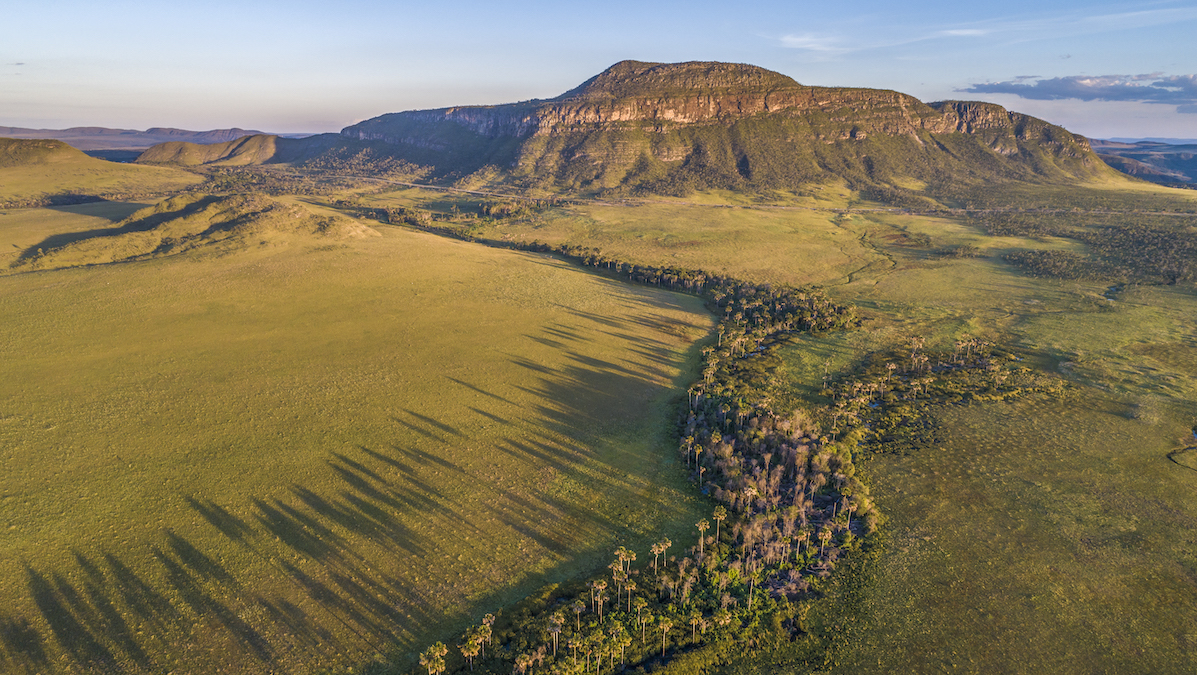
These Underprotected Brazilian Wetlands Store Carbon with Staggering Density
The Cerrado, largely overlooked in climate science and policy, is a critical carbon sink, according to new research.
Posted inNews
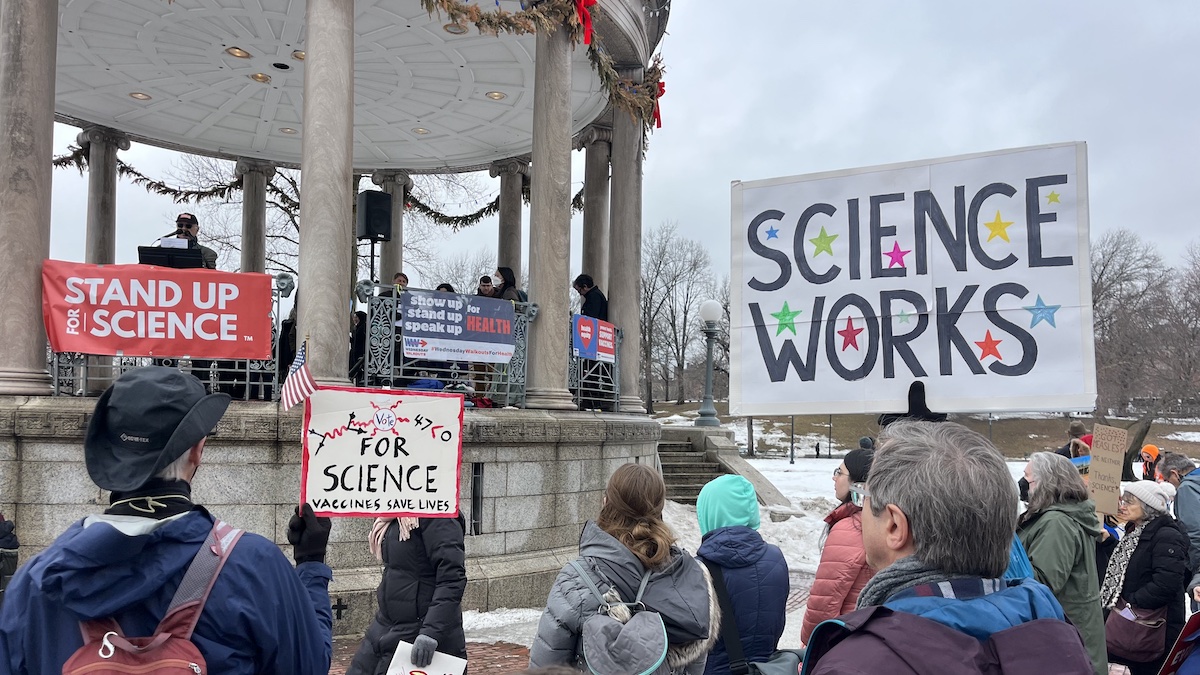
Thousands Rally to Support the Need for Science in a Democracy
Dozens of Stand Up for Science gatherings nationwide focused on the importance of science for federal policymaking.
Posted inResearch & Developments
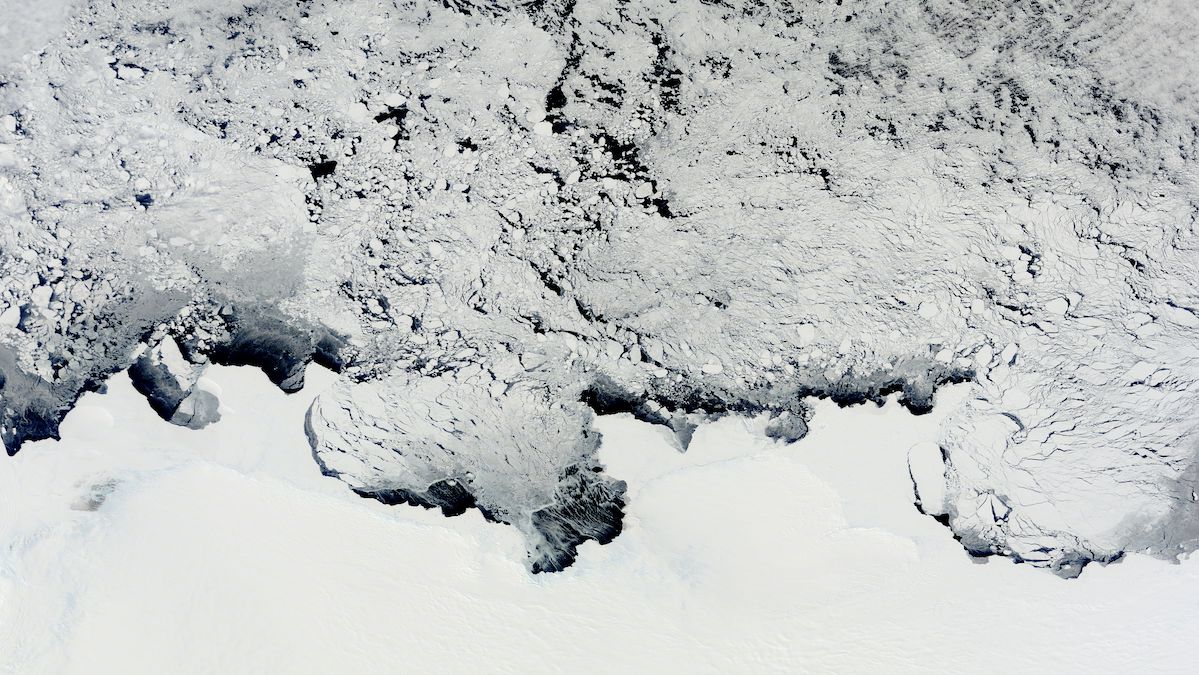
Antarctic Ice Sheet Has Lost a Connecticut-Sized Amount of Ice Over the Past 30 Years
A new study of Antarctica has found that since 1996, its ice sheet has lost 12,820 square kilometers (nearly 5,000 square miles) of ice—nearly enough to cover the state of Connecticut, or 10 cities the size of Greater Los Angeles.
Posted inResearch & Developments
After Restructuring, NSF Wants to Hire More Staff but Reduce Solicitations
After large reductions in staffing last year, the National Science Foundation (NSF) is now seeking to hire more employees.
Posted inNews
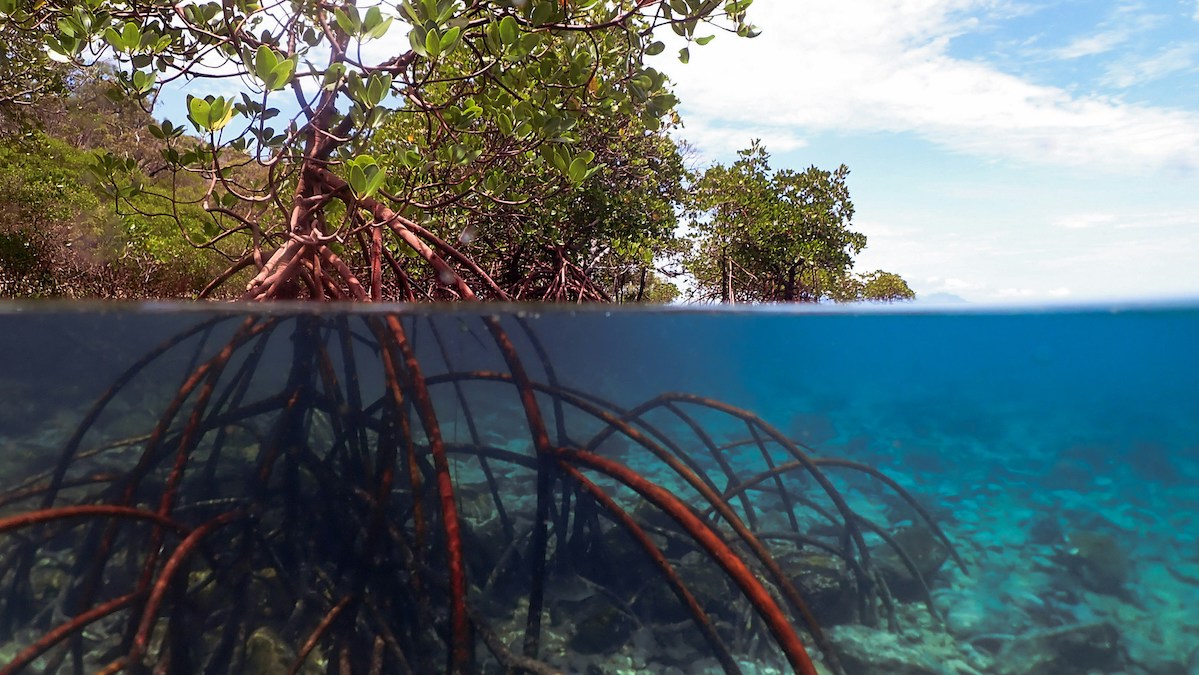
With the Ocean Included, the Social Cost of Carbon Doubles
A new calculation includes ocean ecosystems when assessing the monetary impact of climate change.
Posted inNews
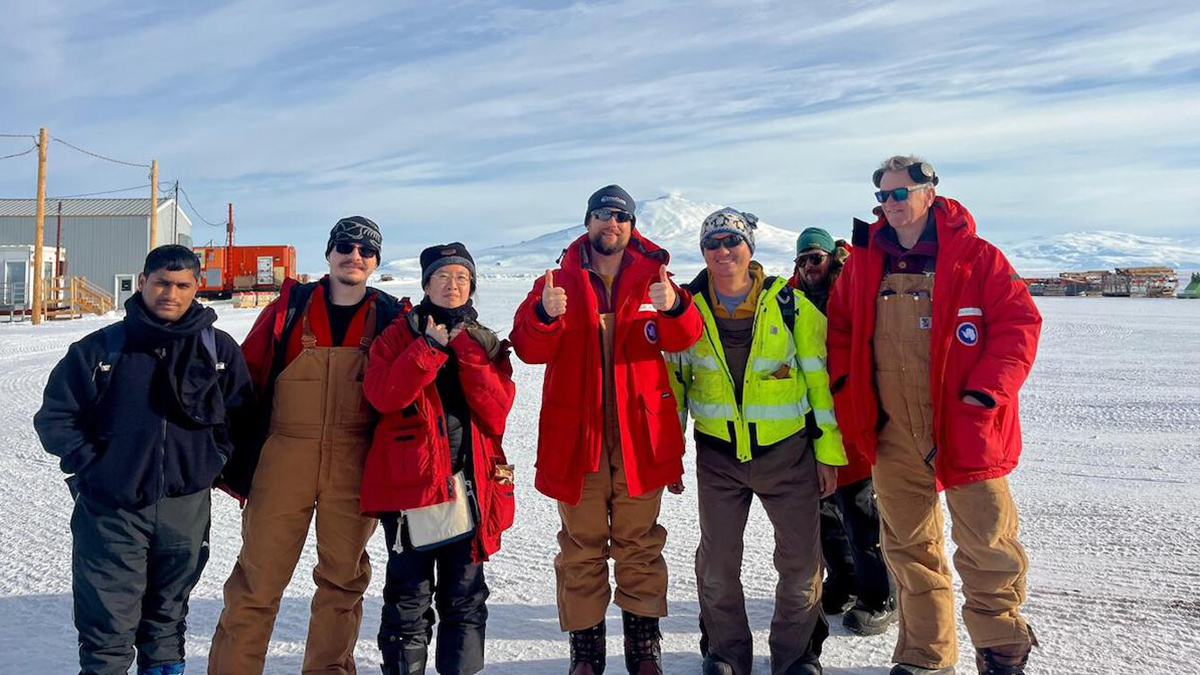
These South Pole Seismometers Will Detect Vibrations 1.5 Miles Under the Ice
The instruments will freeze into Antarctica’s ice sheet, where they will collect detailed, global-scale seismic data.
Posted inResearch & Developments
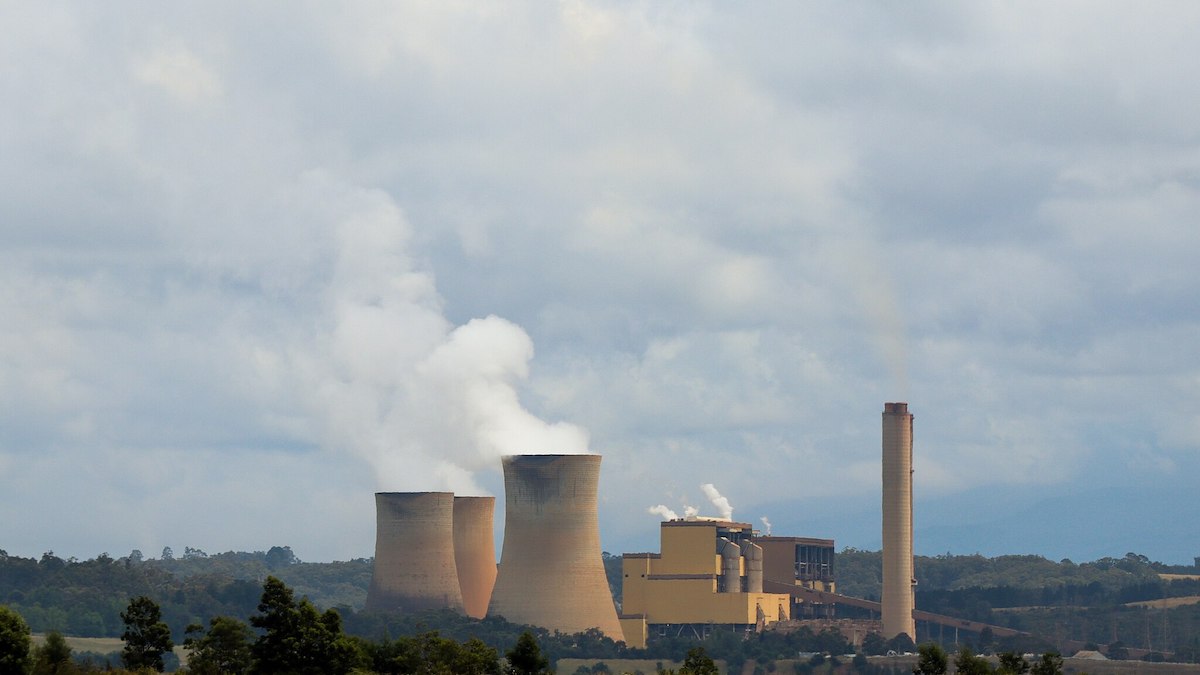
Power Plants Will Be Allowed to Release More Than Twice As Much Mercury Into the Air
At a 20 February event in Kentucky, the Trump administration announced plans to loosen pollution restrictions for coal-burning power plants, including limits on emissions of mercury, a hazardous neurotoxin.
Posted inNews
Earth’s Climate May Go from Greenhouse to Hothouse
Uncertainty in climate models could mean Earth systems are perilously close to their tipping points, scientists warn.