


A new analysis shows warmer weather may drive more added sugar consumption, particularly among already-vulnerable groups.

Grace van Deelen
Grace van Deelen, joined Eos in 2023 as a staff writer. She covers all things Earth science and is particularly interested in stories that highlight the intersection of society, the environment, and equity in science. Grace holds a master’s degree from MIT’s Graduate Program in Science Writing and bachelor’s degrees in biology and anthropology from Tufts University.
Posted inFeatures
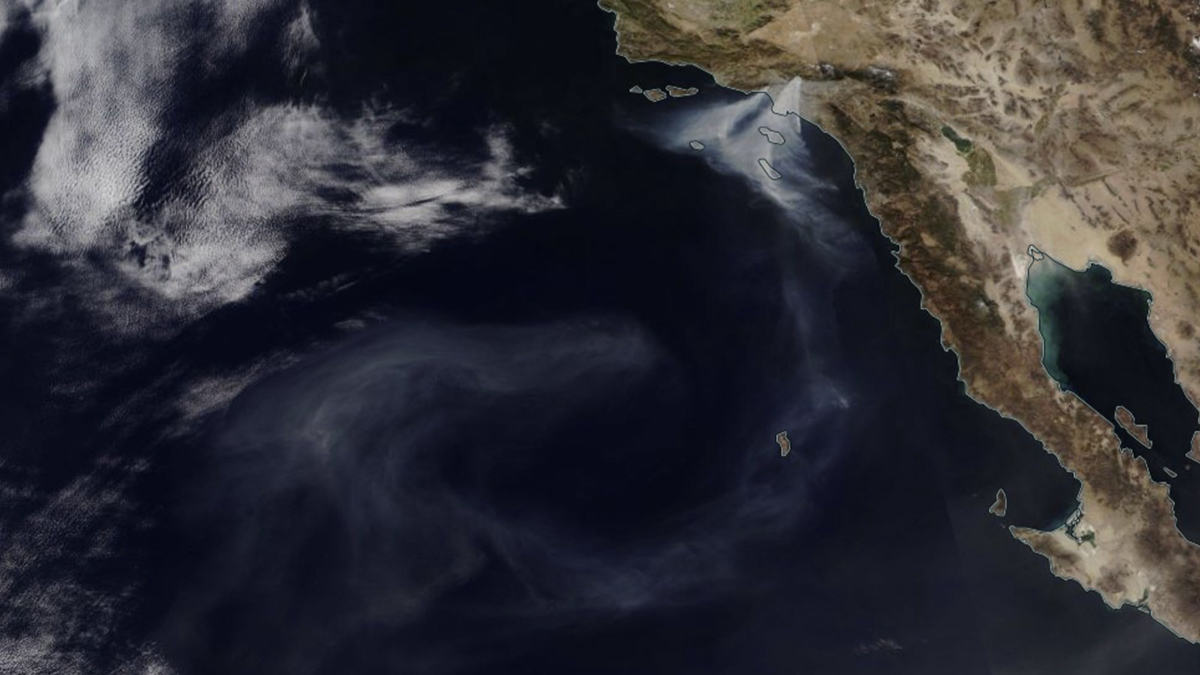
Scrambling to Study Smoke on the Water
Timely action shows the impact of urban fires on freshwater and marine ecosystems.

Posted inResearch & Developments
Public Speaks Out Against EPA Plan to Rescind Endangerment Finding
Advocates, scientists, doctors, members of Congress, kids, parents, and other individuals spoke out in a series of hearings last week to let the Environmental Protection Agency know how they feel about a potential sea change in climate and environmental policy: the proposed repeal of the 2009 Endangerment Finding.
Posted inNews
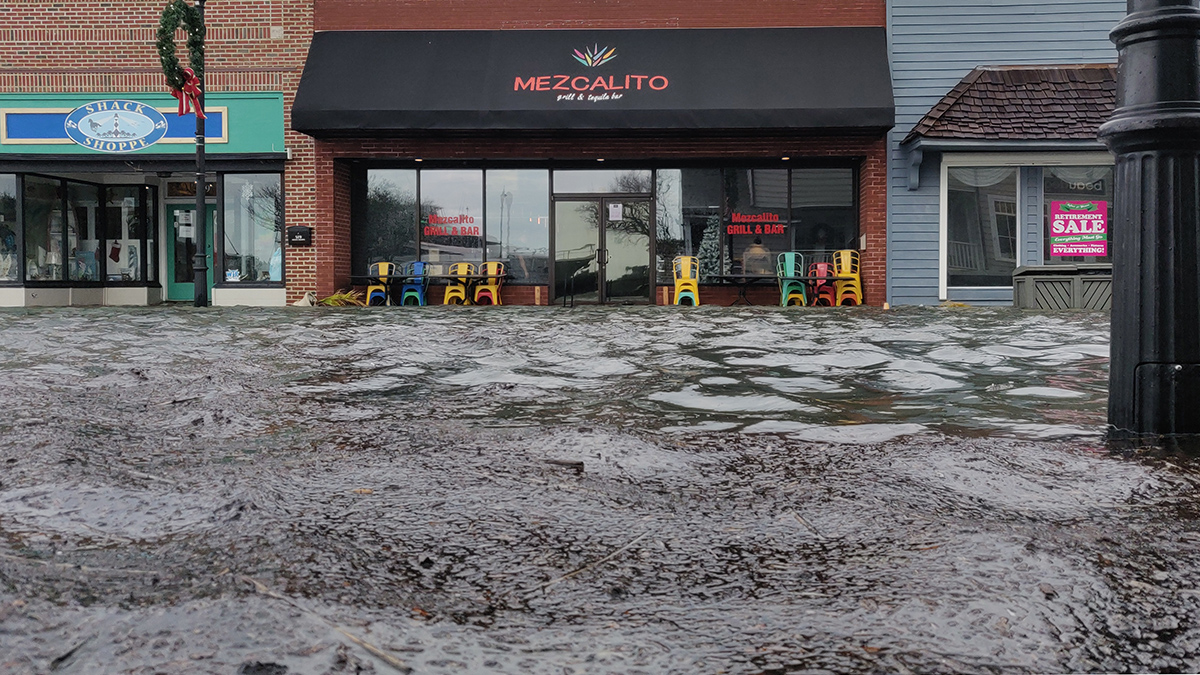
Residents Know When Floods Happen, But Data Must Catch Up
Federal flood measurements often don’t match what people see in their communities. Scientists have created a hyperlocal solution.
Posted inNews
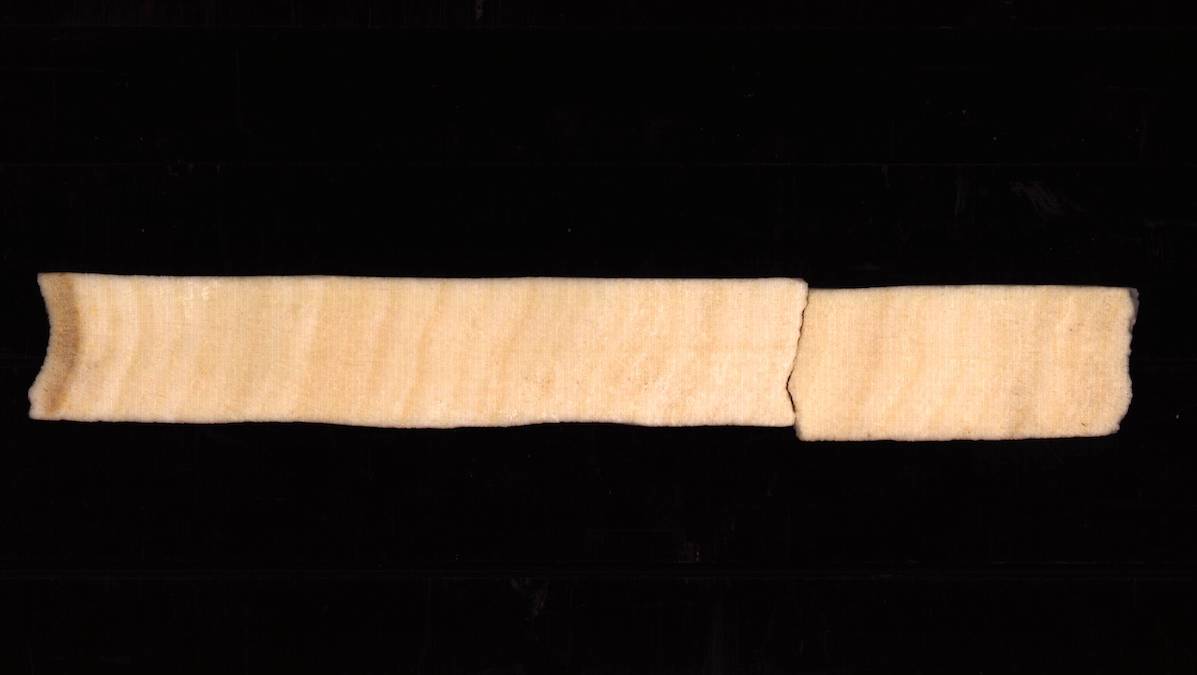
Coral Cores Pinpoint Onset of Industrial Deforestation
Trace elements in coral reefs provide a timeline of how Borneo’s rainforests have been altered by industry.
Posted inNews
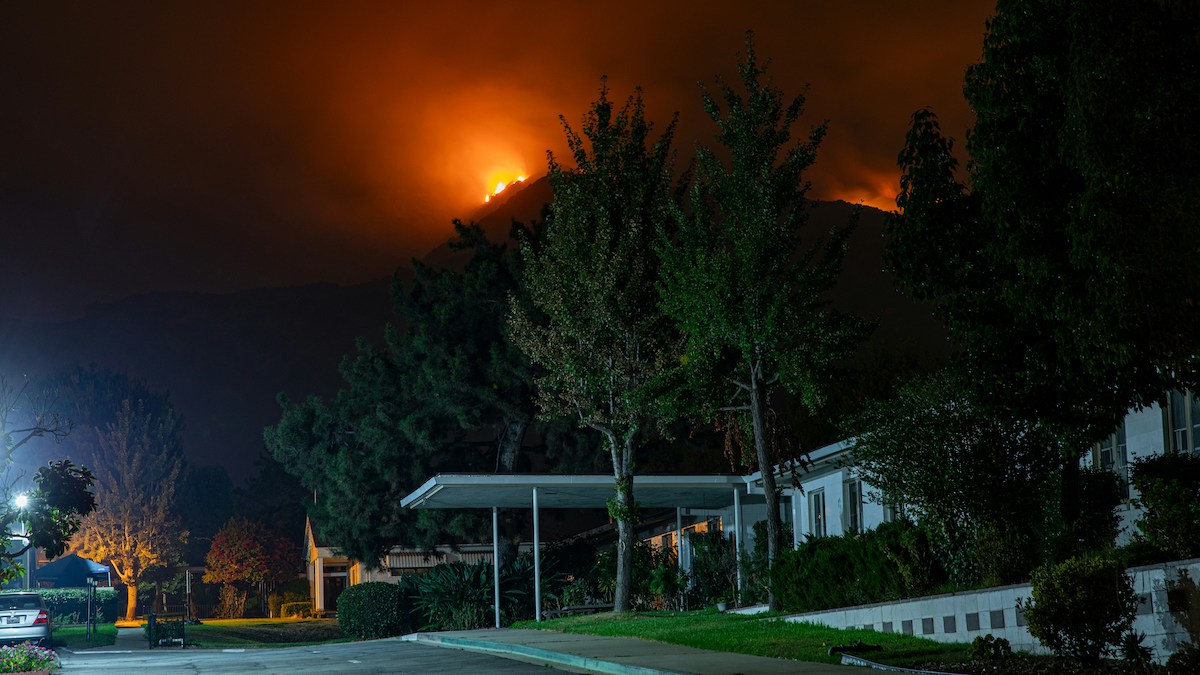
California’s Getting an Earlier Start to Wildfire Season
Human-caused climate change has pushed the onset of fire season in the state to as much as 46 days earlier than it was 30 years ago.
Posted inResearch & Developments
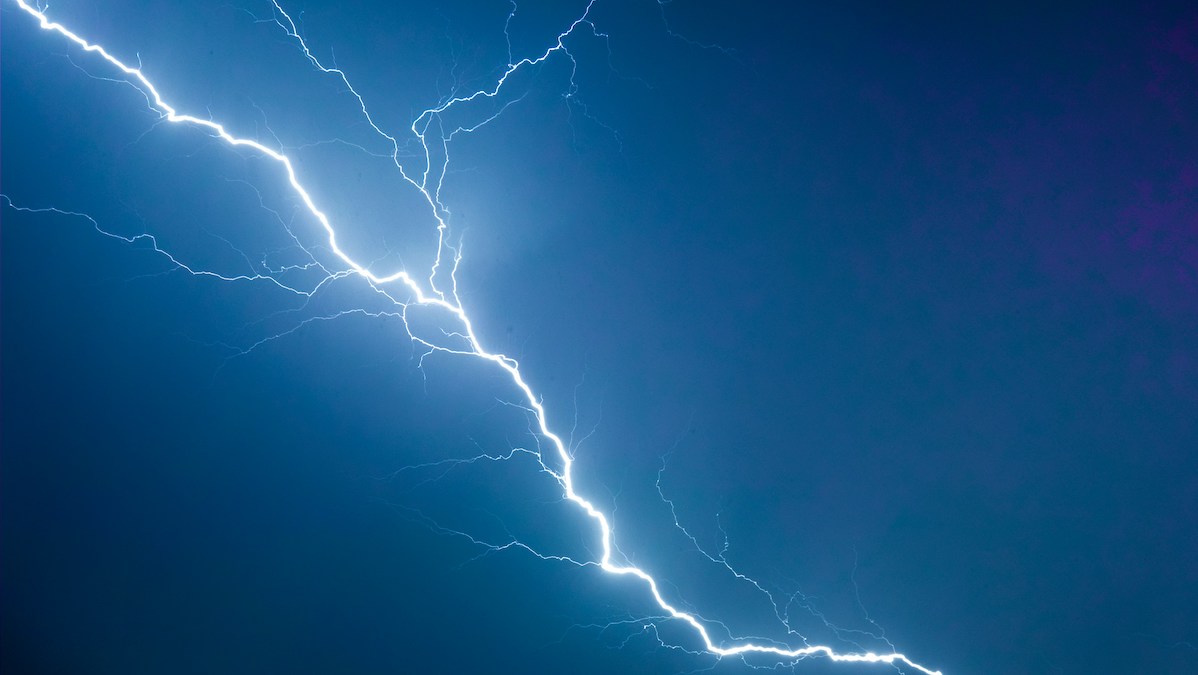
There’s a New Record for the Longest Lightning Flash
515 miles—roughly the distance from Washington, D.C. to Detroit, one-third the length of the Colorado River, and now, the longest lightning bolt ever recorded.
That’s right: A new analysis of satellite data has revealed that a 22 October 2017 storm over the U.S. Midwest created a lightning bolt that reached 829 kilometers (515 miles), from eastern Texas to nearly Kansas City. The record-setting bolt lasted about 7 seconds.
Posted inNews
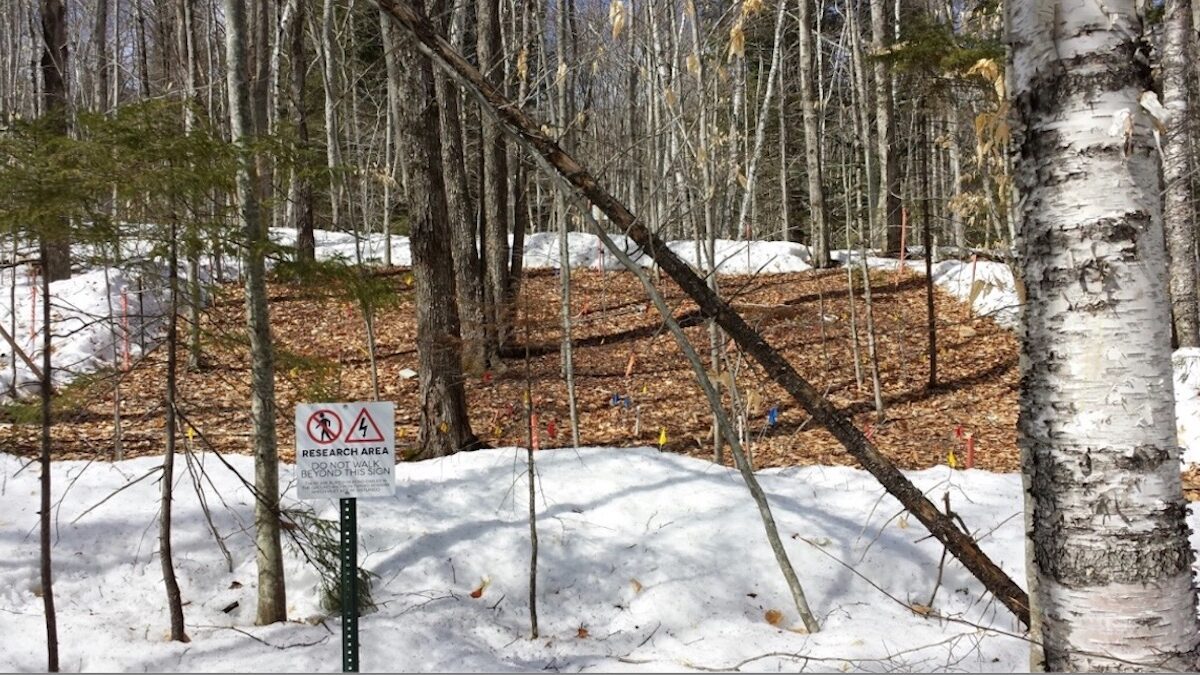
Warming Winters Sabotage Trees’ Carbon Uptake
In temperate forests, the biomass-building benefits of warmer growing seasons are offset by damaging variability in winter weather—a disparity that climate models may miss.
Posted inResearch & Developments
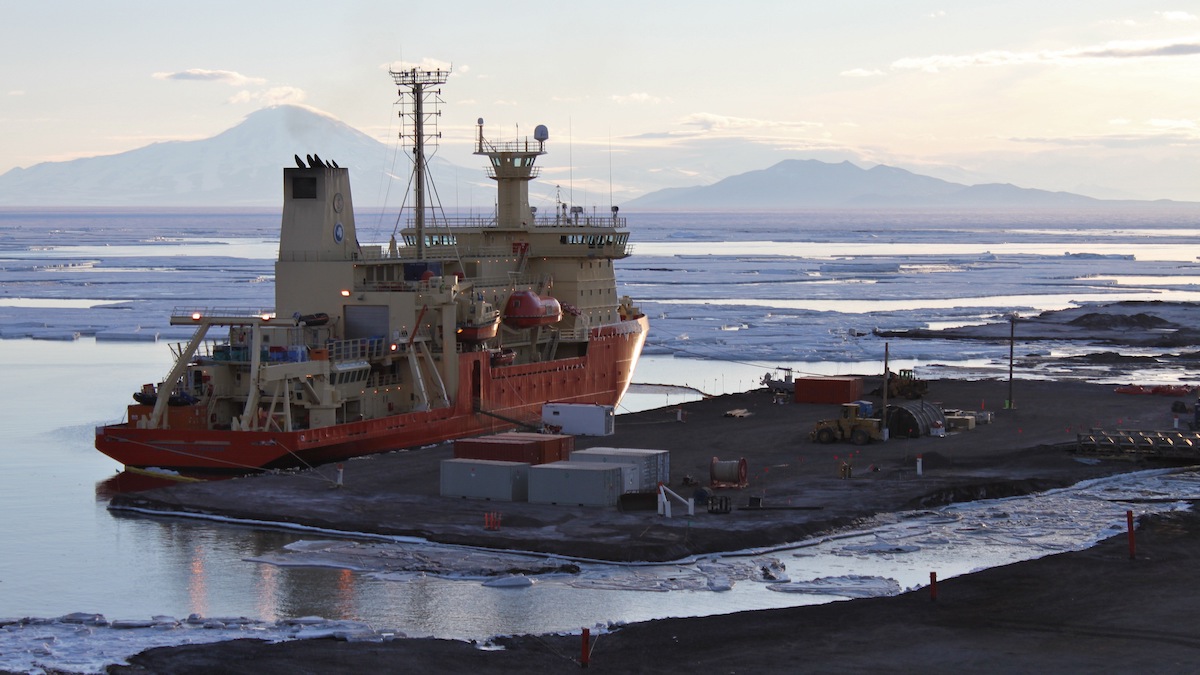
Scientists Ask NSF to Keep Only Antarctic Icebreaker Afloat
On 28 July, more than 170 researchers sent a letter to National Science Foundation leaders and Congress, urging them to reconsider the decision to terminate the lease of the Nathaniel B. Palmer, the United States’ only Antarctic research vessel-icebreaker (RVIB) and a key part of science operations around the White Continent.

Posted inFeatures
Lucia Perez Diaz: Expressing Earth with Art
A geoscientist and illustrator finds artistic inspiration in plate tectonics and geodynamics.