• About
  • Sections
  • Topics
    • Climate
    • Earth Science
    • Oceans
    • Space & Planets
    • Health & Ecosystems
    • Culture & Policy
    • Education & Careers
    • Opinions
  • Projects
    • Postcards From the Field
    • ENGAGE
    • Editors’ Highlights
    • Editors’ Vox
    • Eos en Español
    • Eos 简体中文版
    • Print Archive: 2015–2025
  • Science Policy Tracker
  • Blogs
    • Research & Developments
    • The Landslide Blog
  • Newsletter
  • Submit to Eos
  • AGU.org
  • Career Center
  • Join AGU
  • Give to AGU
  • About
  • Sections
  • Topics
    • Climate
    • Earth Science
    • Oceans
    • Space & Planets
    • Health & Ecosystems
    • Culture & Policy
    • Education & Careers
    • Opinions
  • Projects
    • Postcards From the Field
    • ENGAGE
    • Editors’ Highlights
    • Editors’ Vox
    • Eos en Español
    • Eos 简体中文版
    • Print Archive: 2015–2025
  • Science Policy Tracker
  • Blogs
    • Research & Developments
    • The Landslide Blog
  • Newsletter
  • Submit to Eos
Skip to content
  • AGU.org
  • Career Center
  • Join AGU
  • Give to AGU
Eos

Eos

Science News by AGU

Support Eos
Sign Up for Newsletter
  • About
  • Sections
  • Topics
    • Climate
    • Earth Science
    • Oceans
    • Space & Planets
    • Health & Ecosystems
    • Culture & Policy
    • Education & Careers
    • Opinions
  • Projects
    • Postcards From the Field
    • ENGAGE
    • Editors’ Highlights
    • Editors’ Vox
    • Eos en Español
    • Eos 简体中文版
    • Print Archive: 2015–2025
  • Science Policy Tracker
  • Blogs
    • Research & Developments
    • The Landslide Blog
  • Newsletter
  • Submit to Eos

R. Mazumdar

Red rocks of the Chinle Formation at Petrified Forest National Park
Posted inNews

Red Rocks: Using Color to Understand Climate Change

by R. Mazumdar 30 March 20213 January 2023

A recent study on hematite formation during the Triassic may help predict the effects of climate change on contemporary monsoonal environments.

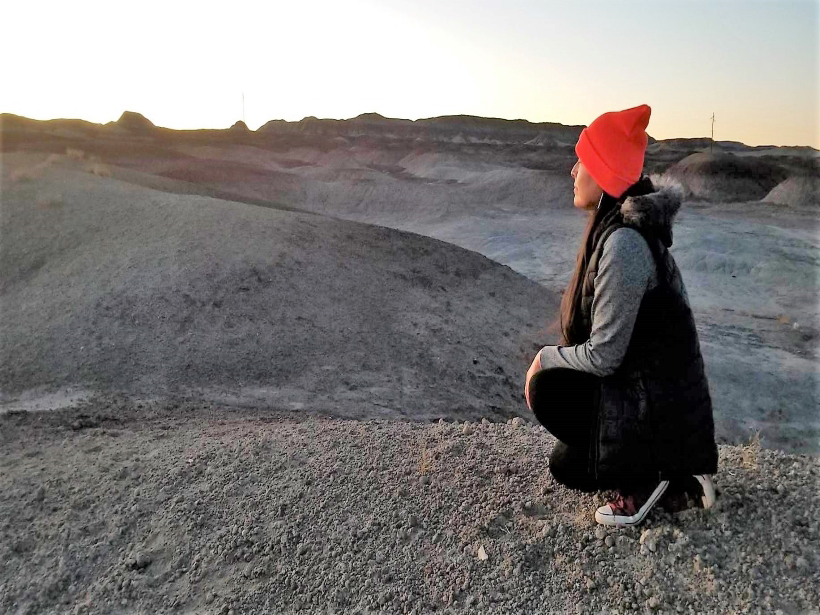
A woman in profile kneels, looking out over Indigenous land in Arizona.
Posted inNews

Contamination of Medicinal Plants: Implications for Indigenous Health

by R. Mazumdar 9 December 202013 September 2025

A new study will trace the legacy of uranium mining on commercially available medicinal plants.

Black-and-white image of Navajo mine workers at a uranium mine
Posted inNews

Pensando en el Zinc: Mitigando la Exposición al Uranio en la Nación Navajo

by R. Mazumdar 9 October 202020 September 2022

En un innovador ensayo clínico se estudia el impacto del zinc en la mitigación de los efectos sobre la salud relacionados con la minería de uranio. Éste se lleva a cabo mediante la “participación bidireccional” entre los Navajos y las comunidades médicas.
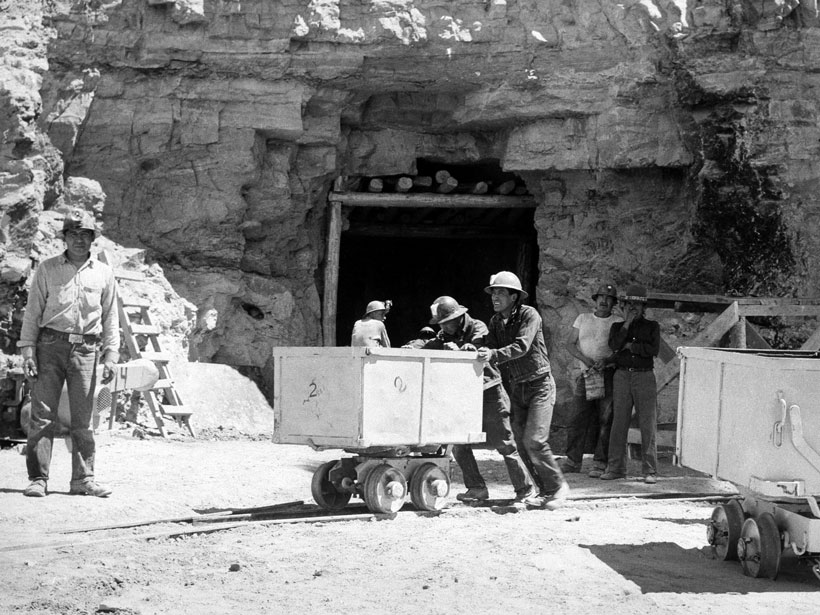
Black-and-white image of Navajo mine workers at a uranium mine
Posted inNews

Thinking Zinc: Mitigating Uranium Exposure on Navajo Land

by R. Mazumdar 29 July 202013 September 2025

An innovative clinical trial uses “two-way participation” between Navajo and medical communities to study the impact of zinc on mitigating health effects associated with uranium mining.

A view of a bridge, with the New Orleans skyline visible in the distance between the bridge and the water. A purple tint, a teal curved line representing a river, and the text “#AGU25 coverage from Eos” overlie the photo.

Features from AGU Publications

Research Spotlights

Denitrification Looks Different in Rivers Versus Streams

16 January 202616 January 2026
Editors' Highlights

Calibrating the Clocks: Reconciling Groundwater Age from Two Isotopes

26 January 202622 January 2026
Editors' Vox

Bridging the Gap: Transforming Reliable Climate Data into Climate Policy

16 January 202616 January 2026
Eos logo at left; AGU logo at right

About Eos
ENGAGE
Awards
Contact

Advertise
Submit
Career Center
Sitemap

© 2026 American Geophysical Union. All rights reserved Powered by Newspack