
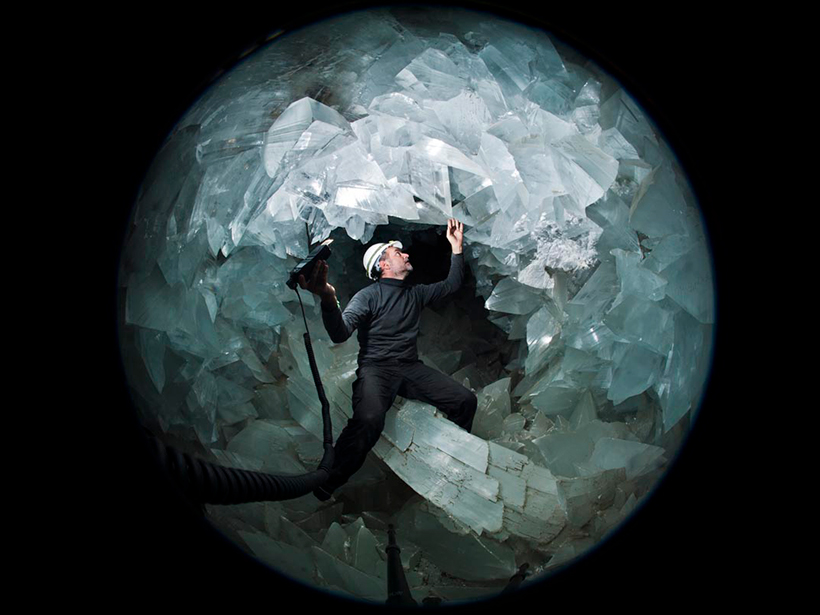

Temperature fluctuations, maybe from climate or maybe from geothermal systems, amplified a natural process that grew the crystals.
News
Posted inNews
Could Seismic Networks Reveal Hard-to-Detect Nuclear Tests?

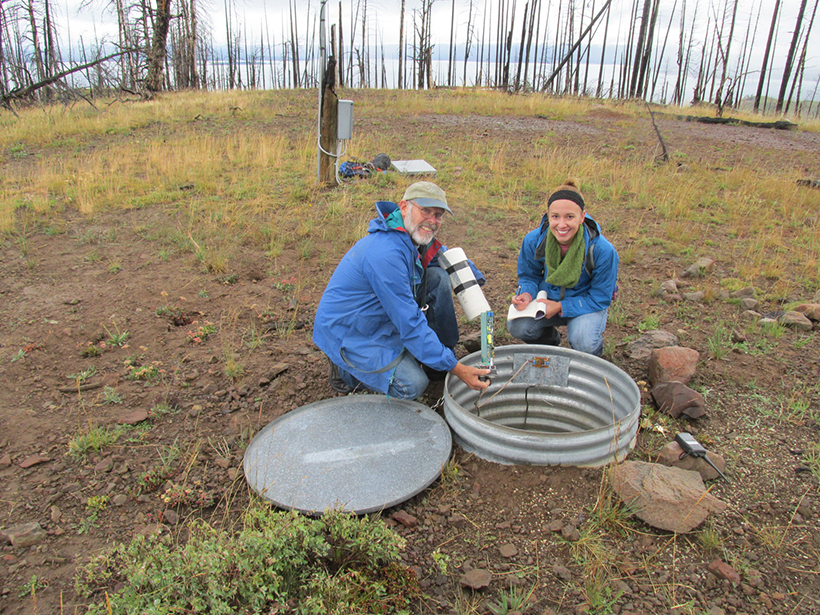
In the age of monitoring nuclear weapons testing, existing regional seismic networks may be a key to discovering small, undetected explosions around the world.
Posted inNews
Brazil’s Oil Spill Is a Mystery, so Scientists Try Oil Forensics

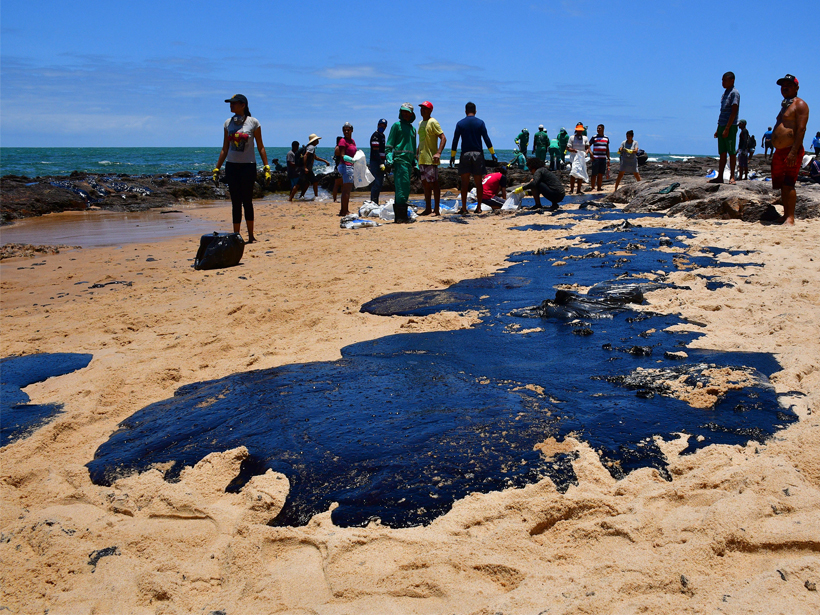
Thousands of barrels of oil have been tarring Brazil’s beaches since September, and no one knows why. An oil spill scientist is running oil forensics to find out.

Posted inNews
California Launches Nation’s First Earthquake Early Warning System
The country’s first publicly available, statewide warning system could give California residents crucial seconds to duck and cover before a quake.

Posted inNews
Dead Whales, Dinosaurs, a Yeti, and Other Spooky News of the Week
What Earth and space science stories are we recommending this week?

Posted inNews
Industry Leaders Dominate Trump’s Science and Tech Advisory Council

The council’s launch, more than 2 and a half years into the Trump presidency, has an initial membership that is heavy on industry, with just one academic and no representatives from civil society.
Posted inNews
Wildfire Smoke Traps Itself in Valleys

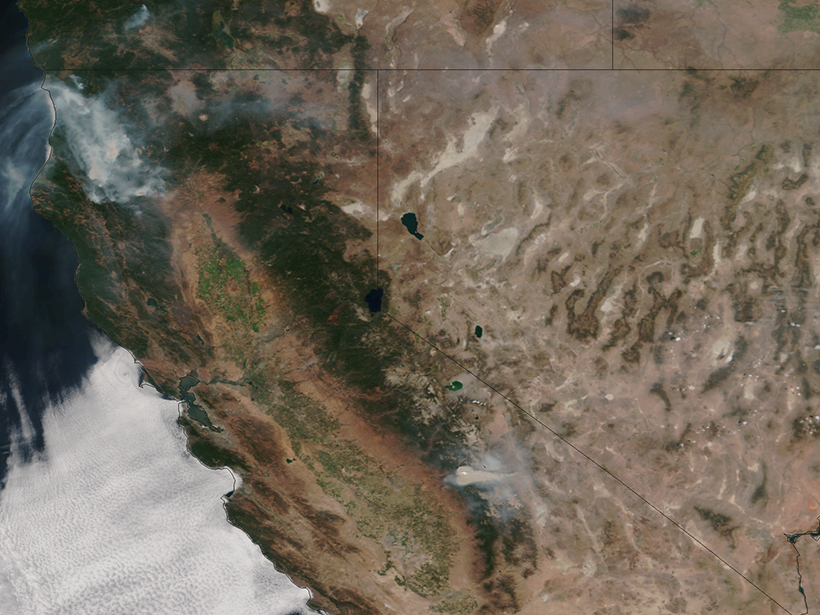
Simulations show how wildfire smoke increases atmospheric stability inside some valleys, creating a feedback loop that prevents its dispersion.
Posted inNews
Modern Planet Protection Rules Recommended and Welcomed
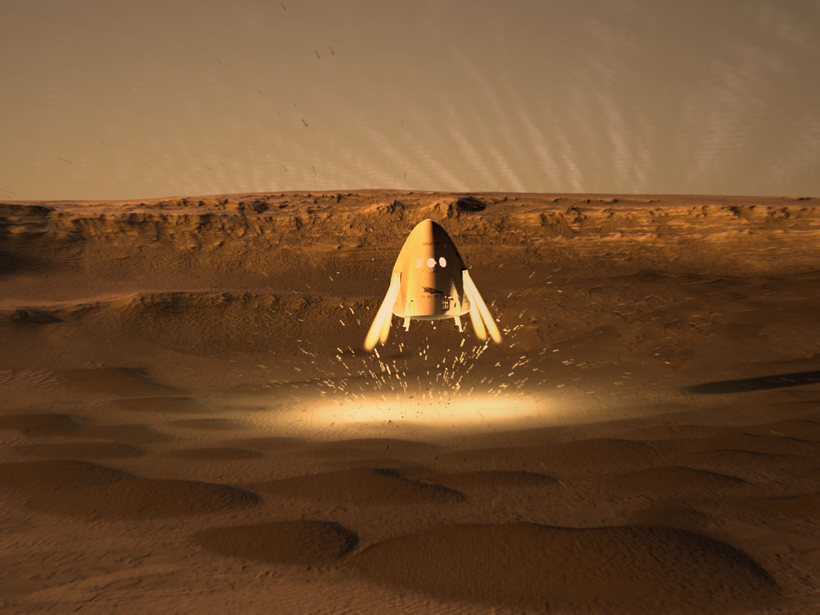
Protocols for the Moon and Mars, human exploration, ocean worlds, and the private sector are all due for a major overhaul.

Posted inNews
Podcast: Plate Tectonics, the Theory That Changed Earth Science

Third Pod from the Sun talks with pioneering geophysicist Xavier Le Pichon about what it was like to be a young scientist challenging deeply held theories.

Posted inNews
Forum Focuses on Climate and the 2020 U.S. Election
Former Trump environment official tries to defend the White House while others call for stronger action in the face of growing urgency.