
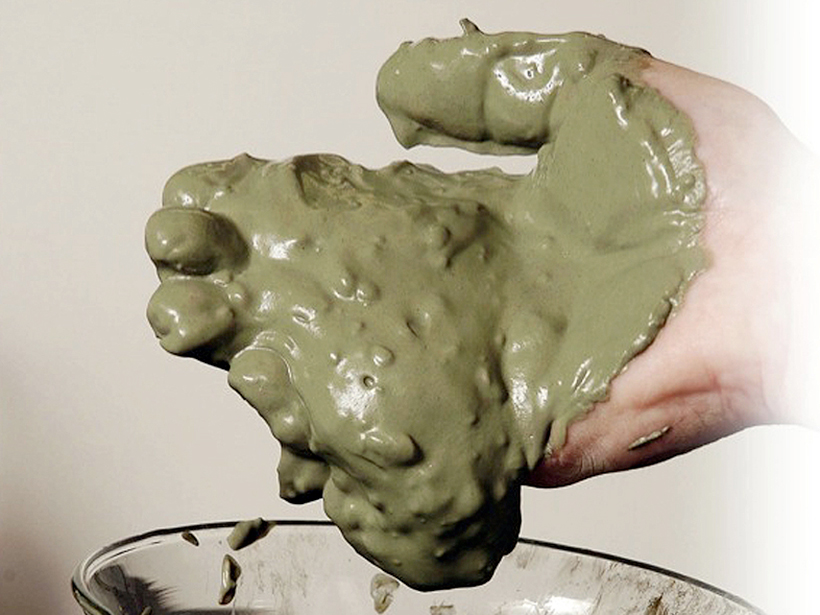
An ancient folk remedy, blue-green iron-rich clay, kills antibiotic-resistant bacteria using a one-two punch, a new study shows.
News

Posted inNews
Arctic Undergoing Most Unprecedented Transition in Human History

The Arctic Report Card, released by the National Oceanic and Atmospheric Administration, outlines vast changes taking place in the Arctic region. Here are some major findings.

Posted inNews
Ocean Science Decade Comes at Time of Precarious Decline
The UN-endorsed decade from 2021 to 2030 promises to advance ocean science and sustainable use of the oceans and reverse the decline in the health of the oceans.

Posted inNews
Meet IceWorm: NASA’s New Ice-Climbing Robot

A robot that can inch up icy surfaces may help scientists reach new heights in some of Earth’s most dangerous and remote landscapes.
Posted inNews
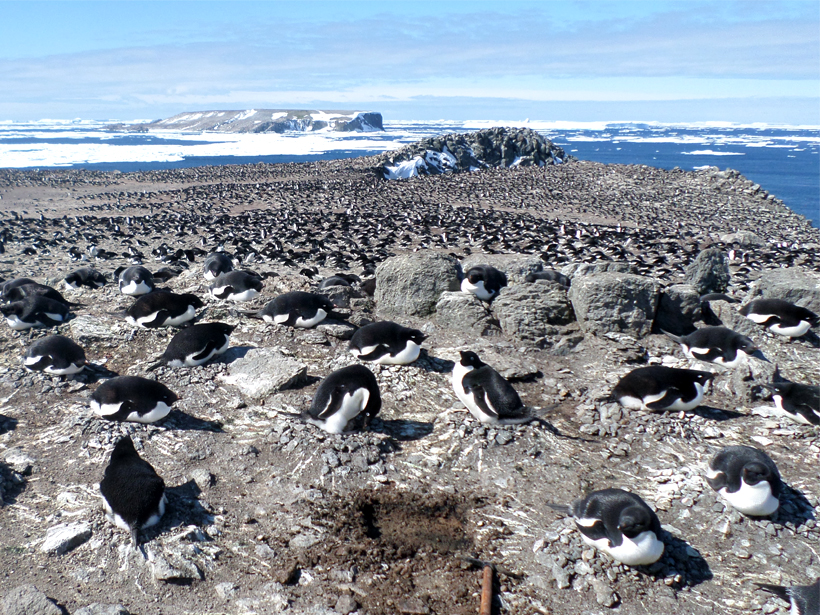
Penguin Poop Keeps a Record of Antarctic Glaciation
Scientists are digging up Adélie penguin guano to study millennia of Antarctica’s history.

Posted inNews
Leading Congress Member Promises Renewed Focus on Climate Change
In a statement issued at AGU’s Fall Meeting 2018, House Science Committee ranking member Rep. Eddie Bernice Johnson says that “it is time to stand up for science.”

Posted inNews
Extinct Megatoothed Shark May Have Been Warm-Blooded

Preliminary results from a recent study may begin to shed light on why megalodons died out before the most recent ice age.

Posted inNews
Neanderthals Likely Ate Rotten Meat
Neanderthals have long been painted as meat-eating machines. But could a new look at a dietary proxy and how it changes when meat rots uncover insights into what these extinct hominids really ate?
Posted inNews
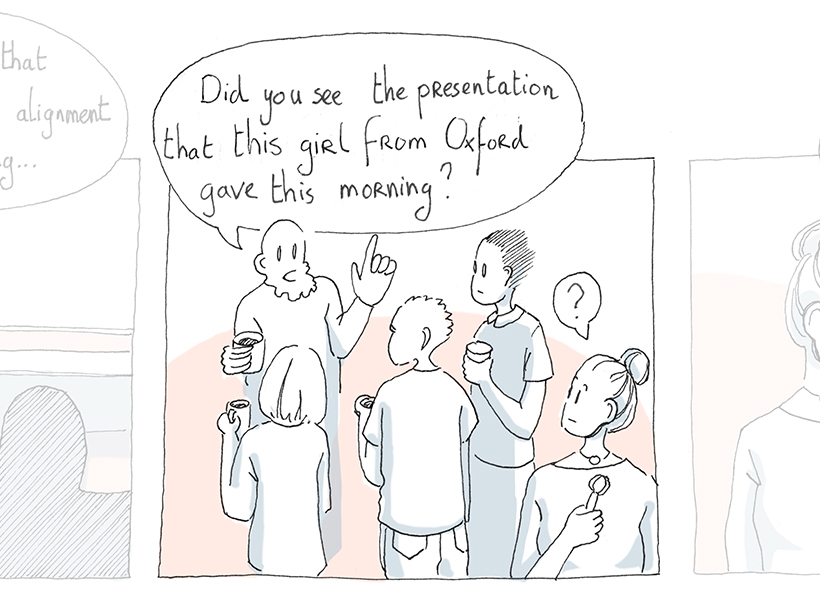
Illustrating Casual Sexism in Science
Little sexist comments are a big issue that can be difficult to talk about. These illustrations help strike at how such comments can harm and can serve as a starting place for conversations.
Posted inNews
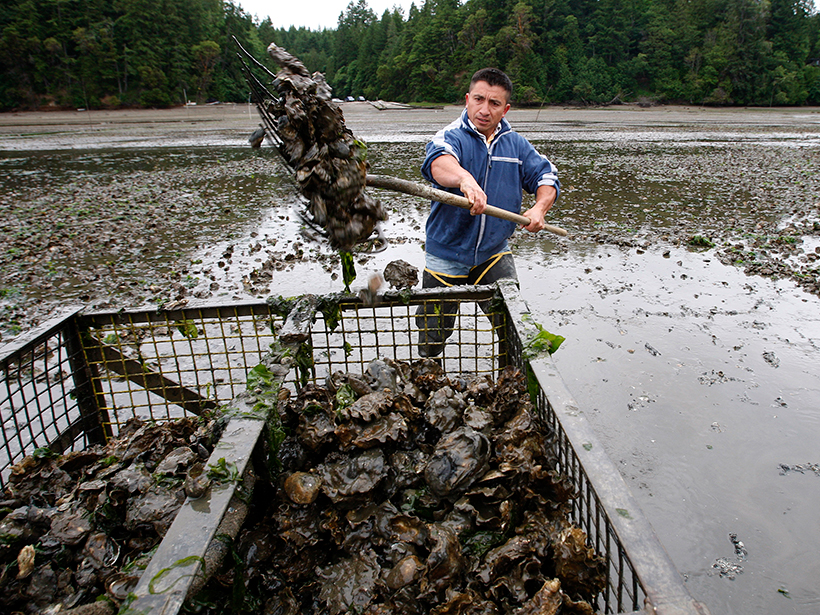
Developing Ocean Acidification “Champions” in Congress
Ocean acidification “provides a case study of a way that we can drive forward bipartisan action on an environmental issue,” says an Ocean Conservancy scientist.