
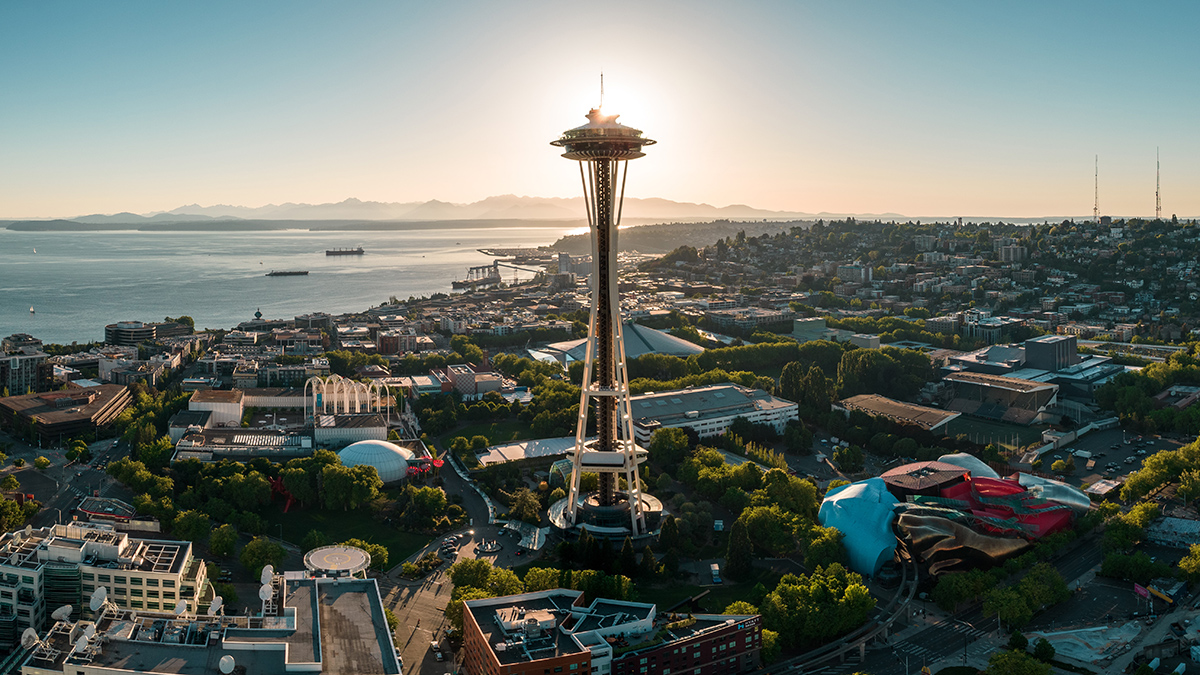
A new center will bring together earthquake scientists to study the Cascadia Subduction Zone and clarify seismic hazards.
News

Posted inNews
La canción de hielo y fuego del criovulcanismo

Las lunas oceánicas del sistema solar exterior nos dan pistas sobre volcanes de hielo, fuentes hidrotermales, y la tentadora posibilidad de habitabilidad.

Posted inNews
Natural Nitrogen Emissions Are Rising in California
Wildfires and soil microbes are releasing more nitrogen oxides in California as the climate gets warmer and drier.

Posted inNews
A New Census of Plastic Debris Entering the Ocean

On the basis of thousands of measurements of plastic pollution spotted near coastlines and at sea, researchers estimate that roughly 500 million kilograms of plastic debris is entering the world’s oceans each year.
Posted inNews
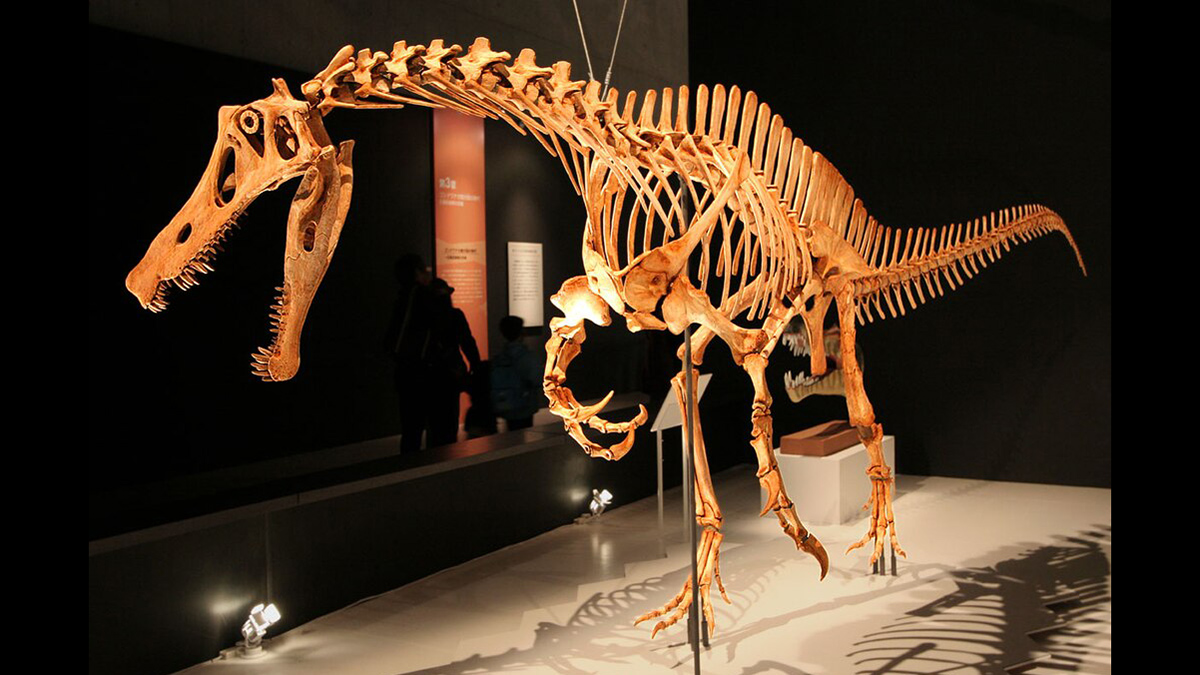
La exportación ilegal de fósiles es más que un Irritator para el Sur Global
Más de 2,000 investigadores han firmado una carta abierta solicitando la repatriación del fósil de dinosaurio a Brasil. Algunos afirman que el caso pone de manifiesto un modelo de colonialismo científico en la paleontología.

Posted inNews
How You Make Money Matters When It Comes to Carbon Emissions

Investment income is associated with more carbon emissions in the United States.

Posted inNews
Passing Planetary Boundaries Requires Synergistic Solutions
Considering Earth’s interacting systems could pull the planet back into a stable operating space.

Posted inNews
Hurricane Harvey Filled Houston with Sediment
The storm’s record-setting rains moved an equally impressive amount of sediment and elevated the risk and expense of absorbing all that muck.

Posted inENGAGE, News
Bird Biodiversity Reports Reflect Cities’ Redlined Past

The lack of bird records in formerly redlined areas creates an inaccurate picture of urban biodiversity, leading to gaps in conservation efforts.

Posted inNews
Plants Worldwide Reach a Stomata Stalemate
Research unveiled a surprising plateau in plants’ ability to absorb carbon through stomata, which could mean more carbon left in the atmosphere.