

Recent advances in measurements and models are paving the way to transform fundamental understanding and simulation of ice-nucleating particles and their climate impacts.
Editors’ Vox
Posted inEditors' Vox
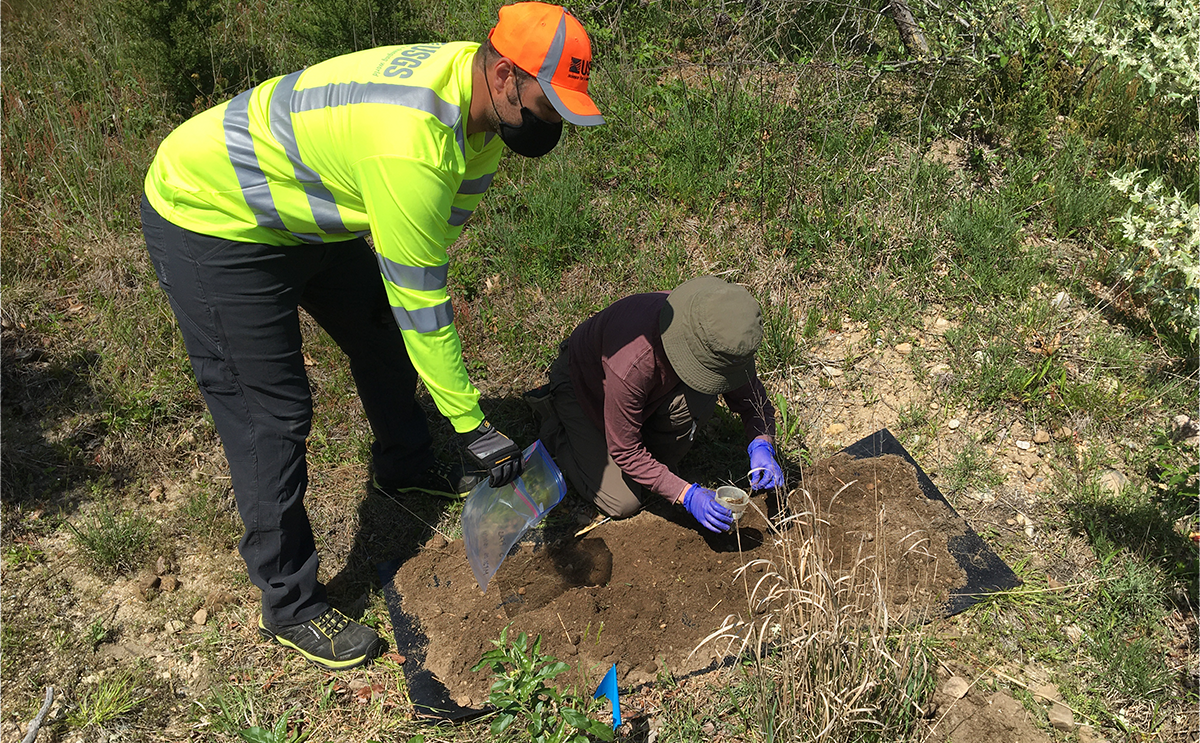
Widespread “Forever Chemicals” in Subsurface Environments
Massive use of materials containing per- and polyfluoroalkyl substances in commercial and industrial sectors has led to their widespread occurrence in subsurface environments.
Posted inEditors' Vox
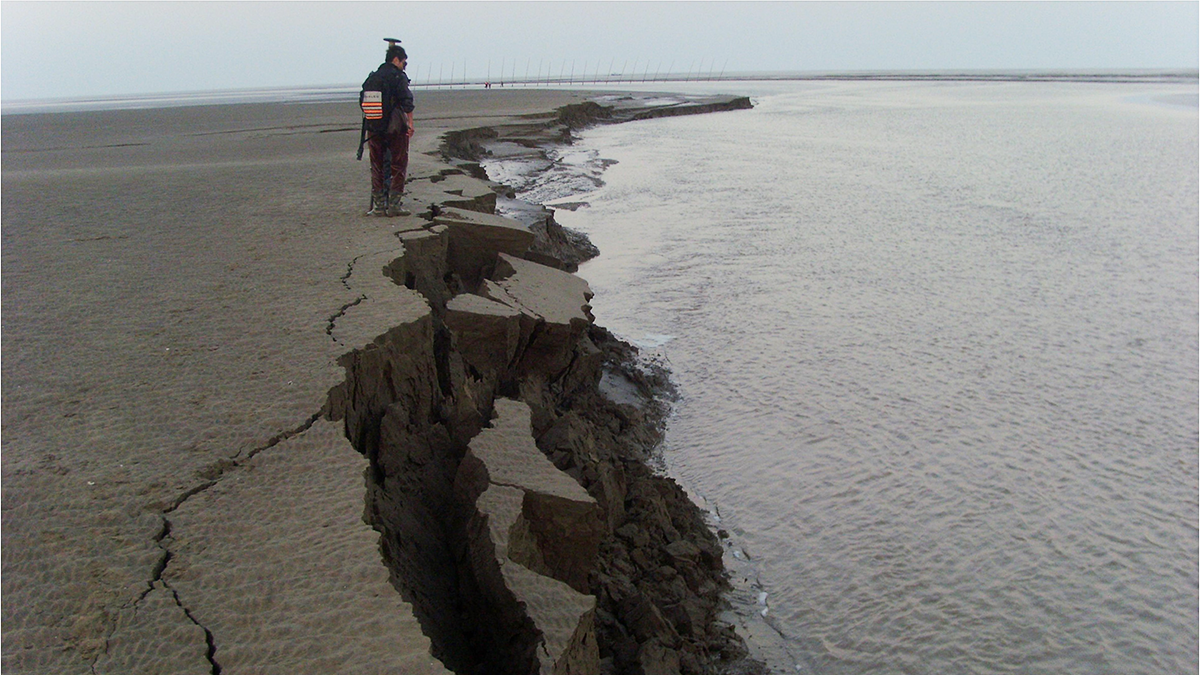
Bank Retreat Controls River and Estuary Morphodynamics
Understanding and predicting the geomorphological response of fluvial and tidal channels to bank retreat underpins the robust management of water courses and the protection of wetlands.
Posted inEditors' Vox
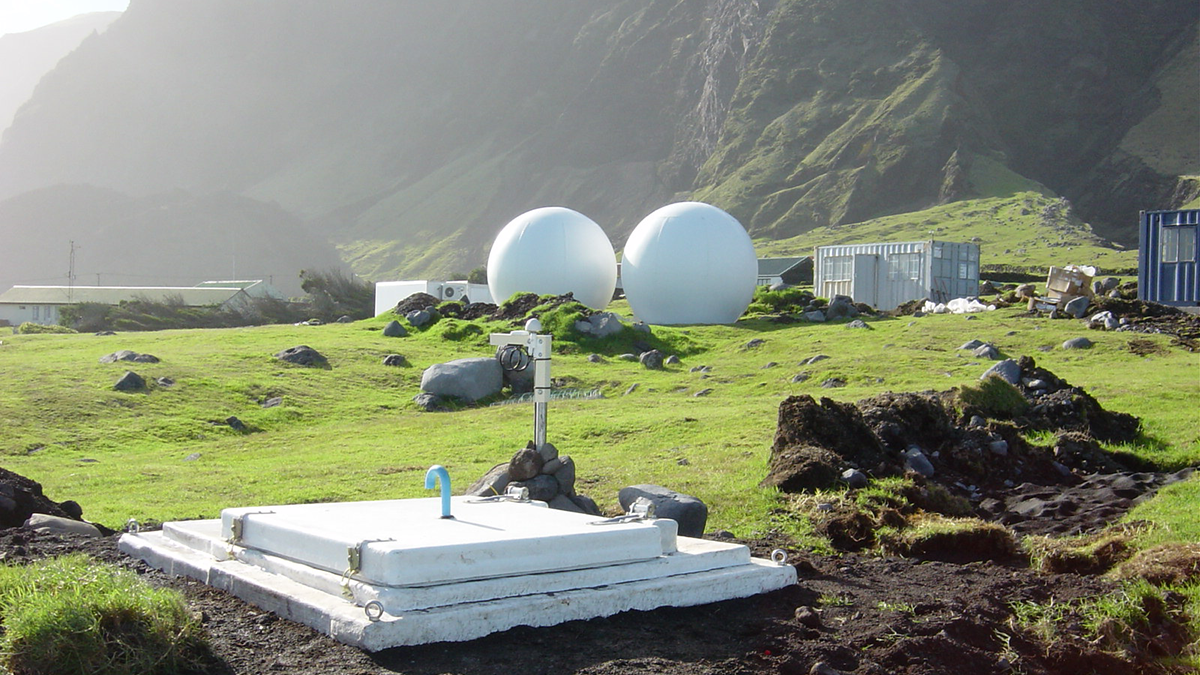
Global Seismic Networks: Recording the Heartbeat of the Earth
Global broadband seismographic networks have provided the science community with 30 years of data which is being used to understand the Earth.

Posted inEditors' Vox
Monitoring the Health of Our Planet using Earth Observations
A new book explores how Earth science knowledge addresses critical global challenges including sustainable development, disaster risk reduction, and climate change.

Posted inEditors' Vox
Old Igneous Rocks Hold the Key to Crustal Thickness Evolution
The chemical composition of orogenic igneous rocks and their zircons is sensitive to crustal thickness and can be used to quantify the evolution of Moho depths beneath continents back in time.

Posted inEditors' Vox
Modeling the Ice Flow and Evolution of Glaciers
Glaciers are crucial water resources and important sea level contributors. To accurately model glacier evolution, their mass balance and ice flow processes must be accounted for.

Posted inEditors' Vox
Eastern Mediterranean and Middle East Face Rapid Climate Change
Observational and modeling studies identify the Eastern Mediterranean and Middle East as a prominent climate change hotspot associated with weather extremes that have major impacts on society.

Posted inEditors' Vox
Notebooks Now! Elevating Computational Notebooks
AGU is launching a community-driven effort, funded by the Alfred P. Sloan Foundation, to support computational notebooks as primary research objects in scholarly publications.
Posted inEditors' Vox
Using Data to Mitigate Inequitable Environmental Burdens
A new transdisciplinary special collection welcomes studies exploring data and tools for identifying and mitigating environmental injustice.