
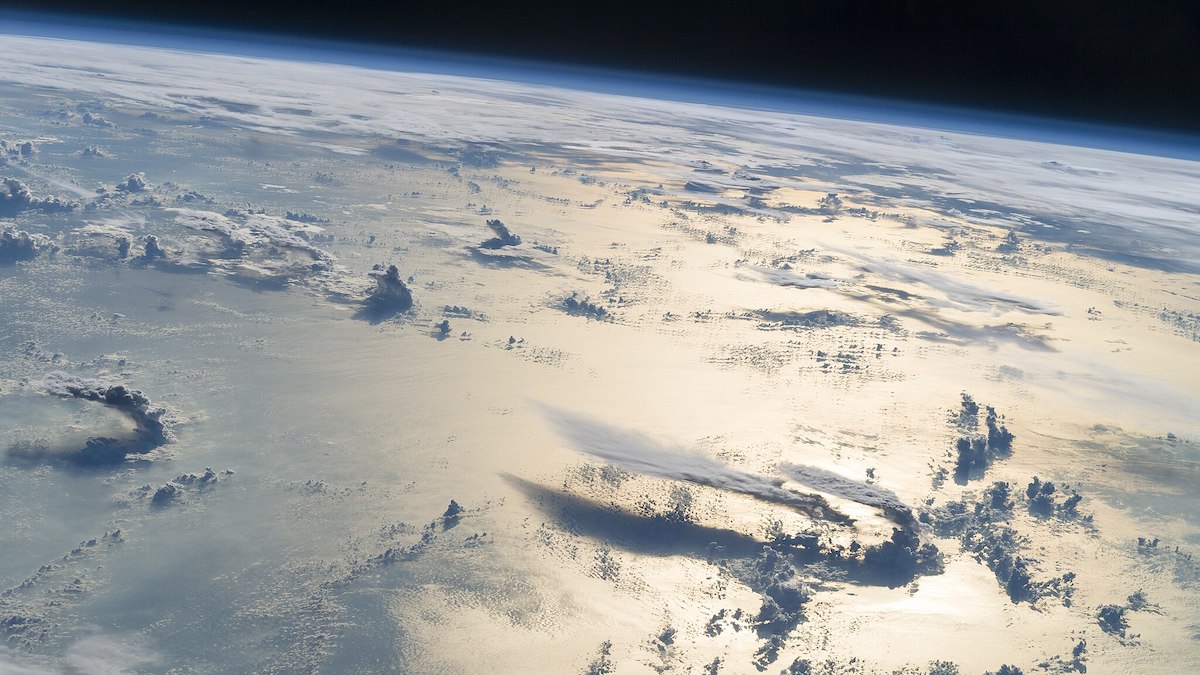

A new framework argues Earth scientists should employ the concept of ecosystem engineering across geologic time and space.
ENGAGE
Posted inENGAGE, News
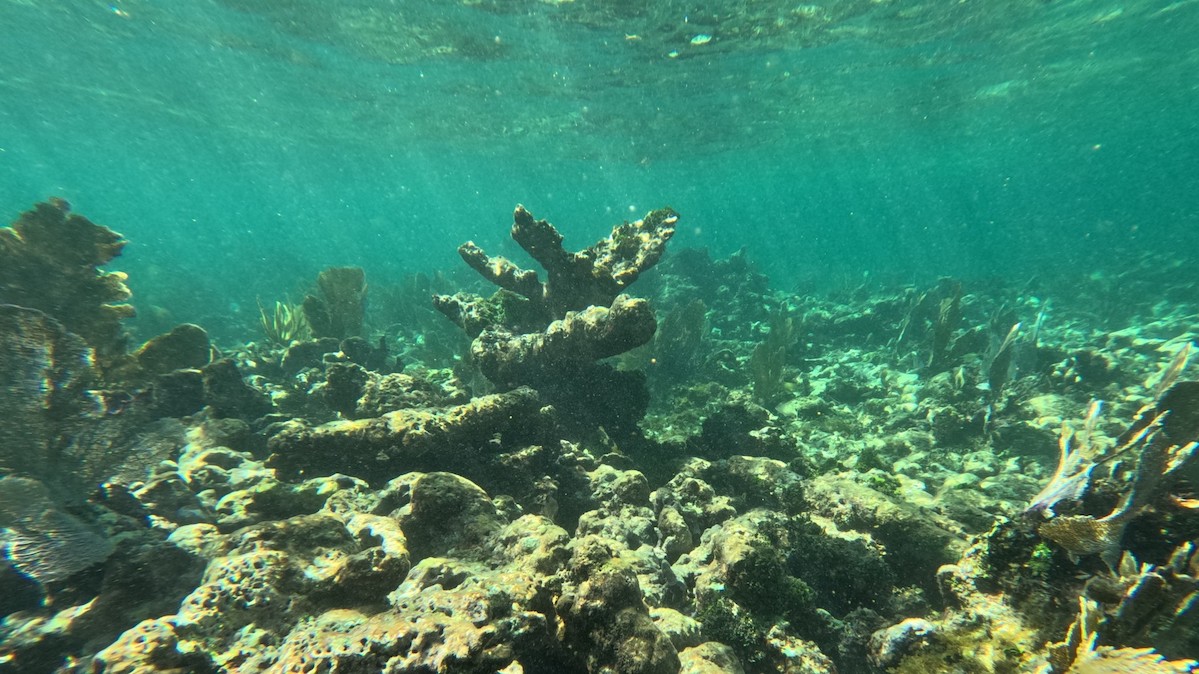
As Seas Rise, Corals Can’t Keep Up
Coral reef growth rates in the tropical western Atlantic have slowed to a fraction of what they once were, erasing coastal protection benefits they once offered.

Posted inENGAGE, News
Tilted Planet System? Maybe It Was Born That Way

New observations could shed light on the degree to which misalignment in a planet-forming disk contributes to skewed planetary orbits.
Posted inENGAGE, News
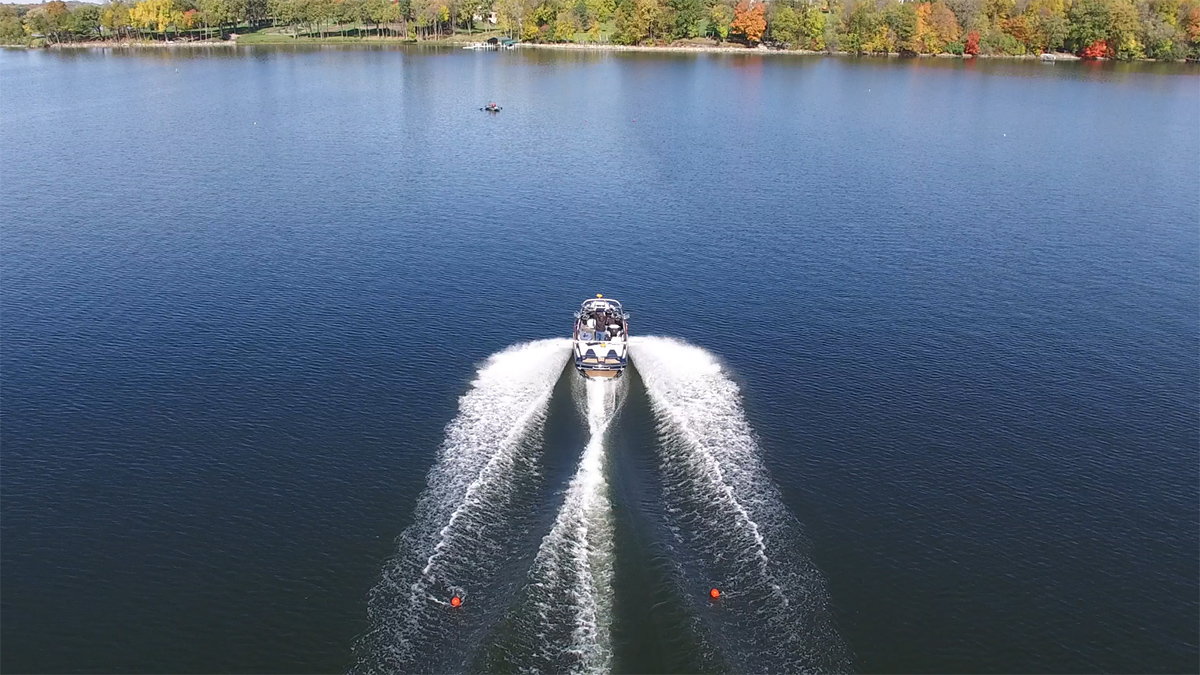
A Debate over Wakes in the Land of 10,000 Lakes
Wakeboats are turning Minnesota’s lakes into summertime surf spots, but the artificial chop can shake up the lake bed, too. New wake data can help communities plan for responsible recreation.

Posted inENGAGE, News
After 30-Year Search, Scientists Finally Find an Aurora on Neptune
The planet’s elusive aurorae are much colder than expected, which is how they evaded detection for so long.
Posted inENGAGE, News
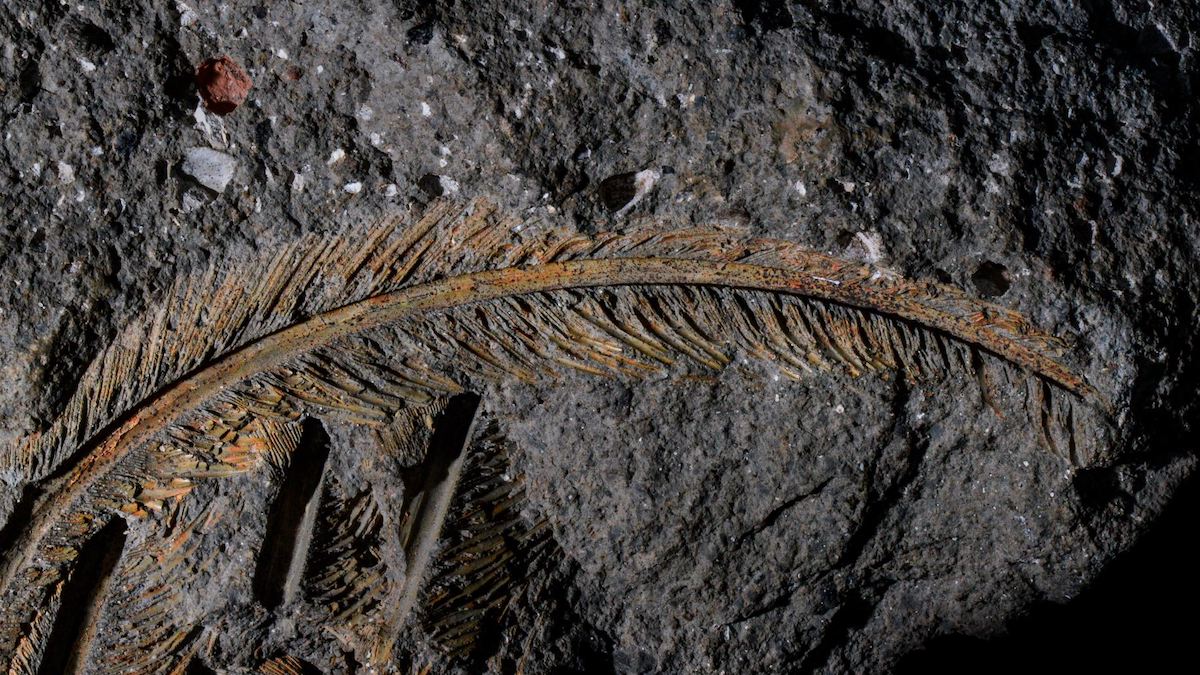
A 30,000-Year-Old Feather Is a First-of-Its-Kind Fossil
A new analysis of a fossil found in 1889 has unveiled the presence of zeolites—and an entirely new mineralization method.

Posted inENGAGE, News
Cave Deposit Links Greenland’s and Europe’s Climate Records with a German Volcano
Dating a late Pleistocene eruption has big implications for understanding the Younger Dryas—and current climate change.
Posted inENGAGE, News
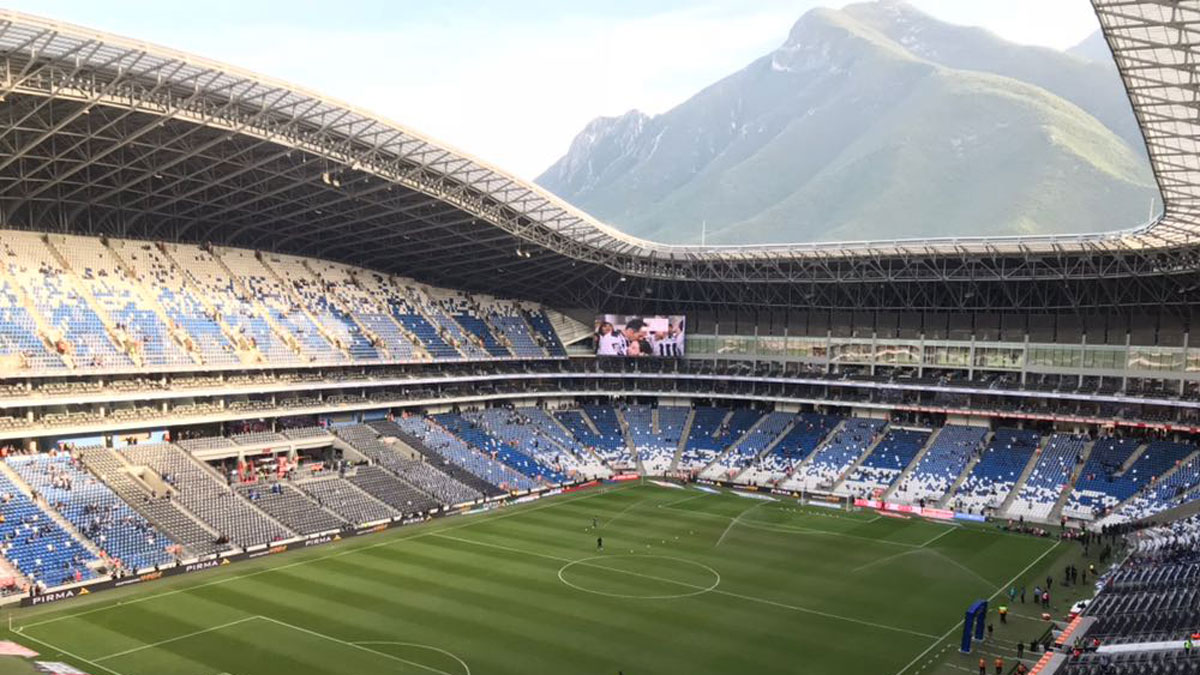
Soccer Players Risk Heat Stress in World Cup Stadiums
Rapidly traveling between climate zones, all with different average temperatures, humidities, and oxygen levels, will place additional stress on players, staff, and spectators.

Posted inENGAGE, Features
A Major Miner Problem

Economic geology, mining, and mineral resources programs are working to meet the needs of an industry that’s struggling to find employees—at a time when some say they’re needed more than ever.
Posted inENGAGE, News
Water Testing Builds Trust in Science as Maui Communities Recover
Following fires that ravaged the island in 2023, researchers educated residents about how wildfires affect water quality, and gathered data to determine how wildfire impacts change over time.