


Regulations differ from country to country, but on one point, they’re relatively uniform: Drones must remain within their operators’ line of sight. How do earthquake scientists collect drone data while working within the rules?
ENGAGE

Posted inENGAGE, Research Spotlights
Pyrenees Glaciers Are Rapidly Disappearing

Three of the remaining glaciers in the Pyrenees mountain range stopped flowing in the past decade.

Posted inENGAGE, News
Freshwater Mussel Shells May Retain Record of Alpine Snowpack
A new study explores a possible proxy for seasonal freshwater input that could elucidate changes in alpine snowpack as the planet warms.

Posted inENGAGE, News
How Do You Know If You’ve Experienced Global Warming?

Answering this question can help policymakers, scientists, and climate communicators develop more effective strategies to reach skeptics and deniers.

Posted inENGAGE, News
Degraded Coral Reefs May Be More Resistant to Climate Change
New research on Kiribati’s beleaguered atolls paints a complex picture of reef recovery.
Posted inENGAGE, News
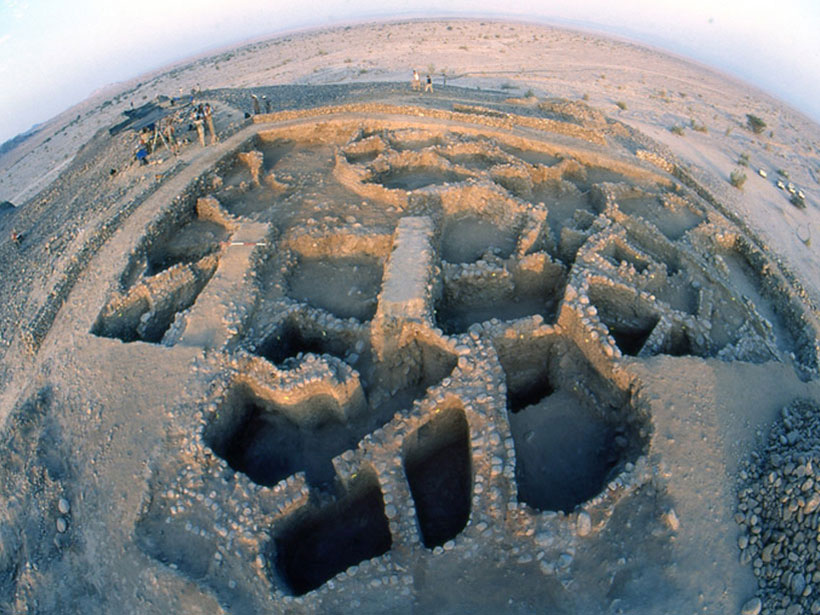
Ancient Flint Tools Reveal Earth’s Changing Magnetic Field

Stone tools may provide data on paleomagnetism that are out of reach for other markers, such as prehistoric pottery.

Posted inENGAGE, Features
The Changing Climate’s Snowball Effect

Shrinking snowpack, thawing permafrost, and shifting precipitation patterns have widespread consequences. Can new technologies—and public policies—help communities adapt?
Posted inENGAGE, Features
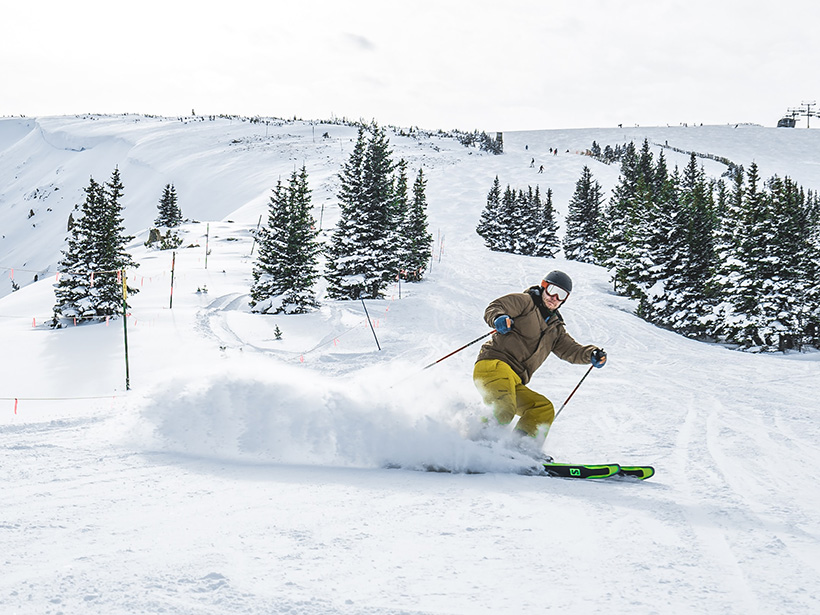
How the Ski Industry Stopped Worrying and Learned to Love Climate Activism

A cultural shift is underway to transform outdoor buffs into stalwarts for climate action. Will it come soon enough to save their sport?

Posted inENGAGE, Science Updates
Cormorants Are Helping Characterize Coastal Ocean Environments
The Cormorant Oceanography Project is using sensors deployed on diving marine birds to collect broadly distributed oceanographic data in coastal regions around the world.
Posted inENGAGE, News
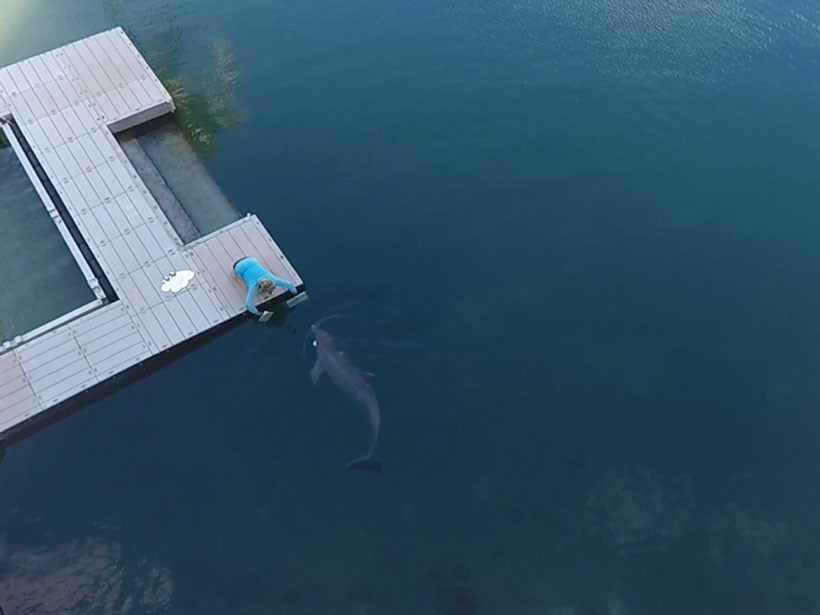
Autonomous Vehicles Could Benefit from Nature
A team of researchers at the University of Michigan is looking to animals to find new ways for autonomous vehicles to navigate through the environment.